Xu Shaohua, Xie Jiahui, Zhou Yanjie, Liu Hui, Wang Yirong, Li Zhaoyong
Hunan Provincial Key Laboratory of Medical Virology, Institute of Pathogen Biology and Immunology, College of Biology, Hunan University, Changsha 410082, China.
Bioinformatics Center, College of Biology, Hunan University, Changsha 410082, China.
Genes (Basel). 2022 Feb 14;13(2):345. doi: 10.3390/genes13020345.
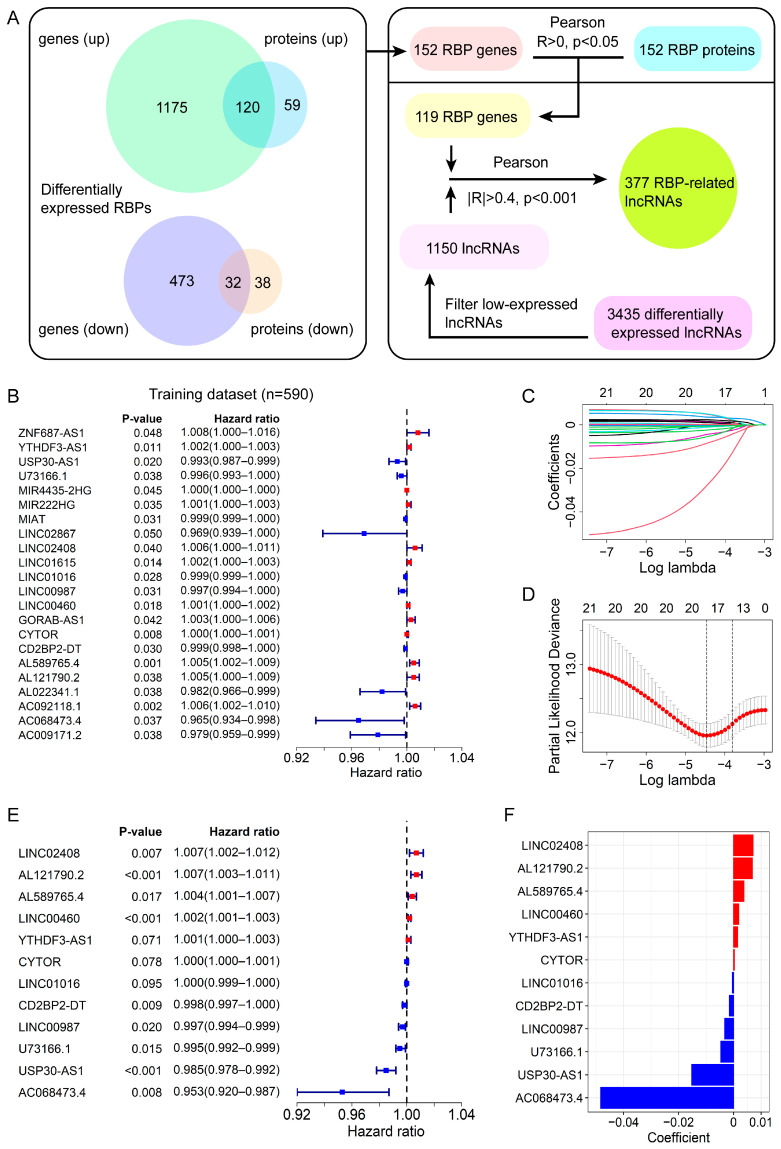
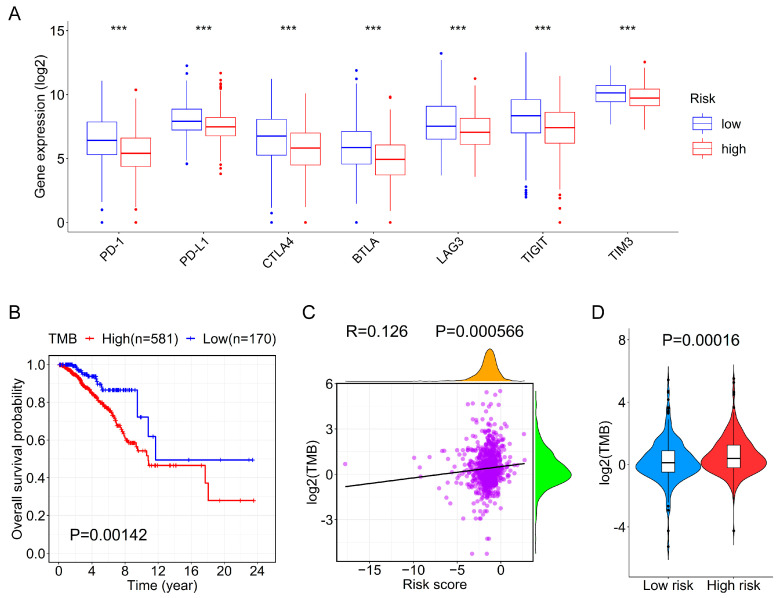
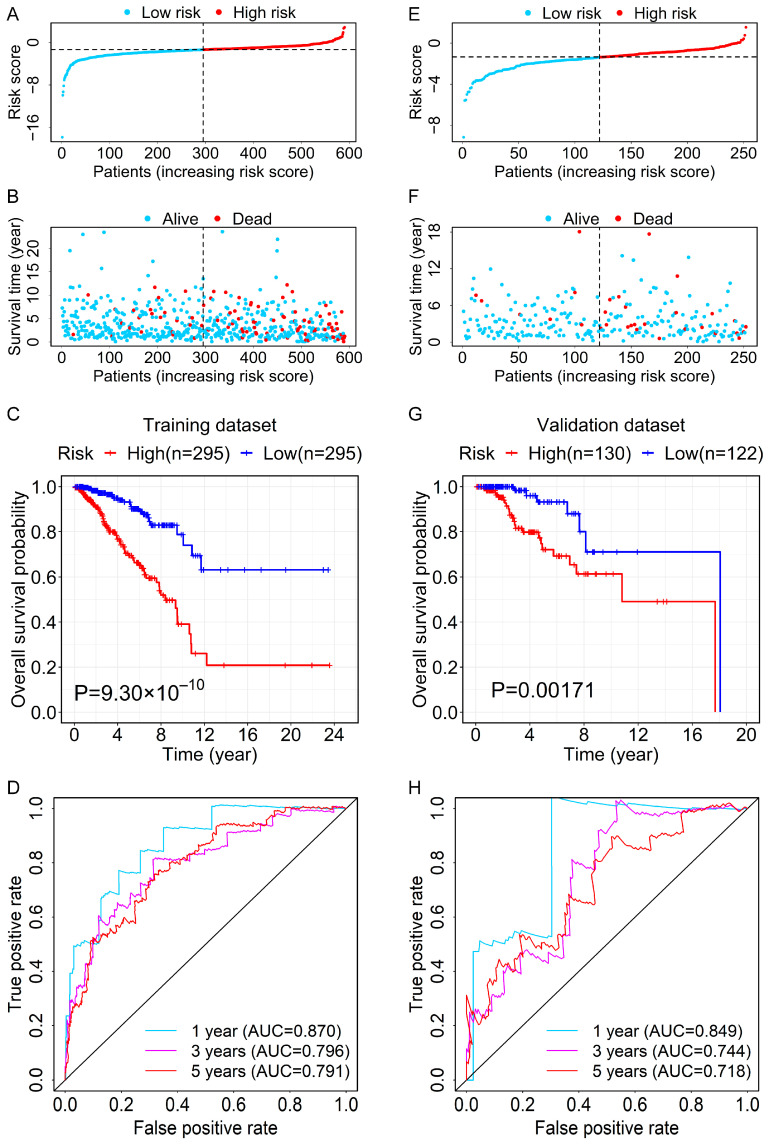
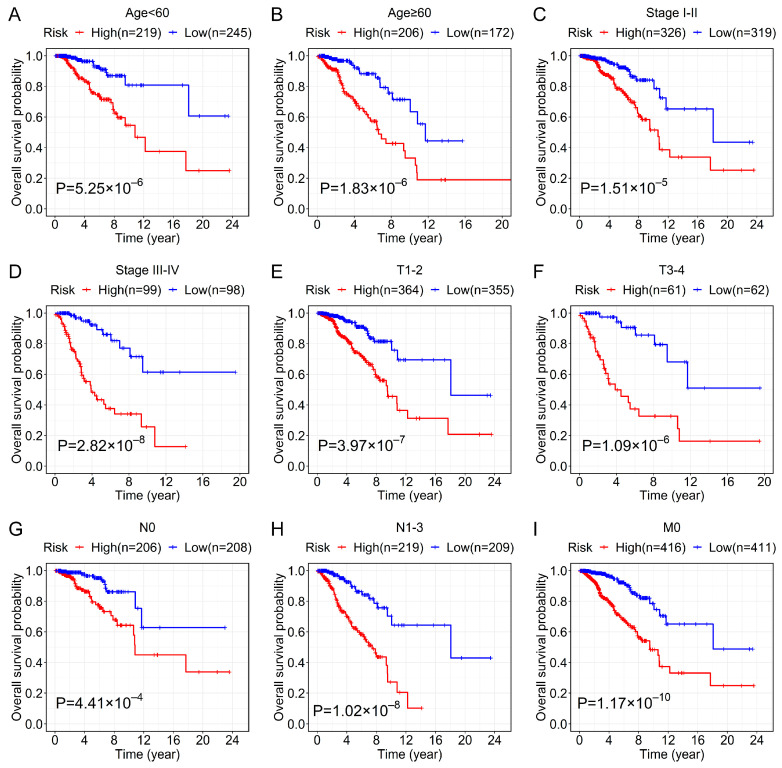
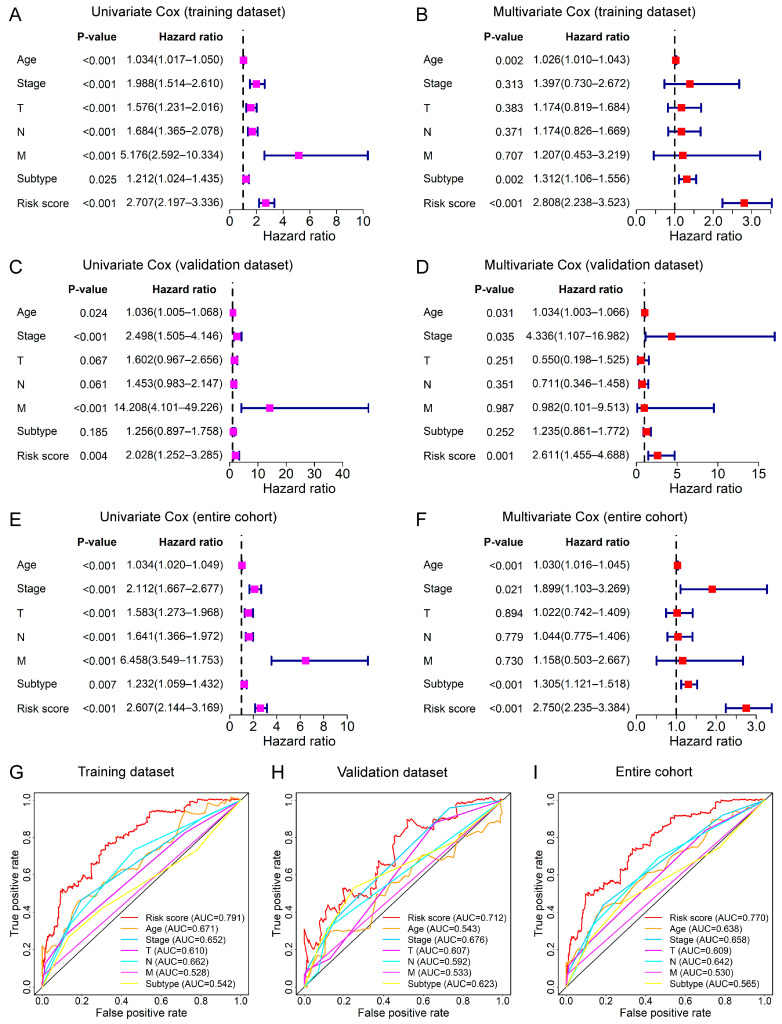
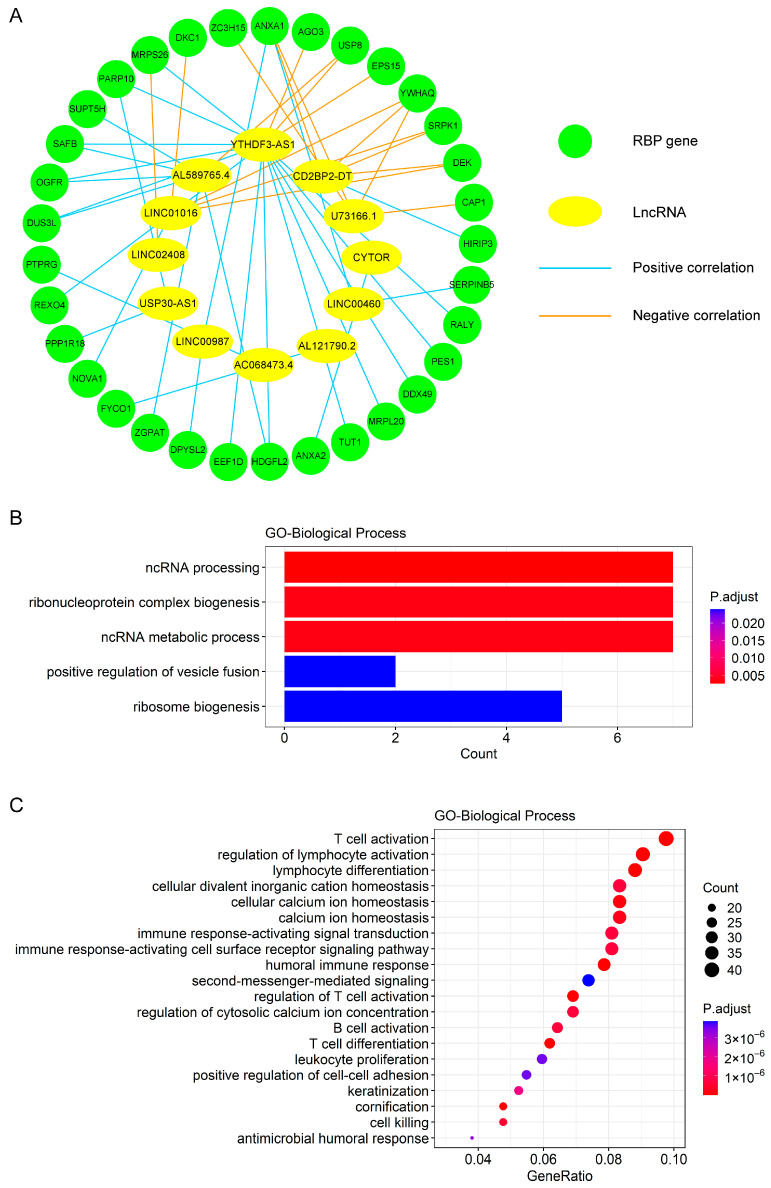
Long non-coding RNAs (lncRNAs) have been well known for their multiple functions in the tumorigenesis, development, and prognosis of breast cancer (BC). Mechanistically, their production, function, or stability can be regulated by RNA binding proteins (RBPs), which were also involved in the carcinogenesis and progression of BC. However, the roles and clinical implications of RBP-related lncRNAs in BC remain largely unknown. Therefore, we herein aim to construct a prognostic signature with RBP-relevant lncRNAs for the prognostic evaluation of BC patients. Firstly, based on the RNA sequencing data of female BC patients from The Cancer Genome Atlas (TCGA) database, we screened out 377 differentially expressed lncRNAs related to RBPs. The univariate, least absolute shrinkage and selection operator (LASSO), and multivariate Cox regression analyses were then performed to establish a prognostic signature composed of 12-RBP-related lncRNAs. Furthermore, we divided the BC patients into high- and low-risk groups by the prognostic signature and found the overall survival (OS) of patients in the high-risk group was significantly shorter than that of the low-risk group. Moreover, the 12-lncRNA signature exhibited independence in evaluating the prognosis of BC patients. Additionally, a functional enrichment analysis revealed that the prognostic signature was associated with some cancer-relevant pathways, including cell cycle and immunity. In summary, our 12-lncRNA signature may provide a theoretical reference for the prognostic evaluation or clinical treatment of BC patients.
长链非编码RNA(lncRNAs)因其在乳腺癌(BC)的肿瘤发生、发展和预后中的多种功能而广为人知。从机制上讲,它们的产生、功能或稳定性可由RNA结合蛋白(RBPs)调节,而RBPs也参与了BC的致癌作用和进展。然而,RBP相关lncRNAs在BC中的作用和临床意义仍 largely unknown。因此,我们在此旨在构建一个与RBP相关的lncRNAs的预后特征,用于BC患者的预后评估。首先,基于来自癌症基因组图谱(TCGA)数据库的女性BC患者的RNA测序数据,我们筛选出377个与RBPs相关的差异表达lncRNAs。然后进行单变量、最小绝对收缩和选择算子(LASSO)以及多变量Cox回归分析,以建立一个由12个RBP相关lncRNAs组成的预后特征。此外,我们根据预后特征将BC患者分为高风险组和低风险组,发现高风险组患者的总生存期(OS)明显短于低风险组。此外,12-lncRNA特征在评估BC患者预后方面表现出独立性。此外,功能富集分析表明,预后特征与一些癌症相关途径有关,包括细胞周期和免疫。总之,我们的12-lncRNA特征可能为BC患者的预后评估或临床治疗提供理论参考。 (注:原文中“largely unknown”未准确翻译完整,完整意思是“很大程度上未知” )