School of Public Health and Preventive Medicine, Monash University, Melbourne, VIC, 3004, Australia.
Diabetes and Vascular Medicine Unit, Monash Health, Clayton, VIC, 3168, Australia.
BMC Health Serv Res. 2022 Feb 24;22(1):255. doi: 10.1186/s12913-022-07652-9.
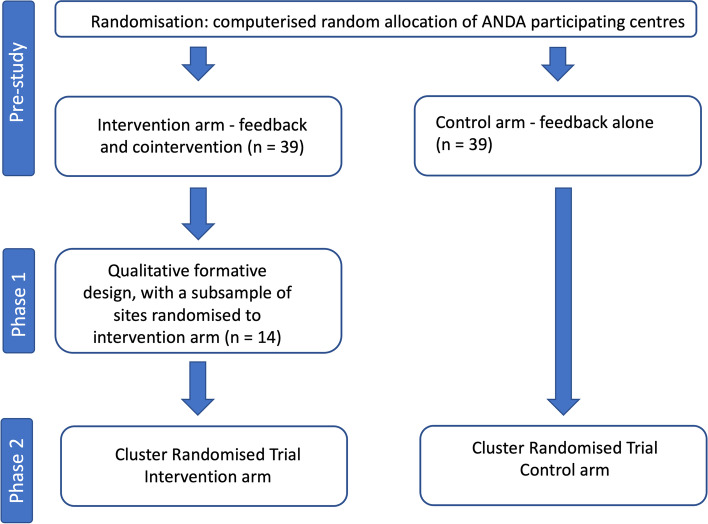
Diabetes has high burden on the health system and the individual, and many people living with diabetes struggle to optimally manage their condition. In Australia, people living with diabetes attend a mixture of primary, secondary and tertiary care centres. Many of these Diabetes Centres participate in the Australian National Diabetes Audit (ANDA), a quality improvement (QI) activity that collects clinical information (audit) and feeds back collated information to participating sites (feedback). Despite receiving this feedback, many process and care outcomes for Diabetes Centres continue to show room for improvement. The purpose of this qualitative study was to inform improvement of the ANDA feedback, identify the needs of those receiving feedback and elicit the barriers to and enablers of optimal feedback use.
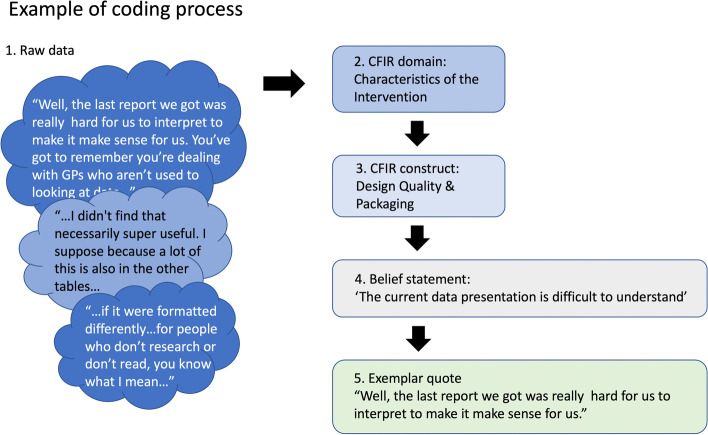
Semi-structured interviews were conducted with representatives of Australian Diabetes Centres, underpinned by the Consolidated Framework for Implementation Research (CFIR). De-identified transcripts were analysed thematically, underpinned by the domains and constructs of the CFIR.
Representatives from 14 Diabetes centres participated in this study, including a diverse range of staff typical of the Diabetes Centres who take part in ANDA. In general, participants wanted a shorter report with a more engaging, simplified data visualisation style. Identified barriers to use of feedback were time or resource constraints, as well as access to knowledge about how to use the data provided to inform the development of QI activities. Enablers included leadership engagement, peer mentoring and support, and external policy and incentives. Potential cointerventions to support use include exemplars from clinical change champions and peer leaders, and educational resources to help facilitate change.
This qualitative study supported our contention that the format of ANDA feedback presentation can be improved. Healthcare professionals suggested actionable changes to current feedback to optimise engagement and potential implementation of QI activities. These results will inform redesign of the ANDA feedback to consider the needs and preferences of end users and to provide feedback and other supportive cointerventions to improve care, and so health outcomes for people with diabetes. A subsequent cluster randomised trial will enable us to evaluate the impact of these changes.
糖尿病给医疗体系和个人带来了沉重负担,许多糖尿病患者在努力实现病情的最佳管理。在澳大利亚,糖尿病患者会在初级、二级和三级保健中心就诊。这些糖尿病中心中有许多参加了澳大利亚国家糖尿病审计(ANDA),这是一项质量改进(QI)活动,收集临床信息(审计)并将汇总信息反馈给参与的站点(反馈)。尽管收到了这些反馈,但许多糖尿病中心的流程和护理结果仍有改进的空间。本定性研究旨在为改进 ANDA 反馈提供信息,确定接收反馈的人员的需求,并确定影响最佳反馈使用的障碍和促进因素。
采用半结构式访谈,对澳大利亚糖尿病中心的代表进行了访谈,访谈的基础是实施研究综合框架(CFIR)。对去识别的转录本进行了主题分析,分析的基础是 CFIR 的领域和结构。
来自 14 个糖尿病中心的代表参加了这项研究,其中包括参加 ANDA 的糖尿病中心的各种典型工作人员。一般来说,参与者希望报告更短,数据可视化风格更吸引人、更简化。使用反馈的障碍包括时间或资源限制,以及获取有关如何使用提供的数据来为 QI 活动的发展提供信息的知识。促进因素包括领导参与、同行指导和支持,以及外部政策和激励措施。潜在的联合干预措施包括临床变革推动者和同行领导者的范例,以及帮助促进变革的教育资源。
这项定性研究支持了我们的观点,即 ANDA 反馈呈现的格式可以改进。医疗保健专业人员提出了对当前反馈的可行更改,以优化参与度和潜在的 QI 活动的实施。这些结果将为重新设计 ANDA 反馈提供信息,以考虑最终用户的需求和偏好,并提供反馈和其他支持性的联合干预措施,以改善糖尿病患者的护理和健康结果。随后的一项集群随机试验将使我们能够评估这些变化的影响。