WHO Collaborating Centre for Infectious Disease Epidemiology and Control, School of Public Health, Li Ka Shing Faculty of Medicine, The University of Hong Kong, Hong Kong Special Administrative Region, Hong Kong, China.
Laboratory of Data Discovery for Health Limited (D24H), Hong Kong Science and Technology Park, Hong Kong Special Administrative Region, Hong Kong, China.
Nat Med. 2022 May;28(5):934-938. doi: 10.1038/s41591-022-01736-z. Epub 2022 Feb 24.
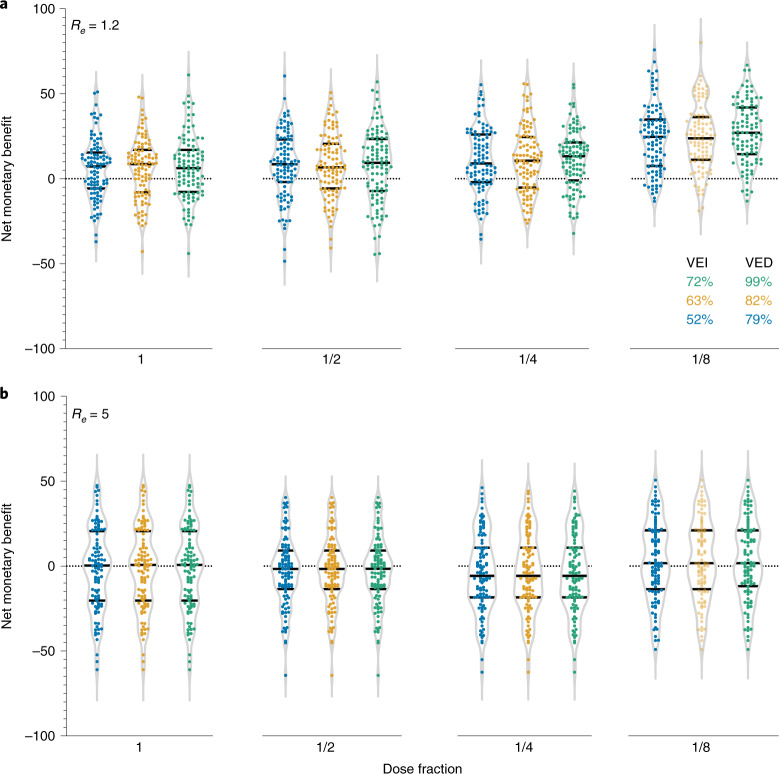
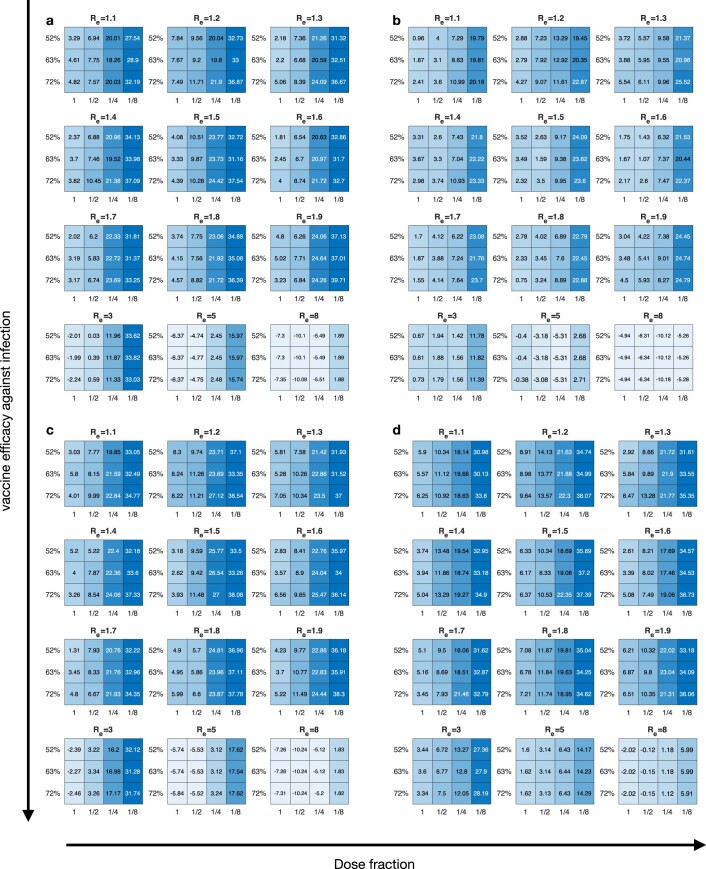
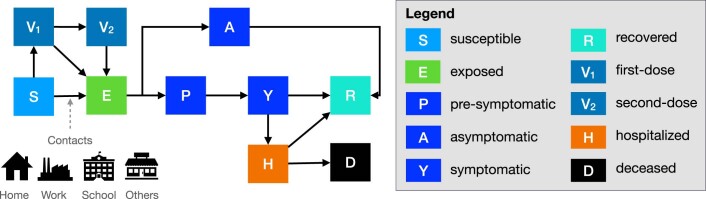
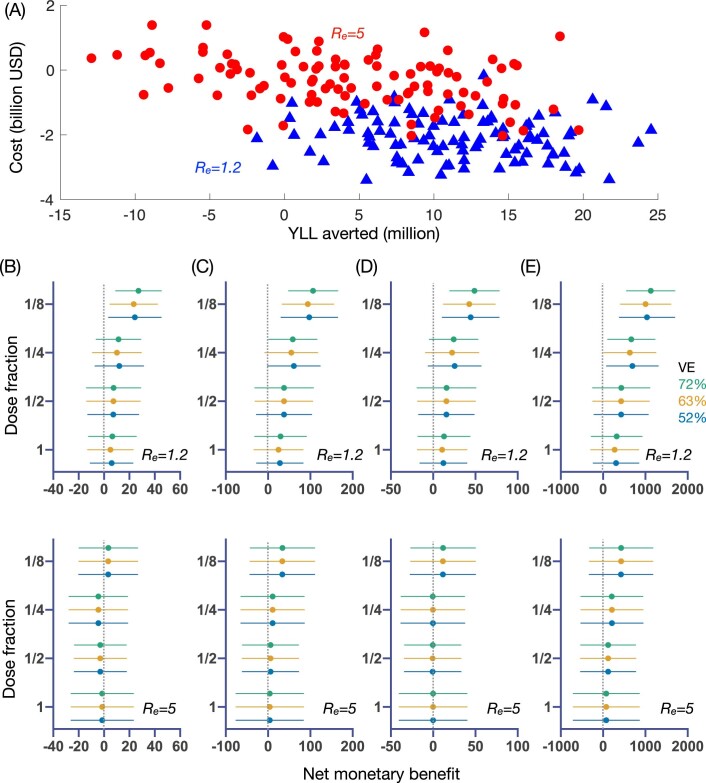
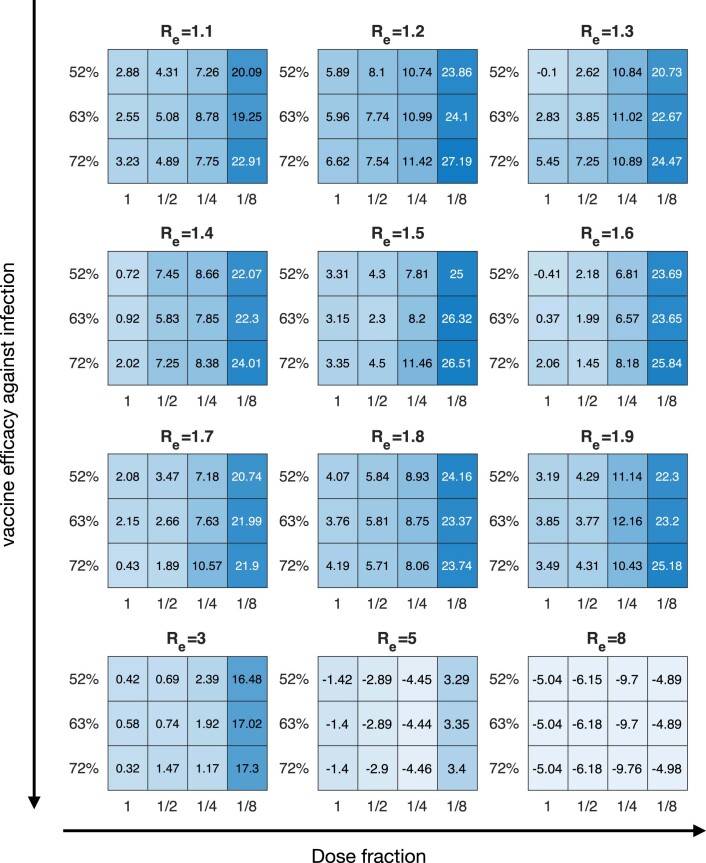
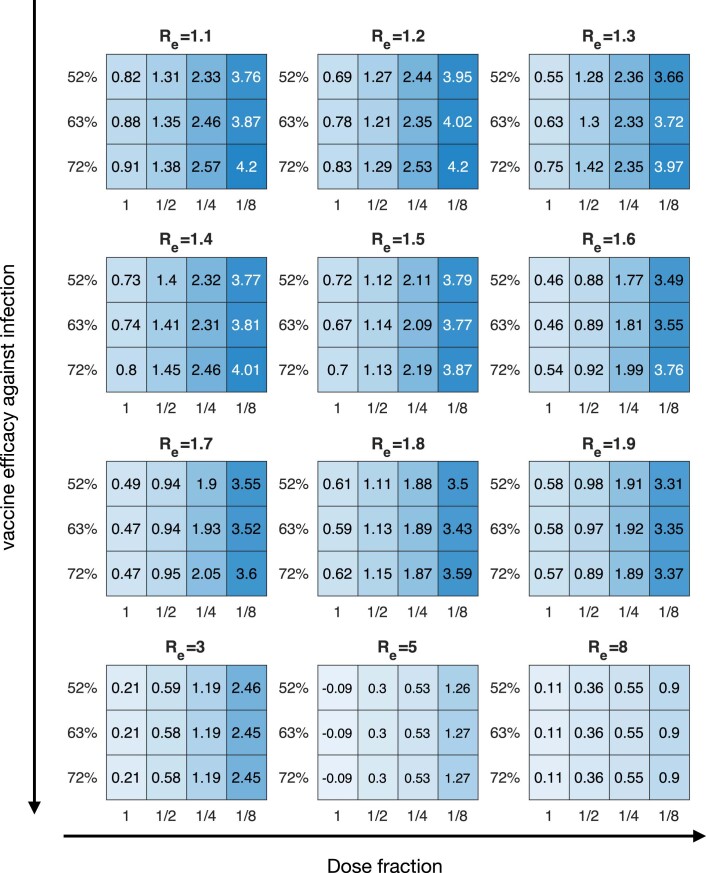
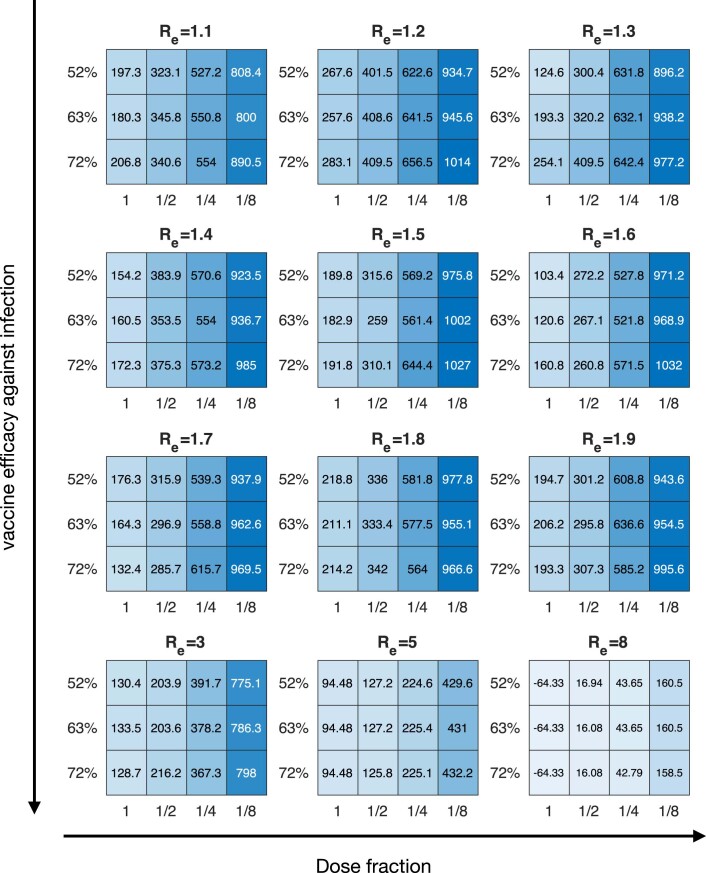
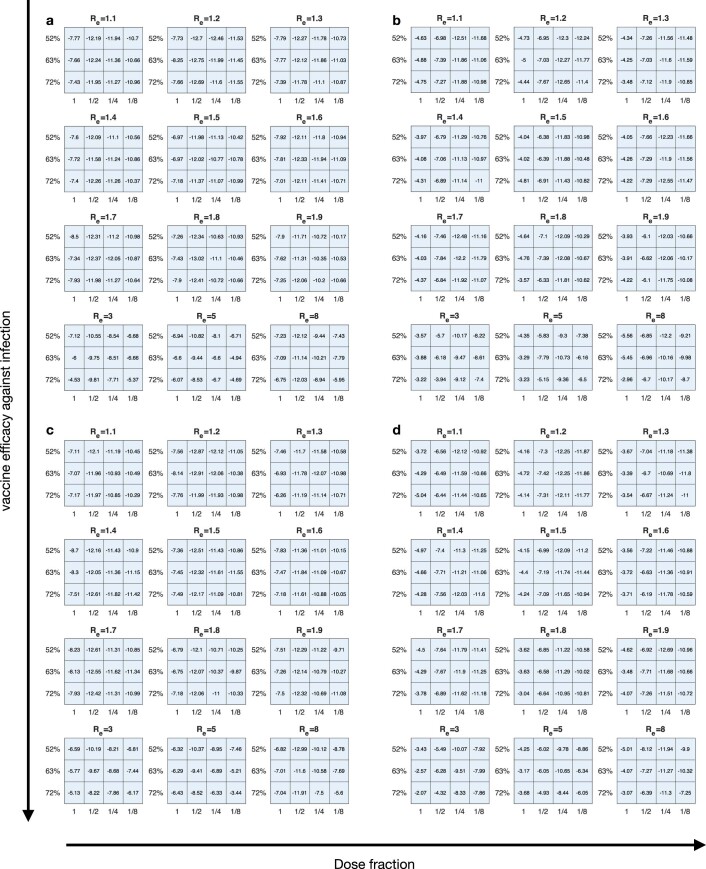
Given global Coronavirus Disease 2019 (COVID-19) vaccine shortages and inequity of vaccine distributions, fractionation of vaccine doses might be an effective strategy for reducing public health and economic burden, notwithstanding the emergence of new variants of concern. In this study, we developed a multi-scale model incorporating population-level transmission and individual-level vaccination to estimate the costs of hospitalization and vaccination and the economic benefits of reducing COVID-19 deaths due to dose-fractionation strategies in India. We used large-scale survey data of the willingness to pay together with data of vaccine and hospital admission costs to build the model. We found that fractional doses of vaccines could be an economically viable vaccination strategy compared to alternatives of either full-dose vaccination or no vaccination. Dose-sparing strategies could save a large number of lives, even with the emergence of new variants with higher transmissibility.
鉴于全球 2019 年冠状病毒病(COVID-19)疫苗短缺和疫苗分配不均,疫苗剂量分割可能是减轻公共卫生和经济负担的有效策略,尽管出现了令人关注的新变体。在这项研究中,我们开发了一个多尺度模型,该模型结合了人群层面的传播和个体层面的疫苗接种,以估算由于印度采用剂量分割策略而减少 COVID-19 死亡所带来的住院和疫苗接种成本以及经济效益。我们使用了大规模的支付意愿调查数据以及疫苗和住院费用数据来构建模型。我们发现,与全剂量接种或不接种相比,疫苗剂量分割可能是一种经济可行的接种策略。即使出现了传染性更高的新变体,节约剂量的策略也可以挽救大量生命。