Department of Molecular, Cellular, and Developmental Biology, University of Michigan, Ann Arbor, MI, USA.
Nat Rev Microbiol. 2022 Aug;20(8):465-477. doi: 10.1038/s41579-022-00694-0. Epub 2022 Feb 24.
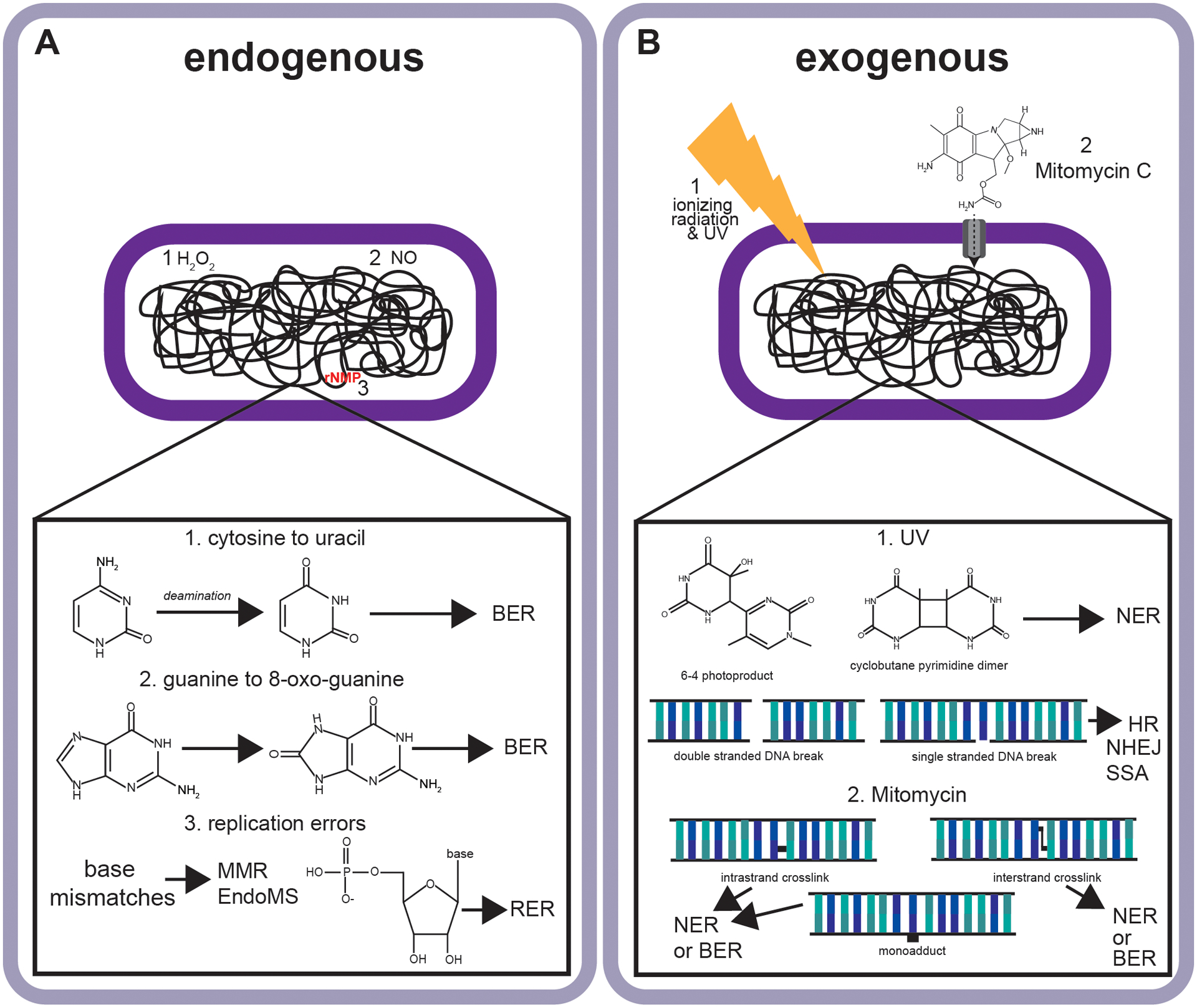
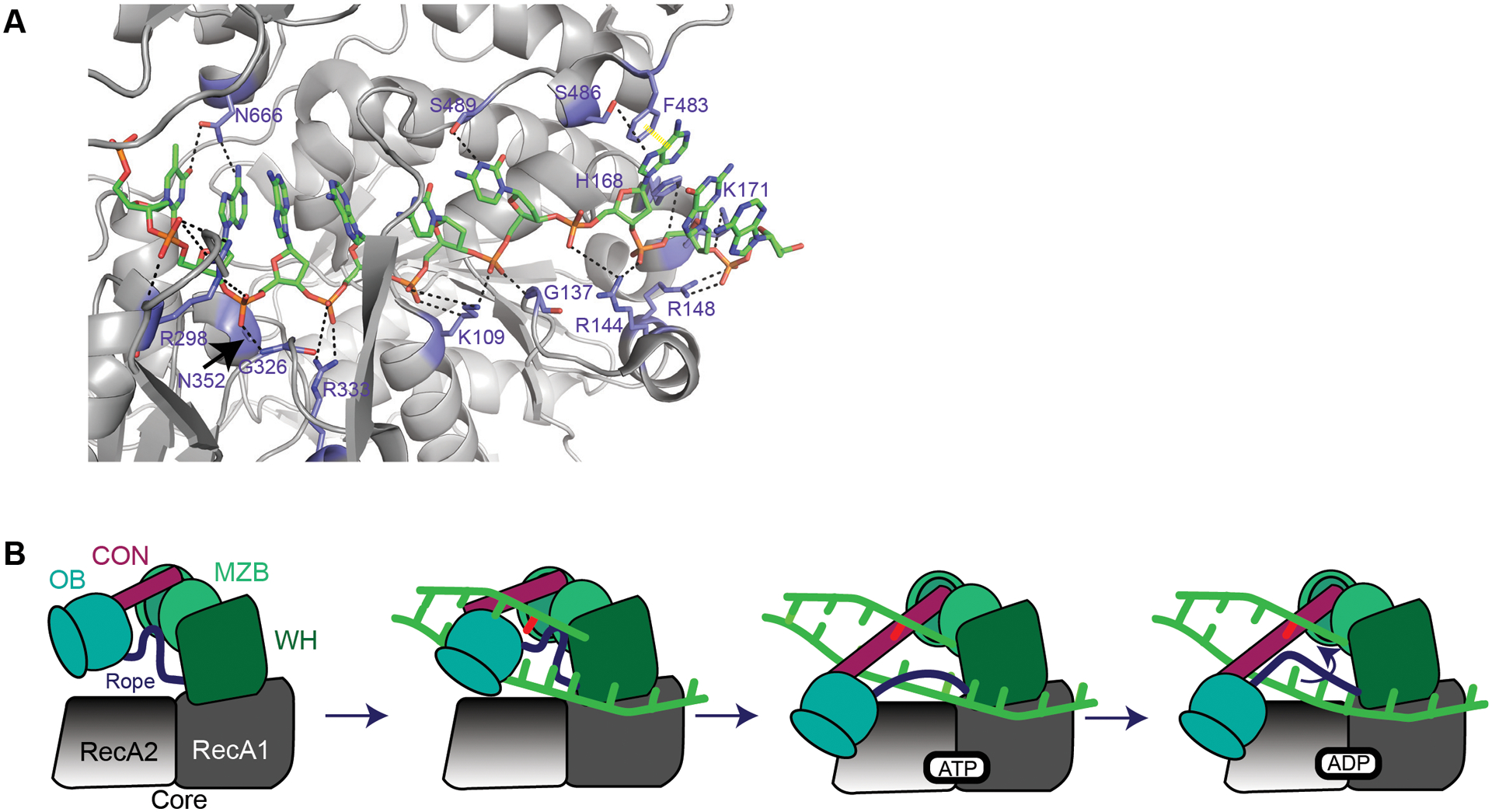
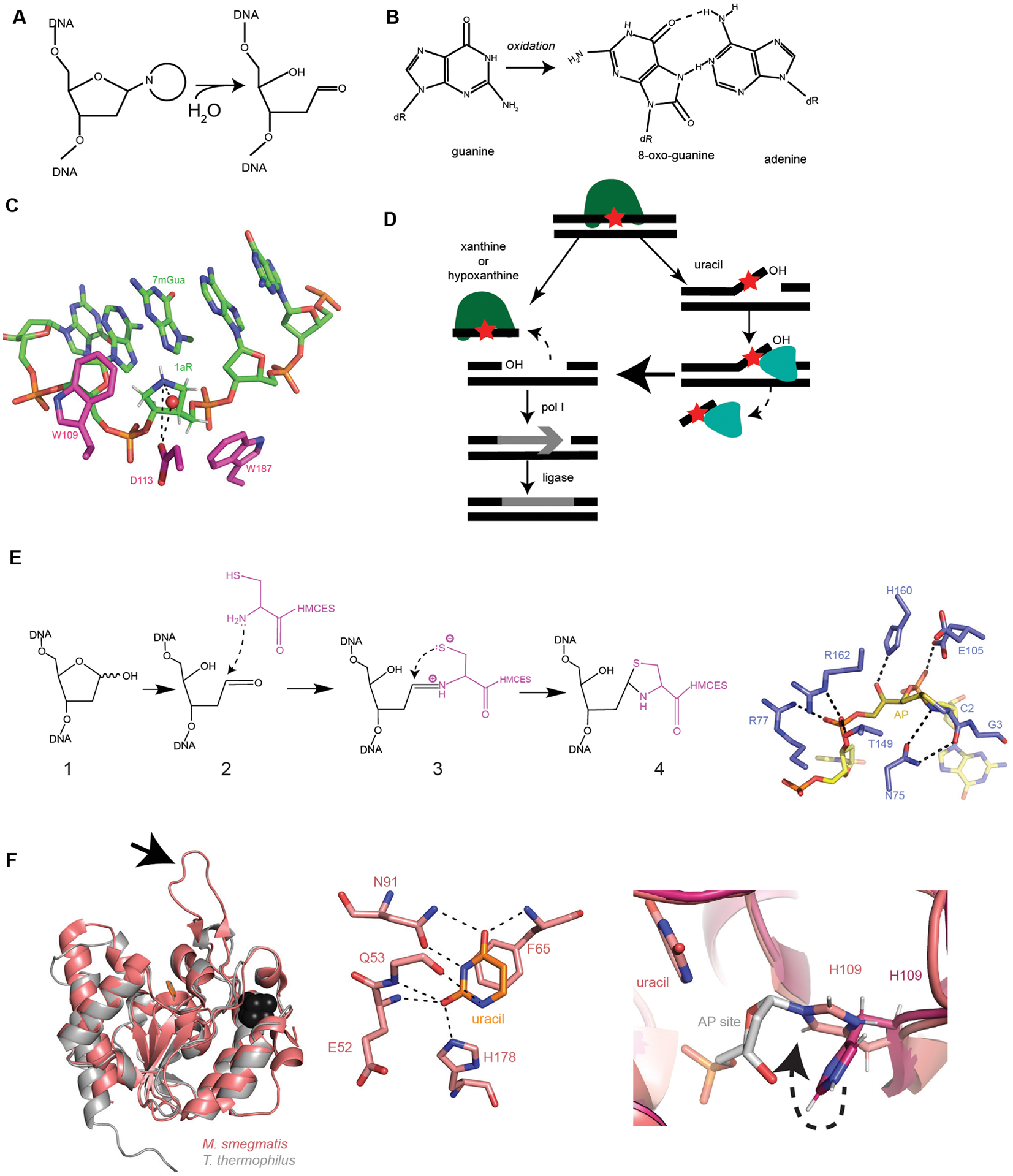
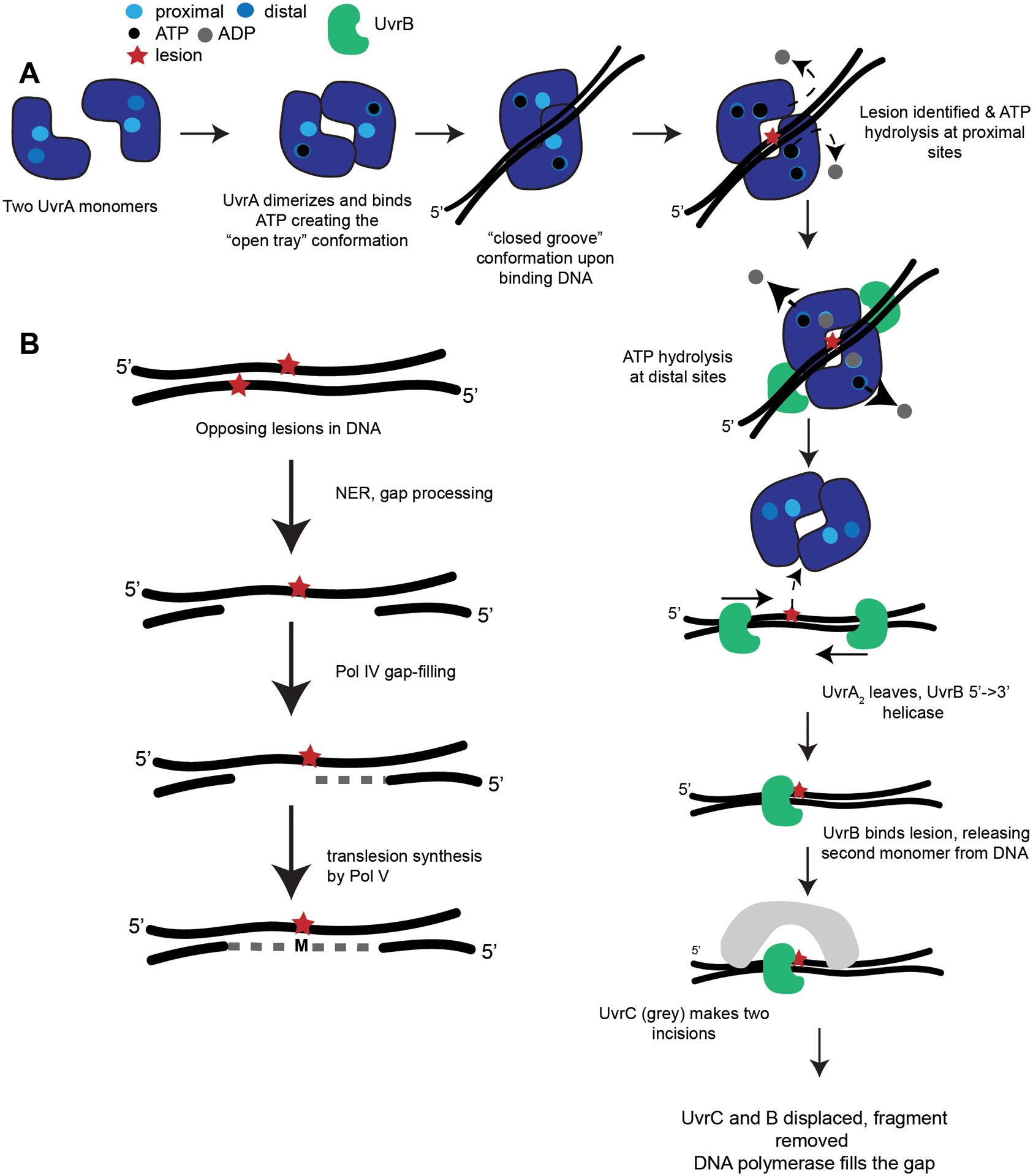
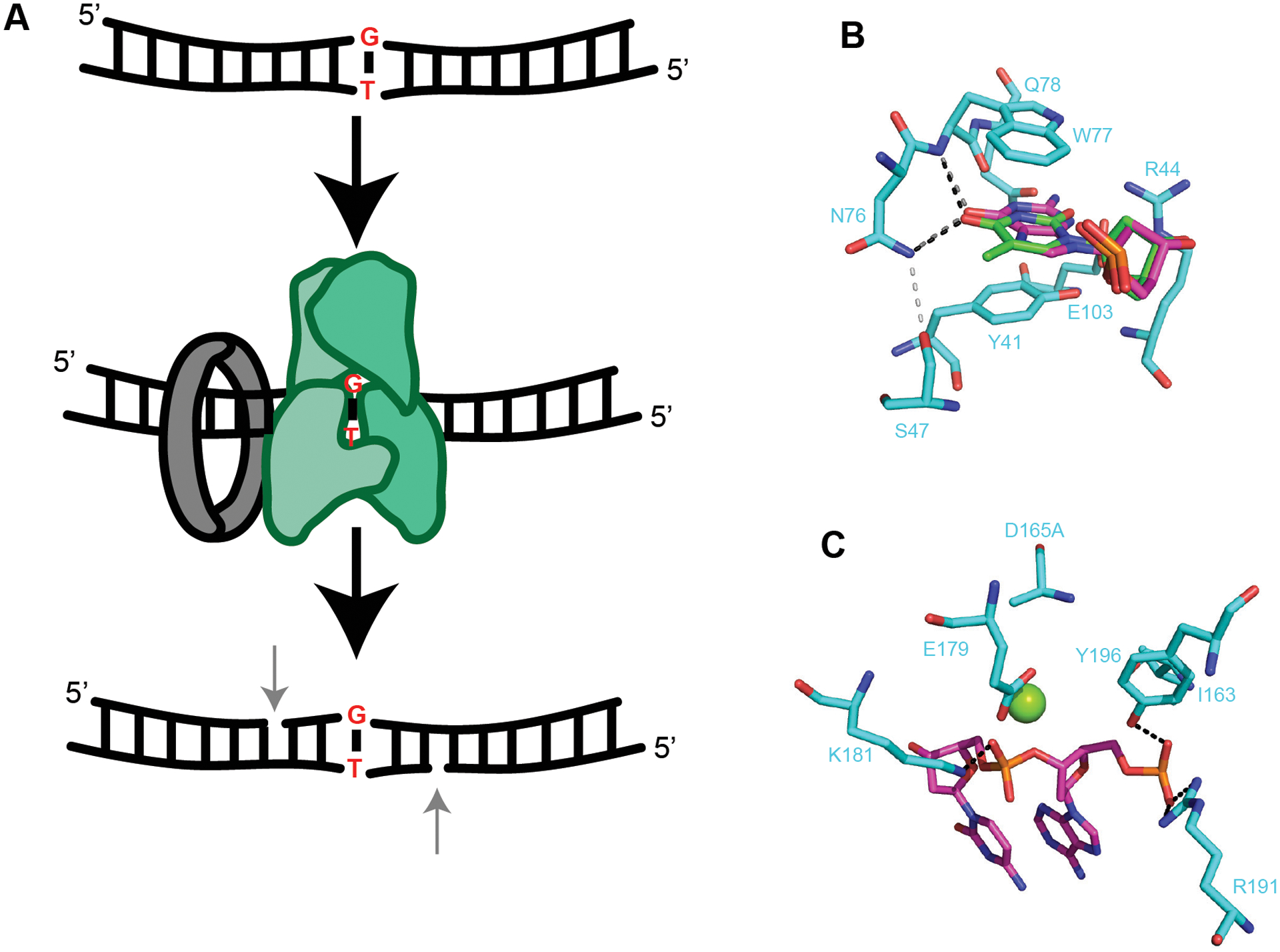
Bacteria are continuously exposed to numerous endogenous and exogenous DNA-damaging agents. To maintain genome integrity and ensure cell survival, bacteria have evolved several DNA repair pathways to correct different types of DNA damage and non-canonical bases, including strand breaks, nucleotide modifications, cross-links, mismatches and ribonucleotide incorporations. Recent advances in genome-wide screens, the availability of thousands of whole-genome sequences and advances in structural biology have enabled the rapid discovery and characterization of novel bacterial DNA repair pathways and new enzymatic activities. In this Review, we discuss recent advances in our understanding of base excision repair and nucleotide excision repair, and we discuss several new repair processes including the EndoMS mismatch correction pathway and the MrfAB excision repair system.
细菌不断暴露于众多内源性和外源性的 DNA 损伤剂中。为了维持基因组完整性并确保细胞存活,细菌已经进化出几种 DNA 修复途径来纠正不同类型的 DNA 损伤和非规范碱基,包括链断裂、核苷酸修饰、交联、错配和核糖核苷酸掺入。全基因组筛选的最新进展、数千个全基因组序列的可用性以及结构生物学的进步,使人们能够快速发现和鉴定新型细菌 DNA 修复途径和新的酶活性。在这篇综述中,我们讨论了我们对碱基切除修复和核苷酸切除修复的理解的最新进展,并讨论了包括 EndoMS 错配修复途径和 MrfAB 切除修复系统在内的几个新的修复过程。