Division of Medical Genetics, Department of Specialized Medicine, McGill University, Montreal, Canada.
Department of Human Genetics, McGill University, Montreal, QC, Canada.
Cerebellum. 2023 Apr;22(2):206-222. doi: 10.1007/s12311-022-01379-3. Epub 2022 Feb 26.
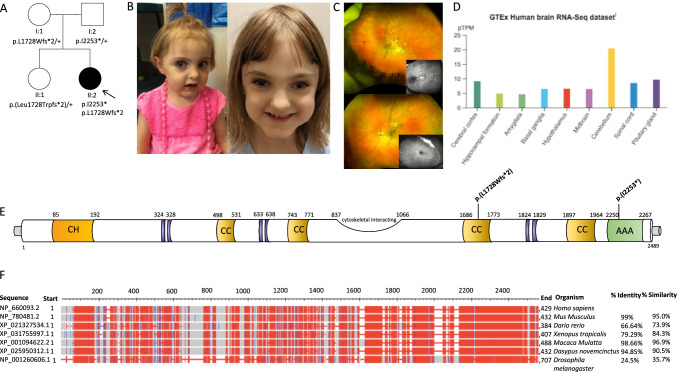
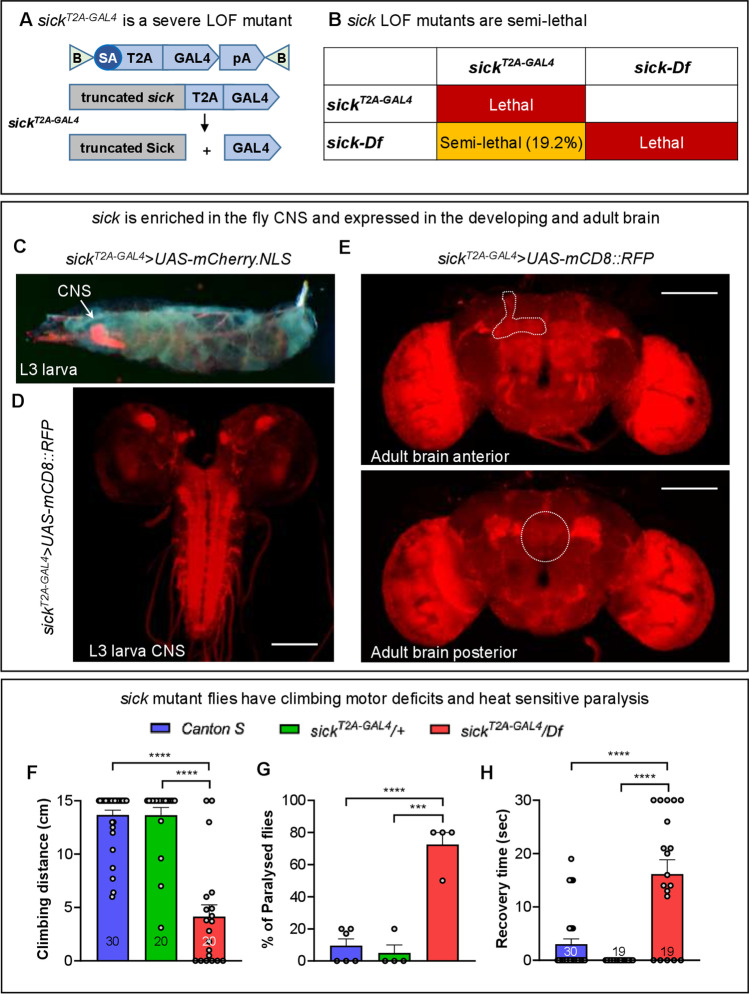
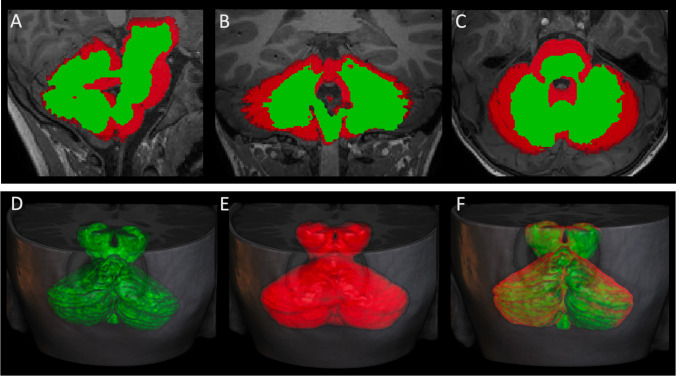
Cerebellar hypoplasia and dysplasia encompass a group of clinically and genetically heterogeneous disorders frequently associated with neurodevelopmental impairment. The Neuron Navigator 2 (NAV2) gene (MIM: 607,026) encodes a member of the Neuron Navigator protein family, widely expressed within the central nervous system (CNS), and particularly abundant in the developing cerebellum. Evidence across different species supports a pivotal function of NAV2 in cytoskeletal dynamics and neurite outgrowth. Specifically, deficiency of Nav2 in mice leads to cerebellar hypoplasia with abnormal foliation due to impaired axonal outgrowth. However, little is known about the involvement of the NAV2 gene in human disease phenotypes. In this study, we identified a female affected with neurodevelopmental impairment and a complex brain and cardiac malformations in which clinical exome sequencing led to the identification of NAV2 biallelic truncating variants. Through protein expression analysis and cell migration assay in patient-derived fibroblasts, we provide evidence linking NAV2 deficiency to cellular migration deficits. In model organisms, the overall CNS histopathology of the Nav2 hypomorphic mouse revealed developmental anomalies including cerebellar hypoplasia and dysplasia, corpus callosum hypo-dysgenesis, and agenesis of the olfactory bulbs. Lastly, we show that the NAV2 ortholog in Drosophila, sickie (sick) is widely expressed in the fly brain, and sick mutants are mostly lethal with surviving escapers showing neurobehavioral phenotypes. In summary, our results unveil a novel human neurodevelopmental disorder due to genetic loss of NAV2, highlighting a critical conserved role of the NAV2 gene in brain and cerebellar development across species.
小脑发育不良和发育不良包括一组临床上和遗传上异质性的疾病,常与神经发育障碍有关。神经元导航器 2(NAV2)基因(MIM:607,026)编码神经元导航蛋白家族的一个成员,广泛表达于中枢神经系统(CNS),特别是在发育中的小脑。不同物种的证据支持 NAV2 在细胞骨架动力学和神经突生长中的关键作用。具体来说,小鼠中 Nav2 的缺乏导致小脑发育不良,由于轴突生长受损,出现异常的叶片形成。然而,关于 NAV2 基因在人类疾病表型中的参与知之甚少。在这项研究中,我们鉴定了一名受影响的女性,患有神经发育障碍和复杂的脑和心脏畸形,临床外显子组测序导致鉴定出 NAV2 双等位基因截断变体。通过对患者来源的成纤维细胞进行蛋白表达分析和细胞迁移实验,我们提供了证据,将 NAV2 缺乏与细胞迁移缺陷联系起来。在模式生物中,Nav2 功能降低型小鼠的中枢神经系统整体组织病理学显示出发育异常,包括小脑发育不良和发育不良、胼胝体发育不良、嗅球缺失。最后,我们表明果蝇中的 NAV2 同源物 sickie(sick)在果蝇大脑中广泛表达,sick 突变体大多是致命的,幸存的逃逸者表现出神经行为表型。总之,我们的研究结果揭示了一种由于 NAV2 遗传缺失导致的新型人类神经发育障碍,强调了 NAV2 基因在物种间大脑和小脑发育中的关键保守作用。