Aurealis Therapeutics, Kuopio, Finland.
PLoS One. 2022 Feb 28;17(2):e0264775. doi: 10.1371/journal.pone.0264775. eCollection 2022.
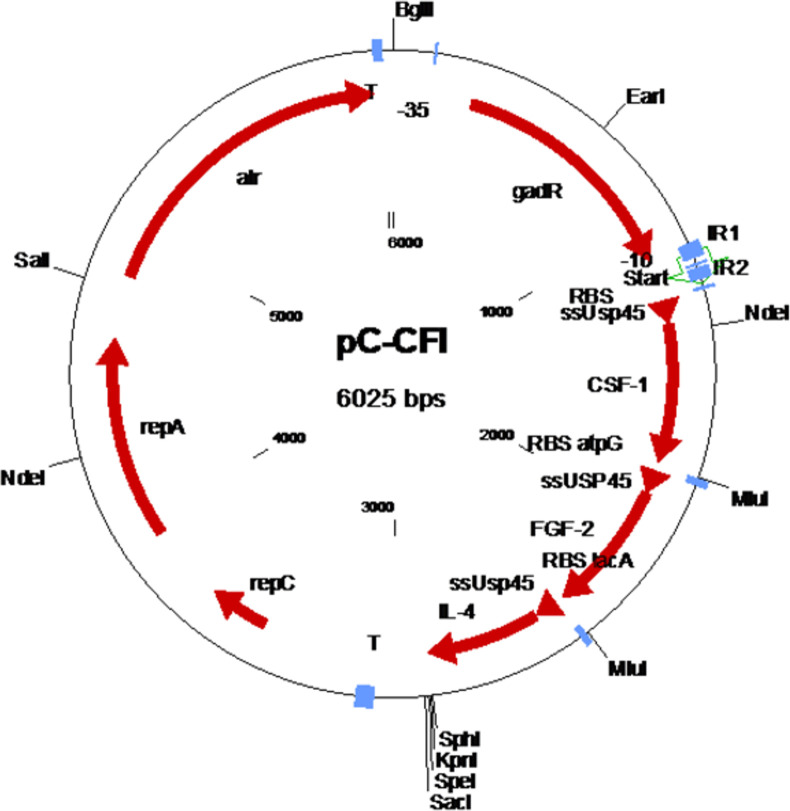
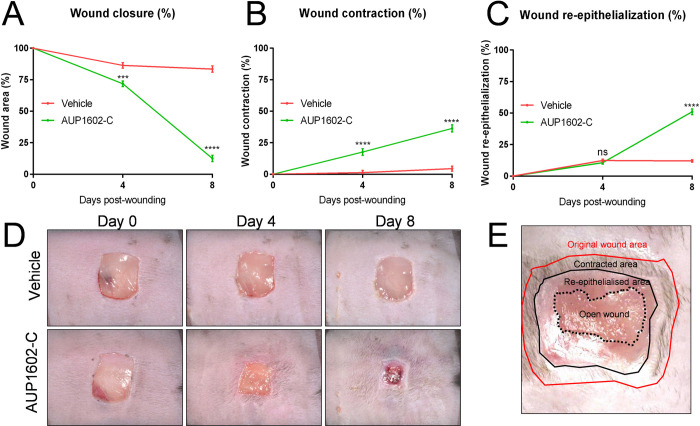
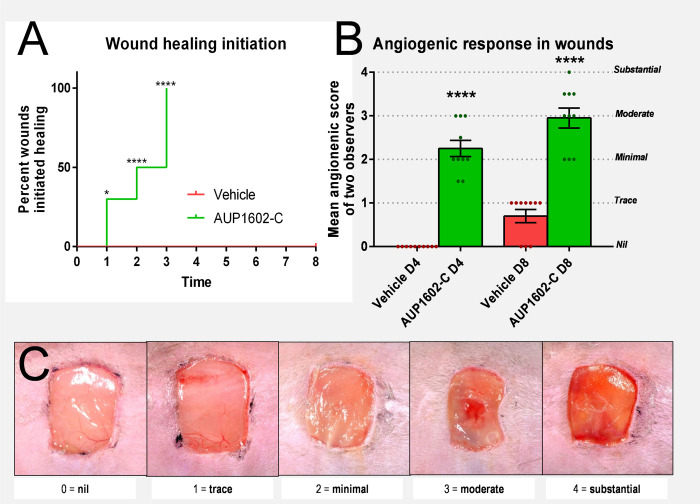
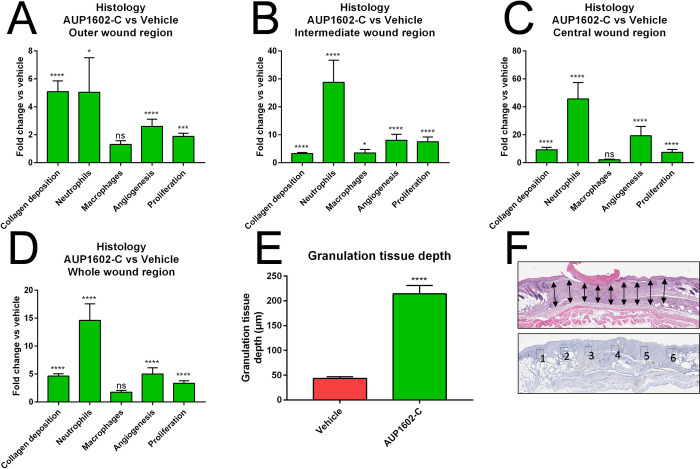
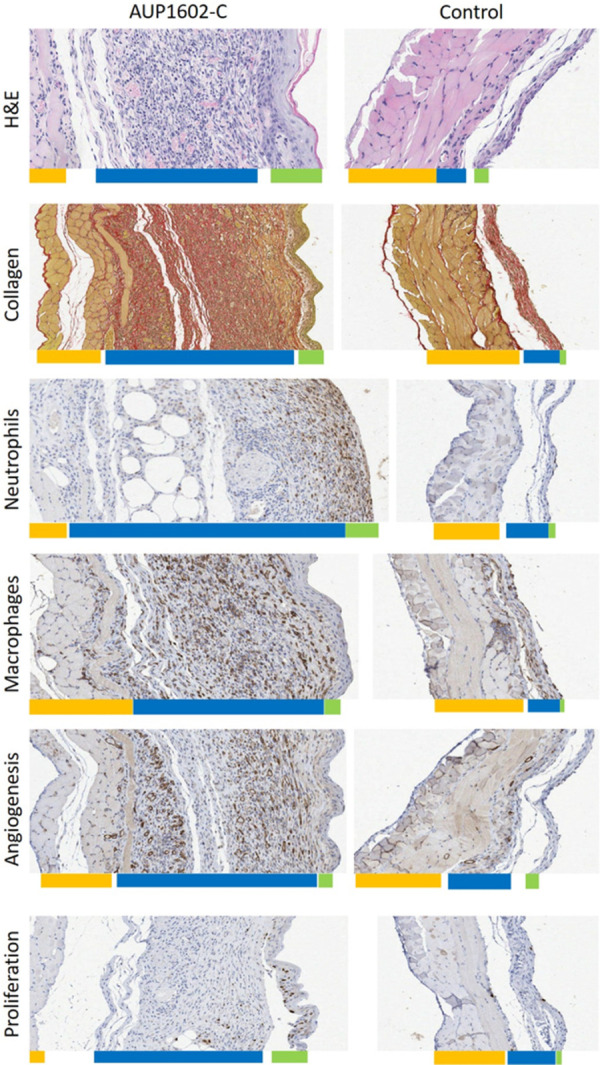
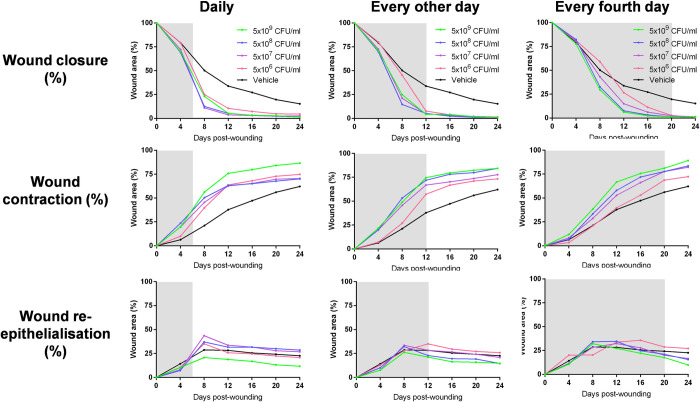
Diabetes mellitus is one of the major concerns for health care systems, affecting 382 million people worldwide. Among the different complications of diabetes, lower limbs chronic ulceration is a common, severe and costly cause of morbidity. Diabetic foot ulcers are a leading cause of hospitalization in diabetic patients and its rate exceed the ones of congestive heart failure, depression or renal disease. Diabetic non-healing ulcers account for more than 60% of all non-traumatic lower limb amputations and the five-year mortality after amputation is higher than 50%, being equal to several types of advanced cancer. The primary management goals for an existing diabetic foot ulcer are to achieve primary healing as expeditiously as possible and to achieve a reduction of the amputation rate in the patients. Unfortunately, approximately a quarter of patients do not partially or fully respond to the standard of care. Advanced therapies for chronic wounds are existing, however, recent guidelines including the latest reviews and meta-analyses of the scientific and clinical evidence available from current treatment strategies and new therapeutic agents revealed that there is a lack of clinical data and persistent gap of evidence for many of the advanced therapeutic approaches. In addition, no pharmacological wound healing product has gained authority approval for more than 10 years in both US and EU, constituting a highly unmet medical need. In this publication we present data from a live biopharmaceutical product AUP1602-C designed as a single pharmaceutical entity based on the non-pathogenic, food-grade lactic acid bacterium Lactococcus lactis subsp. cremoris that has been genetically engineered to produce human fibroblast growth factor 2,interleukin4 and colony stimulating factor 1. Designed to address different aspects of wound healing (i.e. fibroblast proliferation, angiogenesis and immune cell activation) and currently in phase I clinical study, we show how the combination of the individual components on the wound micro-environment initiates and improves the wound healing in chronic wounds.
糖尿病是医疗保健系统关注的主要问题之一,影响着全球 3.82 亿人。在糖尿病的各种并发症中,下肢慢性溃疡是一种常见的、严重的和高成本的发病原因。糖尿病足溃疡是糖尿病患者住院的主要原因,其发病率超过充血性心力衰竭、抑郁症或肾病。糖尿病不愈合溃疡占所有非创伤性下肢截肢的 60%以上,截肢后五年死亡率高于 50%,与几种晚期癌症相当。现有糖尿病足溃疡的主要管理目标是尽快实现初次愈合,并降低患者的截肢率。不幸的是,大约四分之一的患者对标准治疗没有部分或完全反应。现有的慢性伤口高级治疗方法,但最近的指南,包括对现有治疗策略和新治疗药物的科学和临床证据的最新审查和荟萃分析,显示出许多高级治疗方法缺乏临床数据和持续的证据差距。此外,在过去 10 年中,没有一种药理学的伤口愈合产品在美国和欧盟获得权威批准,这构成了一个高度未满足的医疗需求。在本出版物中,我们展示了一种名为 AUP1602-C 的生物制药产品的数据,该产品设计为基于非致病性、食品级乳酸乳球菌乳亚种的单一药物实体,经过基因工程改造后可产生人成纤维细胞生长因子 2、白细胞介素 4 和集落刺激因子 1。该产品旨在解决伤口愈合的不同方面(即成纤维细胞增殖、血管生成和免疫细胞激活),目前正在进行 I 期临床试验,我们展示了单个成分在伤口微环境中的组合如何启动和改善慢性伤口的愈合。