Division of Engineering in Medicine, Department of Medicine, Brigham and Women's Hospital, Harvard Medical School, Cambridge, MA 02139, United States of America.
Immunology and Immuno-bioengineering Group, School of Life Science, Faculty of Medicine and Health Sciences, University of Nottingham, Nottingham NG7 2RD, United Kingdom.
Biofabrication. 2022 Mar 11;14(2). doi: 10.1088/1758-5090/ac5936.
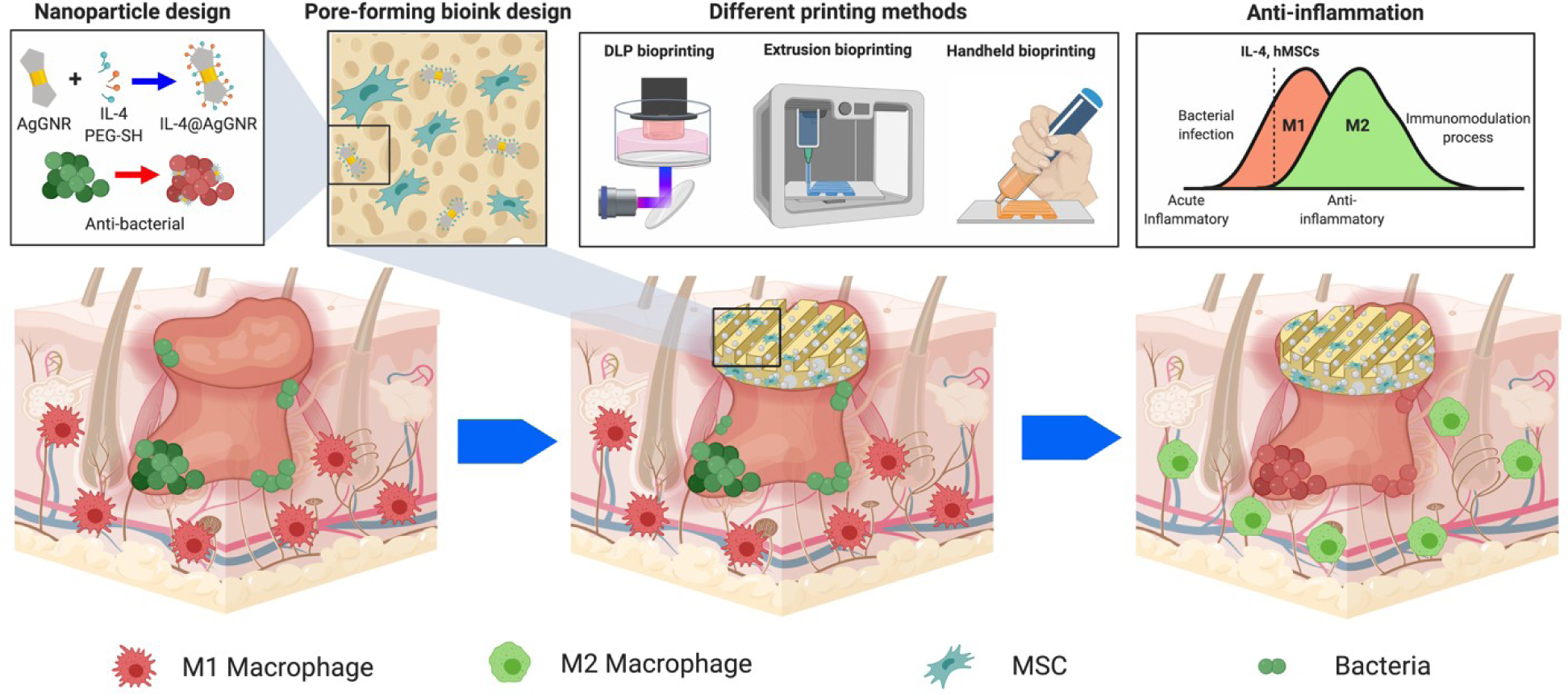
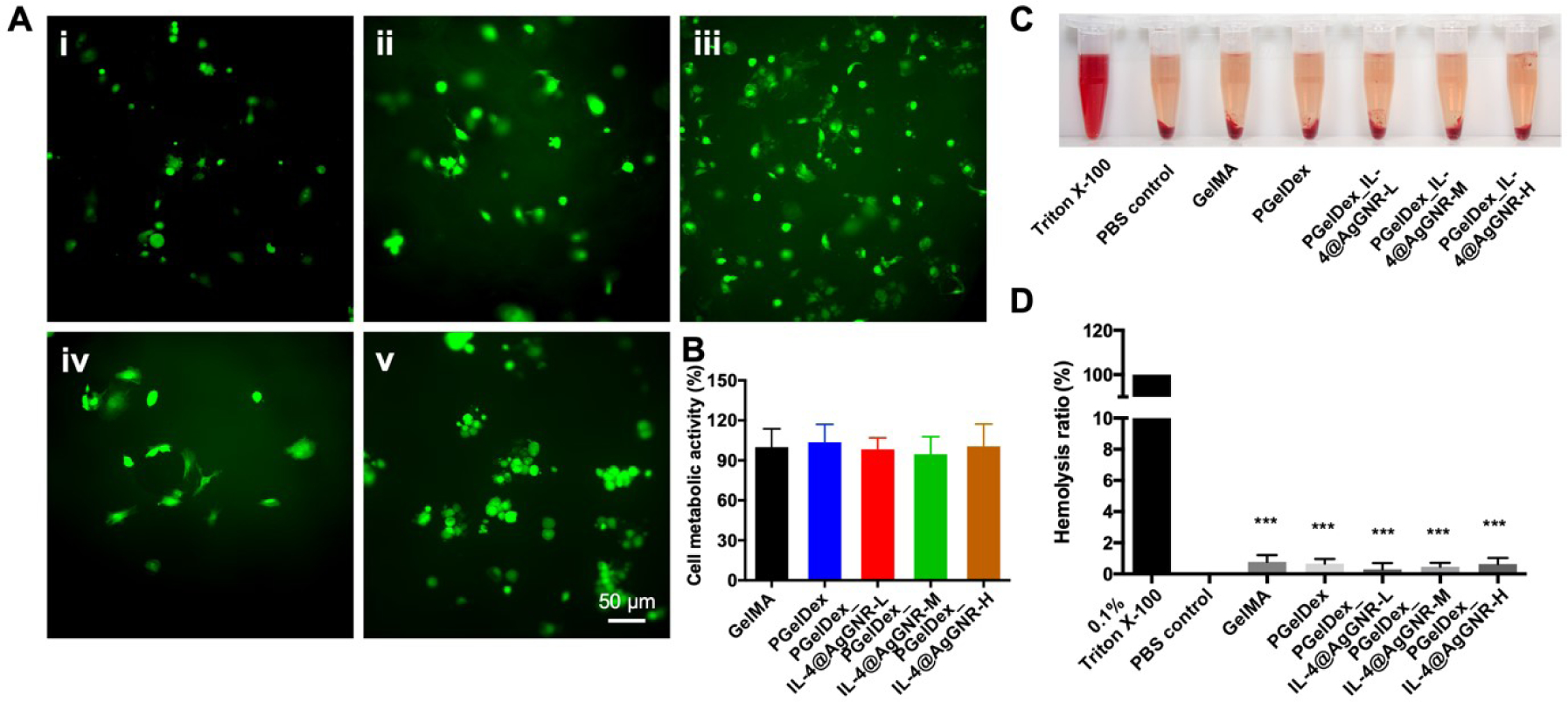
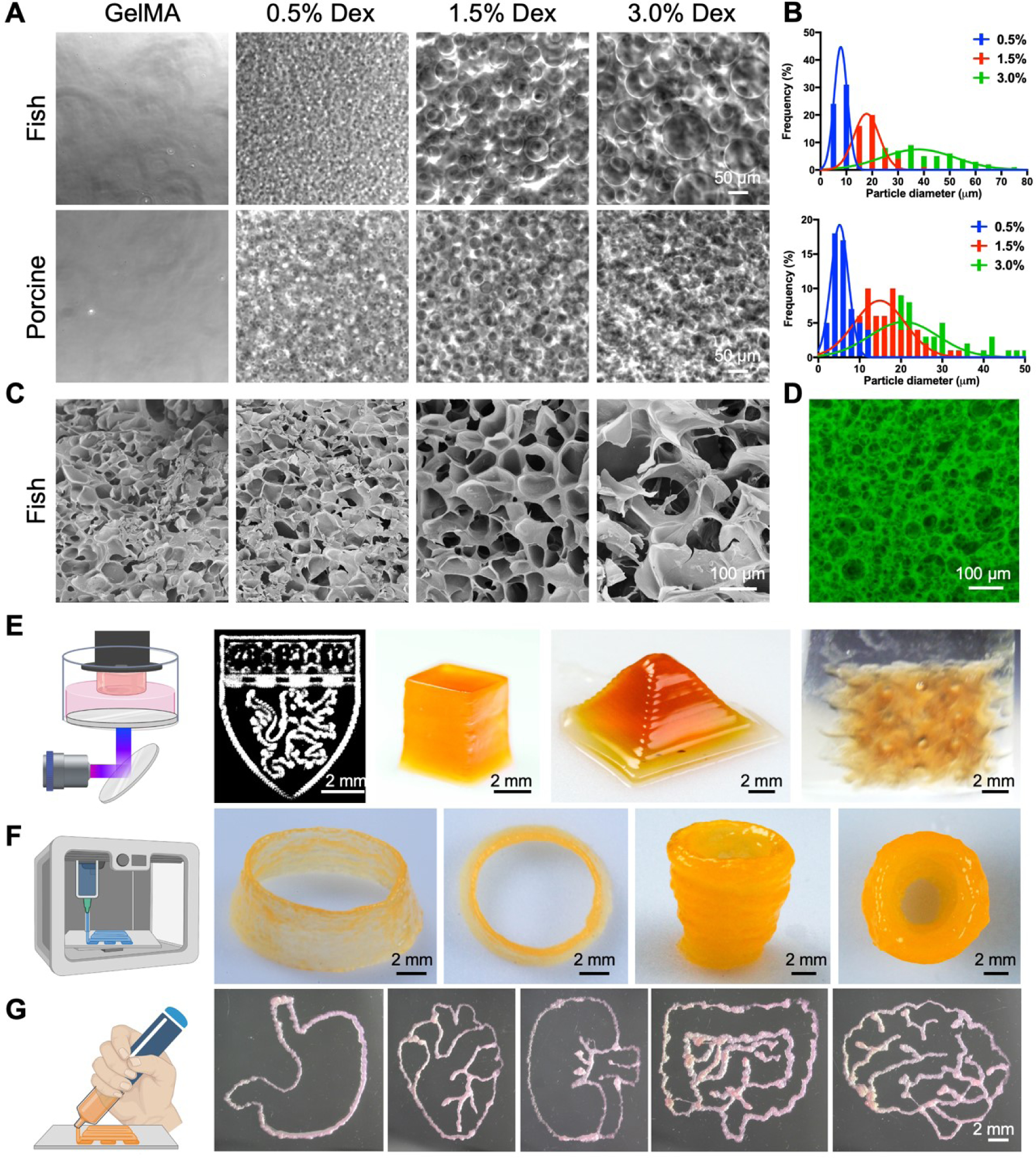
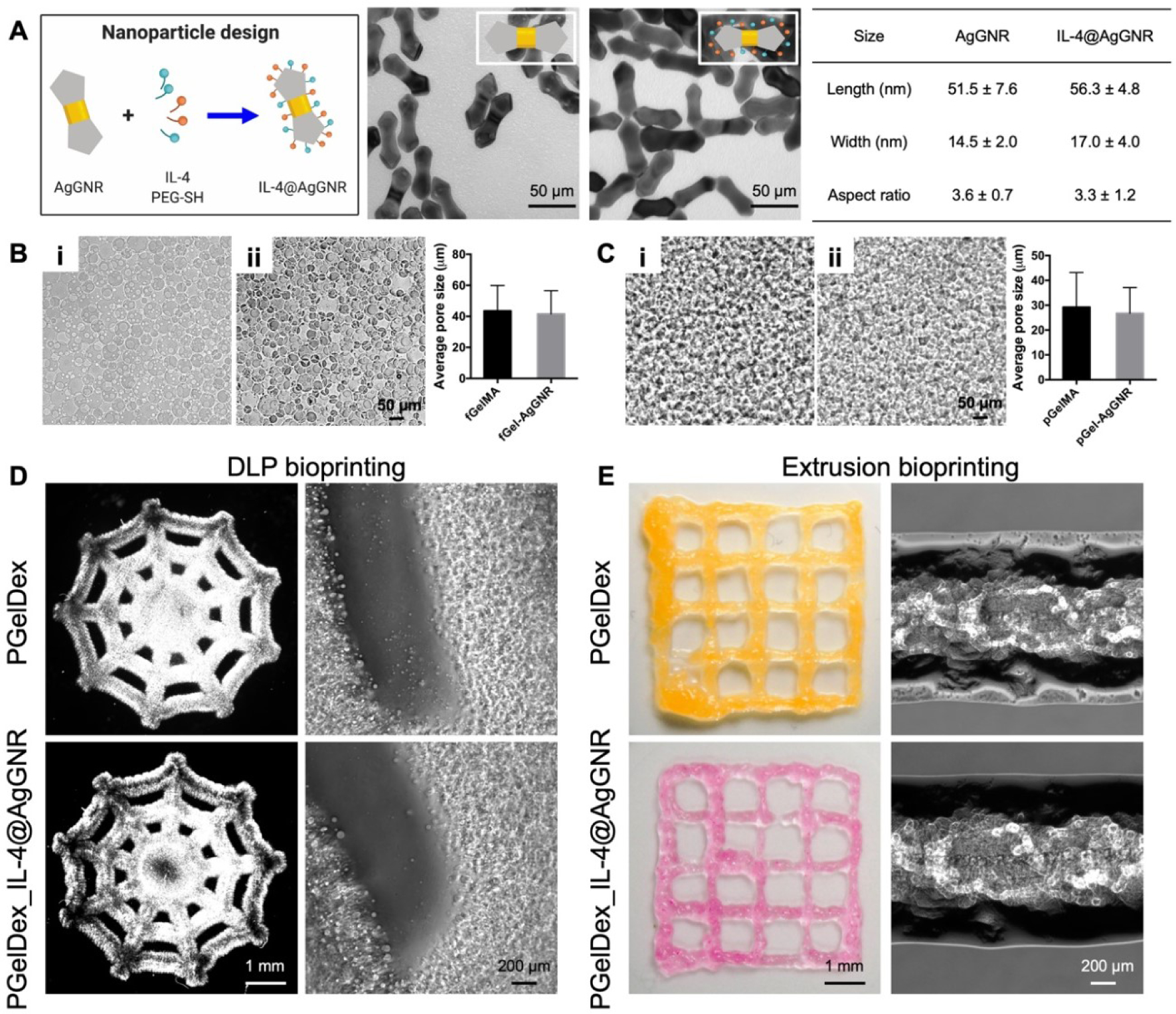
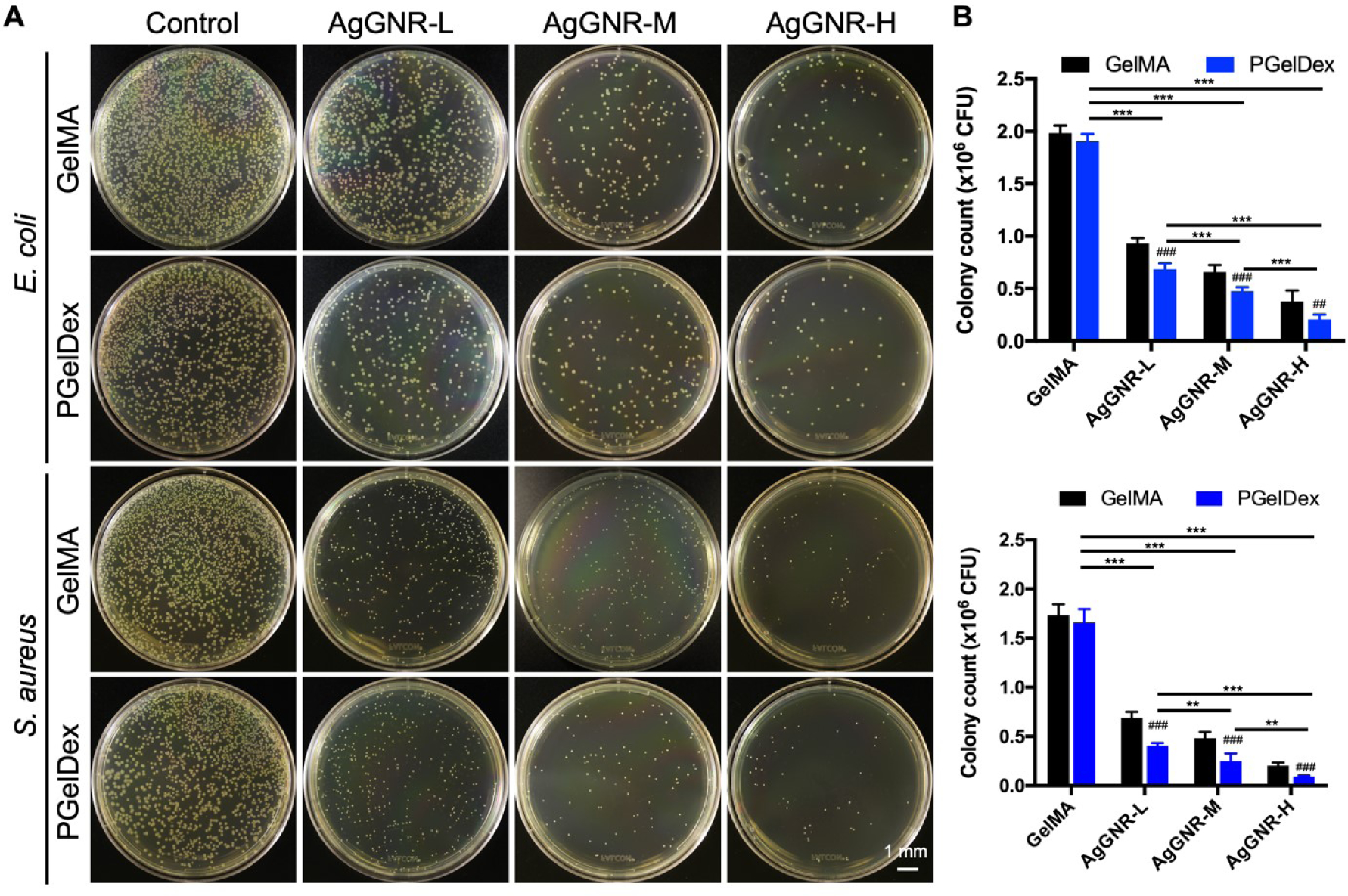
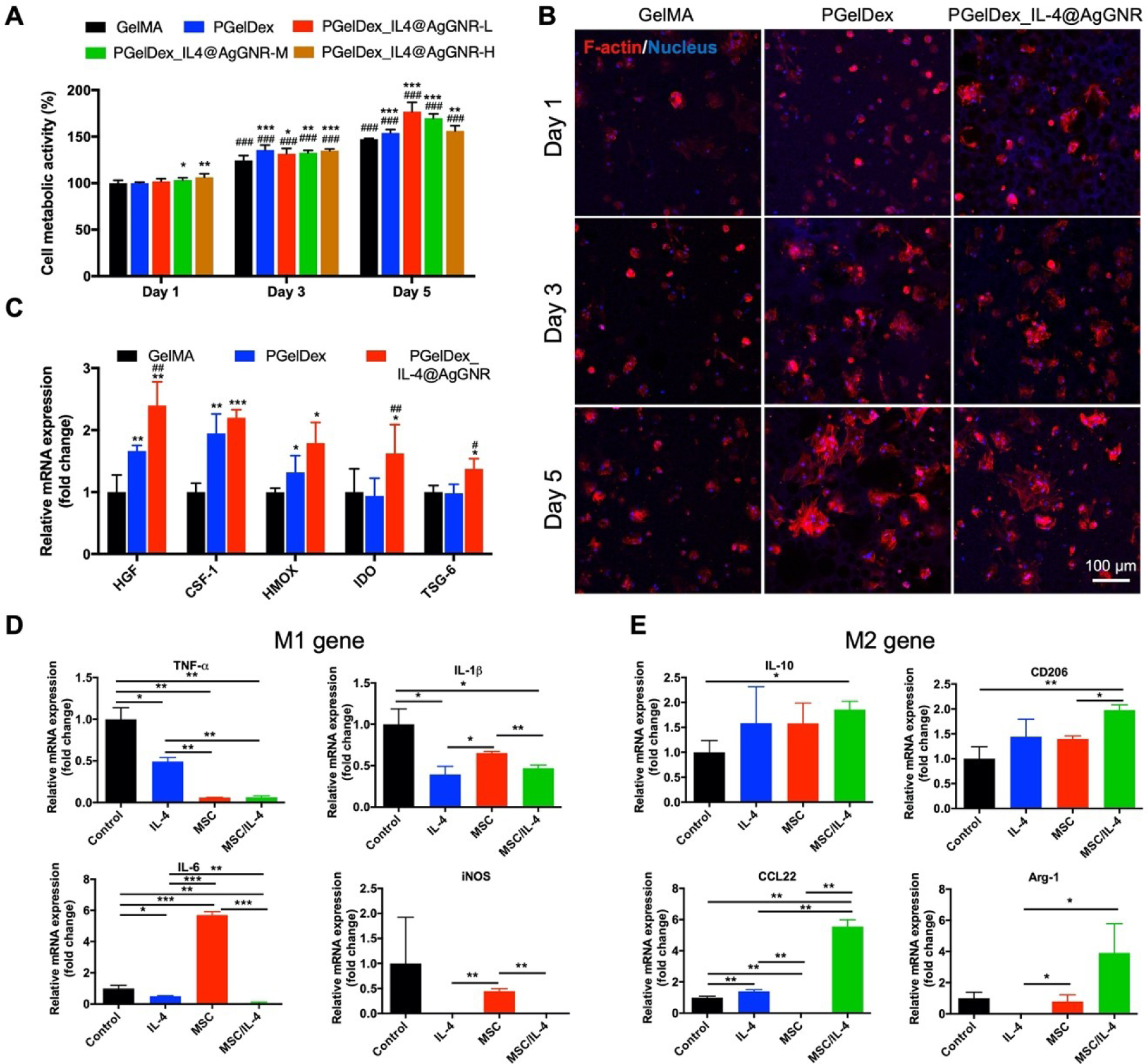
Three-dimensional (3D) bioprinting has emerged as an enabling tool for various biomedical applications, such as tissue regeneration and tissue model engineering. To this end, the development of bioinks with multiple functions plays a crucial role in the applications of 3D bioprinting technologies. In this study, we propose a new bioink based on two immiscible aqueous phases of gelatin methacryloyl (GelMA) and dextran, further endowed with anti-bacterial and anti-inflammatory properties. This micropore-forming GelMA-dextran (PGelDex) bioink exhibited excellent printability with vat-polymerization, extrusion, and handheld bioprinting methods. The porous structure was confirmed after bioprinting, which promoted the spreading of the encapsulated cells, exhibiting the exceptional cytocompatibility of this bioink formulation. To extend the applications of such a micropore-forming bioink, interleukin-4 (IL-4)-loaded silver-coated gold nanorods (AgGNRs) and human mesenchymal stem cells (MSCs) were simultaneously incorporated, to display synergistic anti-infection behavior and immunomodulatory function. The results revealed the anti-bacterial properties of the AgGNR-loaded PGelDex bioink for both Gram-negative and Gram-positive bacteria. The data also indicated that the presence of IL-4 and MSCs facilitated macrophage M2-phenotype differentiation, suggesting the potential anti-inflammatory feature of the bioink. Overall, this unique anti-bacterial and immunomodulatory micropore-forming bioink offers an effective strategy for the inhibition of bacterial-induced infections as well as the ability of immune-regulation, which is a promising candidate for broadened tissue bioprinting applications.
三维(3D)生物打印已成为各种生物医学应用的一种使能工具,例如组织再生和组织模型工程。为此,具有多种功能的生物墨水的开发在 3D 生物打印技术的应用中起着至关重要的作用。在本研究中,我们提出了一种基于明胶甲基丙烯酰(GelMA)和葡聚糖两种不混溶水相的新型生物墨水,进一步赋予其抗菌和抗炎特性。这种形成微孔的 GelMA-葡聚糖(PGelDex)生物墨水具有出色的打印性能,可通过 vat 聚合、挤出和手持生物打印方法进行打印。生物打印后确认了多孔结构,促进了封装细胞的扩散,展示了这种生物墨水配方的出色细胞相容性。为了扩展这种微孔形成生物墨水的应用范围,同时掺入负载白细胞介素 4(IL-4)的银包金纳米棒(AgGNRs)和人骨髓间充质干细胞(MSCs),以显示协同抗感染行为和免疫调节功能。结果表明,负载 AgGNR 的 PGelDex 生物墨水对革兰氏阴性和革兰氏阳性菌均具有抗菌性能。数据还表明,IL-4 和 MSCs 的存在促进了巨噬细胞 M2 表型分化,表明生物墨水具有潜在的抗炎特性。总体而言,这种独特的抗菌和免疫调节微孔形成生物墨水为抑制细菌诱导的感染提供了一种有效的策略,并且具有免疫调节能力,是拓宽组织生物打印应用的有前途的候选物。