Tang Minghui, Yamamoto Toru
Department of Diagnostic Imaging, Faculty of Medicine and Graduate School of Medicine, Hokkaido University.
Division of Biomedical Engineering and Science, Faculty of Health Sciences, Hokkaido University.
Magn Reson Med Sci. 2023 Jan 1;22(1):7-25. doi: 10.2463/mrms.rev.2021-0047. Epub 2022 Feb 26.
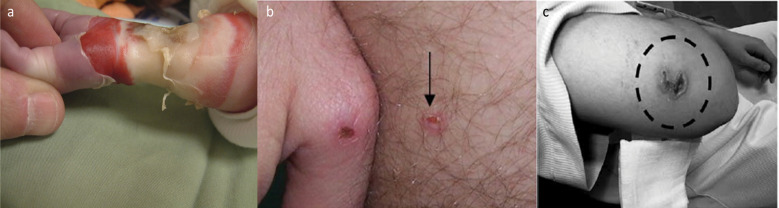
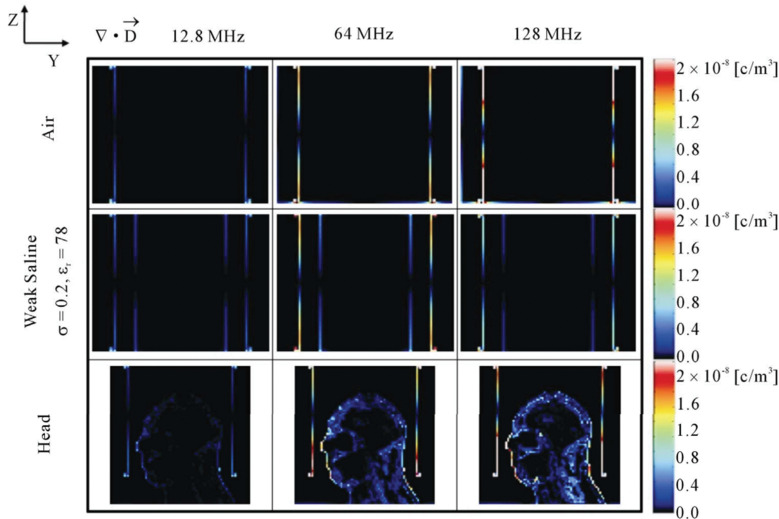
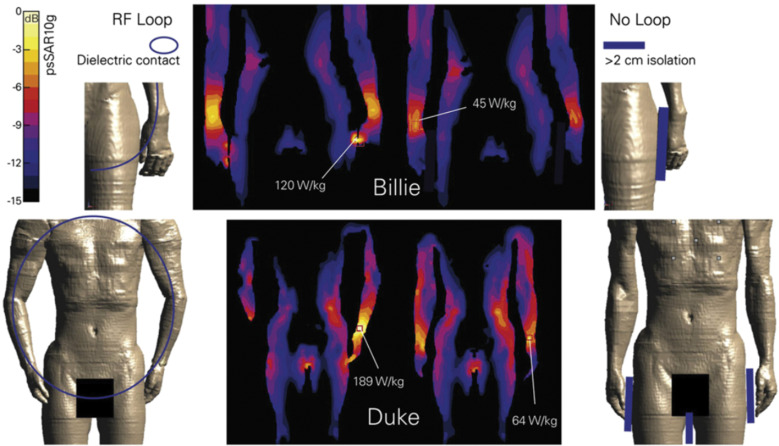
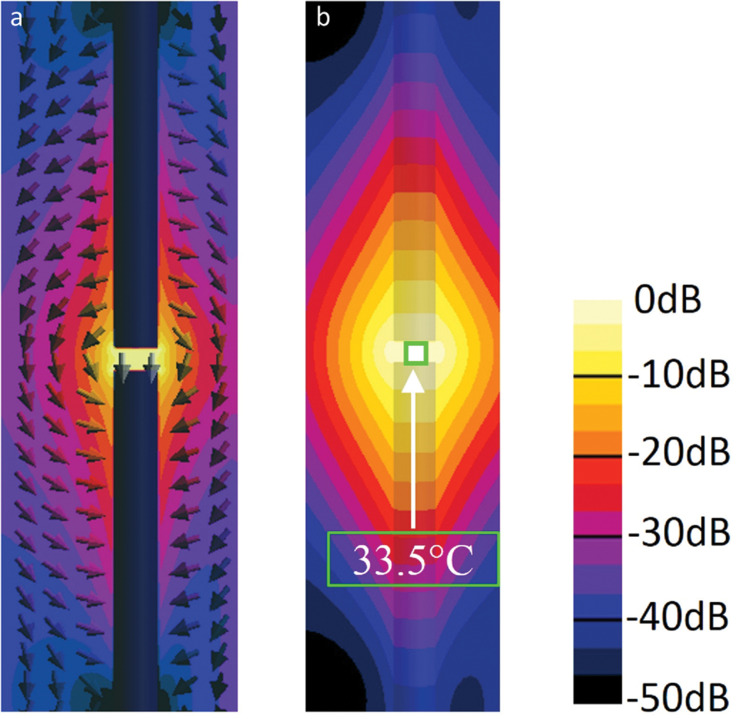
RF electromagnetic wave exposure during MRI scans induces heat and occasionally causes burn injuries to patients. Among all the types of physical injuries that have occurred during MRI examinations, RF burn injuries are the most common ones. The number of RF burn injuries increases as the static magnetic field of MRI systems increases because higher RFs lead to higher heating. The commonly believed mechanisms of RF burn injuries are the formation of a conductive loop by the patient's posture or cables, such as an electrocardiogram lead; however, the mechanisms of RF burn injuries that occur at the contact points, such as the bore wall and the elbow, remain unclear. A comprehensive understanding of RF heating is needed to address effective countermeasures against all RF burn injuries for safe MRI examinations. In this review, we summarize the occurrence of RF burn injury cases by categorizing RF burn injuries reported worldwide in recent decades. Safety standards and regulations governing RF heating that occurs during MRI examinations are presented, along with their theoretical and physiological backgrounds. The experimental assessment techniques for RF heating are then reviewed, and the development of numerical simulation techniques is explained. In addition, a comprehensive theoretical interpretation of RF burn injuries is presented. By including the results of recent experimental and numerical simulation studies on RF heating, this review describes the progress achieved in understanding RF heating from the standpoint of MRI burn injury prevention.
磁共振成像(MRI)扫描期间暴露于射频电磁波会产生热量,偶尔还会导致患者烧伤。在MRI检查过程中发生的所有身体损伤类型中,射频烧伤最为常见。随着MRI系统静磁场强度的增加,射频烧伤的数量也会增加,因为更高的射频会导致更高的发热。人们普遍认为,射频烧伤的机制是患者的姿势或电缆(如心电图导联)形成了一个导电回路;然而,在诸如孔壁和肘部等接触点发生的射频烧伤机制仍不清楚。为了采取有效的对策来预防所有射频烧伤,以确保MRI检查的安全,需要全面了解射频加热情况。在这篇综述中,我们通过对近几十年来全球报道的射频烧伤病例进行分类,总结了射频烧伤病例的发生情况。介绍了MRI检查期间射频加热的安全标准和法规,以及它们的理论和生理背景。接着回顾了射频加热的实验评估技术,并解释了数值模拟技术的发展。此外,还对射频烧伤进行了全面的理论解释。通过纳入近期关于射频加热的实验和数值模拟研究结果,本综述描述了在从预防MRI烧伤的角度理解射频加热方面所取得的进展。