Barnes Stuart J
CODA Research Centre, King's Business School, King's College London, Bush House, 30 Aldwych, London, WC2B 4BG, United Kingdom.
Comput Human Behav. 2021 Dec;125:106967. doi: 10.1016/j.chb.2021.106967. Epub 2021 Jul 24.
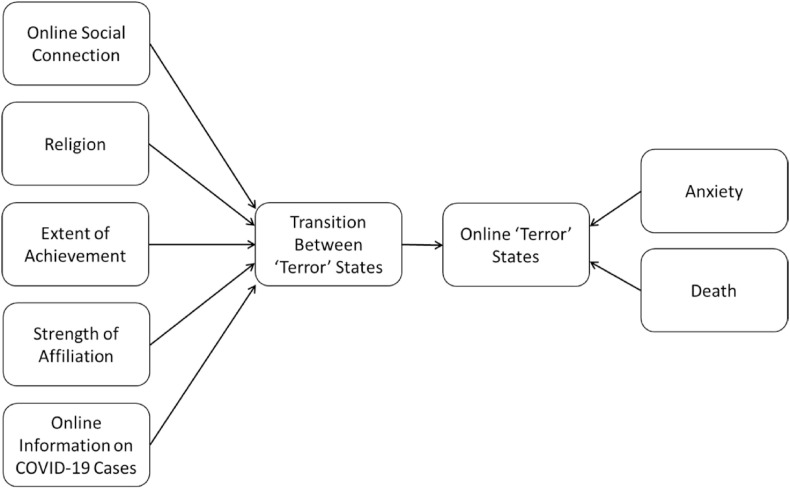
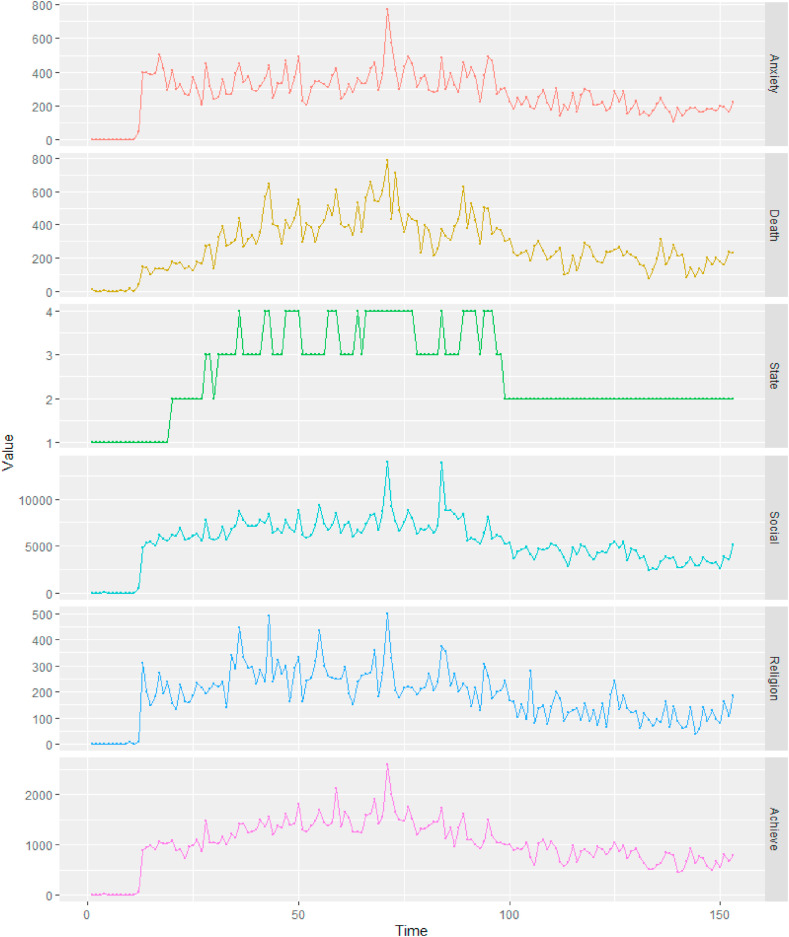
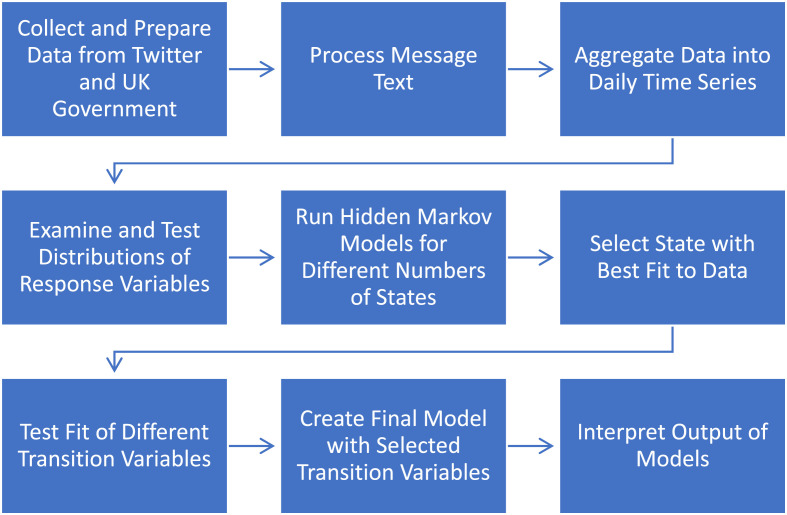
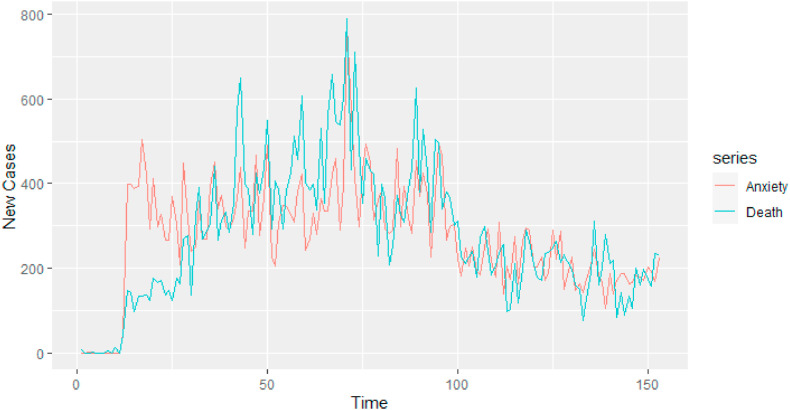
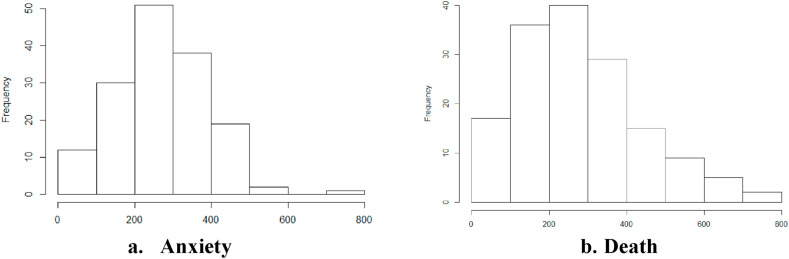
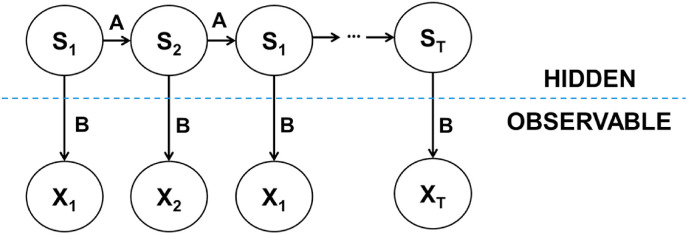
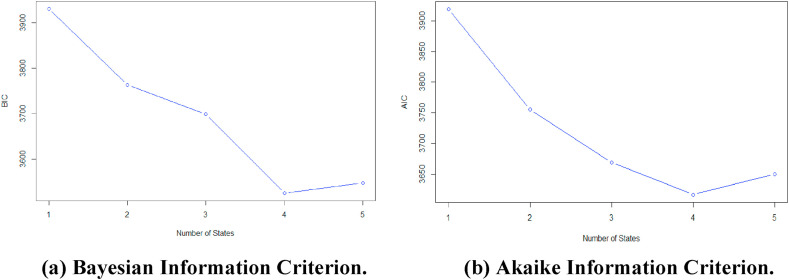
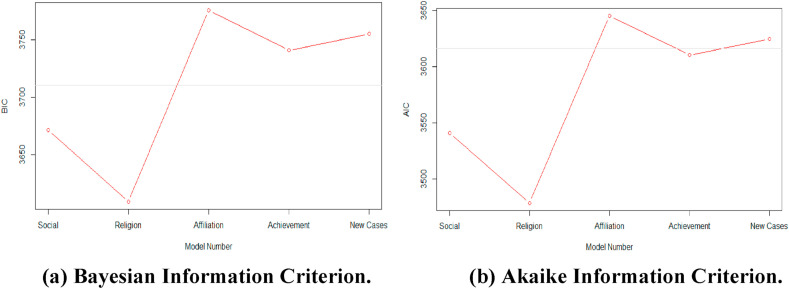
The COVID-19 pandemic has provided psych challenges for many in society. One such challenge is the anxiety that is created in many people faced with the risk of death from the disease. Another issue is understanding how individuals cope psychologically with the threat of death from the disease. In this study we examine the manifestation of death anxiety and various coping mechanisms through the lens of terror management theory (TMT) and online platforms. We take a novel approach to testing the theory using big data analytics and machine learning, focusing on the user-generated content of Twitter users. Based on a sample of all tweets in the UK mentioning COVID-19 terms over a 5-month period, we evaluate dictionary mentions of anxiety and death, and various TMT defense mechanisms, and calculate the pattern of latent death anxiety or 'terror' states of Twitter users via Hidden Markov Models. The research identifies four online 'terror' states, with high death and anxiety mentions during the peak of the pandemic. Further we examine various TMT defense mechanisms that have been proposed in the literature for coping with death anxiety and find that online social connection, achievement and religion all play important roles in improving the model and explaining movement between states. The paper concludes with various implications of the study for future research and practice.
新冠疫情给社会中的许多人带来了心理挑战。其中一个挑战是,许多面临该疾病死亡风险的人产生了焦虑情绪。另一个问题是了解个体如何从心理上应对该疾病带来的死亡威胁。在本研究中,我们通过恐怖管理理论(TMT)和在线平台来审视死亡焦虑的表现形式以及各种应对机制。我们采用一种新颖的方法,利用大数据分析和机器学习来检验该理论,重点关注推特用户生成的内容。基于英国在5个月期间提及新冠相关词汇的所有推文样本,我们评估焦虑和死亡的词汇提及情况以及各种TMT防御机制,并通过隐马尔可夫模型计算推特用户潜在的死亡焦虑或“恐惧”状态模式。研究识别出四种在线“恐惧”状态,在疫情高峰期死亡和焦虑的提及量很高。此外,我们研究了文献中提出的各种用于应对死亡焦虑的TMT防御机制,发现在线社交联系、成就感和宗教信仰在改进模型以及解释不同状态之间的转变方面都发挥着重要作用。本文最后阐述了该研究对未来研究和实践的各种启示。