Kar Sayan, Milstein David
Department of Molecular Chemistry and Materials Science, Weizmann Institute of Science, Rehovot 76100, Israel.
Chem Commun (Camb). 2022 Mar 18;58(23):3731-3746. doi: 10.1039/d2cc00247g.
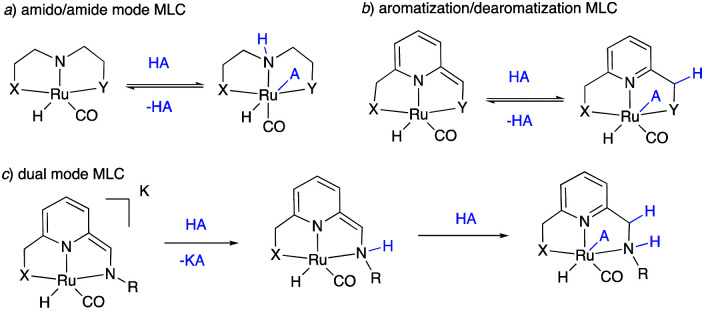
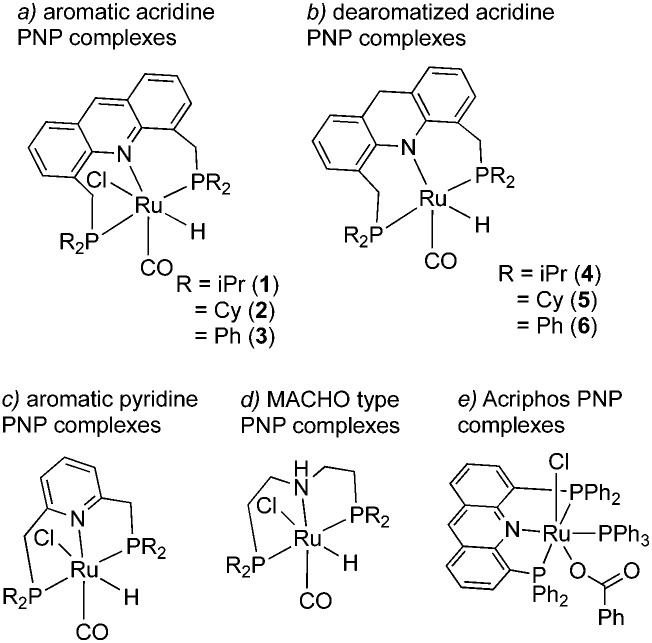
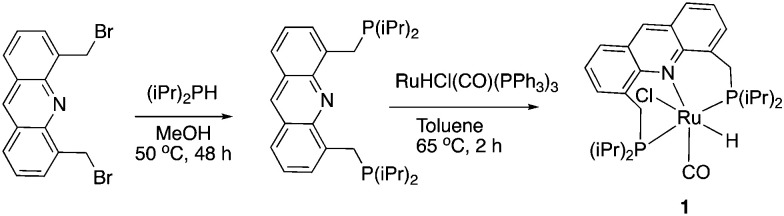
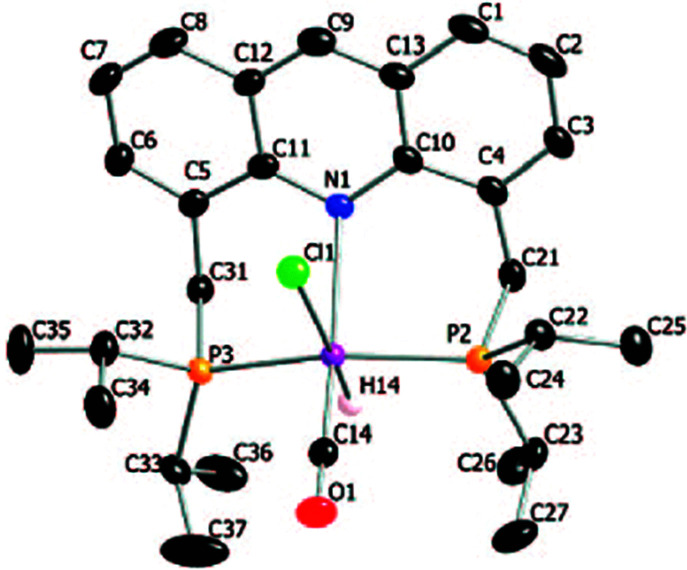
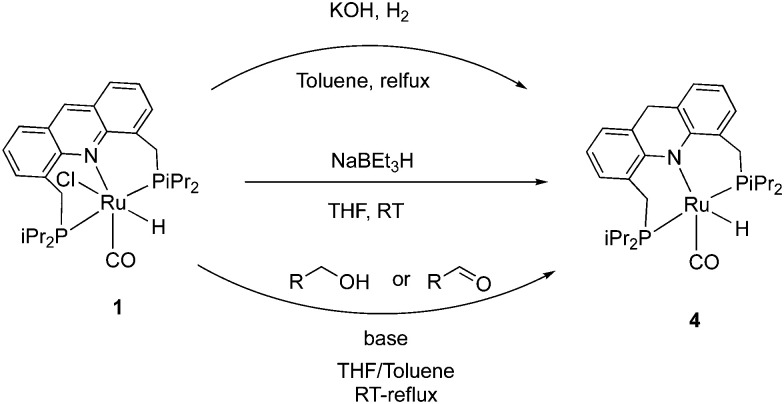
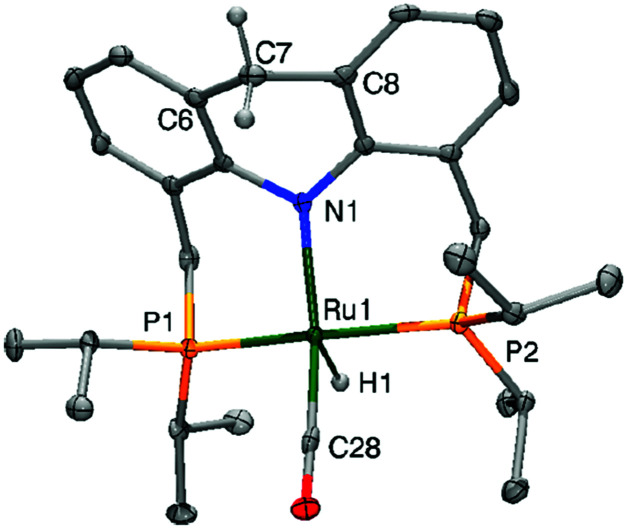
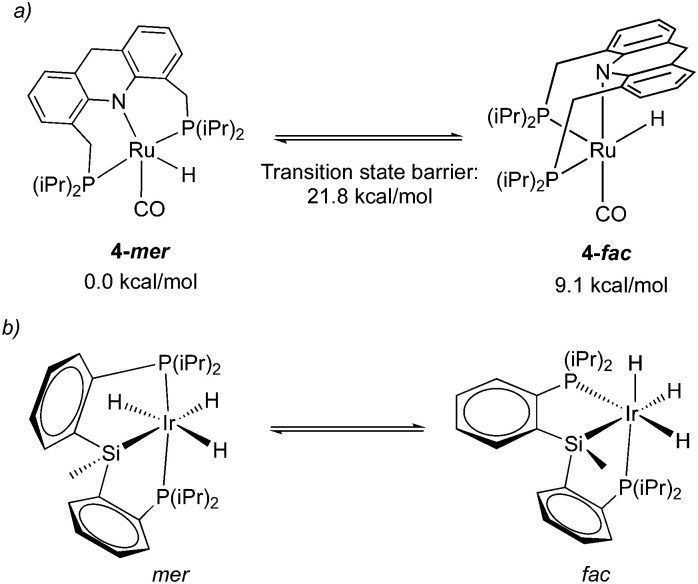
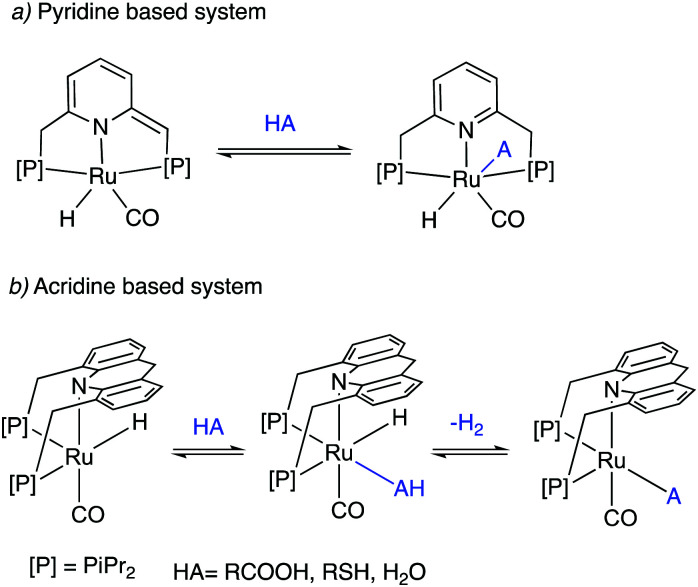
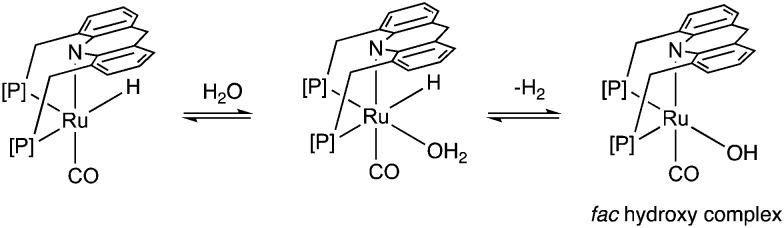
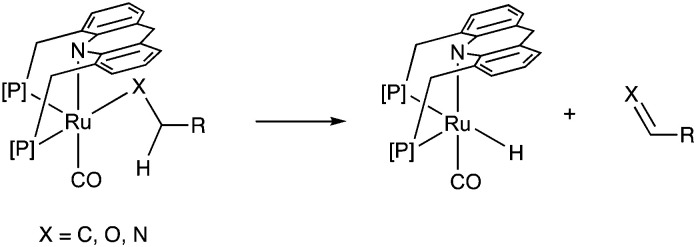
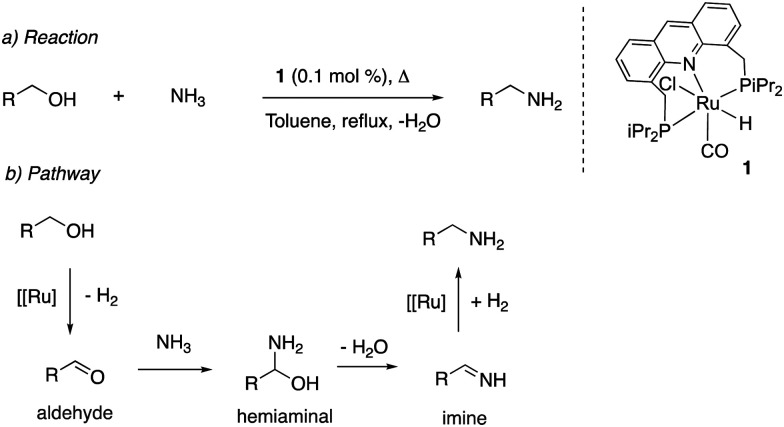
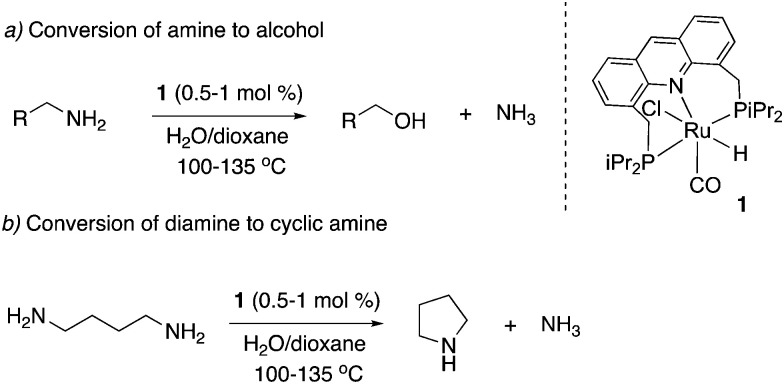
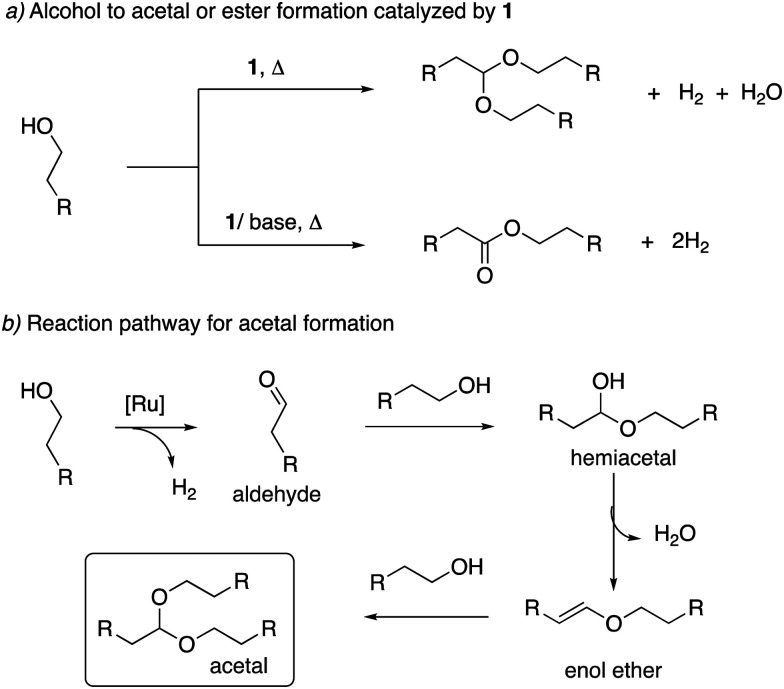
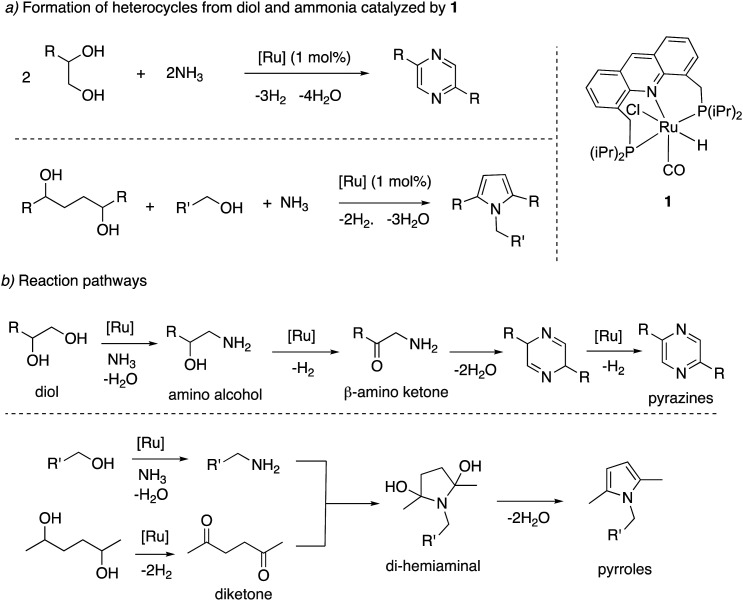
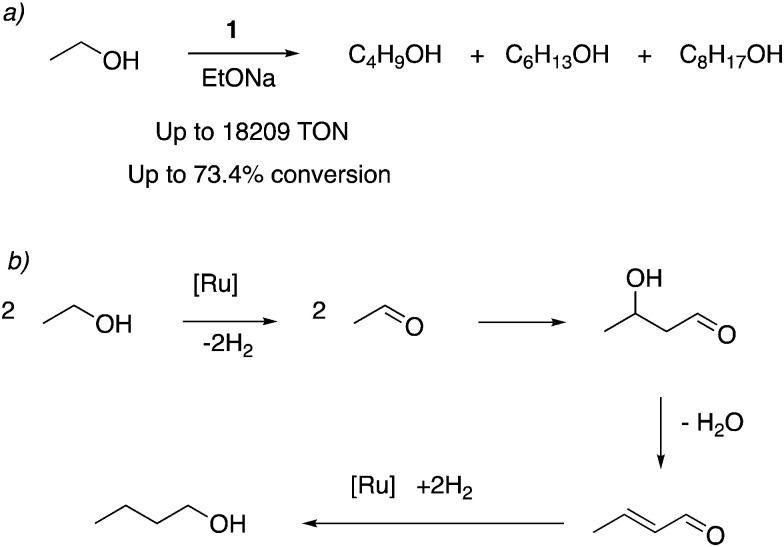
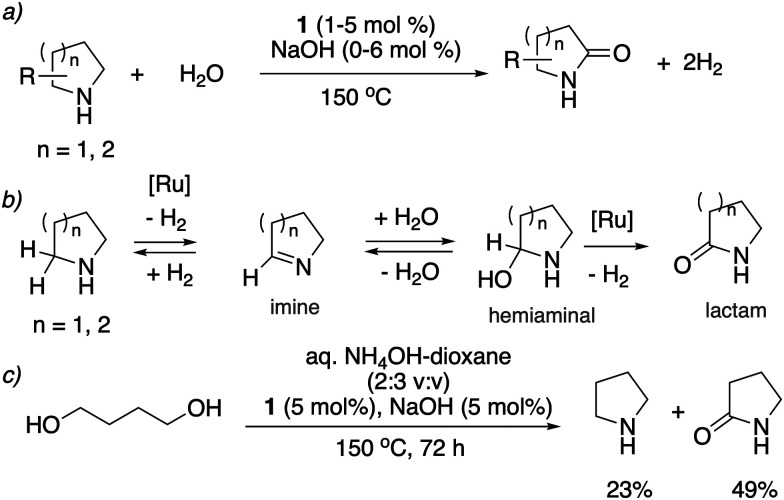
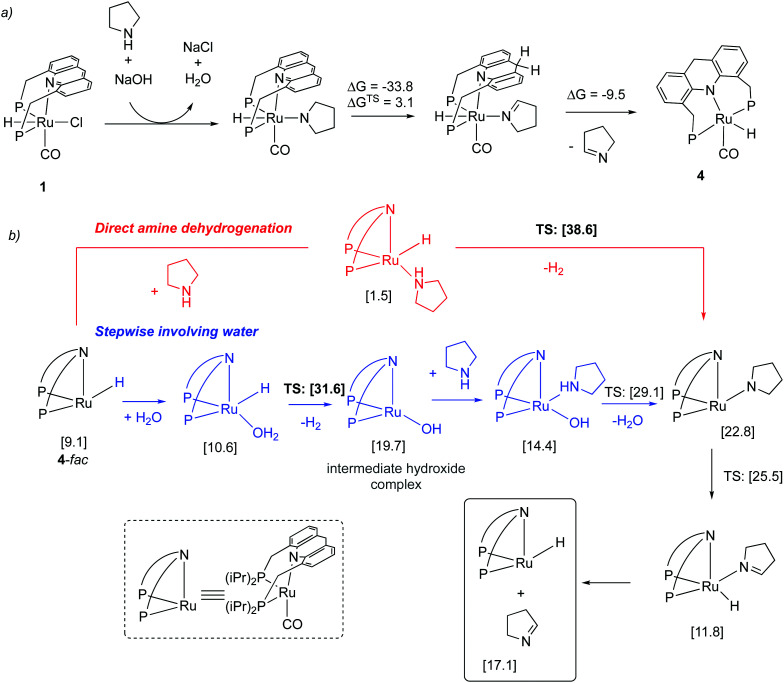
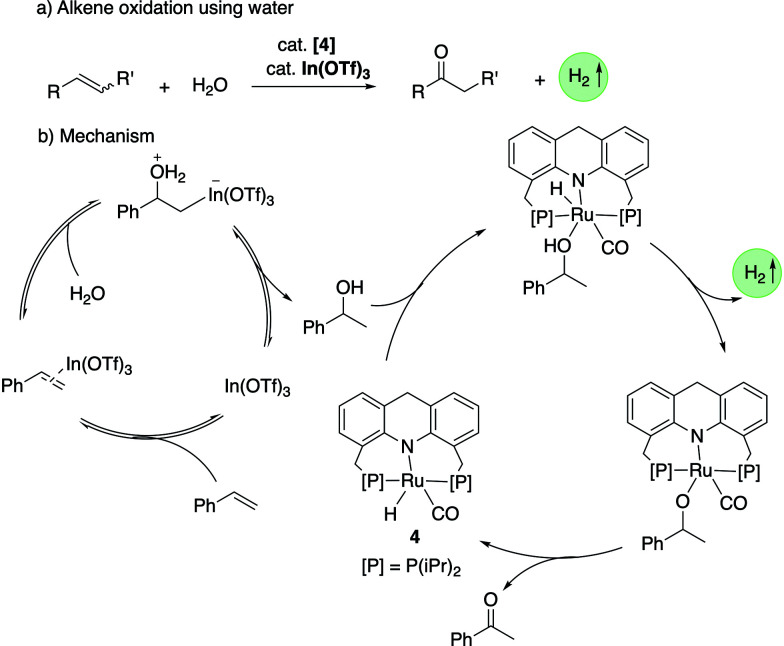
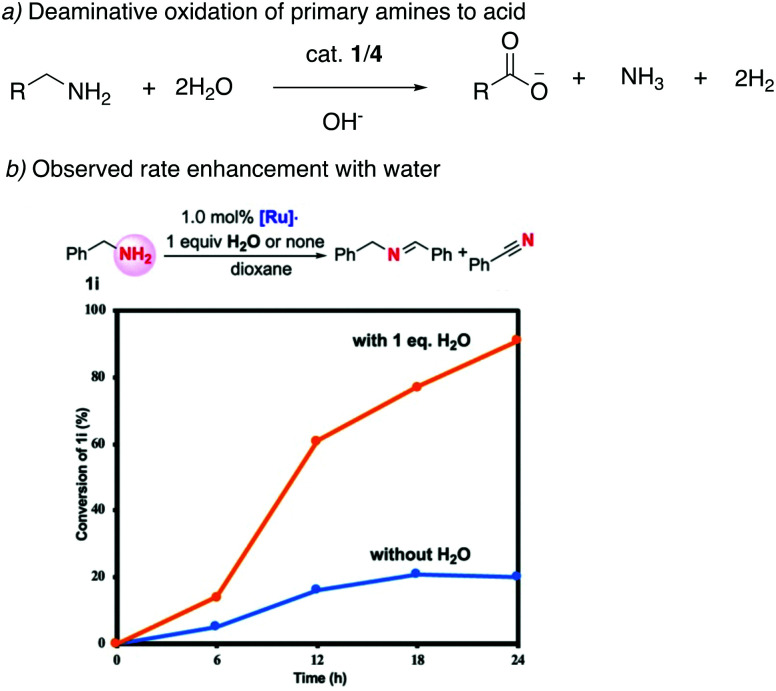
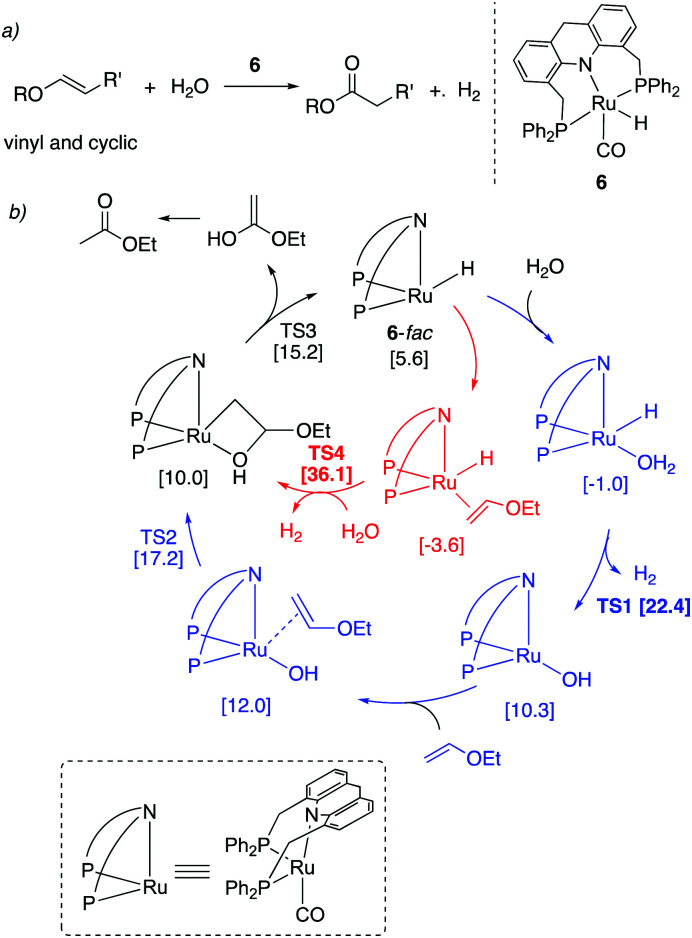
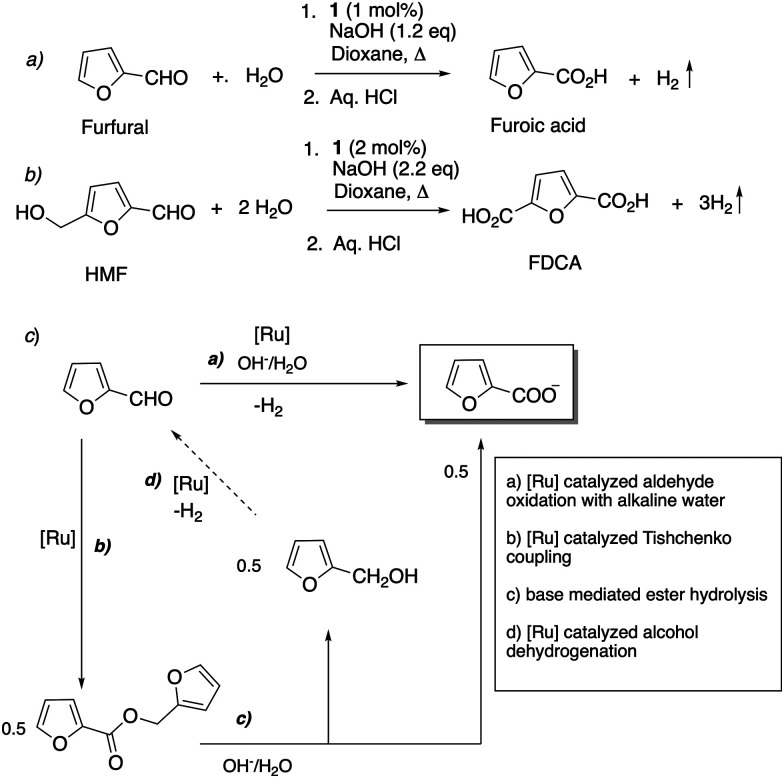
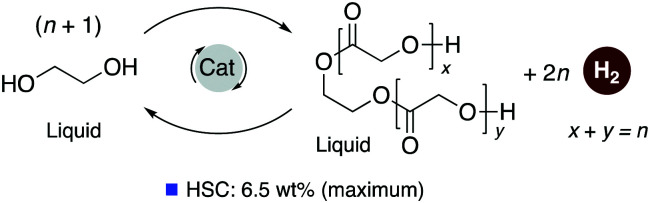
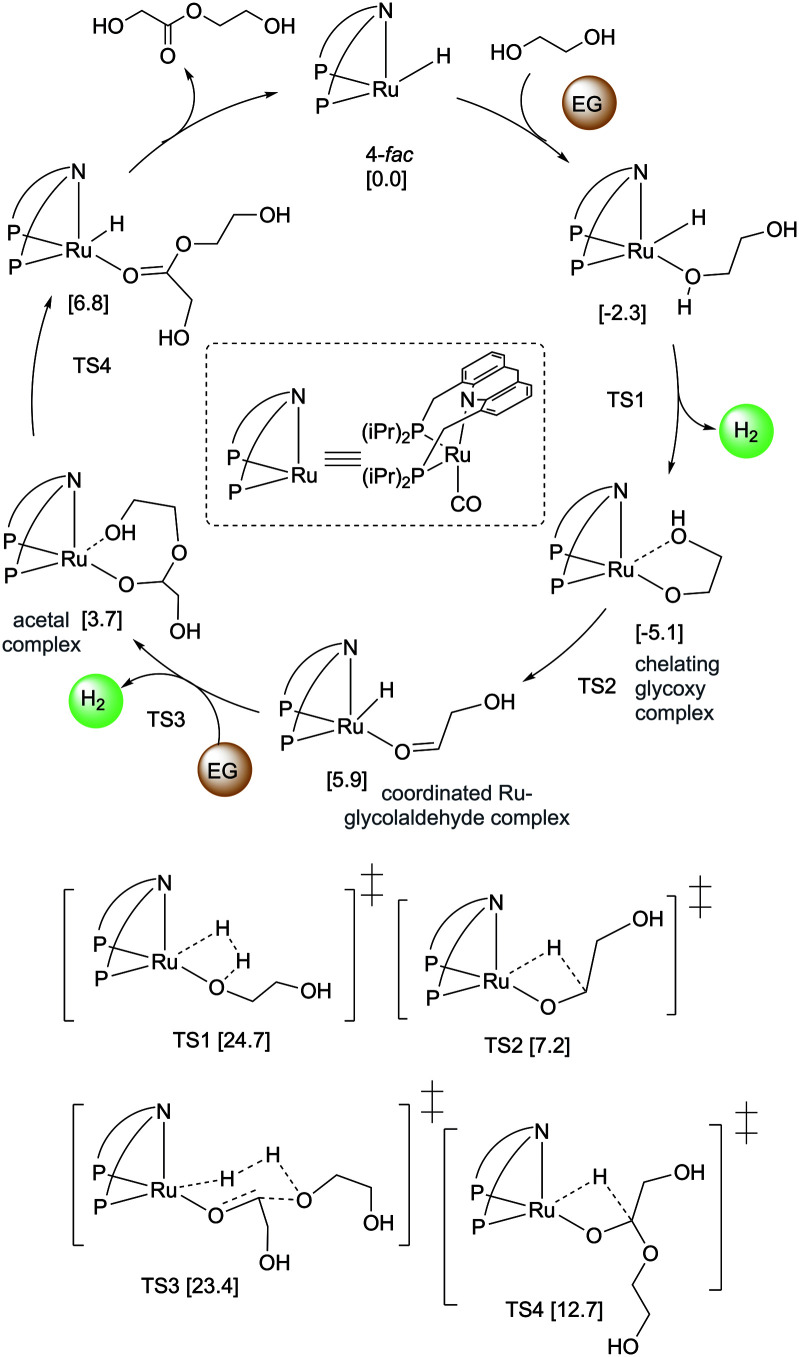
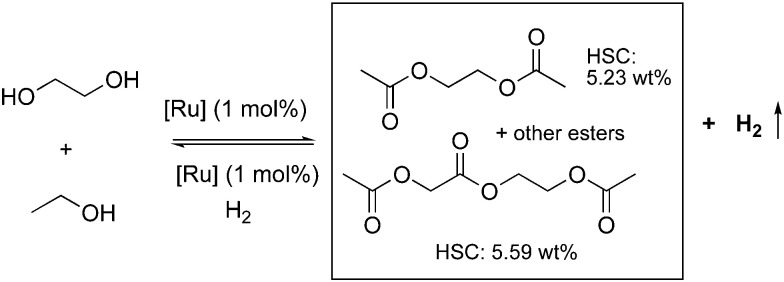
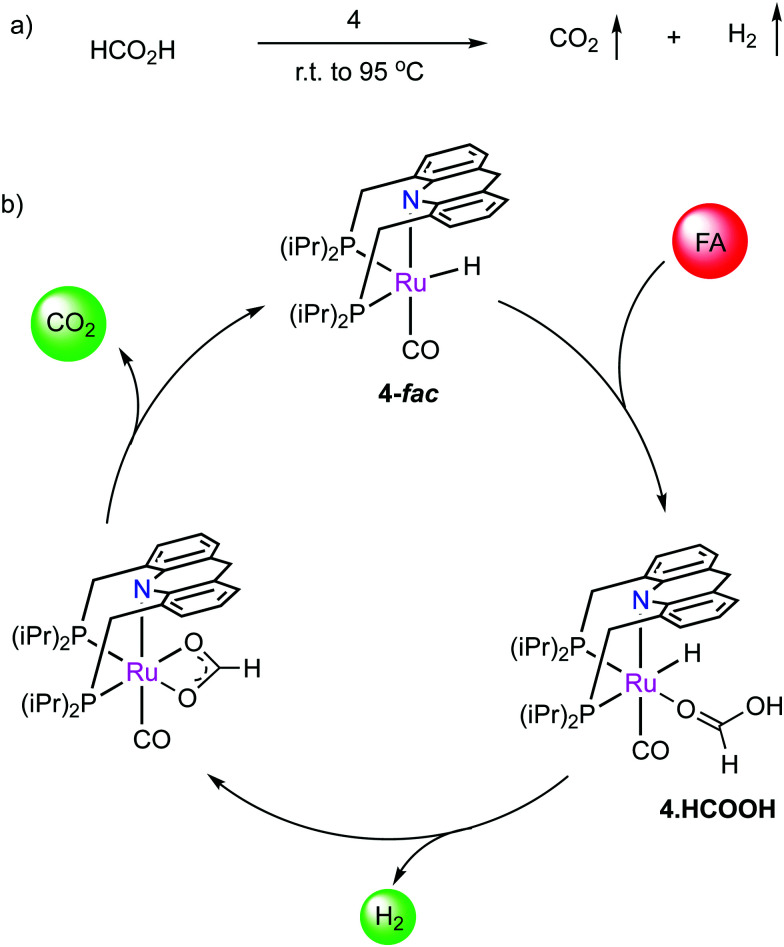
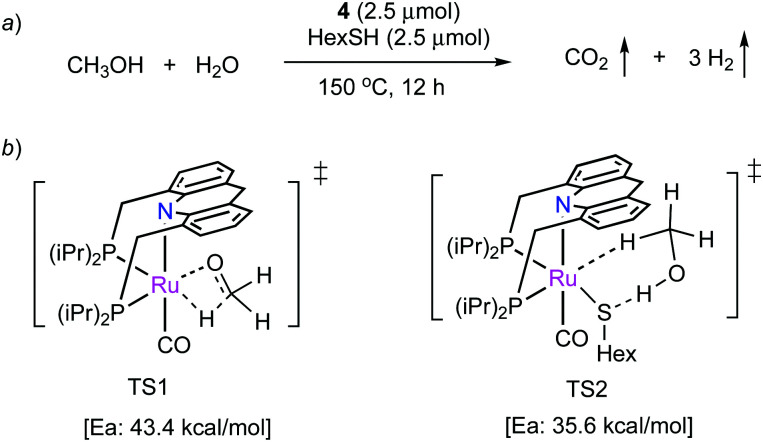
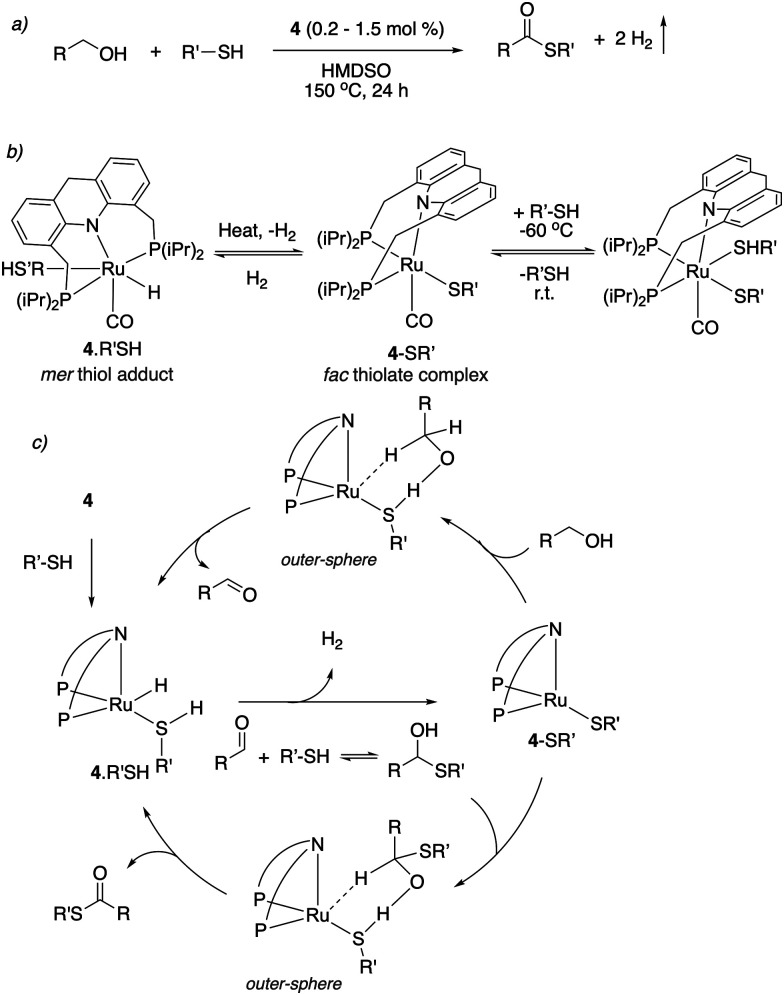
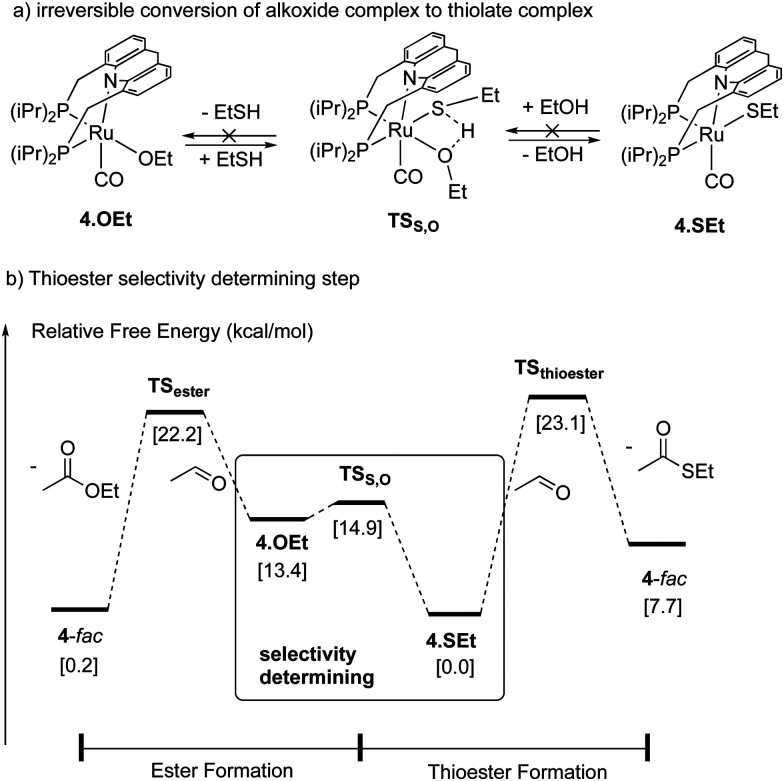
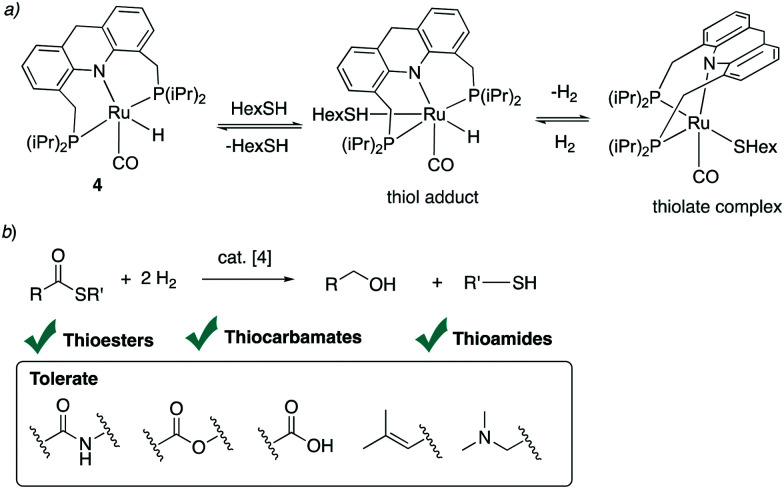
Because of the widespread use of fossil fuels and the resulting global warming, development of sustainable catalytic transformations is now more important than ever to obtain our desired fuels and building materials with the least carbon footprint and waste production. Many sustainable (de)hydrogenation reactions, including CO reduction, H carrier systems, and others, have been reported using molecular pincer complexes. A specific subset of pincer complexes containing a central acridine donor with flanking CHPR ligands, known as acridine-based PNP pincer complexes, exhibit special reactivities that are not imitable by other PNP pincer complexes such as pyridine-based or (RPCHCH)NH type ligands. The goal of this article is to highlight the unique reactivities of acridine-based complexes and then investigate how these reactivities allow these complexes to catalyse many sustainable reactions that traditional pincer complexes cannot catalyse. To that end, we will initially go over the synthesis and structural features of acridine complexes, such as the labile coordination of the central N donor and the observed - fluxionality. Following that, distinct reactivity patterns of acridine-based complexes including their reactivity with acids and water will be discussed. Finally, we will discuss the reaction systems that have been developed with acridine complexes thus far, including the notable selective transformations of primary alcohols to primary amines using ammonia, N-heteroaromatic synthesis from alcohols and ammonia, oxidation reactions with water with H liberation, development of H carrier systems, and others, and conclude the article with future possible directions. We hope that the systemic study presented here will aid researchers in developing further sustainable reactions based on the unique acridine-based pincer complexes.
由于化石燃料的广泛使用以及由此导致的全球变暖,如今开发可持续的催化转化方法以获取具有最小碳足迹和废物产生量的所需燃料和建筑材料比以往任何时候都更加重要。许多可持续的(脱)氢化反应,包括一氧化碳还原、氢载体系统等,都已报道可使用分子钳形配合物来实现。一类特定的钳形配合物,其中心为吖啶供体且两侧带有CHPR配体,即所谓的基于吖啶的PNP钳形配合物,展现出特殊的反应活性,这是其他PNP钳形配合物(如吡啶基或(RPCHCH)NH型配体)所无法模仿的。本文的目的是突出基于吖啶的配合物的独特反应活性,然后研究这些反应活性如何使这些配合物能够催化许多传统钳形配合物无法催化的可持续反应。为此,我们首先将介绍吖啶配合物的合成和结构特征,例如中心氮供体的不稳定配位以及观察到的 - 通量性。接下来,将讨论基于吖啶的配合物的不同反应模式,包括它们与酸和水的反应活性。最后,我们将讨论迄今为止已开发的使用吖啶配合物的反应体系,包括使用氨将伯醇选择性转化为伯胺、由醇和氨合成氮杂芳烃、与水发生氧化反应并释放氢气、氢载体系统的开发等,并以未来可能的方向作为本文的结论。我们希望这里所呈现的系统性研究将有助于研究人员基于独特的基于吖啶的钳形配合物开发更多可持续反应。