Department of Genetics and Genomic Sciences, Icahn School of Medicine at Mount Sinai, 1470 Madison Avenue, Room S8-111, New York, NY, 10029, USA.
Mount Sinai Center for Transformative Disease Modeling, Icahn School of Medicine at Mount Sinai, 1470 Madison Avenue, Room S8-111, New York, NY, 10029, USA.
Mol Neurodegener. 2022 Mar 2;17(1):17. doi: 10.1186/s13024-022-00517-z.
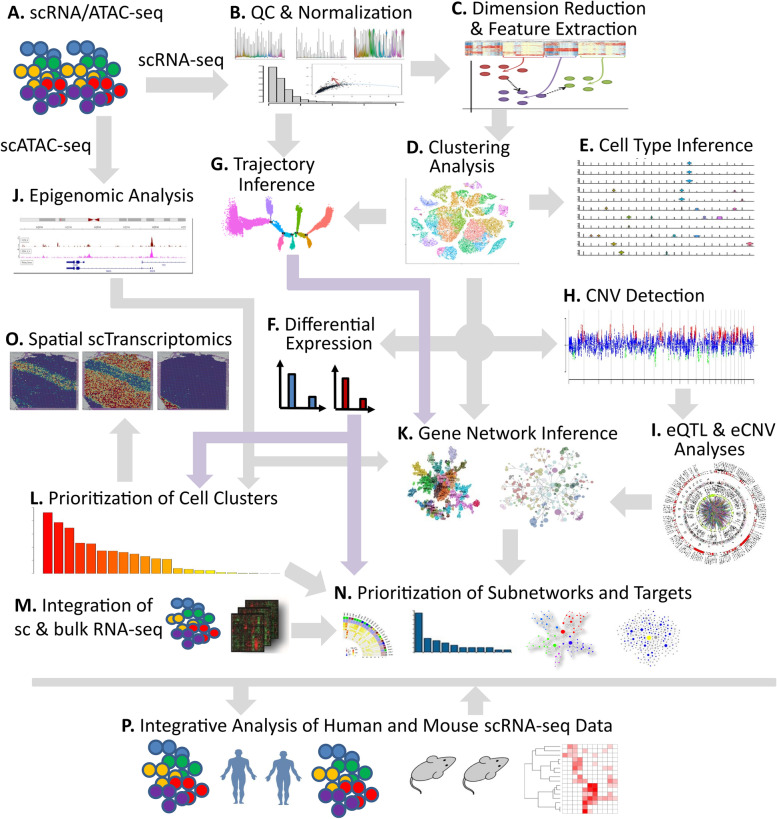
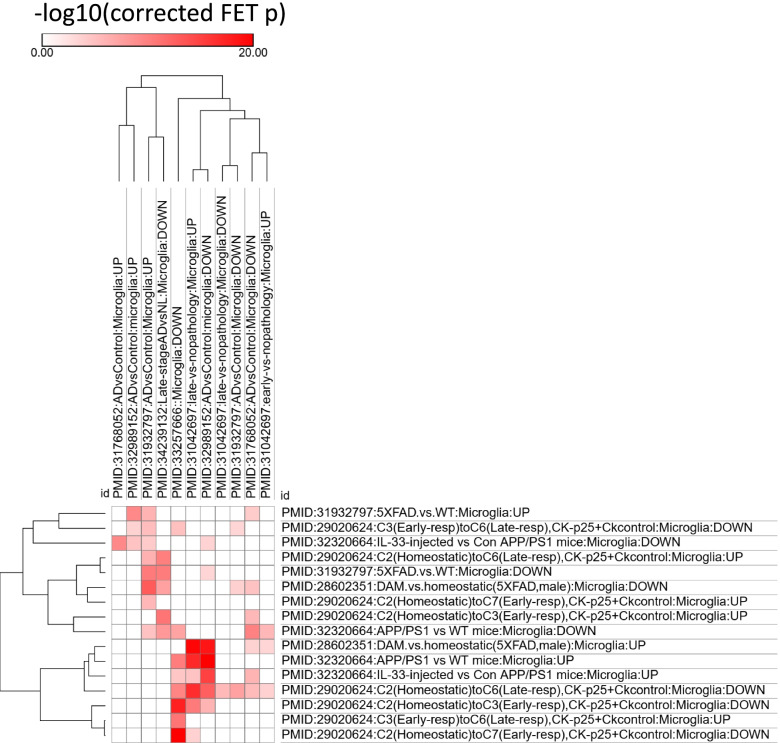
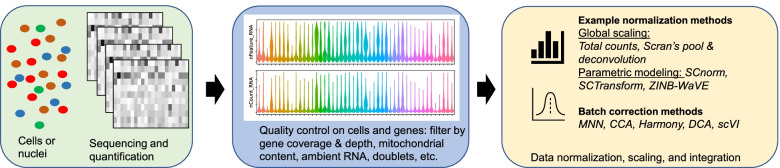
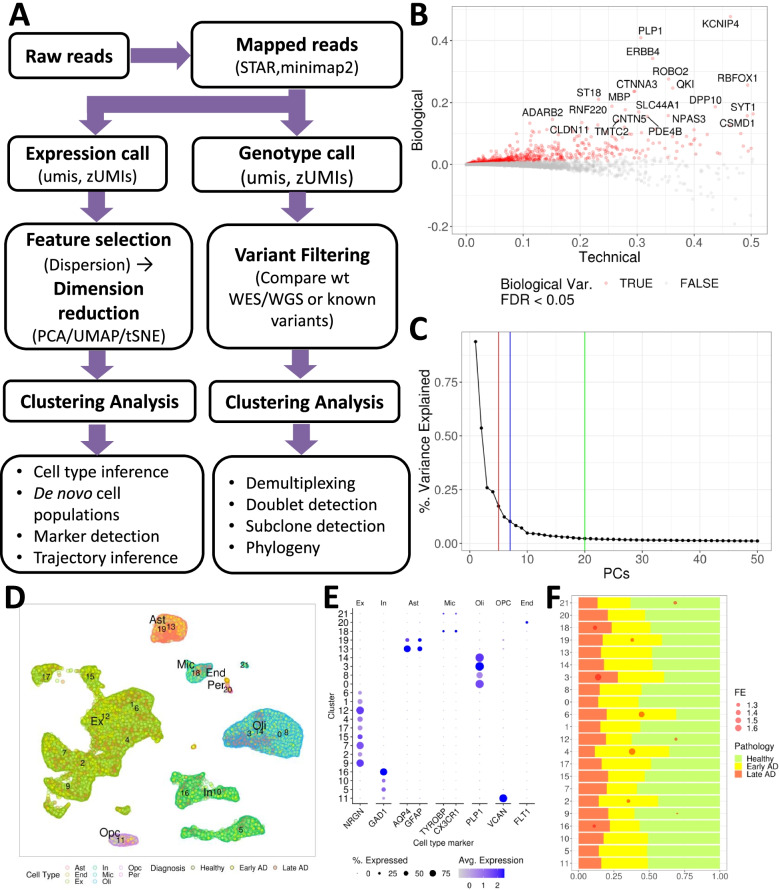
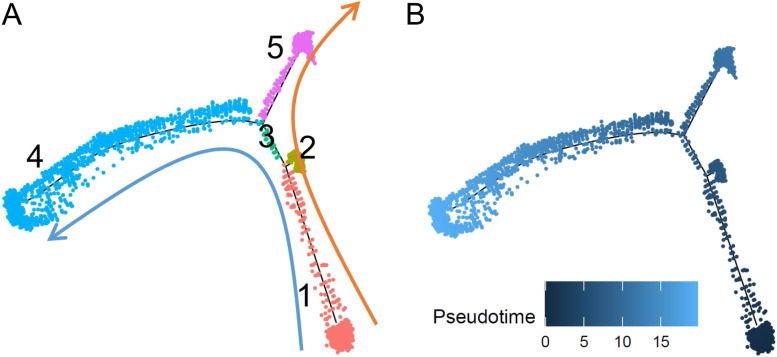
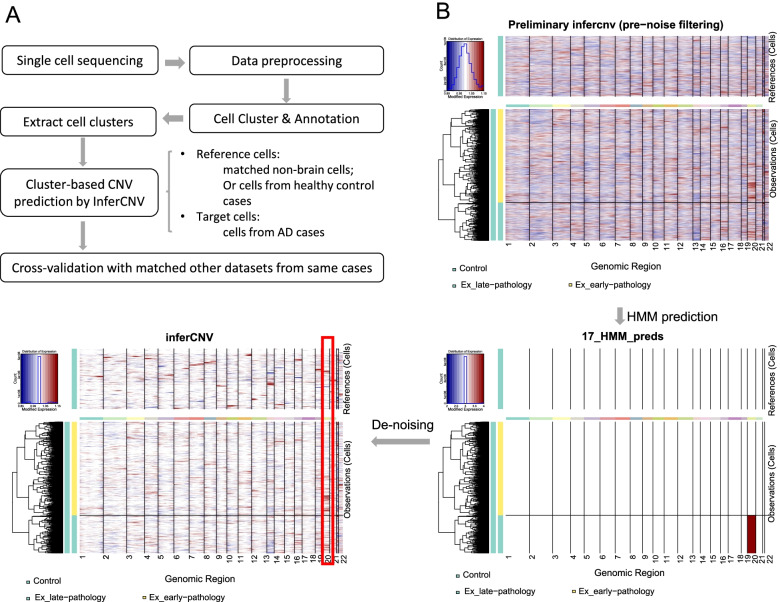
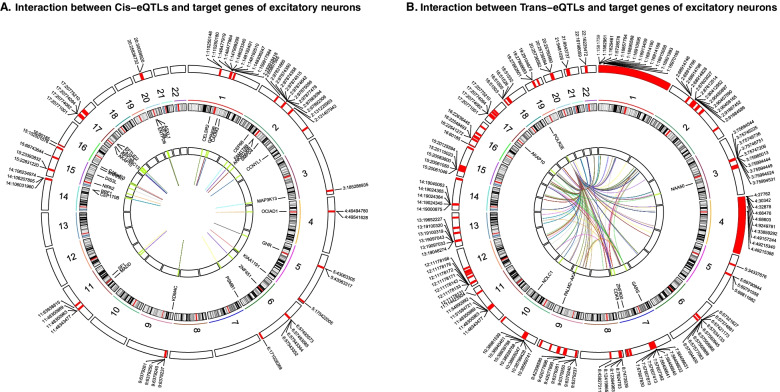
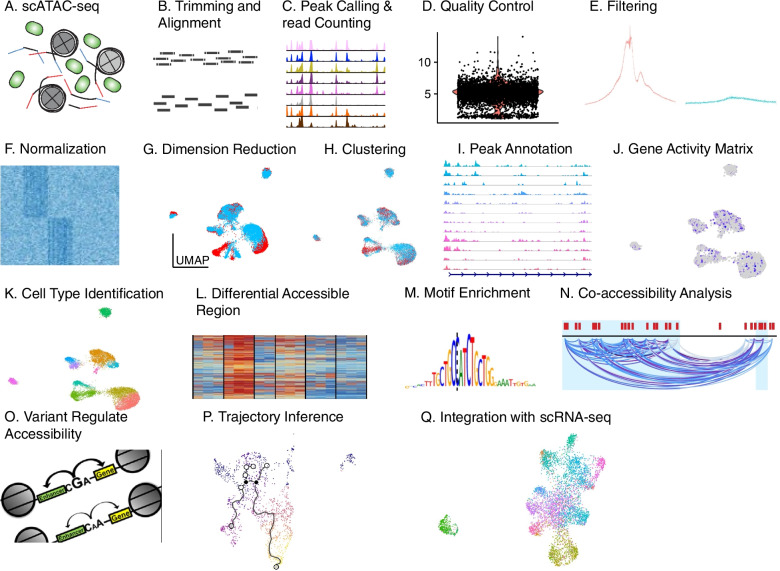
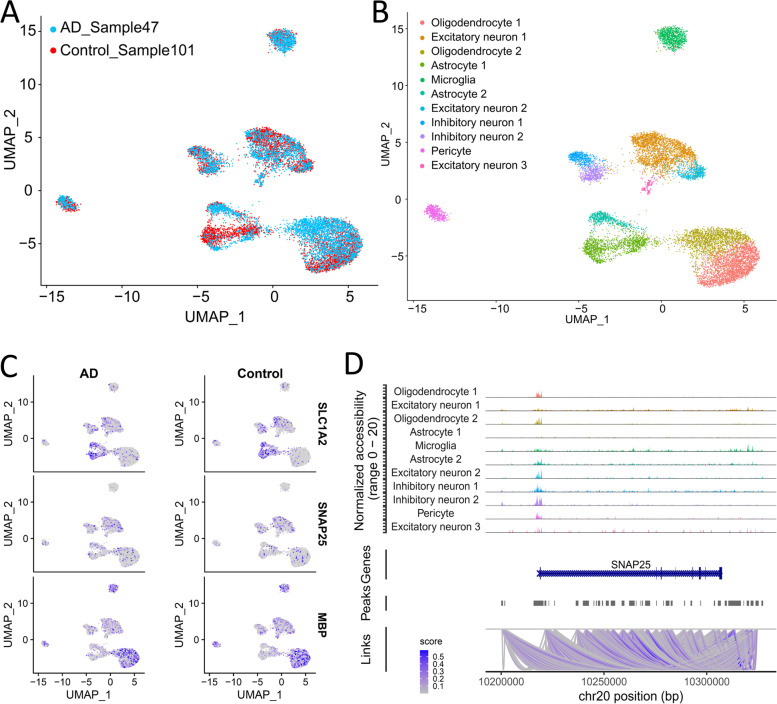
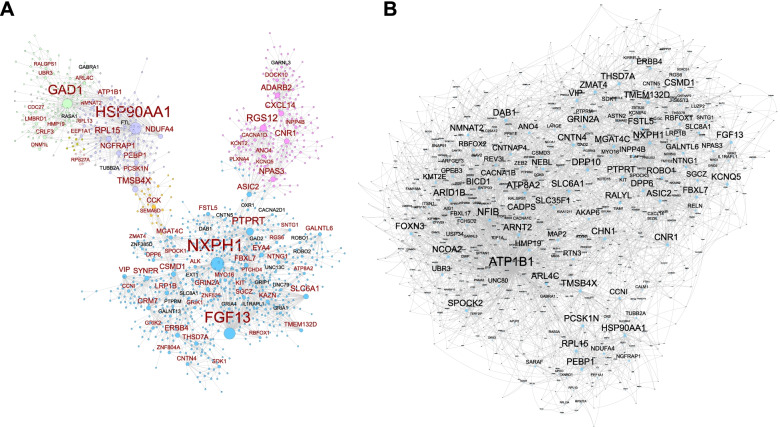
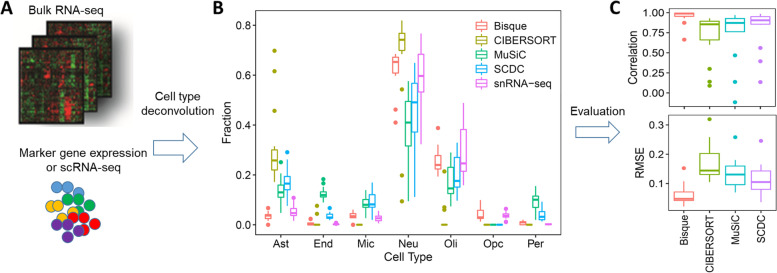
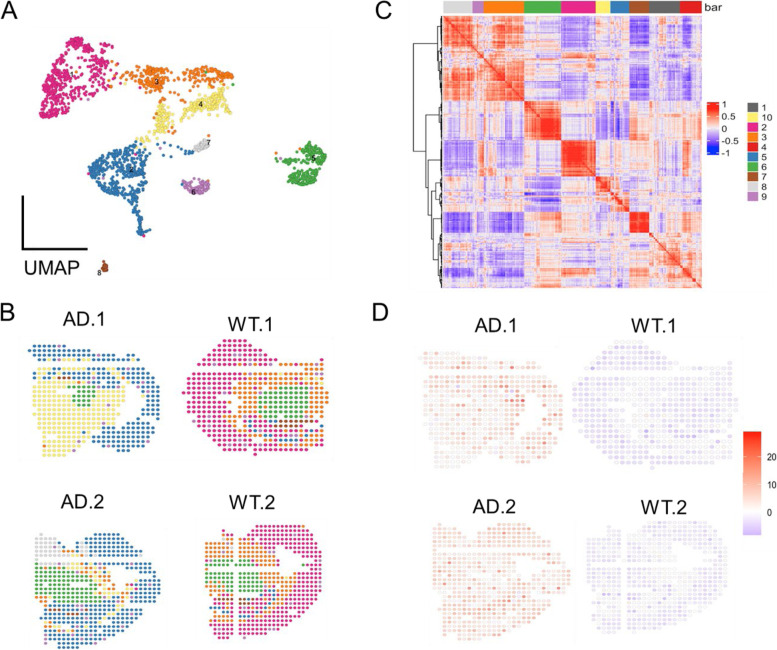
Alzheimer's disease (AD) is the most common form of dementia, characterized by progressive cognitive impairment and neurodegeneration. Extensive clinical and genomic studies have revealed biomarkers, risk factors, pathways, and targets of AD in the past decade. However, the exact molecular basis of AD development and progression remains elusive. The emerging single-cell sequencing technology can potentially provide cell-level insights into the disease. Here we systematically review the state-of-the-art bioinformatics approaches to analyze single-cell sequencing data and their applications to AD in 14 major directions, including 1) quality control and normalization, 2) dimension reduction and feature extraction, 3) cell clustering analysis, 4) cell type inference and annotation, 5) differential expression, 6) trajectory inference, 7) copy number variation analysis, 8) integration of single-cell multi-omics, 9) epigenomic analysis, 10) gene network inference, 11) prioritization of cell subpopulations, 12) integrative analysis of human and mouse sc-RNA-seq data, 13) spatial transcriptomics, and 14) comparison of single cell AD mouse model studies and single cell human AD studies. We also address challenges in using human postmortem and mouse tissues and outline future developments in single cell sequencing data analysis. Importantly, we have implemented our recommended workflow for each major analytic direction and applied them to a large single nucleus RNA-sequencing (snRNA-seq) dataset in AD. Key analytic results are reported while the scripts and the data are shared with the research community through GitHub. In summary, this comprehensive review provides insights into various approaches to analyze single cell sequencing data and offers specific guidelines for study design and a variety of analytic directions. The review and the accompanied software tools will serve as a valuable resource for studying cellular and molecular mechanisms of AD, other diseases, or biological systems at the single cell level.
阿尔茨海默病(AD)是最常见的痴呆症形式,其特征是进行性认知障碍和神经退行性变。在过去的十年中,广泛的临床和基因组研究揭示了 AD 的生物标志物、风险因素、途径和靶点。然而,AD 发展和进展的确切分子基础仍难以捉摸。新兴的单细胞测序技术有可能为疾病提供细胞水平的见解。在这里,我们系统地回顾了分析单细胞测序数据的最新生物信息学方法,并将其应用于 AD 的 14 个主要方向,包括 1)质量控制和标准化,2)降维和特征提取,3)细胞聚类分析,4)细胞类型推断和注释,5)差异表达,6)轨迹推断,7)拷贝数变异分析,8)单细胞多组学整合,9)表观基因组分析,10)基因网络推断,11)细胞亚群优先级,12)人类和小鼠 sc-RNA-seq 数据的综合分析,13)空间转录组学,以及 14)单细胞 AD 小鼠模型研究和单细胞人类 AD 研究的比较。我们还解决了使用人类死后和小鼠组织的挑战,并概述了单细胞测序数据分析的未来发展。重要的是,我们为每个主要分析方向实施了我们推荐的工作流程,并将其应用于 AD 的大型单个核 RNA-seq(snRNA-seq)数据集。报告了关键分析结果,同时通过 GitHub 与研究界共享脚本和数据。总之,本综述提供了对分析单细胞测序数据的各种方法的深入了解,并为研究设计和各种分析方向提供了具体的指导方针。该综述和随附的软件工具将成为研究 AD 等疾病或生物系统的细胞和分子机制的宝贵资源。