Chua Pearleen Ee Yong, Gwee Sylvia Xiao Wei, Wang Min Xian, Gui Hao, Pang Junxiong
Saw Swee Hock School of Public Health, National University Health System, National University of Singapore, Singapore, Singapore.
Centre for Infectious Disease Epidemiology and Research, National University of Singapore, Singapore, Singapore.
Front Med (Lausanne). 2022 Feb 14;9:748522. doi: 10.3389/fmed.2022.748522. eCollection 2022.
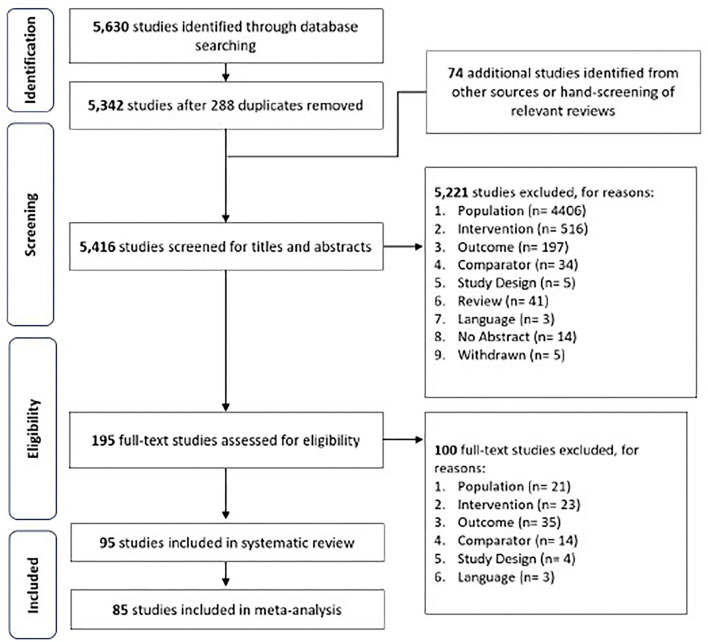
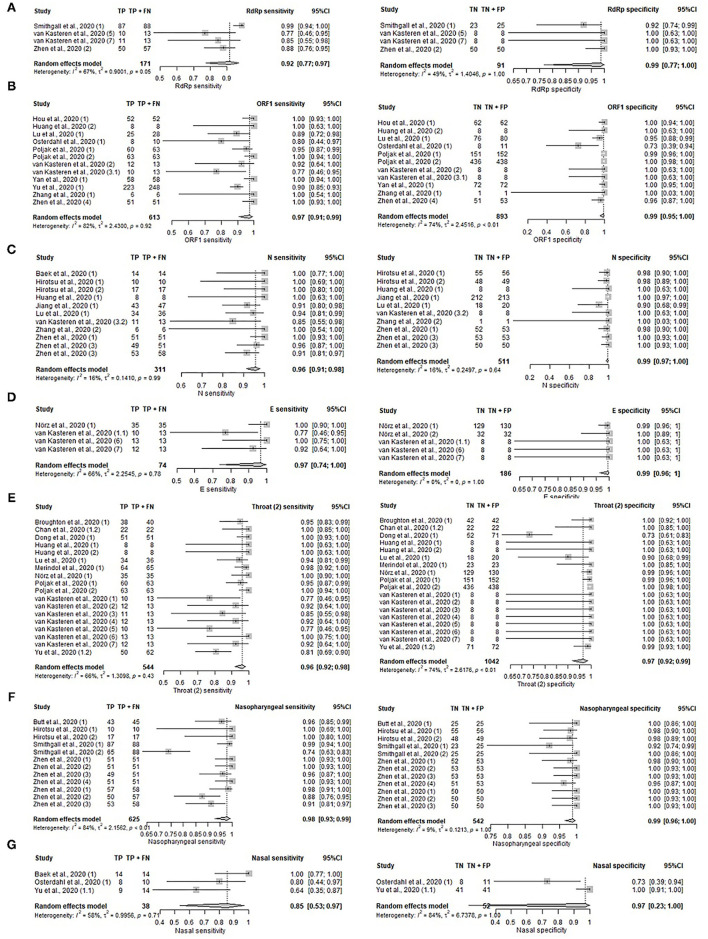
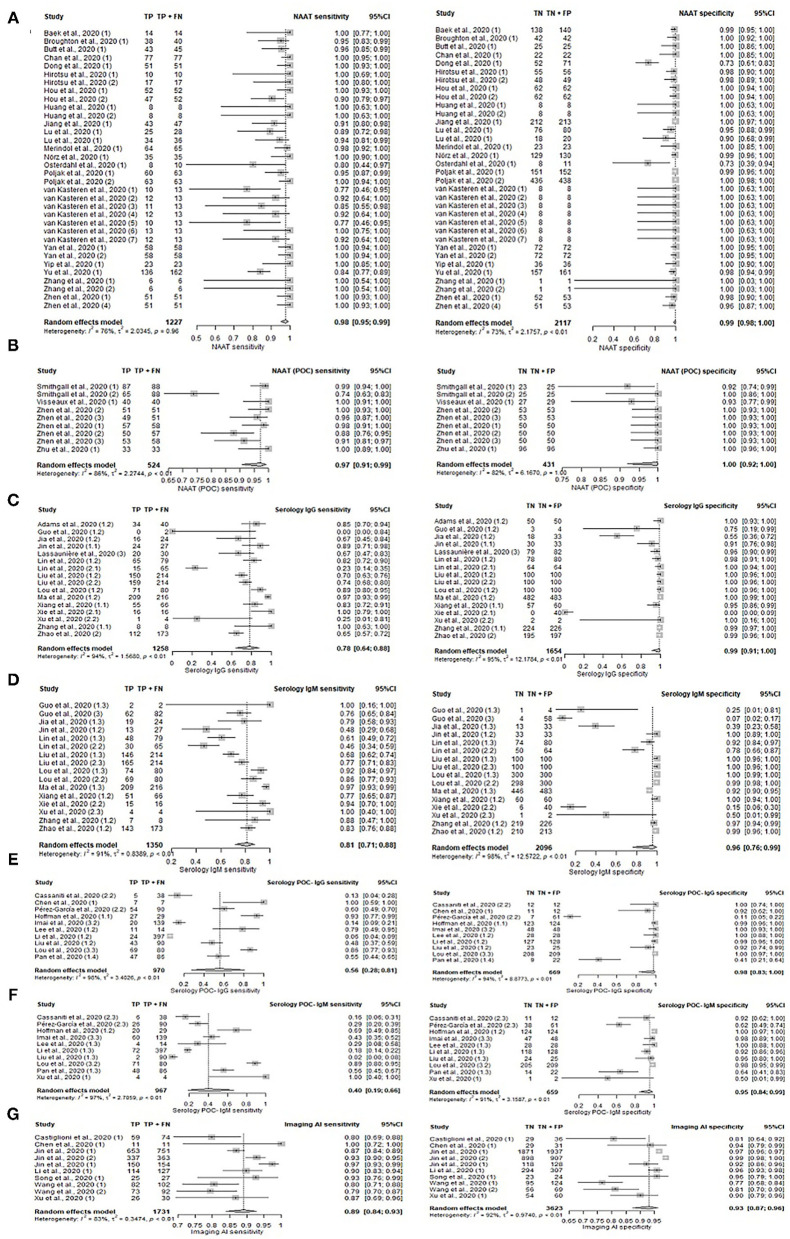
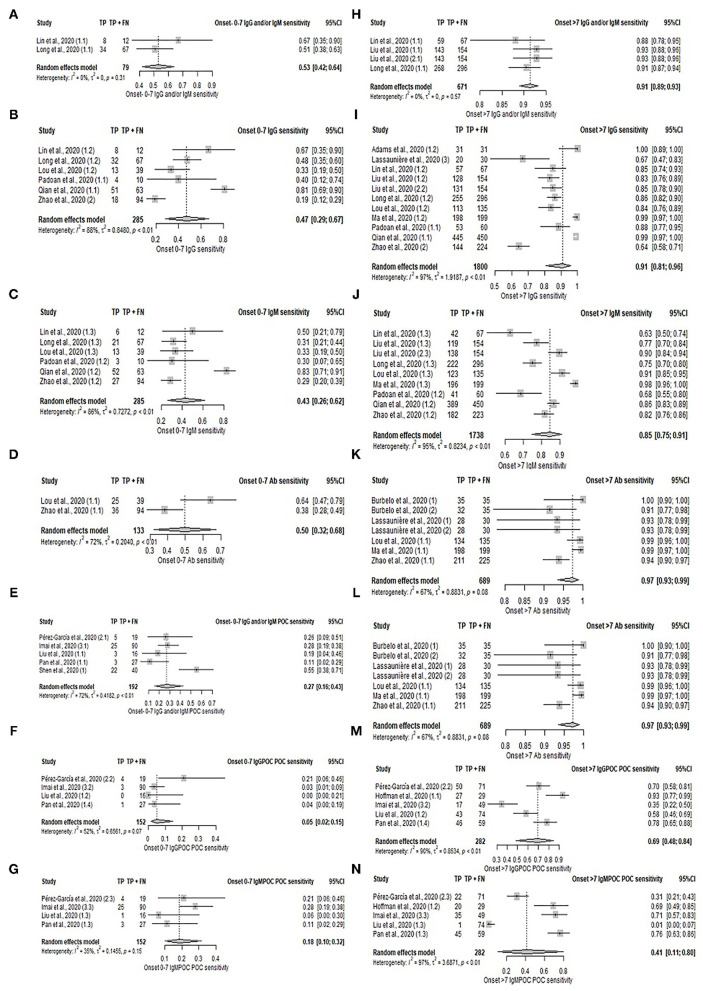
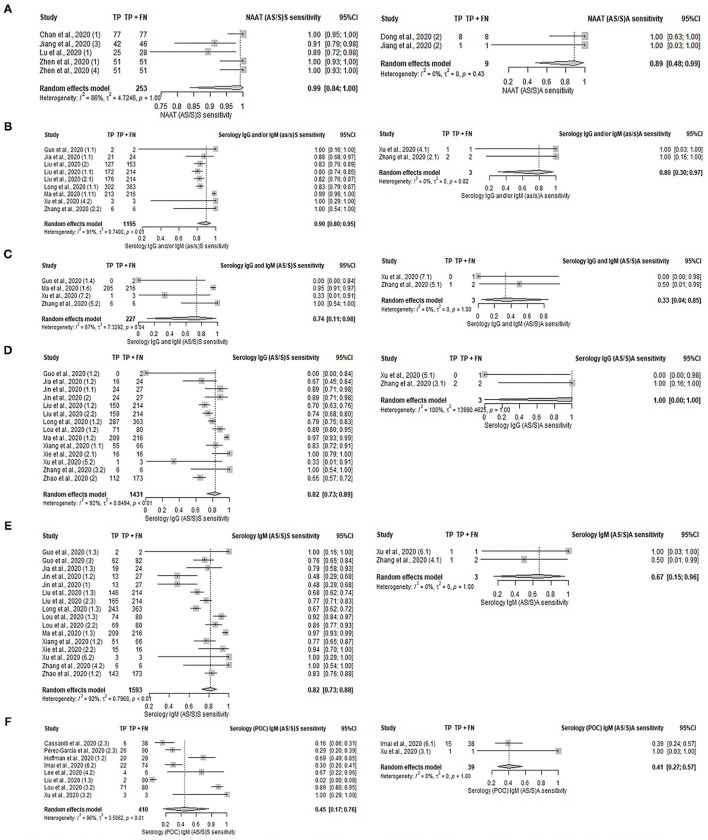
Diagnosis of severe acute respiratory syndrome coronavirus 2 (SARS-CoV-2) during border screening among returning residents and prioritized travelers during the early phase of a pandemic can reduce the risk of importation and transmission in the community. This study aimed to compare the accuracy of various SARS-CoV-2 diagnostics and assess their potential utility as border screening for infection and immunity. Systematic literature searches were conducted in six electronic databases for studies reporting SARS-CoV-2 diagnostics (up to April 30, 2020). Meta-analysis and methodological assessment were conducted for all included studies. The performance of the diagnostic tests was evaluated with pooled sensitivity, specificity, and their respective 95% confidence intervals. A total of 5,416 unique studies were identified and 95 studies (at least 29,785 patients/samples) were included. Nucleic acid amplification tests (NAAT) consistently outperformed all other diagnostic methods regardless of the selected viral genes with a pooled sensitivity of 98% and a pooled specificity of 99%. Point-of-care (POC) serology tests had moderately high pooled sensitivity (69%), albeit lower than laboratory-based serology tests (89%), but both had high pooled specificity (96-98%). Serology tests were more sensitive for sampling collected at ≥ 7 days than ≤ 7 days from the disease symptoms onset. POC NAAT and POC serology tests are suitable for detecting infection and immunity against the virus, respectively as border screening. Independent validation in each country is highly encouraged with the preferred choice of diagnostic tool/s.
在大流行早期对回国居民和重点旅行者进行边境筛查时诊断严重急性呼吸综合征冠状病毒2(SARS-CoV-2),可降低病毒输入和社区传播风险。本研究旨在比较各种SARS-CoV-2诊断方法的准确性,并评估其作为边境感染和免疫筛查手段的潜在效用。我们在六个电子数据库中进行了系统的文献检索,以查找报告SARS-CoV-2诊断方法的研究(截至2020年4月30日)。对所有纳入研究进行了荟萃分析和方法学评估。通过合并敏感性、特异性及其各自的95%置信区间来评估诊断测试的性能。共识别出5416项独特研究,纳入95项研究(至少29785名患者/样本)。无论选择何种病毒基因,核酸扩增检测(NAAT)始终优于所有其他诊断方法,合并敏感性为98%,合并特异性为99%。即时检测(POC)血清学检测的合并敏感性中等偏高(69%),尽管低于基于实验室的血清学检测(89%),但两者的合并特异性都很高(96%-98%)。血清学检测对疾病症状出现后≥7天采集的样本比≤7天采集的样本更敏感。POC NAAT和POC血清学检测分别适合作为边境筛查检测病毒感染和免疫情况。强烈鼓励各国使用首选诊断工具进行独立验证。