Department of Psychology, Yale University, 2 Hillhouse Ave., New Haven, CT, 06511, USA.
Sci Rep. 2022 Mar 4;12(1):3579. doi: 10.1038/s41598-022-07452-5.
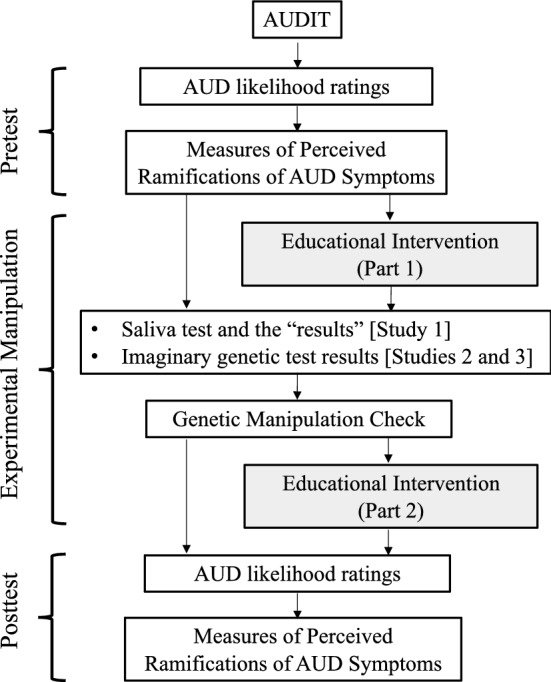
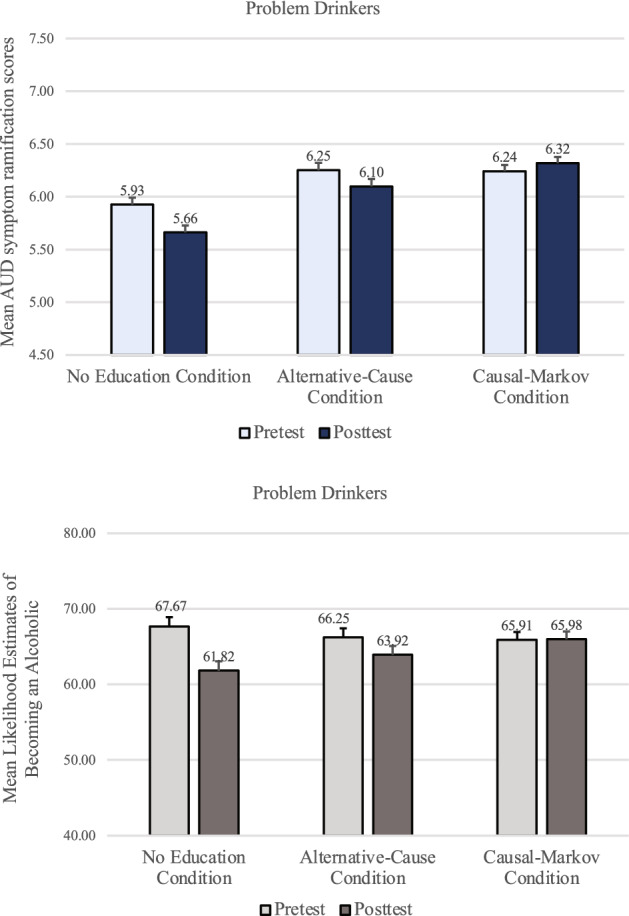
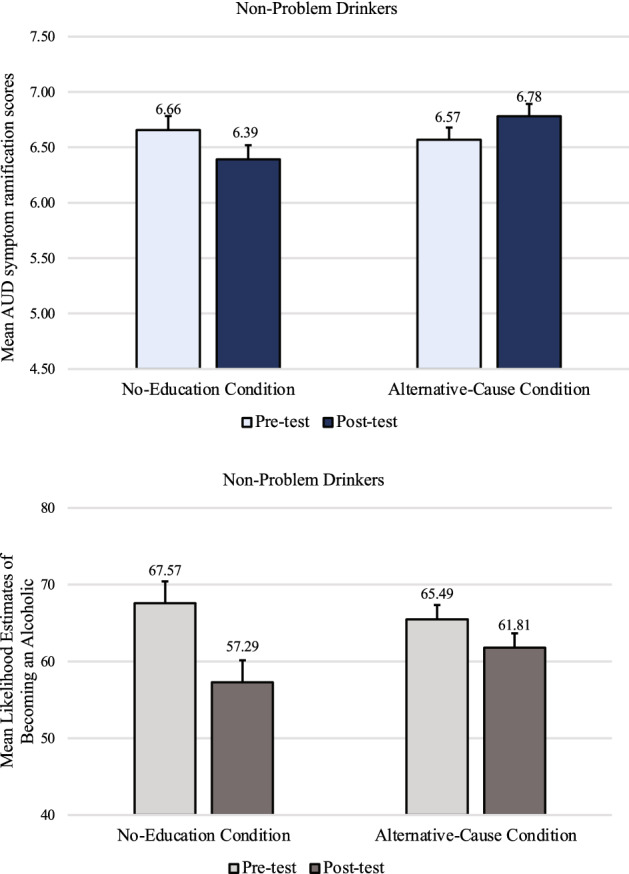
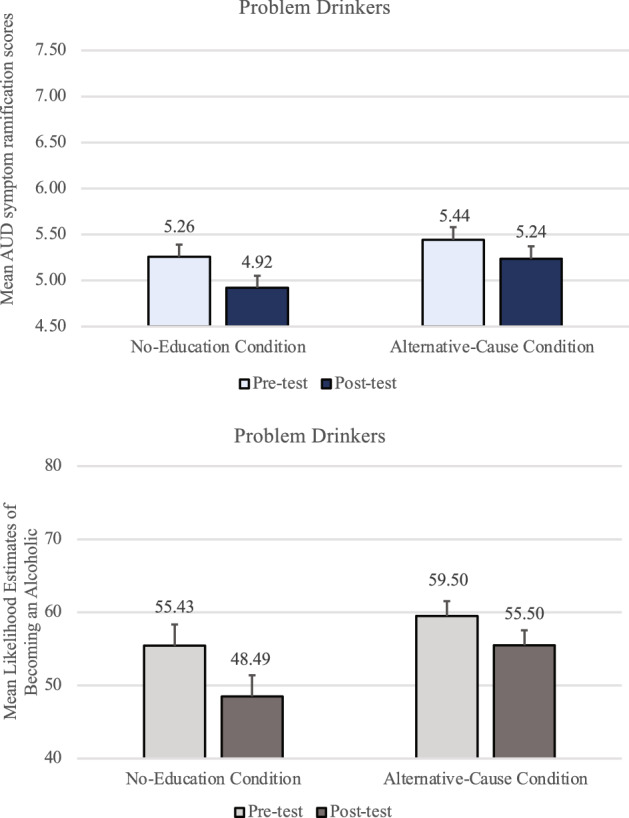
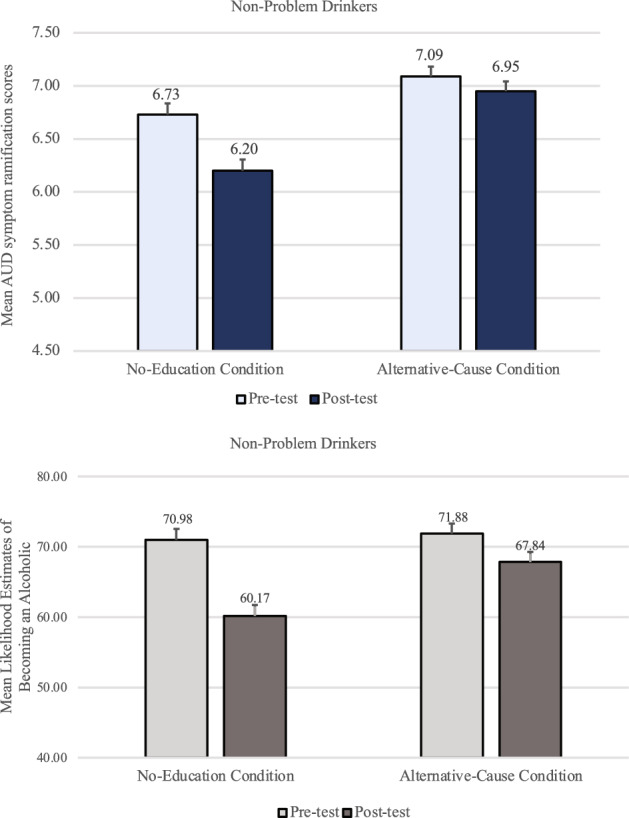
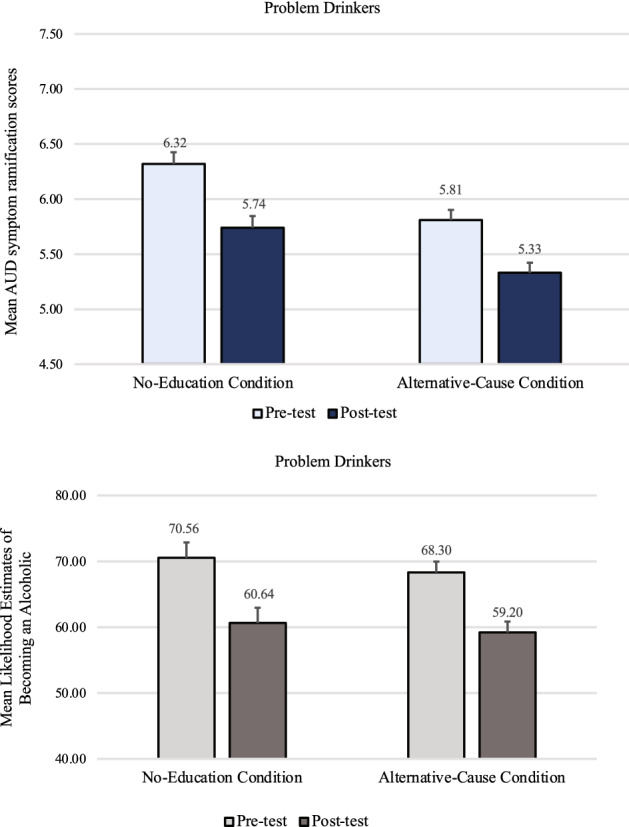
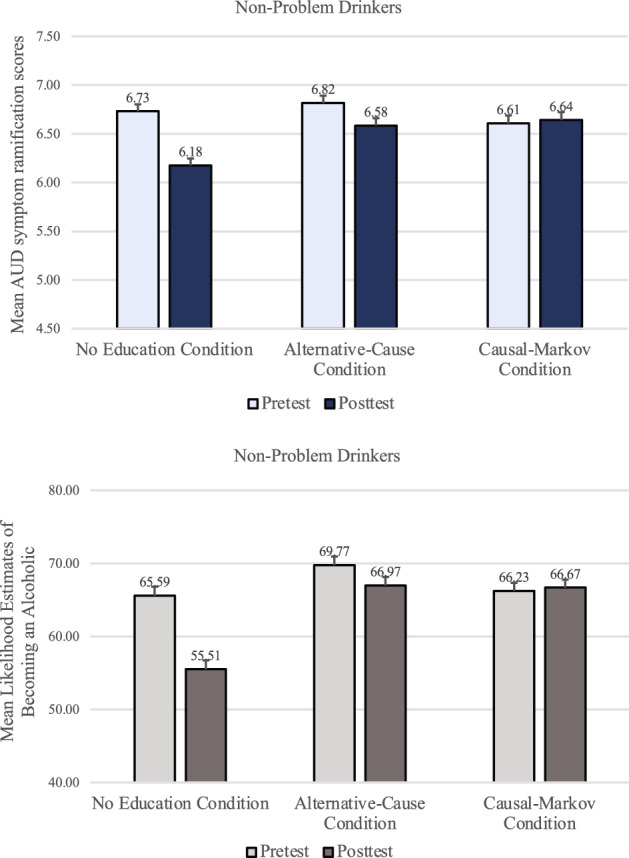
Most consumers of genetic testing for health conditions test negative, yet the psychological perils of this are hardly known. In three experiments (N = 2103) participants discounted repercussions of alcohol use disorder (AUD), after learning or imagining that they were not genetically predisposed to AUD. Such discounting can lead people to avoid treatment and to feel safe to continue or even increase their drinking, ironically turning the negative genetic feedback into a risk factor for AUD. Concerningly, the debriefing currently used by a direct-to-consumer genetic testing company failed to counteract this discounting among those already engaging in problematic drinking in all three studies. It was hypothesized that this discounting derives from not understanding the Causal Markov condition; once AUD symptoms are present, their ramifications remain the same regardless of whether genes or environmental factors caused the symptoms. Educating participants about this principle successfully mitigated the irrational discounting of threats of AUD.
大多数进行健康状况基因检测的消费者检测结果呈阴性,但人们几乎不了解这种检测的心理风险。在三项实验中(N=2103),参与者在得知或想象自己没有遗传易患酗酒障碍(AUD)后,对酗酒障碍的后果进行了贴现。这种贴现可能导致人们避免治疗,并感到安全,可以继续甚至增加饮酒量,讽刺的是,将负面的遗传反馈转化为 AUD 的风险因素。令人担忧的是,在所有三项研究中,一家直接面向消费者的基因检测公司的汇报程序都未能消除那些已经存在问题饮酒行为的人的这种贴现。据推测,这种贴现源于不理解因果马尔可夫条件;一旦出现 AUD 症状,无论症状是由基因还是环境因素引起的,其后果都是一样的。通过向参与者传授这一原则,成功地减轻了对 AUD 威胁的不合理贴现。