Cellular and Molecular Biomechanics Laboratory, Department of Bioengineering, Imperial College London, London SW7 2AZ, United Kingdom.
Manchester BIOGEL, Mereside, Alderley Park, Alderley Edge, Cheshire SK10 4TG, United Kingdom.
ACS Nano. 2022 Mar 22;16(3):4322-4337. doi: 10.1021/acsnano.1c10534. Epub 2022 Mar 7.
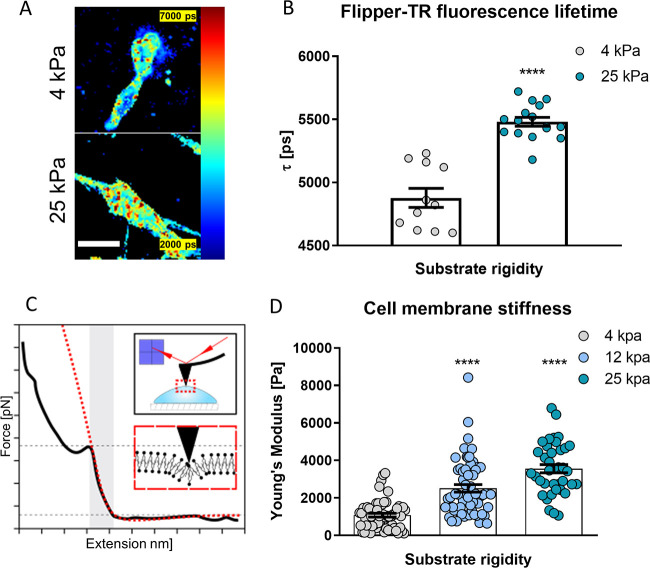
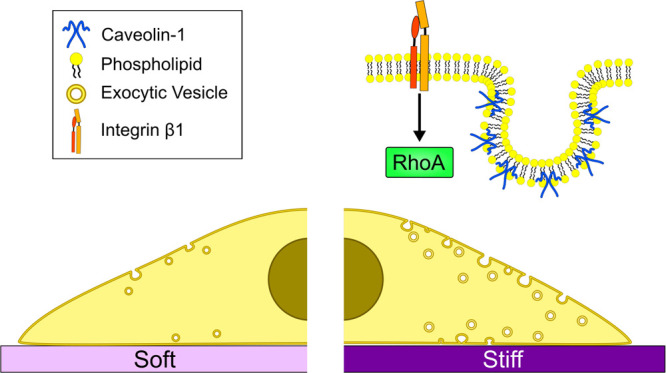
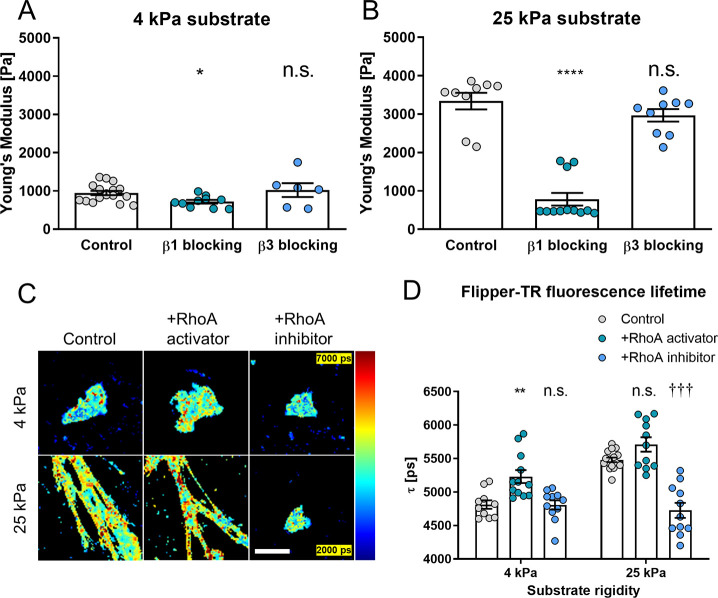
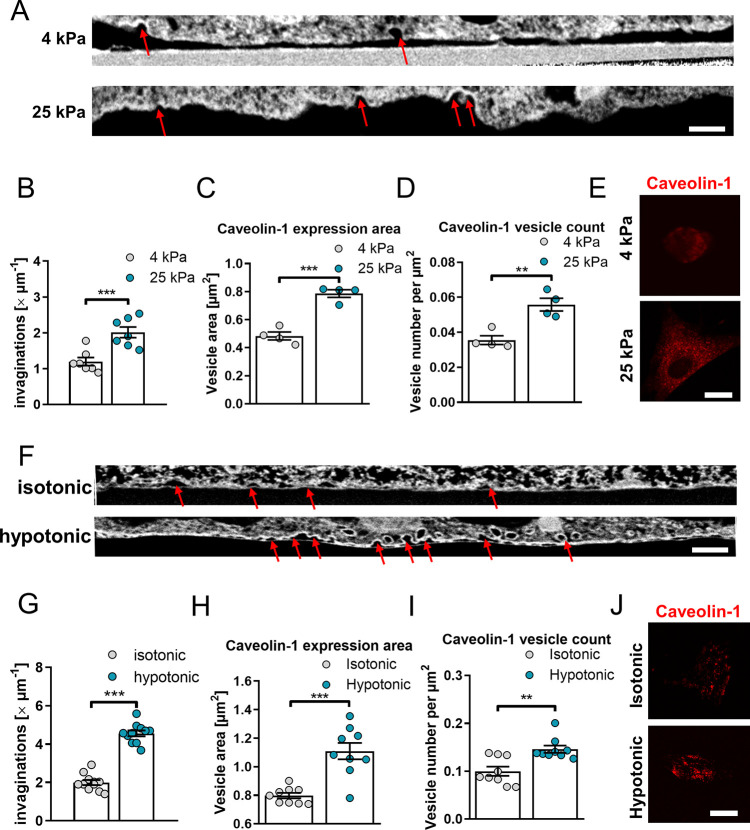
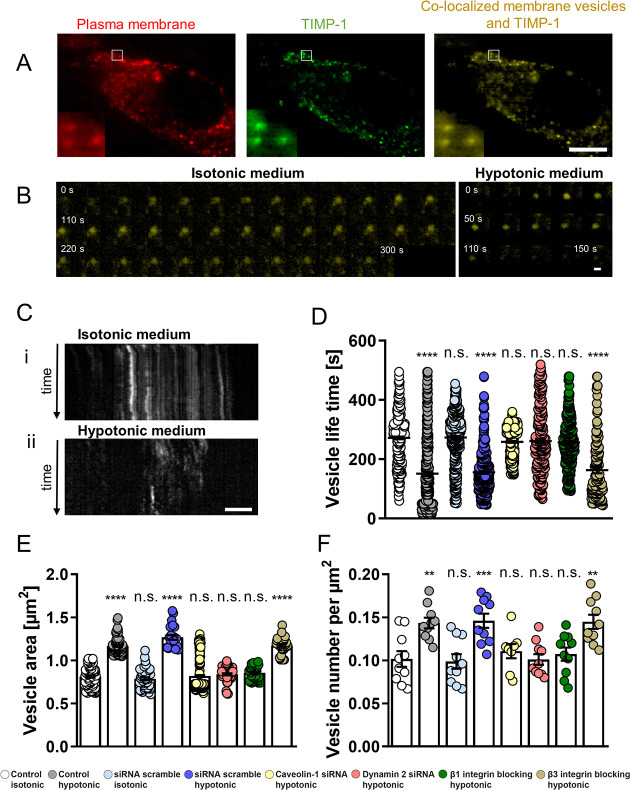
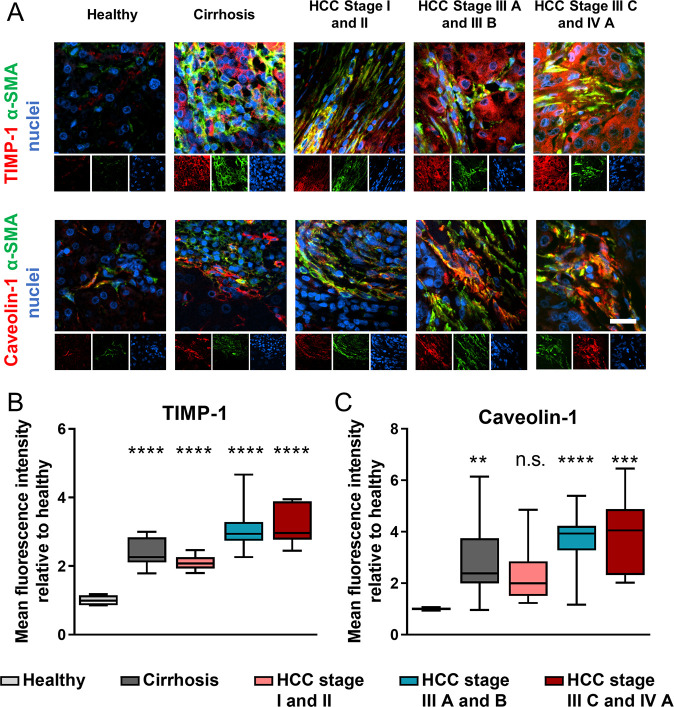
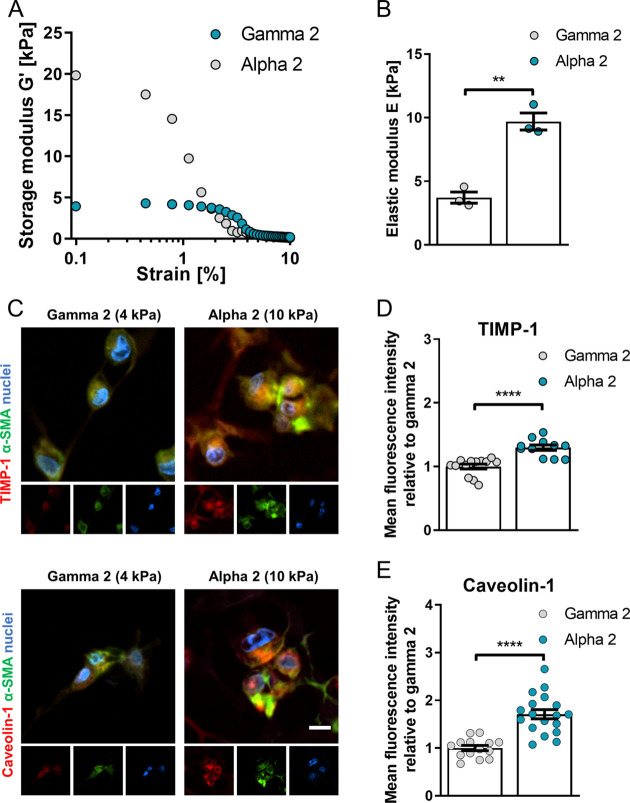
Liver fibrosis, a condition characterized by extensive deposition and cross-linking of extracellular matrix (ECM) proteins, is idiosyncratic in cases of chronic liver injury. The dysregulation of ECM remodeling by hepatic stellate cells (HSCs), the main mediators of fibrosis, results in an elevated ECM stiffness that drives the development of chronic liver disease such as cirrhosis and hepatocellular carcinoma. Tissue inhibitor of matrix metalloproteinase-1 (TIMP-1) is a key element in the regulation of ECM remodeling, which modulates the degradation and turnover of ECM components. We have previously reported that a rigid, fibrotic-like substrate can impact TIMP-1 expression at the protein level in HSCs without altering its mRNA expression. While HSCs are known to be highly susceptible to mechanical stimuli, the mechanisms through which mechanical cues regulate TIMP-1 at the post-translational level remain unclear. Here, we show a mechanism of regulation of plasma membrane tension by matrix stiffness. We found that this effect is orchestrated by the β1 integrin/RhoA axis and results in elevated exocytosis and secretion of TIMP-1 in a caveolin-1- and dynamin-2-dependent manner. We then show that TIMP-1 and caveolin-1 expression increases in cirrhosis and hepatocellular carcinoma. These conditions are associated with fibrosis, and this effect can be recapitulated in 3D fibrosis models consisting of hepatic stellate cells encapsulated in a self-assembling polypeptide hydrogel. This work positions stiffness-dependent membrane tension as a key regulator of enzyme secretion and function and a potential target for therapeutic strategies that aim at modulating ECM remodeling in chronic liver disease.
肝纤维化是一种以细胞外基质(ECM)蛋白广泛沉积和交联为特征的疾病,在慢性肝损伤的情况下具有独特性。肝星状细胞(HSCs)是纤维化的主要介导者,它们对 ECM 重塑的失调导致 ECM 硬度升高,从而推动了慢性肝病如肝硬化和肝细胞癌的发展。基质金属蛋白酶组织抑制剂-1(TIMP-1)是 ECM 重塑调节的关键因素,它调节 ECM 成分的降解和更新。我们之前曾报道过,刚性、纤维化样基质可以在不改变其 mRNA 表达的情况下影响 HSCs 中 TIMP-1 的蛋白水平表达。虽然 HSCs 已知对机械刺激高度敏感,但机械线索通过何种机制在翻译后水平调节 TIMP-1 仍不清楚。在这里,我们展示了基质刚度对质膜张力的调节机制。我们发现,这种效应是由β1 整合素/RhoA 轴协调的,导致 TIMP-1 通过 caveolin-1 和 dynamin-2 依赖性方式的胞吐作用和分泌增加。然后我们发现 TIMP-1 和 caveolin-1 的表达在肝硬化和肝细胞癌中增加。这些情况与纤维化有关,这种效应可以在由肝星状细胞包封在自组装多肽水凝胶中的 3D 纤维化模型中重现。这项工作将依赖于刚性的膜张力定位为酶分泌和功能的关键调节剂,以及针对旨在调节慢性肝病中 ECM 重塑的治疗策略的潜在目标。