Austad Steven N, Ballinger Scott, Buford Thomas W, Carter Christy S, Smith Daniel L, Darley-Usmar Victor, Zhang Jianhua
Department of Biology, University of Alabama at Birmingham, Birmingham, AL 35294, USA.
Department of Pathology, University of Alabama at Birmingham, Birmingham, AL 35294, USA.
Acta Pharm Sin B. 2022 Feb;12(2):511-531. doi: 10.1016/j.apsb.2021.06.014. Epub 2021 Jun 30.
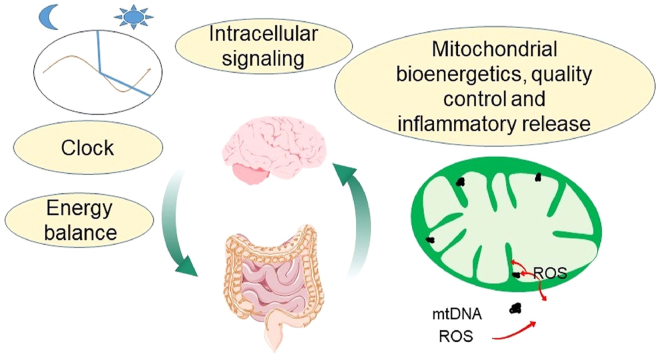
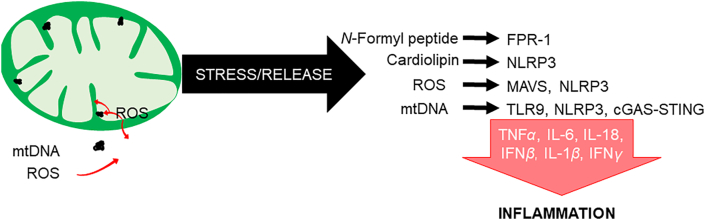
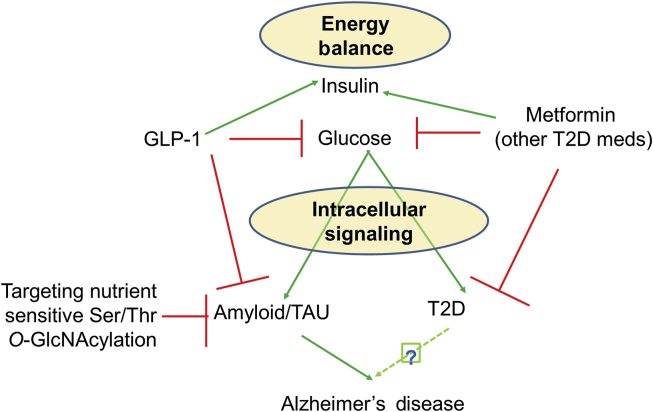
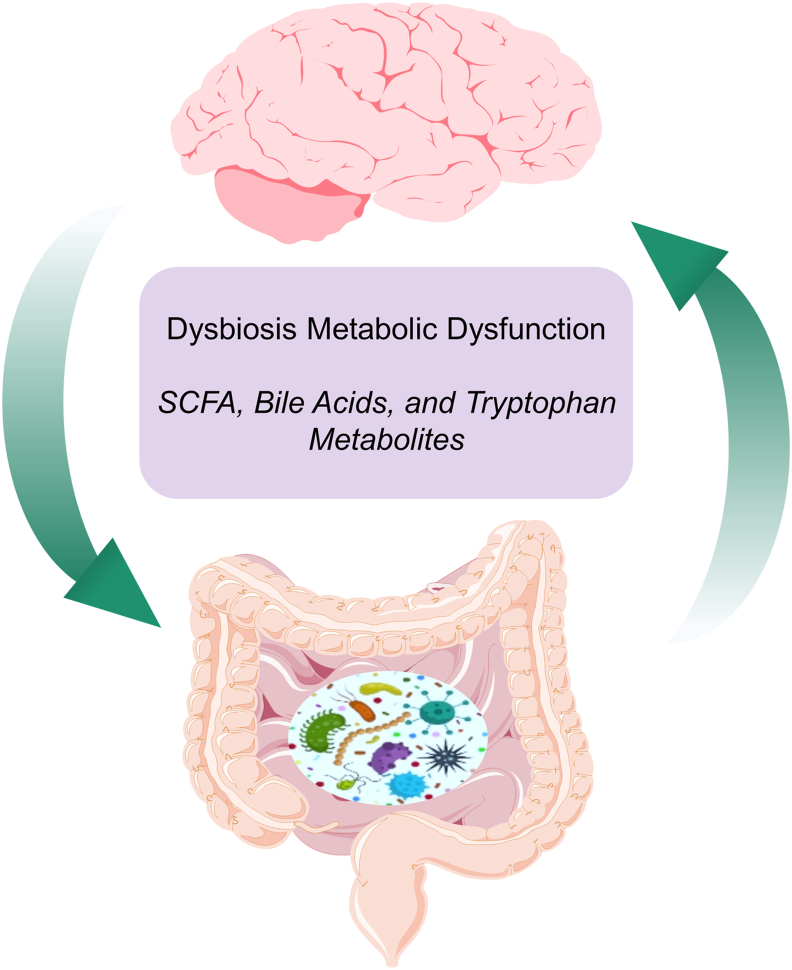
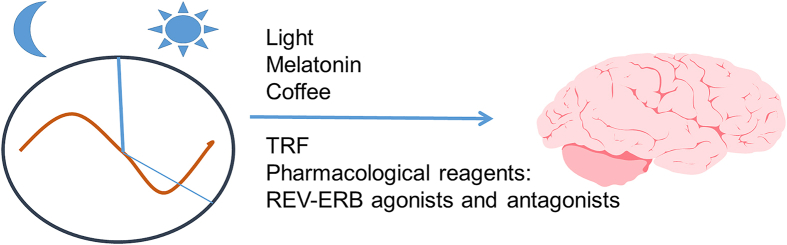
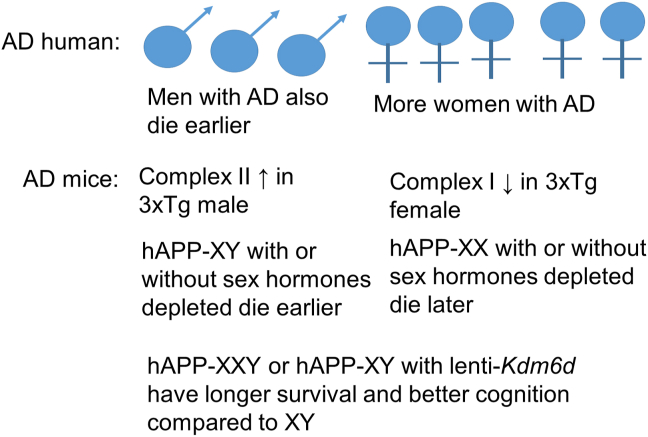
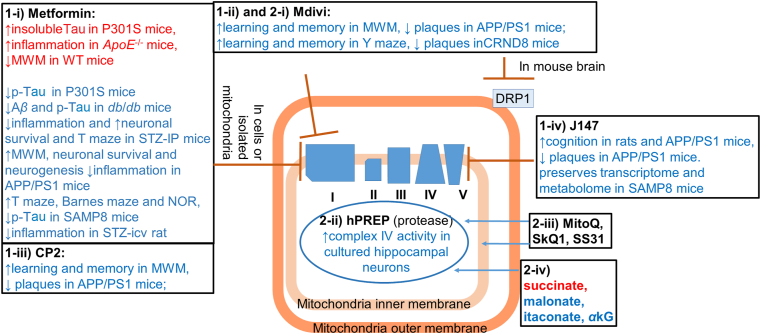
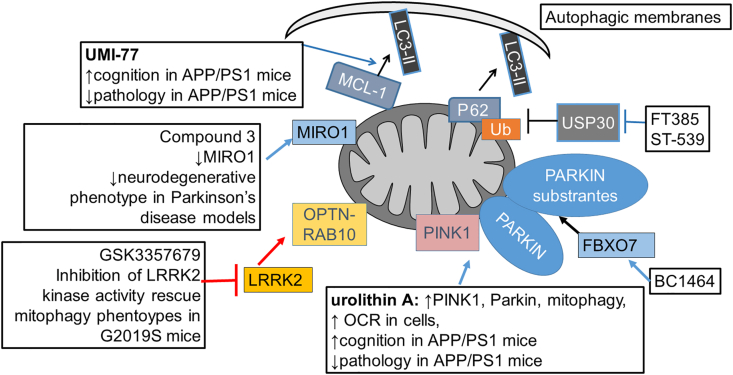
Aging is by far the most prominent risk factor for Alzheimer's disease (AD), and both aging and AD are associated with apparent metabolic alterations. As developing effective therapeutic interventions to treat AD is clearly in urgent need, the impact of modulating whole-body and intracellular metabolism in preclinical models and in human patients, on disease pathogenesis, have been explored. There is also an increasing awareness of differential risk and potential targeting strategies related to biological sex, microbiome, and circadian regulation. As a major part of intracellular metabolism, mitochondrial bioenergetics, mitochondrial quality-control mechanisms, and mitochondria-linked inflammatory responses have been considered for AD therapeutic interventions. This review summarizes and highlights these efforts.
衰老无疑是阿尔茨海默病(AD)最显著的风险因素,衰老和AD都与明显的代谢改变有关。由于迫切需要开发有效的治疗干预措施来治疗AD,因此人们已经探索了在临床前模型和人类患者中调节全身和细胞内代谢对疾病发病机制的影响。人们也越来越意识到与生物性别、微生物群和昼夜节律调节相关的差异风险和潜在靶向策略。作为细胞内代谢的主要部分,线粒体生物能量学、线粒体质量控制机制以及与线粒体相关的炎症反应已被纳入AD治疗干预的考虑范围。本综述总结并强调了这些研究成果。