Center for Data and Decision Sciences, Chongqing University of Posts and Telecommunications, Chongqing, China.
Department of Mathematical Sciences, University of Memphis, Memphis, TN, United States of America.
PLoS One. 2022 Mar 8;17(3):e0264794. doi: 10.1371/journal.pone.0264794. eCollection 2022.
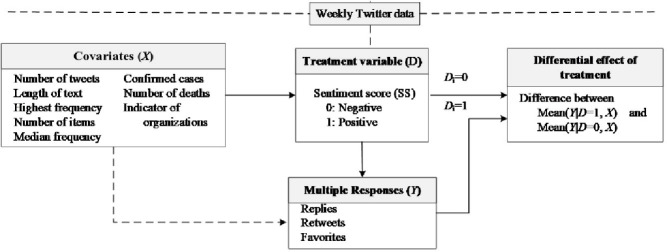
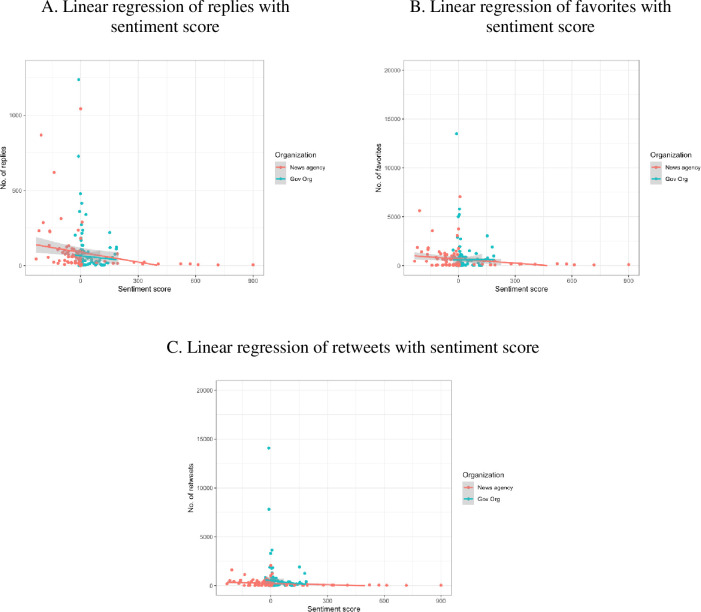
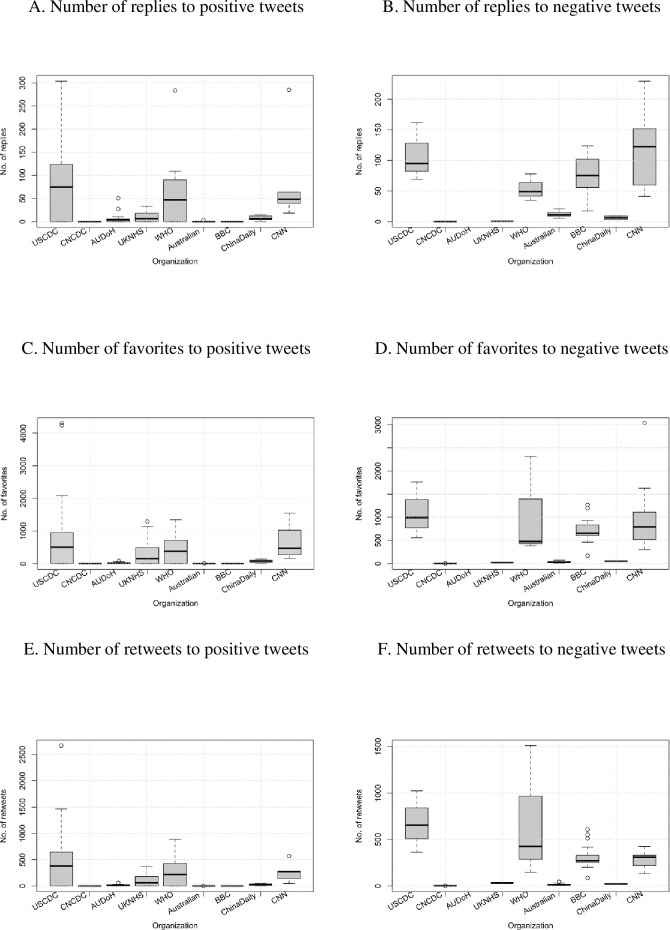
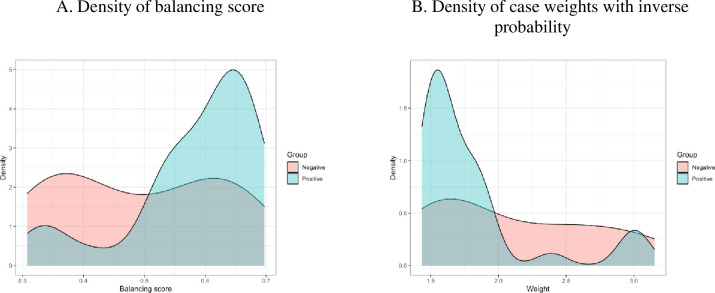
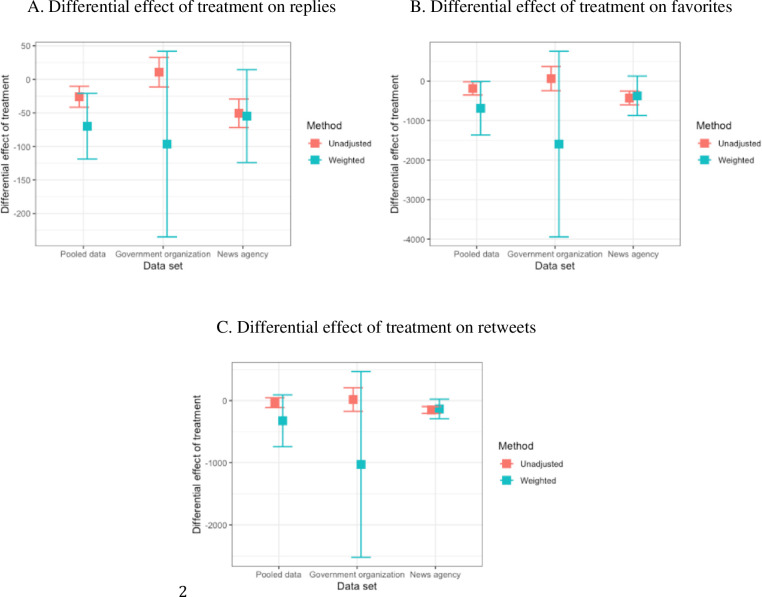
Coronavirus disease 2019 (COVID-19) has triggered an enormous number of discussion topics on social media Twitter. It has an impact on the global health system and citizen responses to the pandemic. Multiple responses (replies, favorites, and retweets) reflect the followers' attitudes and emotions towards these tweets. Twitter data such as these have inspired substantial research interest in sentiment and social trend analyses. To date, studies on Twitter data have focused on the associational relationships between variables in a population. There is a need for further discovery of causality, such as the influence of sentiment polarity of tweet response on further discussion topics. These topics often reflect the human perception of COVID-19. This study addresses this exact topic. It aims to develop a new method to unveil the causal relationships between the sentiment polarity and responses in social media data. We employed sentiment polarity, i.e., positive or negative sentiment, as the treatment variable in this quasi-experimental study. The data is the tweets posted by nine authoritative public organizations in four countries and the World Health Organization from December 1, 2019, to May 10, 2020. Employing the inverse probability weighting model, we identified the treatment effect of sentiment polarity on the multiple responses of tweets. The topics with negative sentiment polarity on COVID-19 attracted significantly more replies (69±49) and favorites (688±677) than the positive tweets. However, no significant difference in the number of retweets was found between the negative and positive tweets. This study contributes a new method for social media analysis. It generates new insight into the influence of sentiment polarity of tweets about COVID-19 on tweet responses.
新型冠状病毒肺炎(COVID-19)在社交媒体 Twitter 上引发了大量讨论话题。它对全球卫生系统和公民对大流行的反应产生了影响。多个回复(回复、收藏和转发)反映了关注者对这些推文的态度和情绪。这些推文等 Twitter 数据激发了人们对情感和社会趋势分析的大量研究兴趣。迄今为止,对 Twitter 数据的研究主要集中在人群中变量之间的关联关系上。需要进一步发现因果关系,例如推文回复的情感极性对进一步讨论主题的影响。这些主题通常反映了人类对 COVID-19 的感知。本研究正是针对这一主题。它旨在开发一种新方法来揭示社交媒体数据中情感极性和回复之间的因果关系。我们将情感极性(即积极或消极的情感)作为本准实验研究中的处理变量。数据是来自 2019 年 12 月 1 日至 2020 年 5 月 10 日期间九个权威公共组织和世界卫生组织在 Twitter 上发布的推文。我们采用逆概率加权模型,确定了情感极性对推文多个回复的处理效果。关于 COVID-19 的负面情感极性的主题吸引了更多的回复(69±49)和收藏(688±677),而正面推文则没有。然而,负面和正面推文之间的转发数量没有发现显著差异。本研究为社交媒体分析贡献了一种新方法。它深入了解了 COVID-19 推文的情感极性对推文回复的影响。