Department of Food Science and Human Nutrition, University of Illinois at Urbana-Champaign, Urbana, Illinois.
Division of Nutritional Sciences, University of Illinois at Urbana-Champaign, Urbana, Illinois.
Mol Cancer Res. 2022 Jun 3;20(6):923-937. doi: 10.1158/1541-7786.MCR-21-0781.
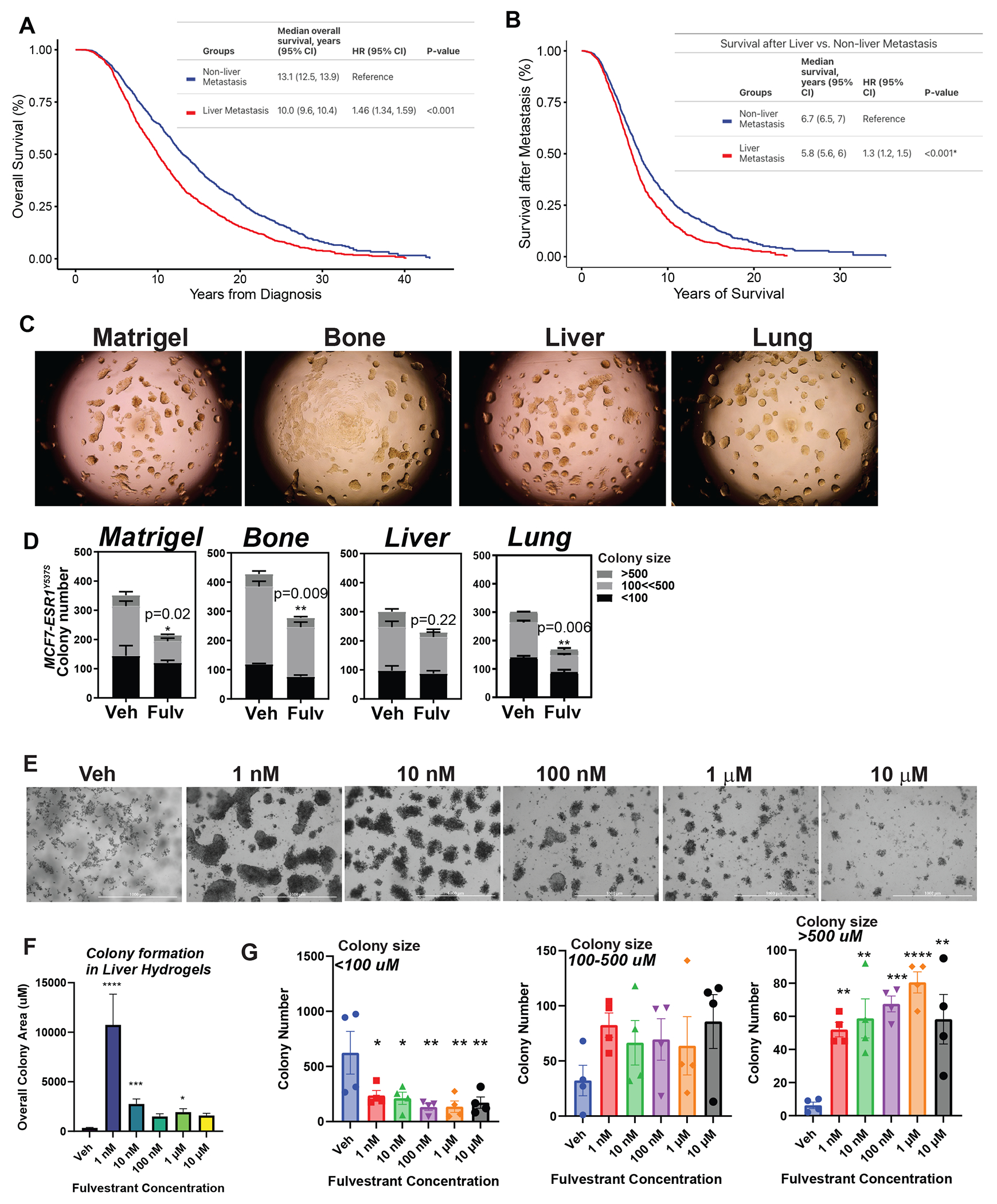
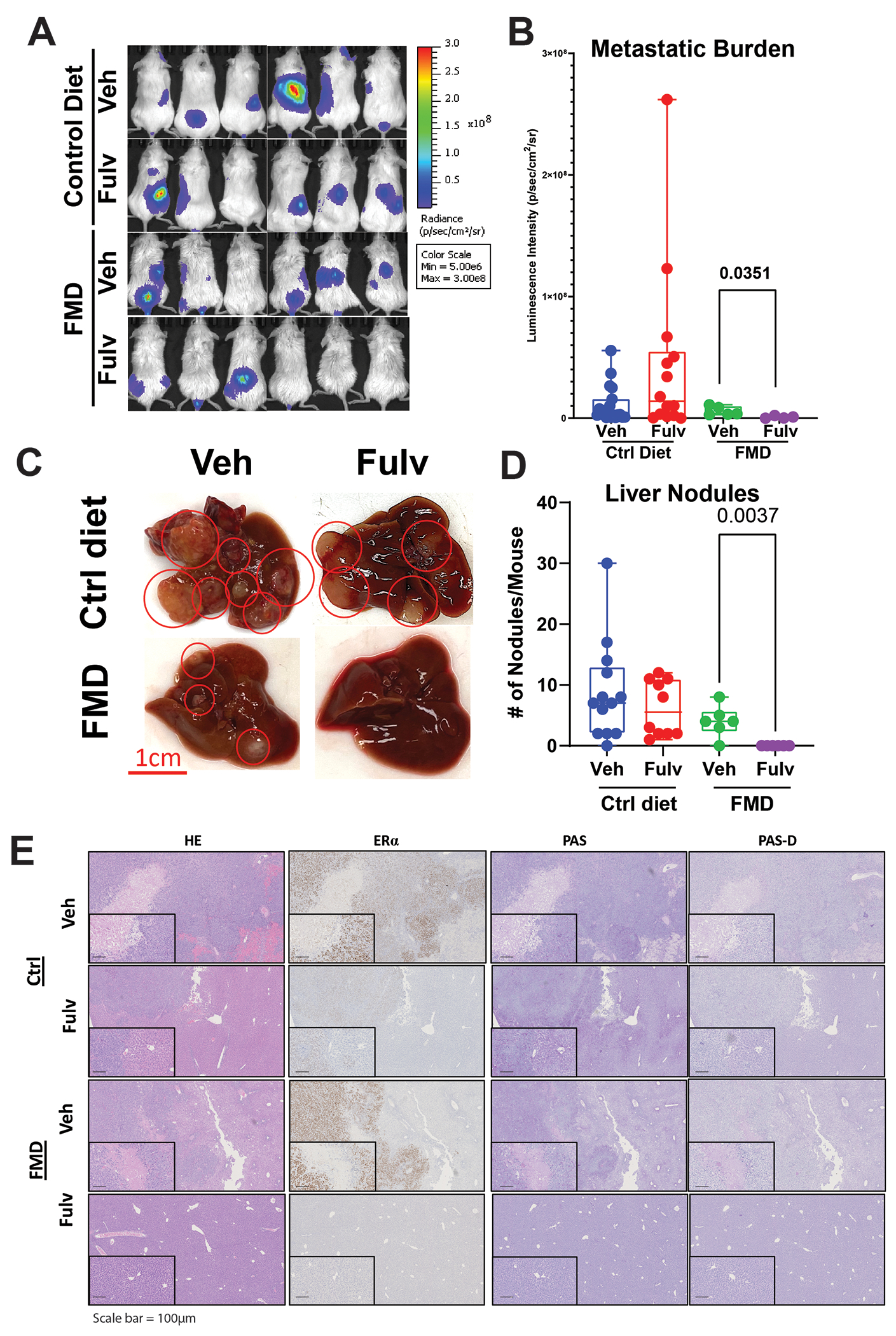
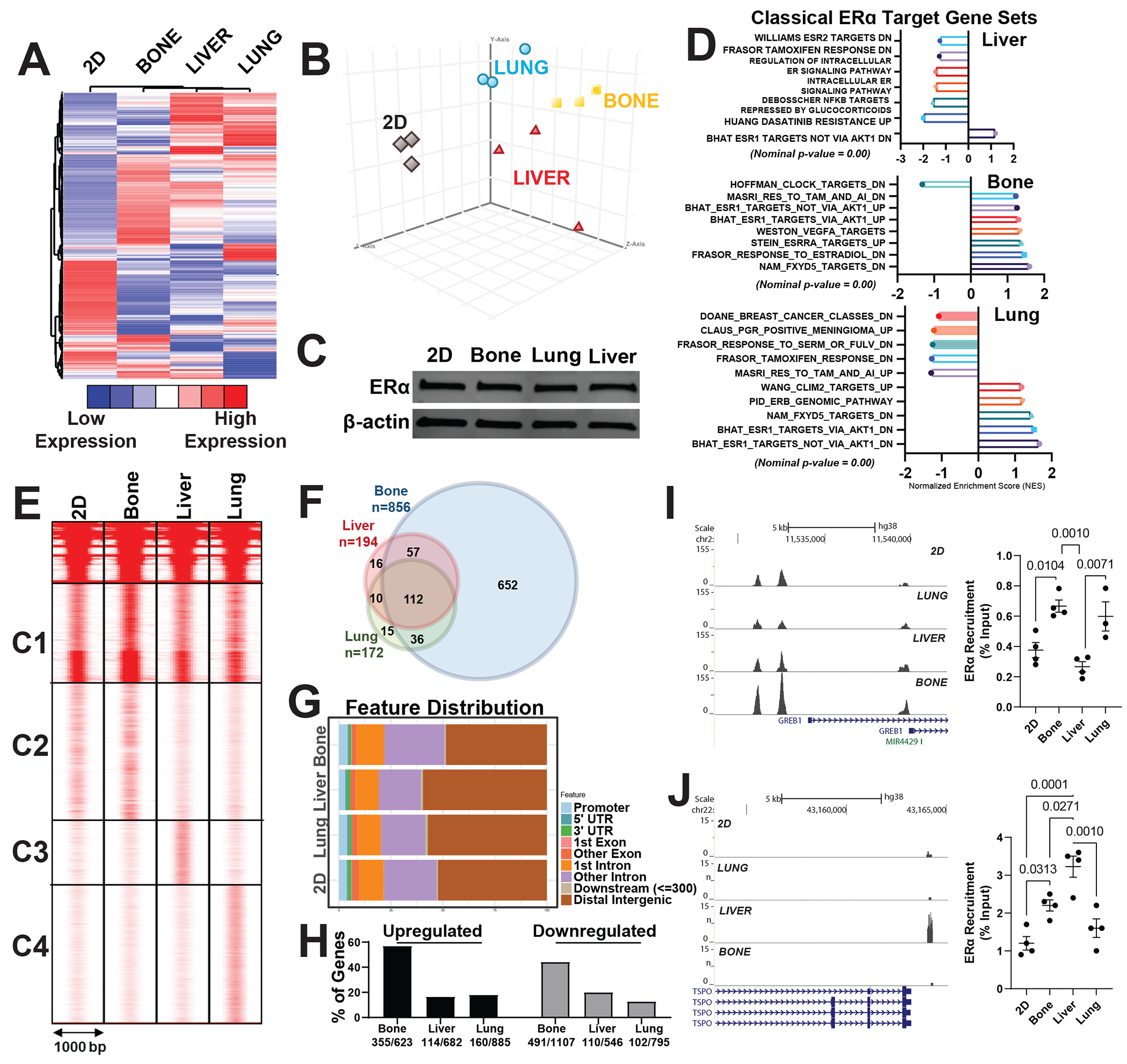
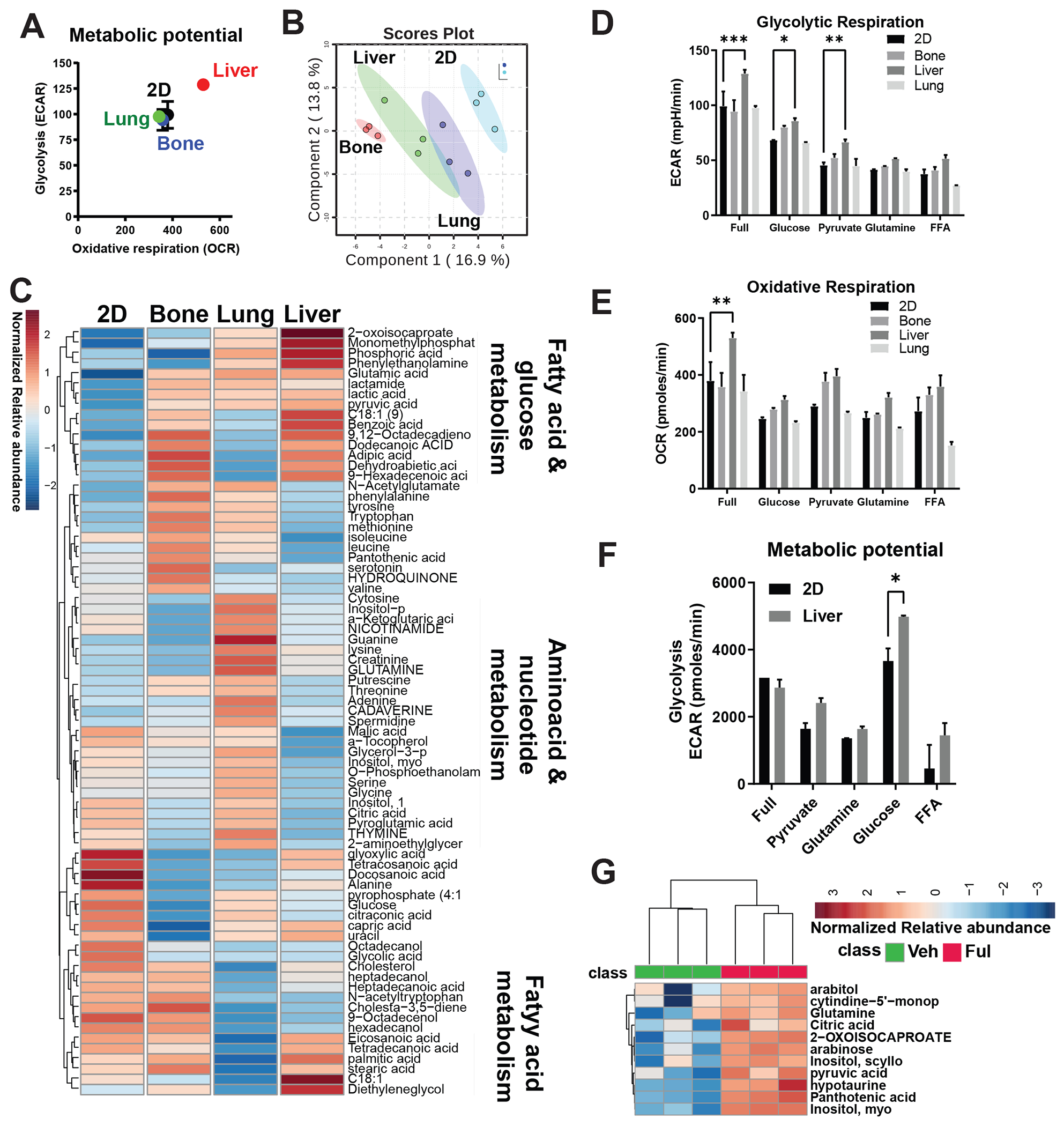
Estrogen receptor-positive (ER+) metastatic tumors contribute to nearly 70% of breast cancer-related deaths. Most patients with ER+ metastatic breast cancer (MBC) undergo treatment with the estrogen receptor antagonist fulvestrant as standard of care. Yet, among such patients, metastasis in liver is associated with reduced overall survival compared with other metastasis sites. The factors underlying the reduced responsiveness of liver metastases to ER-targeting agents remain unknown, impeding the development of more effective treatment approaches to improve outcomes for patients with ER+ liver metastases. We therefore evaluated site-specific changes in MBC cells and determined the mechanisms through which the liver metastatic niche specifically influences ER+ tumor metabolism and drug resistance. We characterized ER activity of MBC cells both in vitro, using a novel system of tissue-specific extracellular matrix hydrogels representing the stroma of ER+ tumor metastatic sites (liver, lung, and bone), and in vivo, in liver and lung metastasis mouse models. ER+ metastatic liver tumors and MBC cells grown in liver hydrogels displayed upregulated expression of glucose metabolism enzymes in response to fulvestrant. Furthermore, differential ERα activity, but not expression, was detected in liver hydrogels. In vivo, increased glucose metabolism led to increased glycogen deposition in liver metastatic tumors, while a fasting-mimicking diet increased efficacy of fulvestrant treatment to reduce the metastatic burden. Our findings identify a novel mechanism of endocrine resistance driven by the liver tumor microenvironment.
These results may guide the development of dietary strategies to circumvent drug resistance in liver metastasis, with potential applicability in other metastatic diseases.
雌激素受体阳性(ER+)转移性肿瘤导致近 70%的乳腺癌相关死亡。大多数 ER+转移性乳腺癌(MBC)患者接受雌激素受体拮抗剂氟维司群作为标准治疗。然而,在这些患者中,与其他转移部位相比,肝转移与总生存期降低相关。肝转移对 ER 靶向药物反应性降低的背后因素尚不清楚,这阻碍了开发更有效的治疗方法来改善 ER+肝转移患者的预后。因此,我们评估了 MBC 细胞的特定部位变化,并确定了肝转移微环境通过何种机制特异性影响 ER+肿瘤代谢和耐药性。我们在体外使用代表 ER+肿瘤转移部位(肝、肺和骨)基质的组织特异性细胞外基质水凝胶的新系统,以及在肝和肺转移小鼠模型中,对 MBC 细胞的 ER 活性进行了表征。用氟维司群处理后,在体外,在 ER+转移性肝肿瘤和在肝水凝胶中生长的 MBC 细胞中,葡萄糖代谢酶的表达上调。此外,在肝水凝胶中检测到差异 ERα 活性,但不是表达。在体内,葡萄糖代谢增加导致肝转移性肿瘤中糖原沉积增加,而禁食模拟饮食增加了氟维司群治疗的疗效,从而减少转移负担。我们的研究结果确定了由肝肿瘤微环境驱动的新的内分泌抵抗机制。
这些结果可能为开发规避肝转移药物耐药性的饮食策略提供指导,对其他转移性疾病具有潜在适用性。