Department of Physiology and Pharmacology, Karolinska Institutet, 17165 Stockholm, Sweden.
Department of Neuroimmunology, Center for Brain Research, Medical University Vienna, 1090 Vienna, Austria.
Semin Cell Dev Biol. 2023 Mar 30;138:68-80. doi: 10.1016/j.semcdb.2022.02.017. Epub 2022 Mar 5.
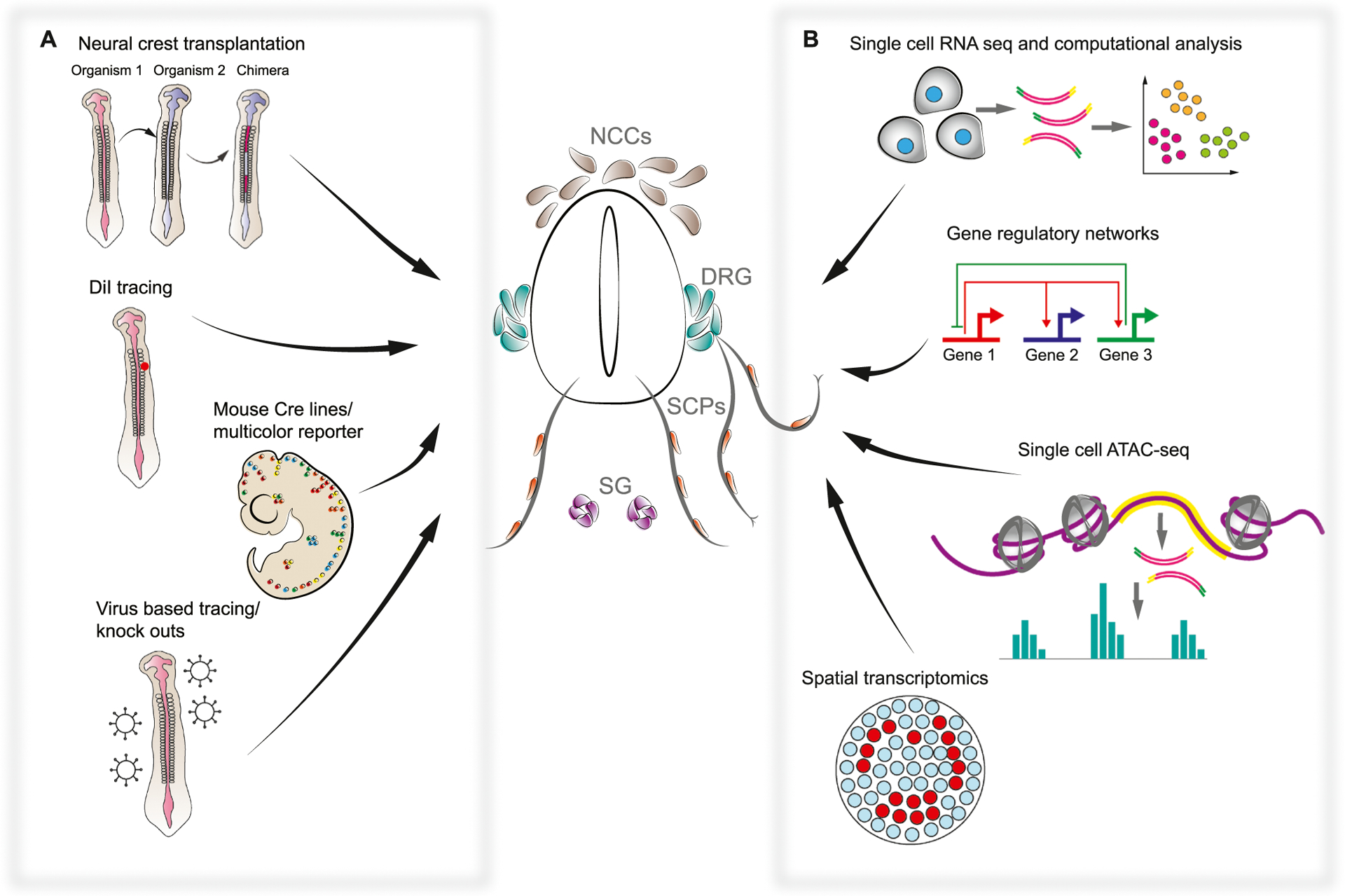
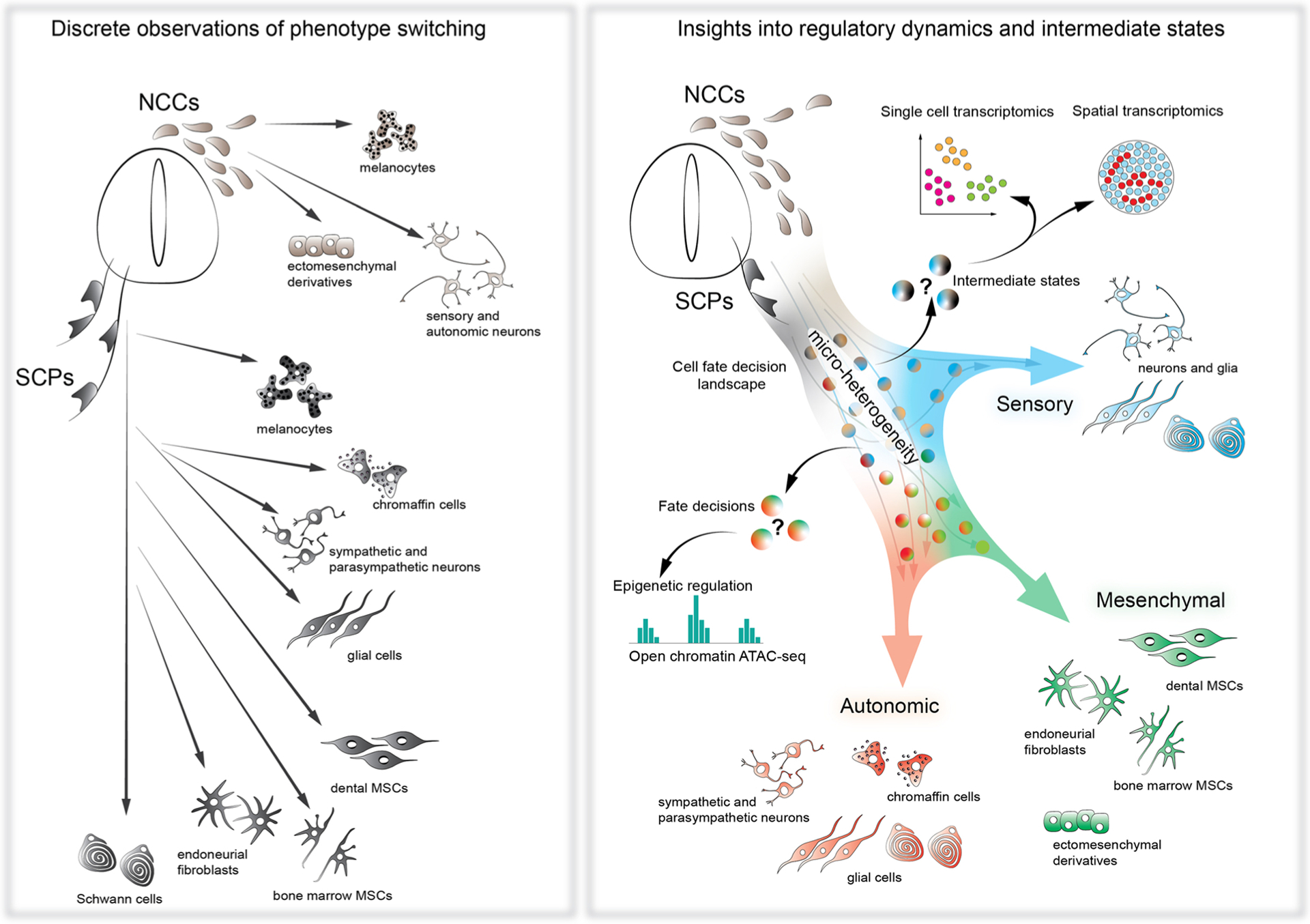
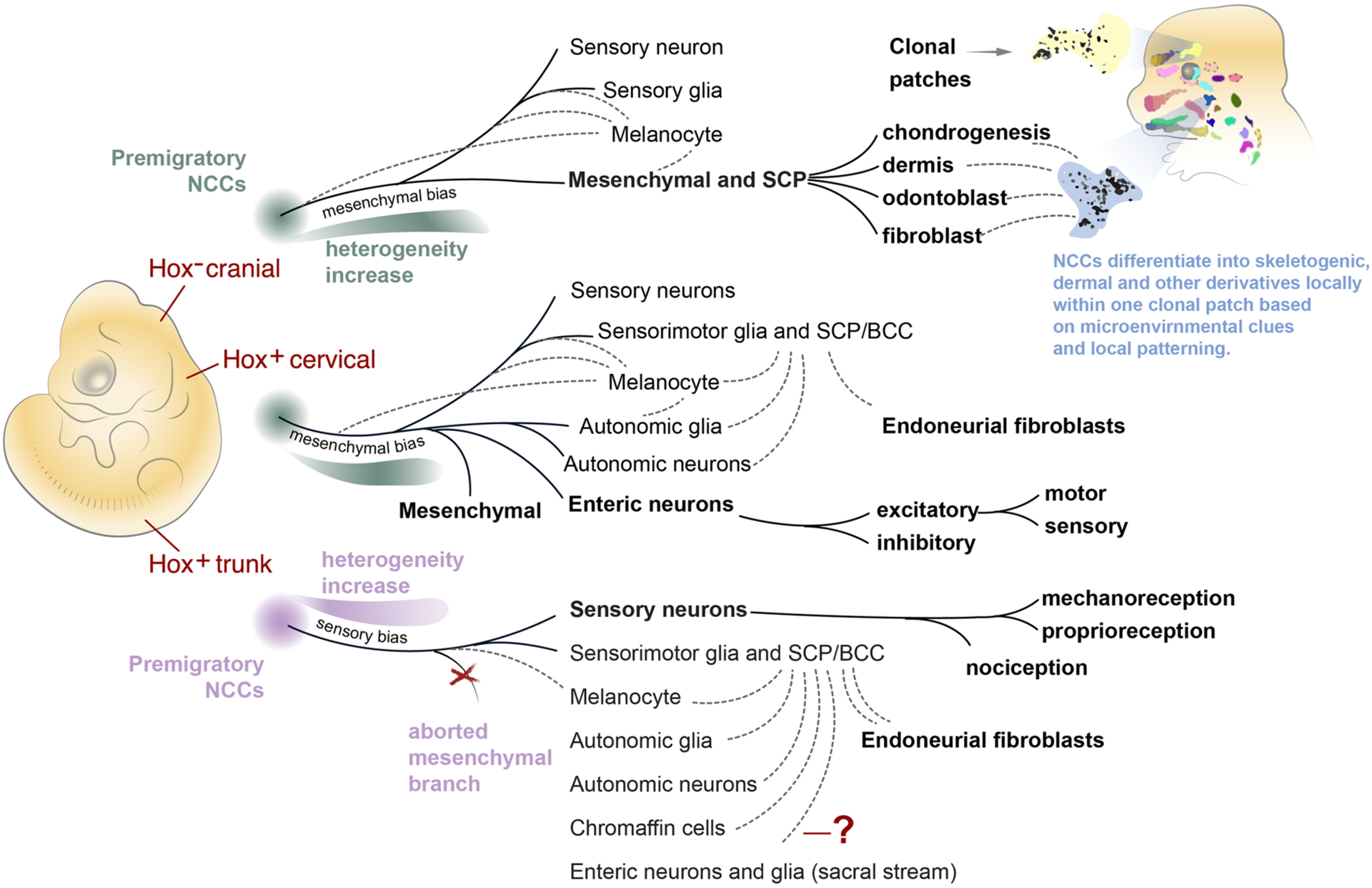
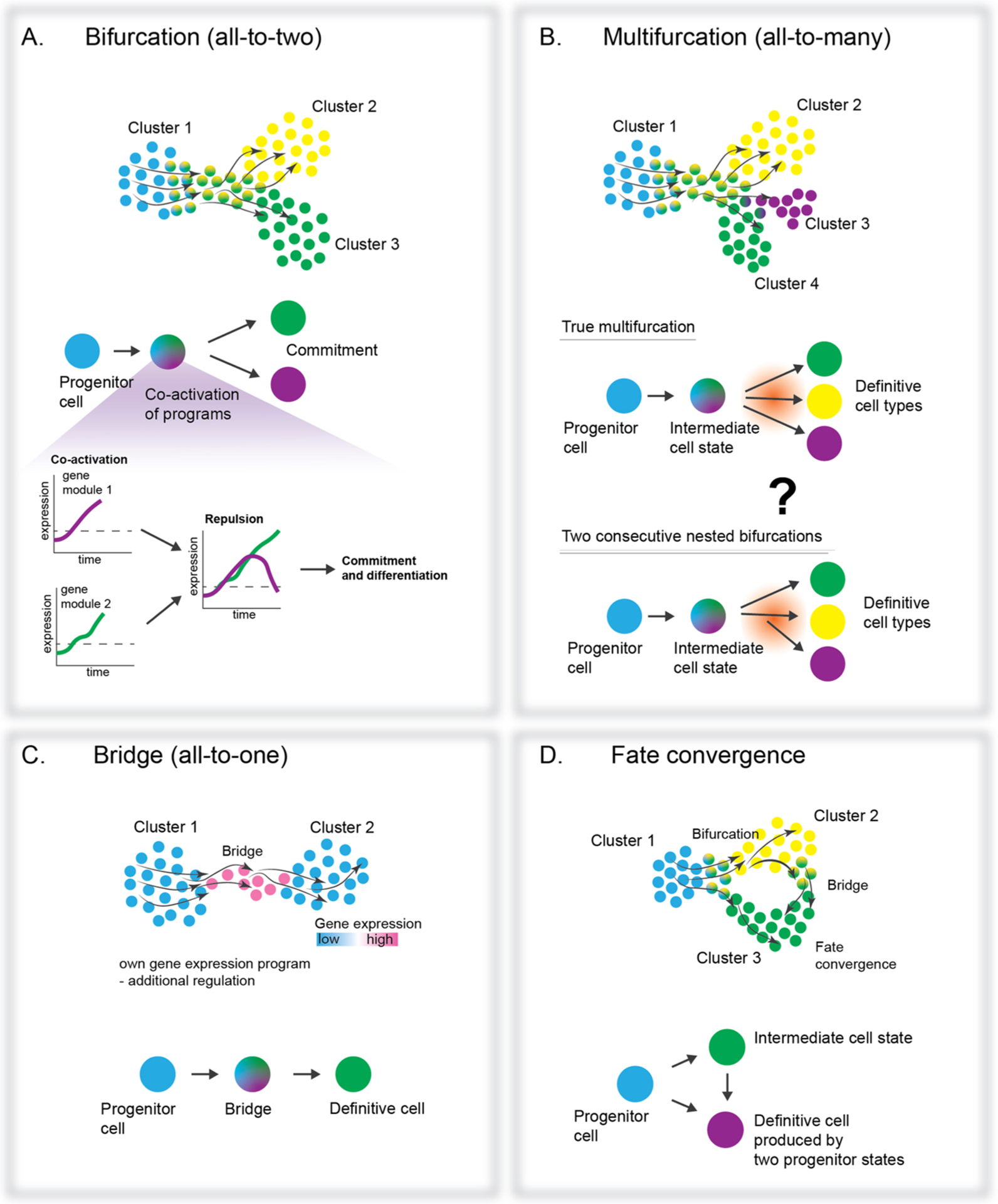
Since the discovery of this cell population by His in 1850, the neural crest has been under intense study for its important role during vertebrate development. Much has been learned about the function and regulation of neural crest cell differentiation, and as a result, the neural crest has become a key model system for stem cell biology in general. The experiments performed in embryology, genetics, and cell biology in the last 150 years in the neural crest field has given rise to several big questions that have been debated intensely for many years: "How does positional information impact developmental potential? Are neural crest cells individually multipotent or a mixed population of committed progenitors? What are the key factors that regulate the acquisition of stem cell identity, and how does a stem cell decide to differentiate towards one cell fate versus another?" Recently, a marriage between single cell multi-omics, statistical modeling, and developmental biology has shed a substantial amount of light on these questions, and has paved a clear path for future researchers in the field.
自 1850 年 His 发现这种细胞群以来,神经嵴因其在脊椎动物发育过程中的重要作用而受到了深入研究。人们已经了解了神经嵴细胞分化的功能和调节,因此,神经嵴已成为干细胞生物学的一个关键模型系统。在过去的 150 年中,在神经嵴领域进行的胚胎学、遗传学和细胞生物学实验提出了几个大问题,这些问题多年来一直激烈争论:“位置信息如何影响发育潜能?神经嵴细胞是个体多能性还是具有特定祖细胞的混合群体?调节获得干细胞特性的关键因素是什么,以及干细胞如何决定向一种细胞命运而非另一种细胞命运分化?”最近,单细胞多组学、统计建模和发育生物学的结合为这些问题提供了大量的启示,并为该领域的未来研究人员铺平了道路。