Department of Neurosurgery, The Ohio State University College of Medicine, Columbus, OH 43210, USA; Department of Neurosurgery, University of Pittsburgh School of Medicine, Pittsburgh, PA 15213, USA.
Department of Neurosurgery, University of Pittsburgh School of Medicine, Pittsburgh, PA 15213, USA.
Cell Rep. 2022 Mar 8;38(10):110477. doi: 10.1016/j.celrep.2022.110477.
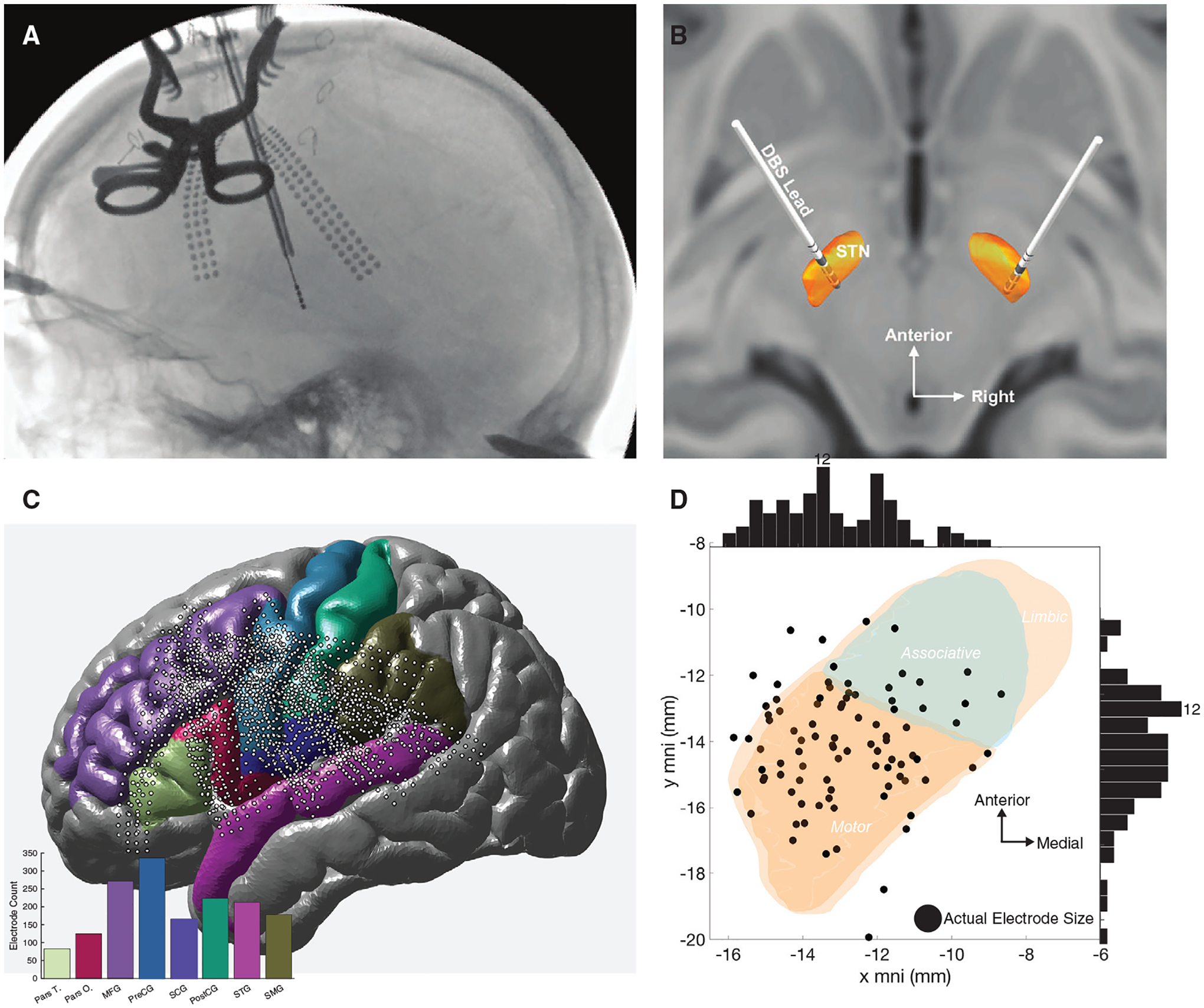
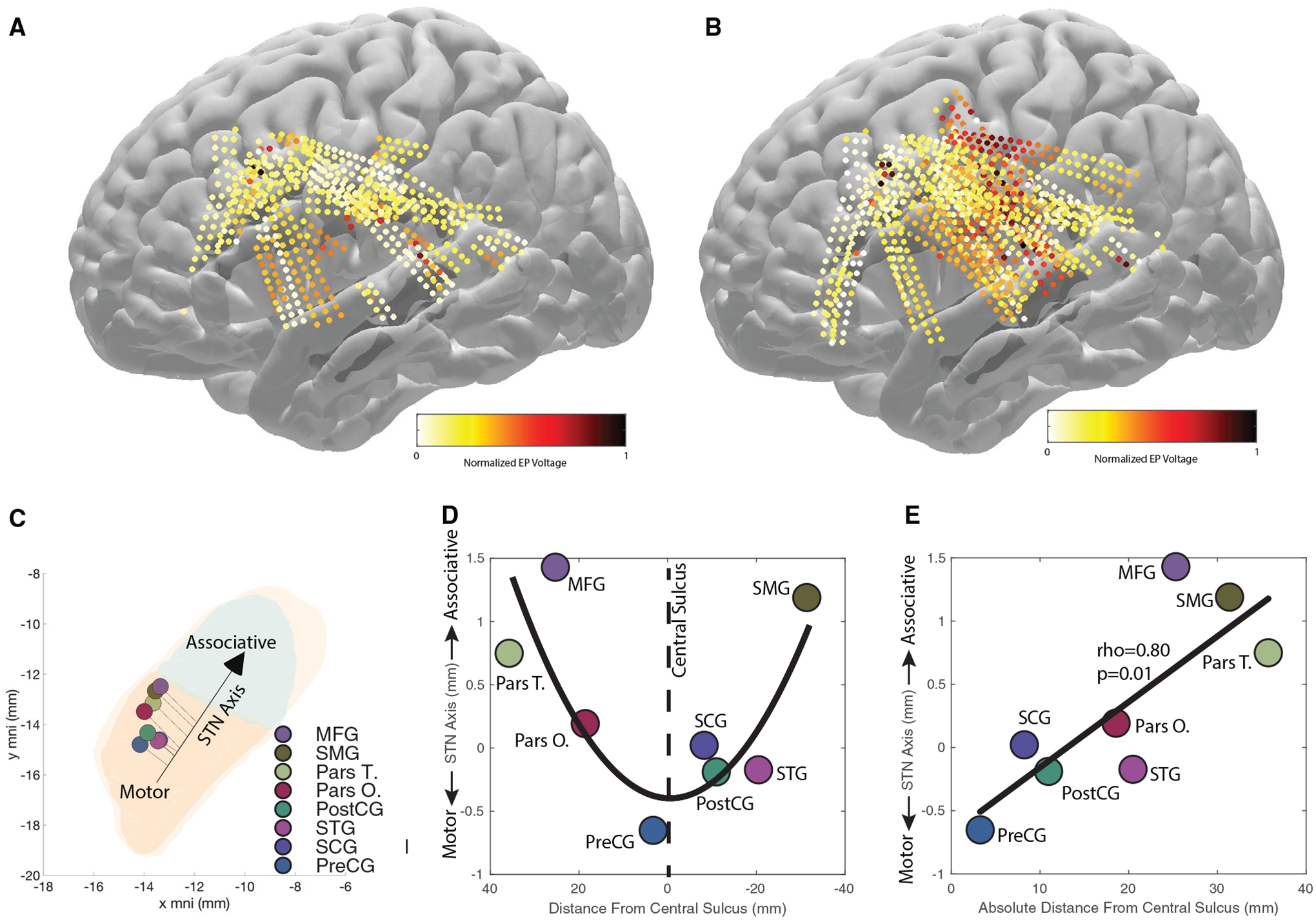
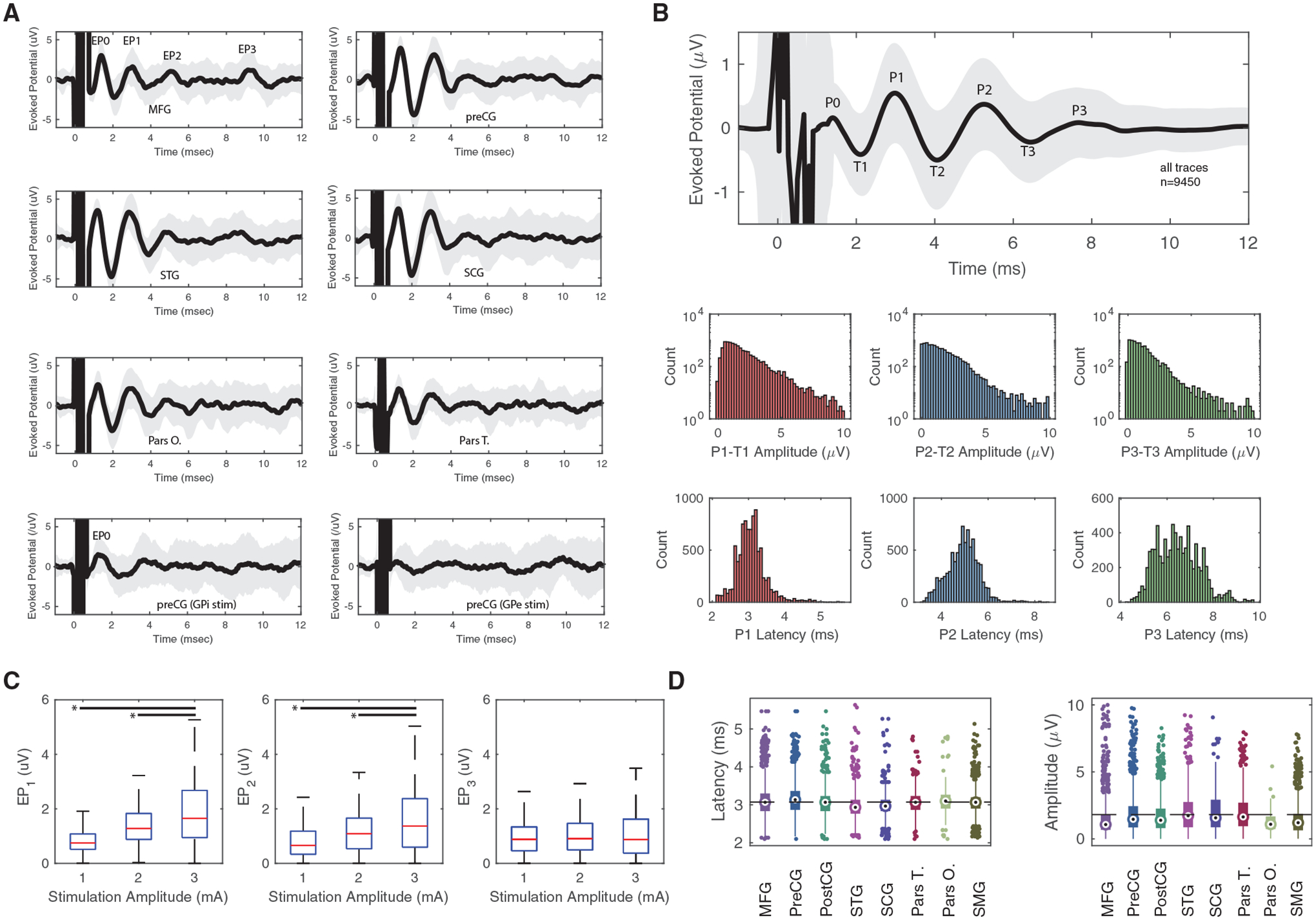
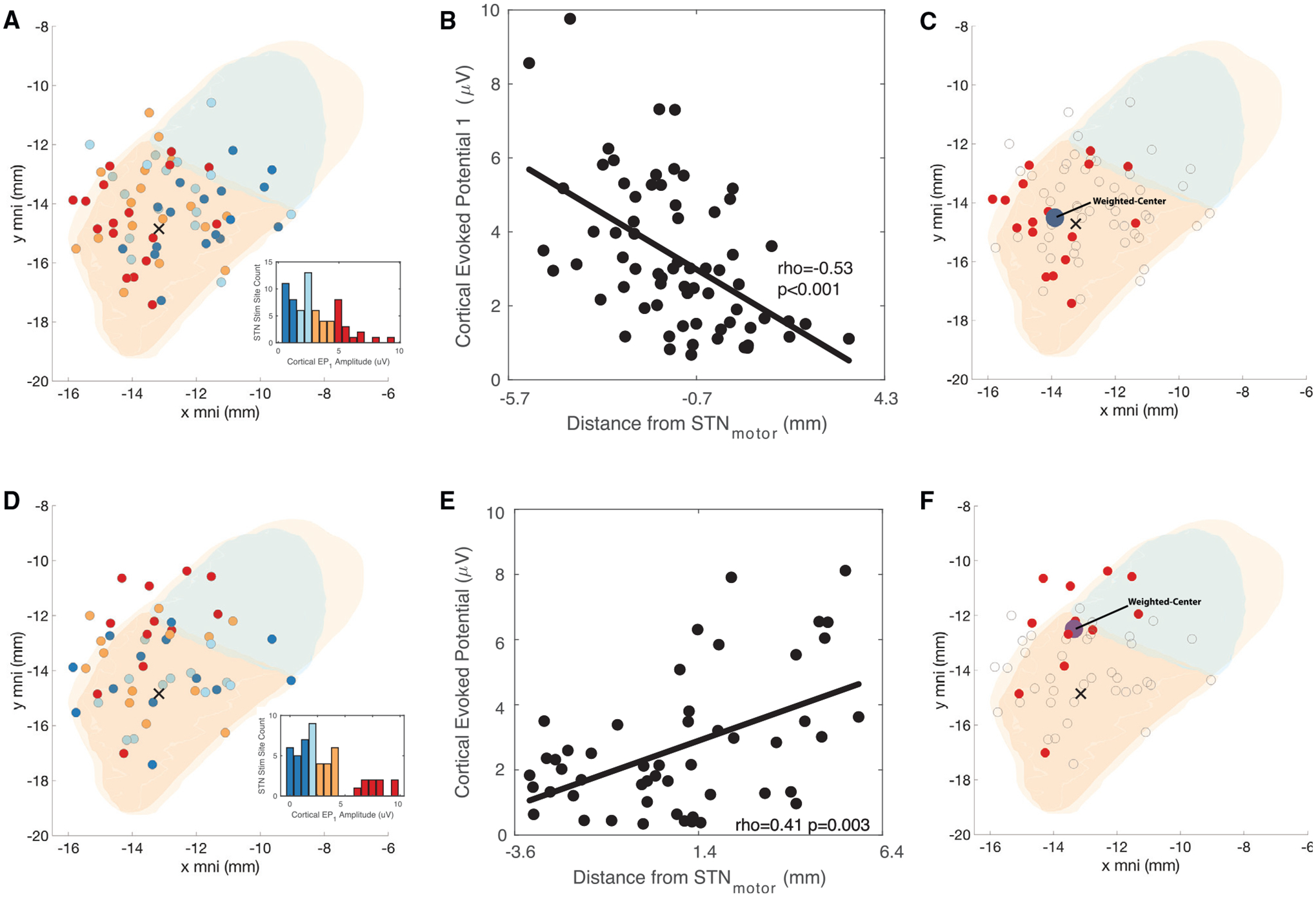
How the basal ganglia participate in the uniquely human behavior of speech is poorly understood, despite their known role in modulating critical aspects of cognitive and motor behavior. The subthalamic nucleus (STN) is well positioned to facilitate basal ganglia functions critical for speech. Using electrocorticography in patients undergoing awake deep brain stimulation (DBS) surgery, evidence is reported for a left opercular hyperdirect pathway in humans via stimulating the STN and examining antidromic-evoked activity in the left temporal, parietal, and frontal opercular cortex. These high-resolution cortical and subcortical mapping data provide evidence for hyperdirect connectivity between the inferior frontal gyrus and the STN. In addition, evoked potential data are consistent with the presence of monosynaptic projections from areas of the opercular speech cortex that are primarily sensory, including the auditory cortex, to the STN. These connections may be unique to humans, evolving alongside the ability for speech.
尽管基底神经节在调节认知和运动行为的关键方面发挥着已知的作用,但它们在参与人类特有的言语行为方面的作用仍知之甚少。丘脑底核(STN)的位置很好,可以促进对言语至关重要的基底神经节功能。使用接受清醒深部脑刺激(DBS)手术的患者的皮质脑电图,报告了通过刺激 STN 并检查左侧颞叶、顶叶和额叶脑岛皮质中的逆行激发活动,在人类中存在左侧脑岛的超直接通路的证据。这些高分辨率的皮质和皮质下映射数据为额下回和 STN 之间的超直接连接提供了证据。此外,诱发电位数据与来自脑岛言语皮质的主要感觉区域(包括听觉皮层)到 STN 的单突触投射的存在一致。这些连接可能是人类特有的,与言语能力一起进化而来。