Department of Pancreatic Surgery, Union Hospital, Tongji Medical College, Huazhong University of Science and Technology, Wuhan, 430022 China.
Sino-German Laboratory of Personalized Medicine for Pancreatic Cancer, Union Hospital, Tongji Medical College, Huazhong University of Science and Technology, Wuhan, 430022 China.
Theranostics. 2022 Jan 31;12(5):2080-2094. doi: 10.7150/thno.69444. eCollection 2022.
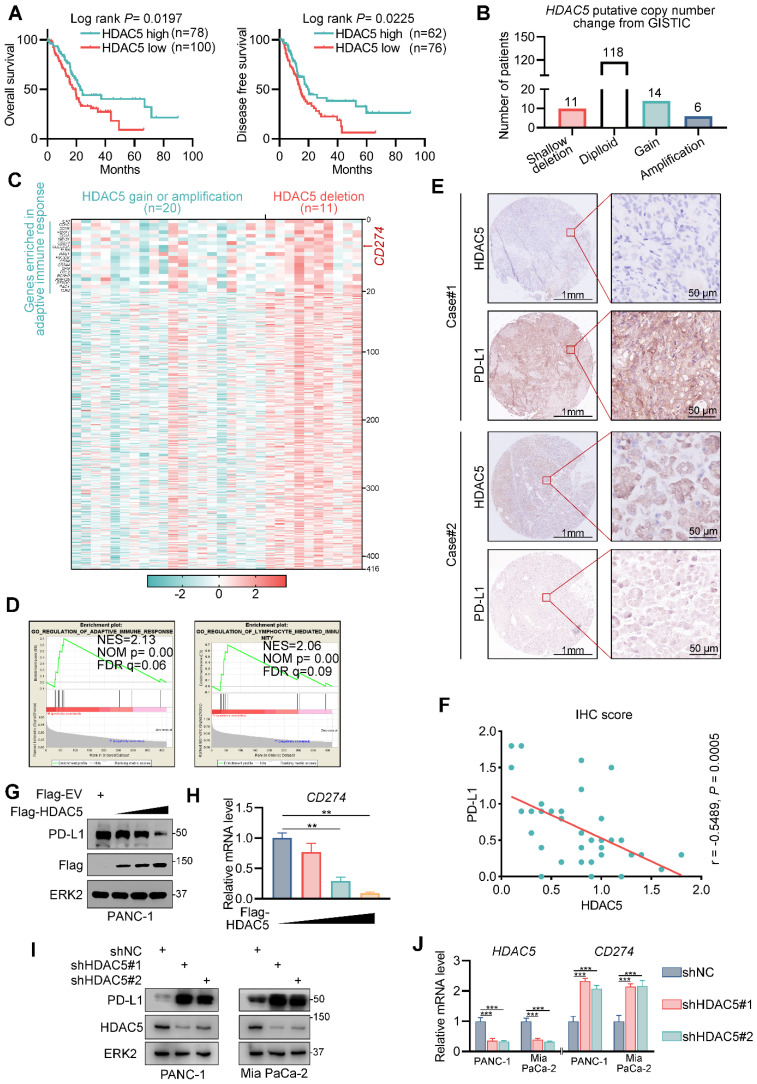
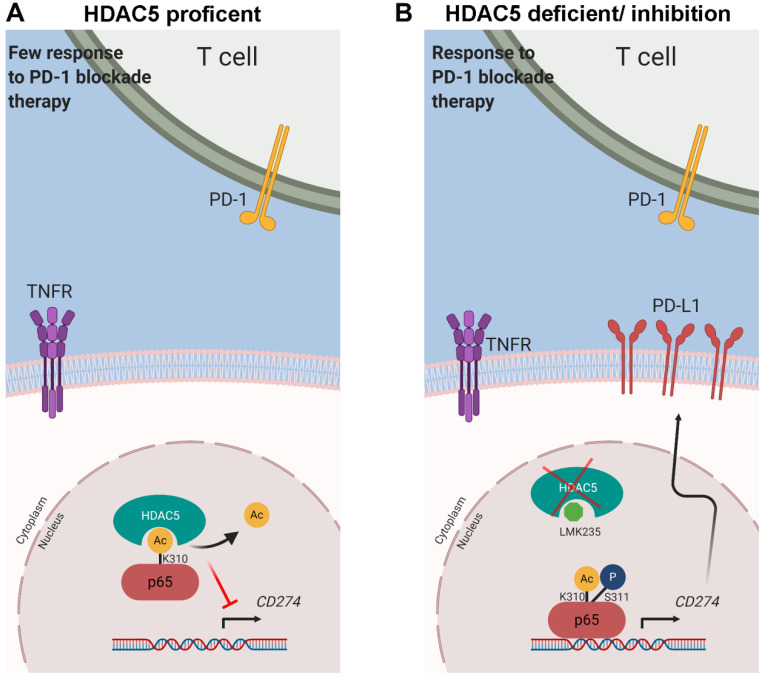
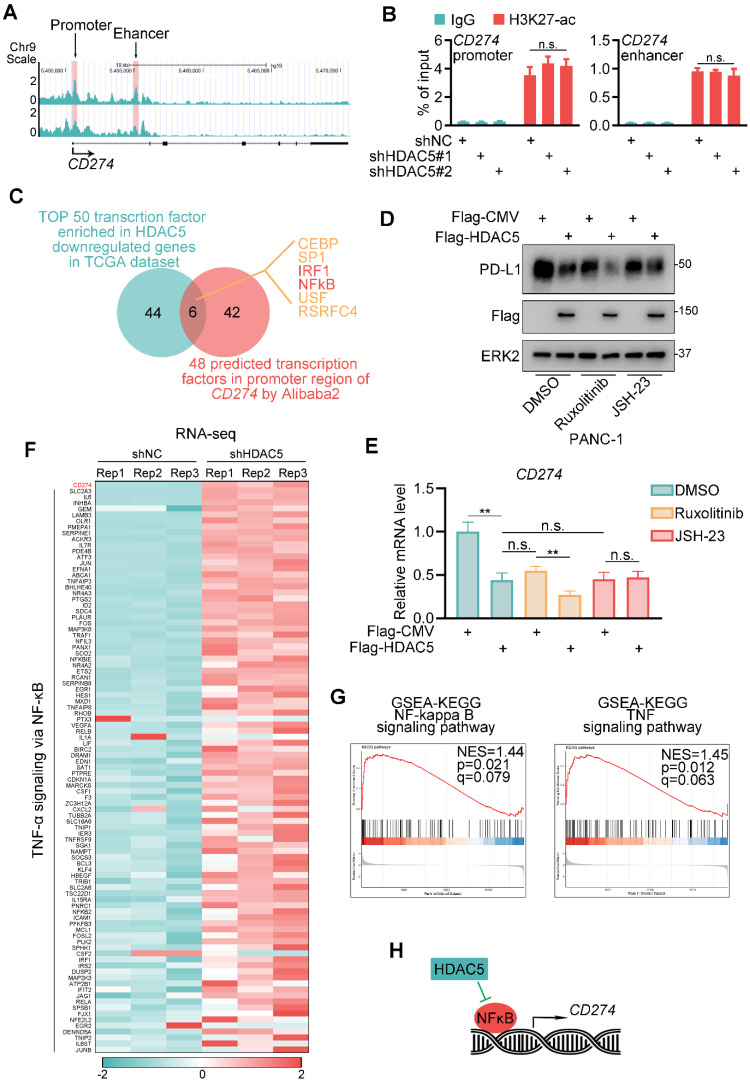
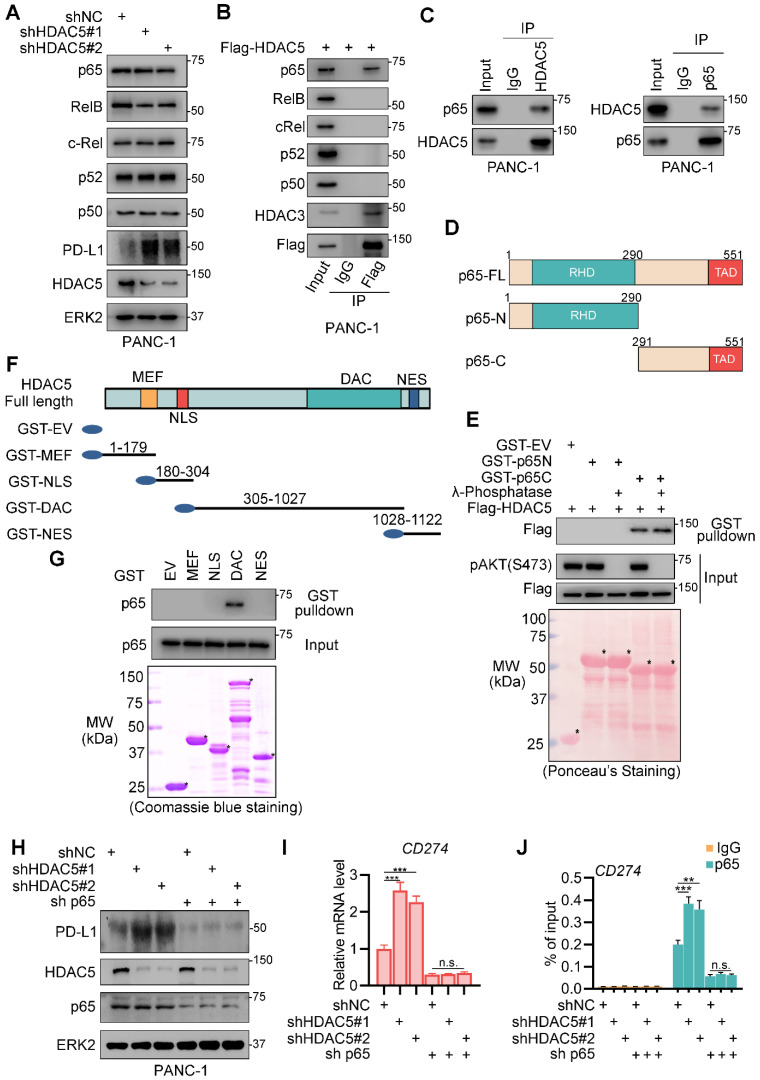
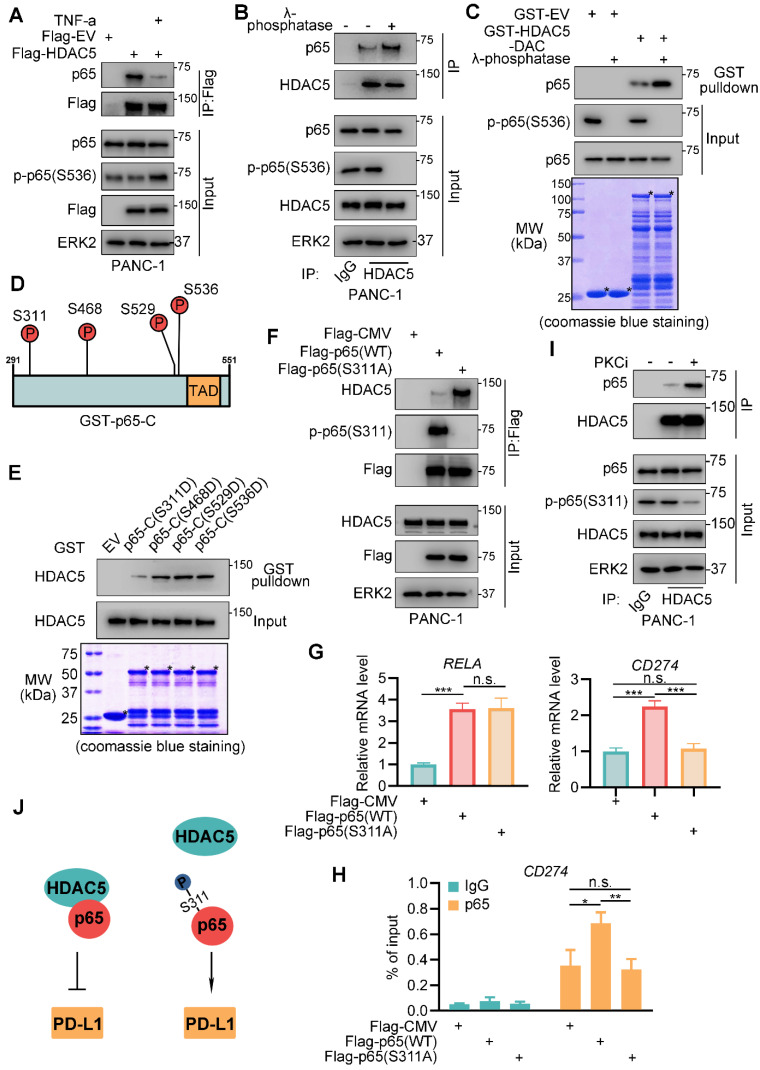
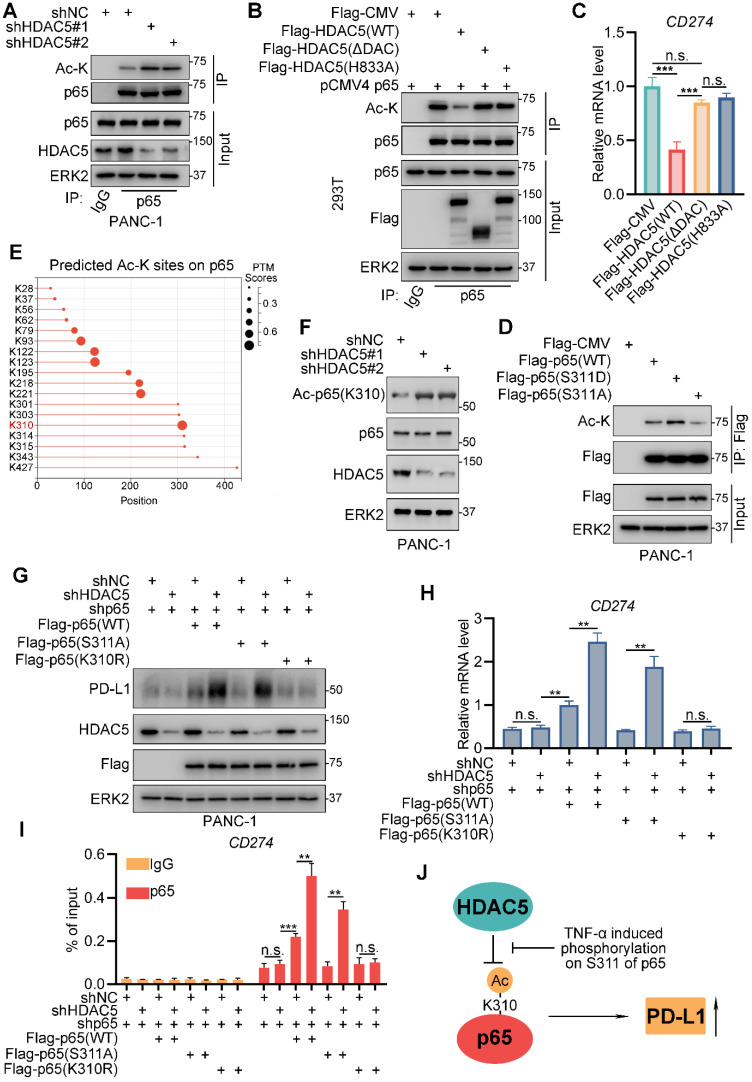
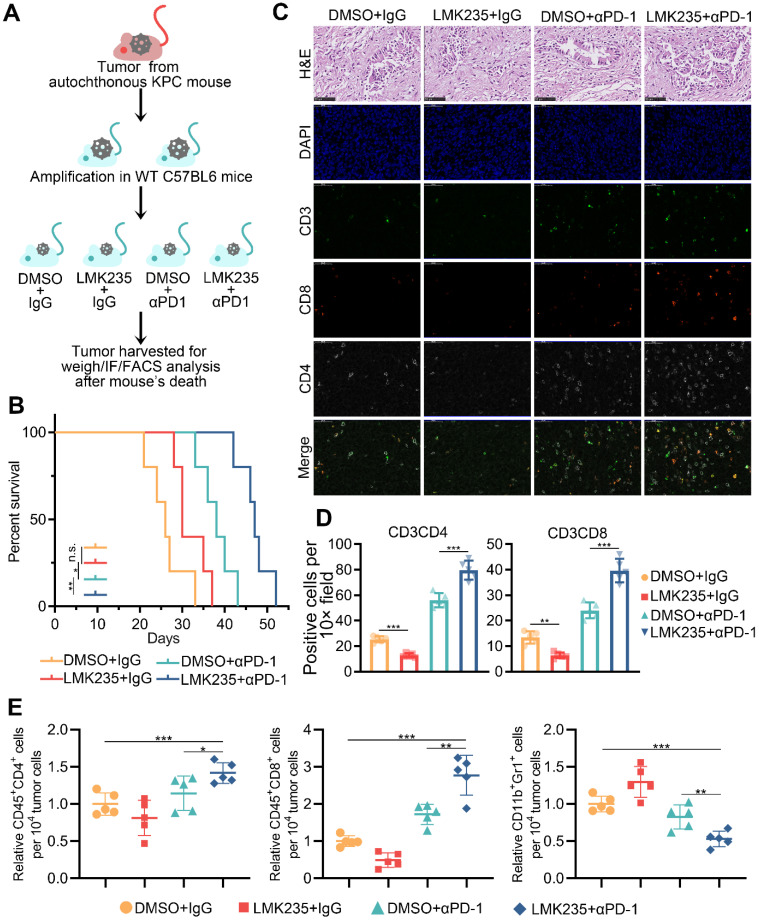
Pancreatic ductal adenocarcinoma (PDAC) is a lethal disease with a dismal 5-year survival less than 10%. Most patients with PDAC exhibit poor response to single-agent immunotherapy. Multimodal therapies targeting mechanisms of resistance to immunotherapy are urgently needed. We found that the class IIa histone deacetylase (HDAC) member, HDAC5 is downregulated in multiple solid tumors and its level were associated with favorable prognosis in PDAC patients. Upregulated genes in patients harboring HDAC5 deletions were enriched in adaptive immune responses and lymphocyte-mediated immunity in The Cancer Genome Atlas (TCGA) pancreatic cancer dataset. Tissue microarray of pancreatic cancer were used to analysis the correlation between HDAC5 and PD-L1. RNA-seq, transcription factor motif analysis, drug screening and molecular biology assays were performed to identify the mechanism of HDAC5's repression on PD-L1. Allografts of pancreatic cancer in mouse were applied to test the efficiency of HDAC5 inhibition and anti-PD1 co-treatment. HDAC5 regulated PD-L1 expression by directly interacting with NF-κB p65; this interaction was suppressed by p65 phosphorylation at serine-311. Additionally, HDAC5 diminished p65 acetylation at lysine-310, which is essential for the transcriptional activity of p65. Importantly, we demonstrated that HDAC5 silencing or inhibition sensitized PDAC tumors to immune checkpoint blockade (ICB) therapy in syngeneic mouse model and KPC mouse derived PDAC model. Our findings revealed a previously unknown role of HDAC5 in regulating the NF-κB signaling pathway and antitumor immune responses. These findings provide a strong rationale for augment the antitumor effects of ICB in immunotherapy-resistant PDAC by inhibiting HDAC5.
胰腺导管腺癌 (PDAC) 是一种致命疾病,5 年生存率低于 10%。大多数 PDAC 患者对单药免疫治疗反应不佳。急需针对免疫治疗耐药机制的多模式治疗。我们发现,IIa 类组蛋白去乙酰化酶 (HDAC) 成员 HDAC5 在多种实体瘤中下调,其水平与 PDAC 患者的良好预后相关。在携带 HDAC5 缺失的患者中上调的基因在 TCGA 胰腺癌数据集的适应性免疫反应和淋巴细胞介导的免疫中富集。使用胰腺癌组织微阵列分析 HDAC5 与 PD-L1 之间的相关性。进行 RNA-seq、转录因子基序分析、药物筛选和分子生物学测定,以确定 HDAC5 对 PD-L1 的抑制作用机制。在小鼠中应用胰腺癌同种异体移植物来测试 HDAC5 抑制和抗 PD-1 联合治疗的效率。HDAC5 通过与 NF-κB p65 直接相互作用来调节 PD-L1 表达;这种相互作用受到 p65 丝氨酸-311 磷酸化的抑制。此外,HDAC5 减少了 p65 赖氨酸-310 的乙酰化,这对于 p65 的转录活性是必不可少的。重要的是,我们证明了 HDAC5 的沉默或抑制使 PDAC 肿瘤在同种异体小鼠模型和 KPC 小鼠衍生的 PDAC 模型中对免疫检查点阻断 (ICB) 治疗敏感。我们的发现揭示了 HDAC5 在调节 NF-κB 信号通路和抗肿瘤免疫反应中的一个以前未知的作用。这些发现为通过抑制 HDAC5 增强免疫治疗耐药性 PDAC 的 ICB 抗肿瘤作用提供了强有力的理由。