
泛癌分析确定CD93是预测患者预后和免疫治疗反应的重要生物标志物。
Pan-Cancer Analysis Identified CD93 as a Valuable Biomarker for Predicting Patient Prognosis and Immunotherapy Response.
作者信息
Tong Wen, Wang Guangyu, Zhu Liuyang, Bai Yi, Liu Zirong, Yang Long, Wu Hao, Cui Tao, Zhang Yamin
机构信息
Tianjin First Central Hospital Clinic Institute, Tianjin Medical University, Tianjin, China.
Department of Hepatobiliary Surgery, Tianjin First Central Hospital, School of Medicine, Nankai University, Tianjin, China.
出版信息
Front Mol Biosci. 2022 Feb 21;8:793445. doi: 10.3389/fmolb.2021.793445. eCollection 2021.
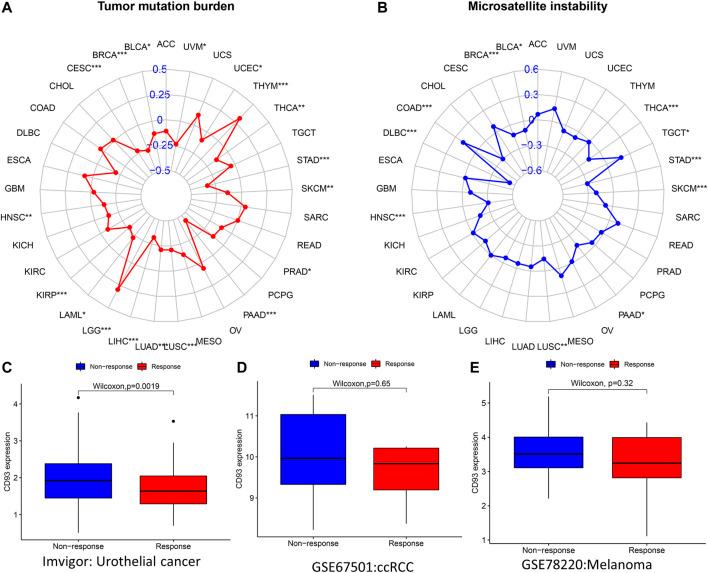
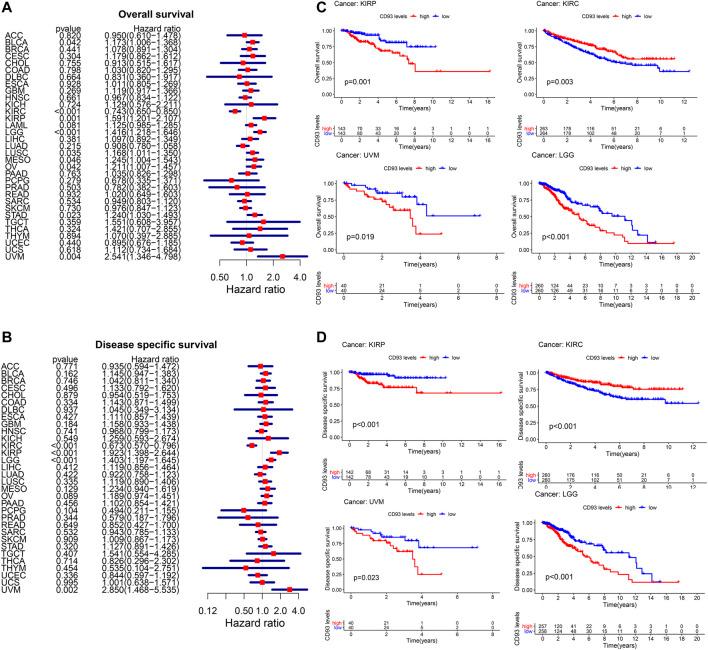
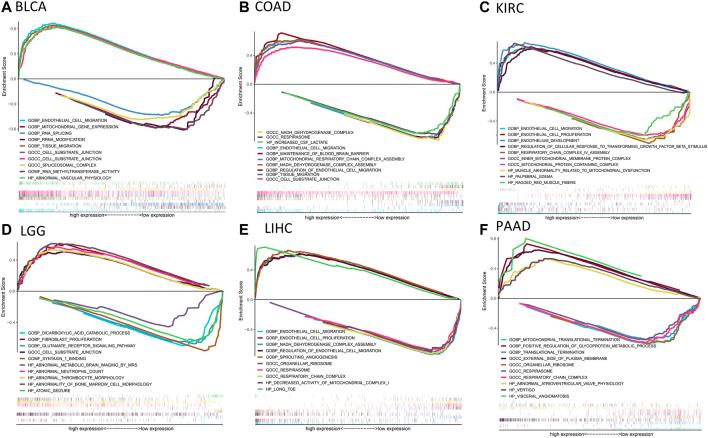
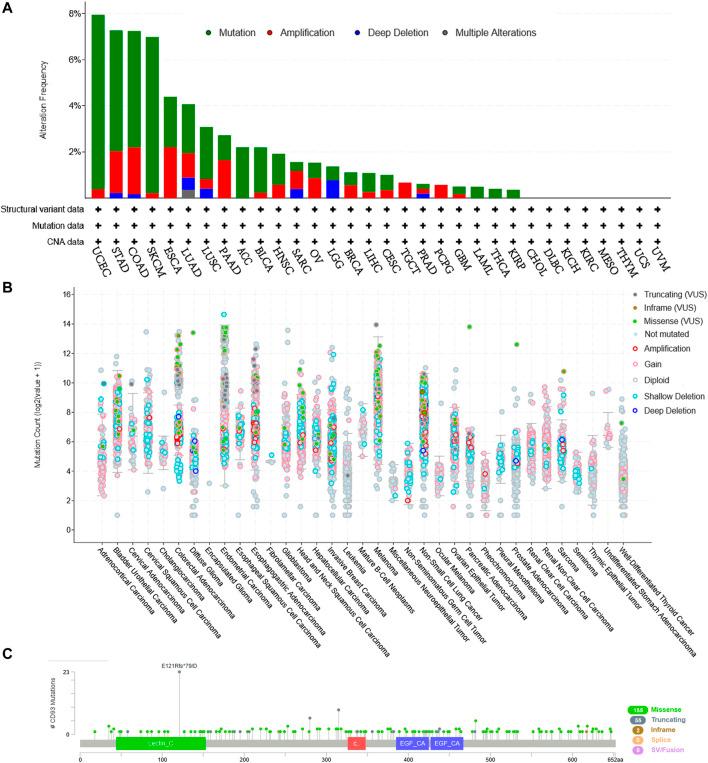
The rapid development of immunotherapy has significantly improved patient outcomes in recent years. CD93, a novel biomarker expressed on vascular endothelial cells, is essential for tumor angiogenesis. Recent studies have shown that CD93 is closely related to immune cell infiltration and immunotherapy. However, its role in pan-cancer has not been reported. The Cancer Genome Atlas (TCGA), Human Protein Atlas (HPA), cbioportal, Gene Expression Omnibus (GEO), Tumor Immune Estimation Resource (TIMER2.0), and the Tumor-Immune System Interactions and Drug Bank (TISIDB) databases were used to analyze CD93 in pan-cancers. R software was used for statistical analysis and mapping. There were significant differences in the expression of CD93 between tumor tissues and adjacent normal tissues in pan-cancer. The high expression of CD93 was associated with poor prognosis and high TNM stage in multiple tumor types. However, a high expression of CD93 was a protective factor in kidney renal clear cell carcinoma (KIRC). In addition, CD93 was closely related to immune cell infiltration in tumor tissues. Moreover, CD93 presented a robust correlation with immune modulators and immunotherapeutic markers [e.g., tumor mutation burden (TMB) and microsatellite instability (MSI)]. The results of gene set enrichment analysis (GSEA) showed that CD93 was correlated with tumor angiogenesis. Importantly, patients with a low expression of CD93 were more sensitive to immunotherapy in urothelial cancer. CD93, which is involved in various immune responses, controls immune cell infiltration and impacts on the malignant properties of various cancer types. Therefore, CD93 has potential value to be biomarker for determining the prognosis and immune infiltration in multiple cancers.
近年来,免疫疗法的快速发展显著改善了患者的治疗效果。CD93是一种在血管内皮细胞上表达的新型生物标志物,对肿瘤血管生成至关重要。最近的研究表明,CD93与免疫细胞浸润和免疫疗法密切相关。然而,其在泛癌中的作用尚未见报道。本研究利用癌症基因组图谱(TCGA)、人类蛋白质图谱(HPA)、cbioportal、基因表达综合数据库(GEO)、肿瘤免疫估计资源(TIMER2.0)以及肿瘤-免疫系统相互作用和药物库(TISIDB)数据库对泛癌中的CD93进行分析。使用R软件进行统计分析和绘图。泛癌中肿瘤组织和相邻正常组织的CD93表达存在显著差异。CD93高表达与多种肿瘤类型的预后不良和高TNM分期相关。然而,CD93高表达在肾透明细胞癌(KIRC)中是一个保护因素。此外,CD93与肿瘤组织中的免疫细胞浸润密切相关。而且,CD93与免疫调节剂和免疫治疗标志物[如肿瘤突变负荷(TMB)和微卫星不稳定性(MSI)]呈现出强烈的相关性。基因集富集分析(GSEA)结果表明,CD93与肿瘤血管生成相关。重要的是,CD93低表达的患者在尿路上皮癌中对免疫疗法更敏感。CD93参与各种免疫反应,可以控制免疫细胞浸润,并影响多种癌症类型的恶性特性。因此,CD93在确定多种癌症的预后和免疫浸润方面具有作为生物标志物的潜在价值。



 Zotero 插件