Department of Anesthesiology, University of Colorado, CO, Aurora, USA.
Neuroscience Graduate Program University of Colorado Anschutz Medical Campus, Aurora, CO, 80045, USA.
Pflugers Arch. 2022 Apr;474(4):435-445. doi: 10.1007/s00424-022-02674-y. Epub 2022 Mar 10.
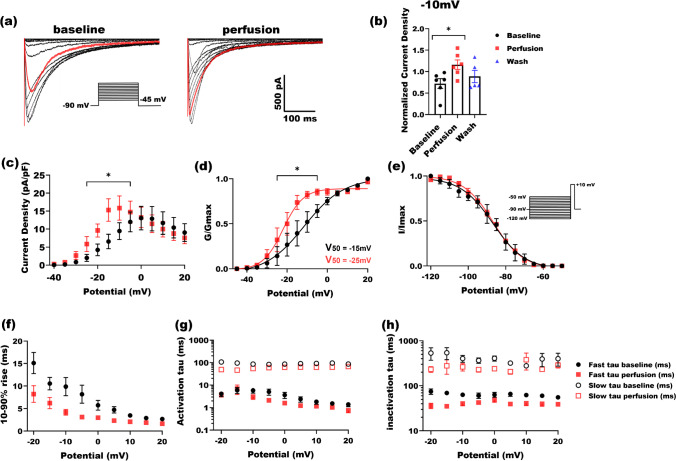
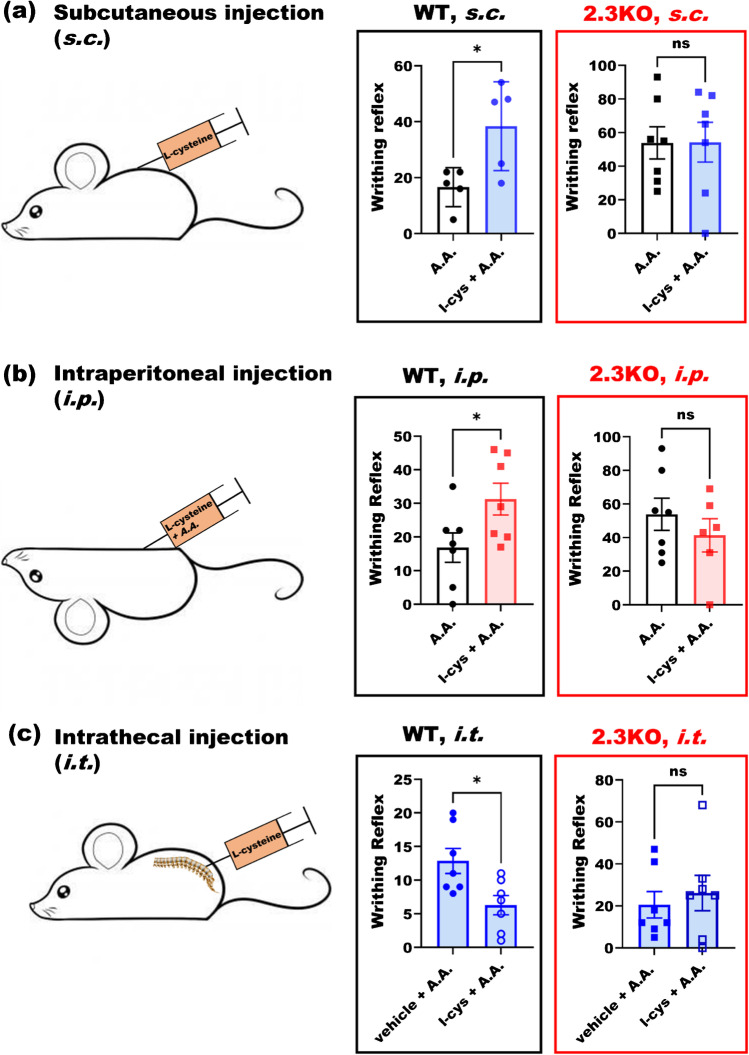
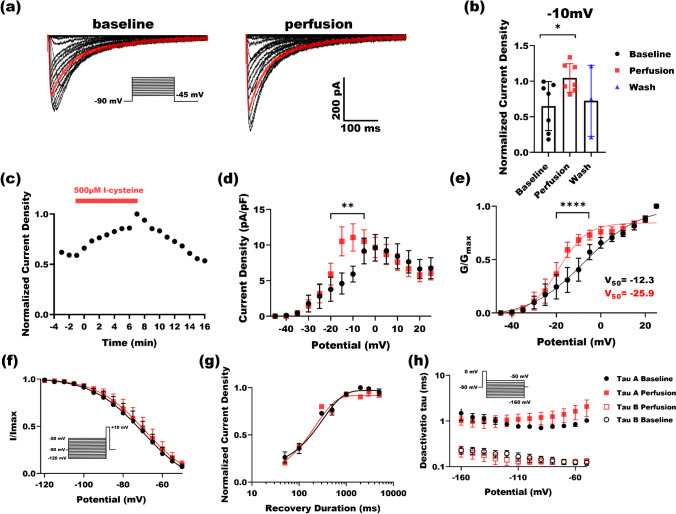
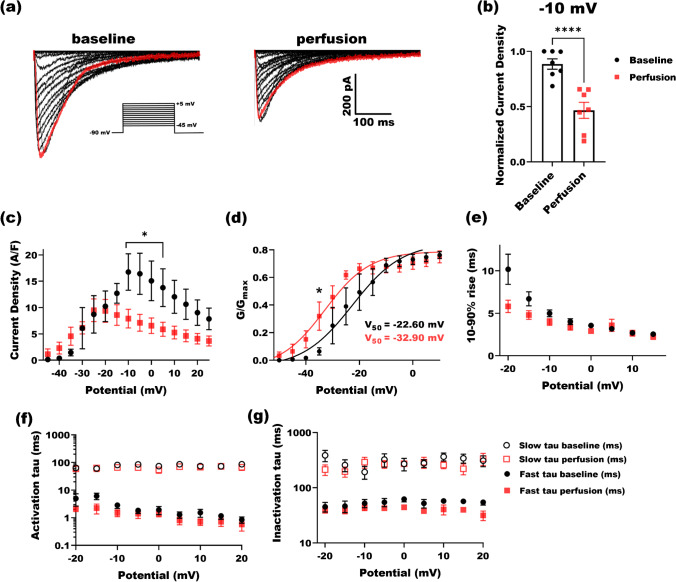
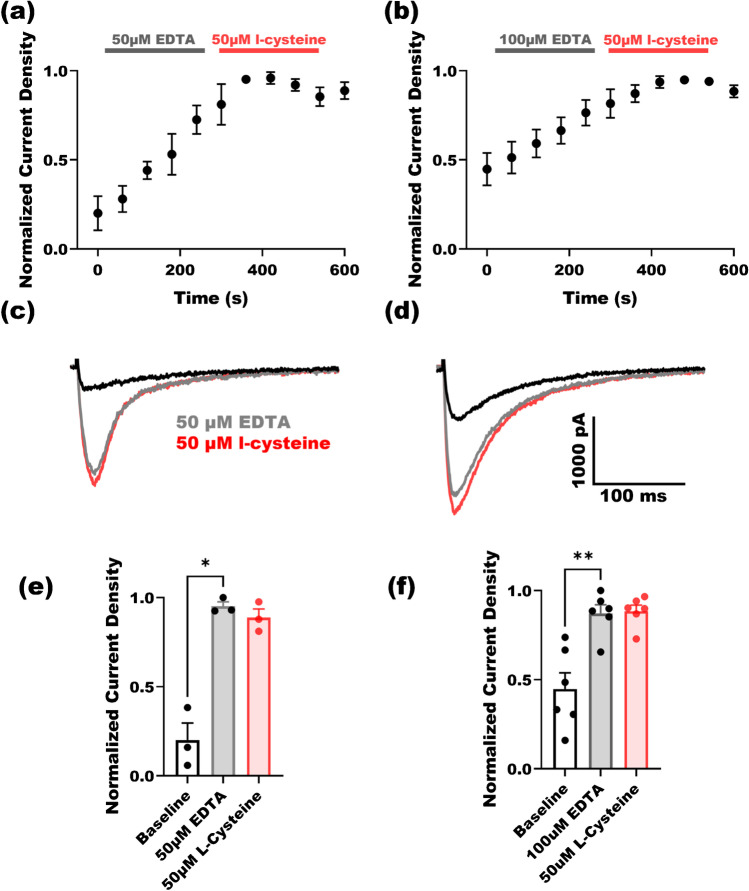
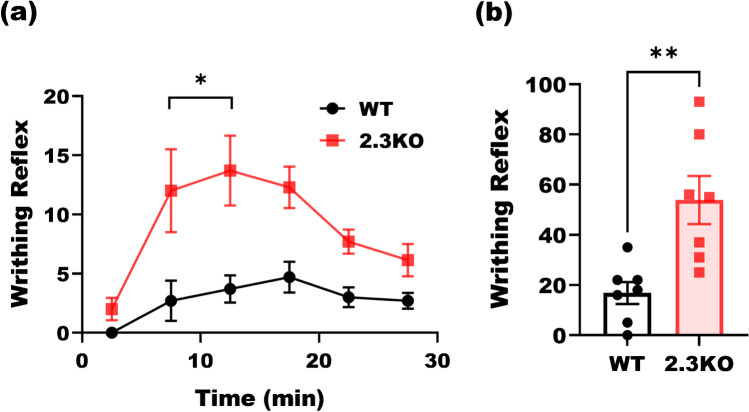
Ca2.3 channels are subthreshold voltage-gated calcium channels that play crucial roles in neurotransmitter release and regulation of membrane excitability, yet modulation of these channels with endogenous molecules and their role in pain processing is not well studied. Here, we hypothesized that an endogenous amino acid l-cysteine could be a modulator of these channels and may affect pain processing in mice. To test this hypothesis, we employed conventional patch-clamp technique in the whole-cell configuration using recombinant Ca2.3 subunit stably expressed in human embryonic kidney (HEK-293) cells. We found in our in vitro experiments that l-cysteine facilitated gating and increased the amplitudes of recombinant Ca2.3 currents likely by chelating trace metals that tonically inhibit the channel. In addition, we took advantage of mouse genetics in vivo using the acetic acid visceral pain model that was performed on wildtype and homozygous Cacna1e knockout male littermates. In ensuing in vivo experiments, we found that l-cysteine administered both subcutaneously and intraperitoneally evoked more prominent pain responses in the wildtype mice, while the effect was completely abolished in knockout mice. Conversely, intrathecal administration of l-cysteine lowered visceral pain response in the wildtype mice, and again the effect was completely abolished in the knockout mice. Our study strongly suggests that l-cysteine-mediated modulation of Ca2.3 channels plays an important role in visceral pain processing. Furthermore, our data are consistent with the contrasting roles of Ca2.3 channels in mediating visceral nociception in the peripheral and central pain pathways.
钙离子通道是阈下电压门控钙通道,在神经递质释放和膜兴奋性调节中发挥着关键作用,但内源性分子对这些通道的调制及其在疼痛处理中的作用尚未得到充分研究。在这里,我们假设内源性氨基酸 l-半胱氨酸可能是这些通道的调节剂,并可能影响小鼠的疼痛处理。为了验证这一假设,我们采用了重组 Ca2.3 亚基在人胚肾(HEK-293)细胞中稳定表达的全细胞构象的传统膜片钳技术。我们在体外实验中发现,l-半胱氨酸通过螯合持续抑制通道的痕量金属,促进门控并增加重组 Ca2.3 电流的幅度。此外,我们利用野生型和纯合型 Cacna1e 敲除雄性同窝仔鼠的醋酸内脏痛模型,在体内利用小鼠遗传学进行了实验。在随后的体内实验中,我们发现 l-半胱氨酸皮下和腹腔内给药均可在野生型小鼠中引起更明显的疼痛反应,而在敲除型小鼠中,这种作用完全被消除。相反,鞘内给予 l-半胱氨酸可降低野生型小鼠的内脏痛反应,而在敲除型小鼠中,这种作用也完全被消除。我们的研究强烈表明,l-半胱氨酸介导的 Ca2.3 通道的调制在内脏痛处理中起着重要作用。此外,我们的数据与 Ca2.3 通道在外周和中枢疼痛通路中介导内脏伤害感受的相反作用一致。