Faculty of Chemistry, Warsaw University of Technology, Noakowskiego 3 Street, 00-664 Warsaw, Poland.
Cells. 2022 Mar 7;11(5):914. doi: 10.3390/cells11050914.
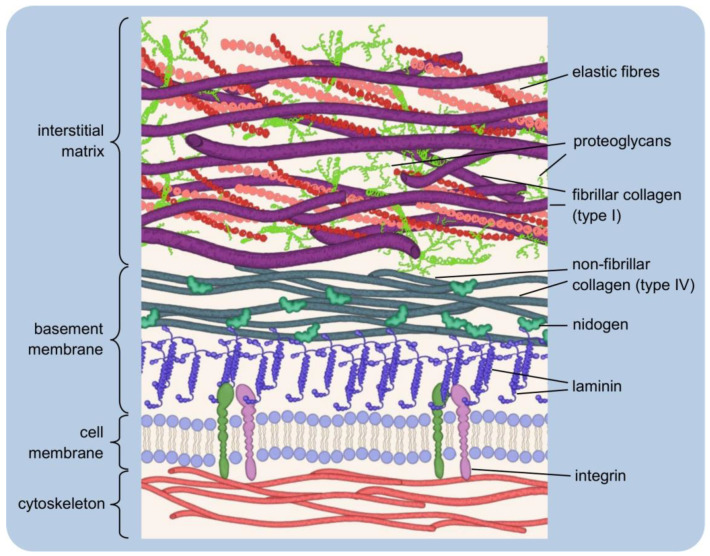
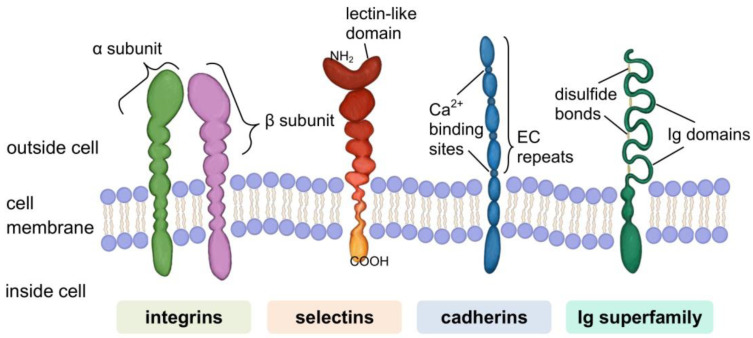
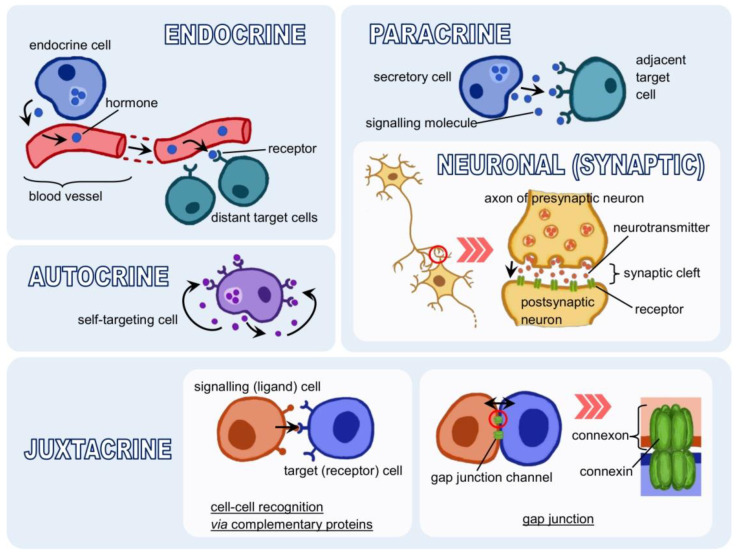
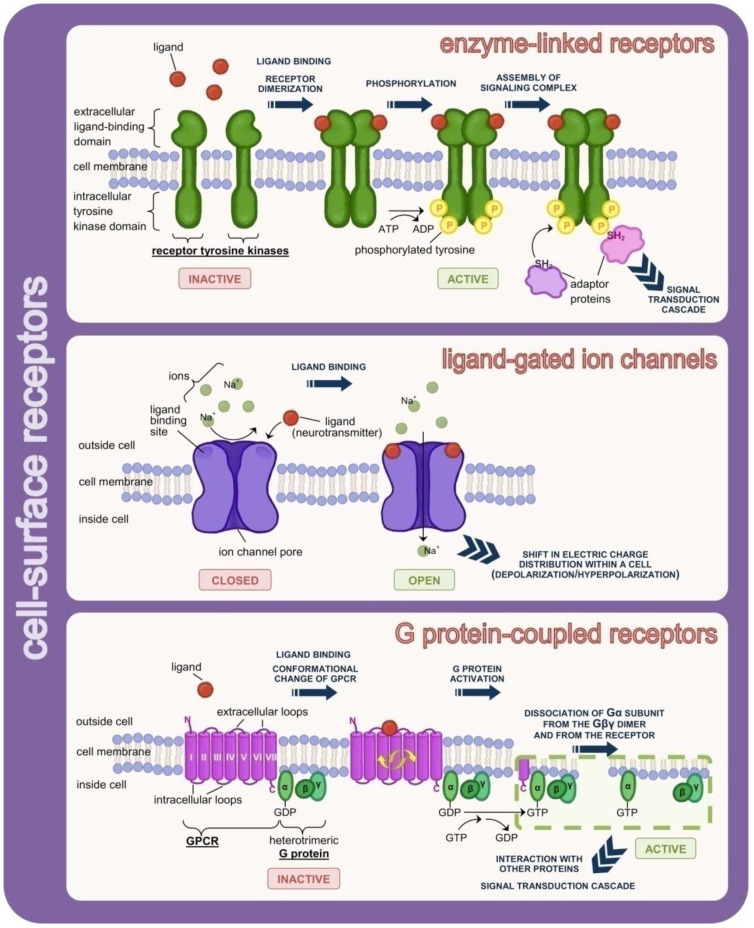
The existence of orderly structures, such as tissues and organs is made possible by cell adhesion, i.e., the process by which cells attach to neighbouring cells and a supporting substance in the form of the extracellular matrix. The extracellular matrix is a three-dimensional structure composed of collagens, elastin, and various proteoglycans and glycoproteins. It is a storehouse for multiple signalling factors. Cells are informed of their correct connection to the matrix via receptors. Tissue disruption often prevents the natural reconstitution of the matrix. The use of appropriate implants is then required. This review is a compilation of crucial information on the structural and functional features of the extracellular matrix and the complex mechanisms of cell-cell connectivity. The possibilities of regenerating damaged tissues using an artificial matrix substitute are described, detailing the host response to the implant. An important issue is the surface properties of such an implant and the possibilities of their modification.
有序结构的存在,如组织和器官,是通过细胞黏附实现的,即细胞附着到相邻细胞和细胞外基质形式的支持物质的过程。细胞外基质是一种由胶原蛋白、弹性蛋白和各种蛋白聚糖和糖蛋白组成的三维结构。它是多种信号因子的储存库。细胞通过受体了解它们与基质的正确连接。组织破坏常常阻止基质的自然重建。然后需要使用适当的植入物。这篇综述是对细胞外基质的结构和功能特征以及细胞连接的复杂机制的重要信息的汇编。描述了使用人工基质替代物再生受损组织的可能性,并详细说明了宿主对植入物的反应。一个重要的问题是这种植入物的表面特性及其改性的可能性。