Department of Pulmonary, Thoracic Oncology and Respiratory Intensive Care, Rouen University Hospital, Univ Rouen, F-76000 Rouen, France.
CETAPS EA3832, Research Center for Sports and Athletic Activities Transformations, University of Rouen Normandy, F-76821 Mont-Saint-Aignan, France.
Int J Environ Res Public Health. 2022 Mar 6;19(5):3098. doi: 10.3390/ijerph19053098.
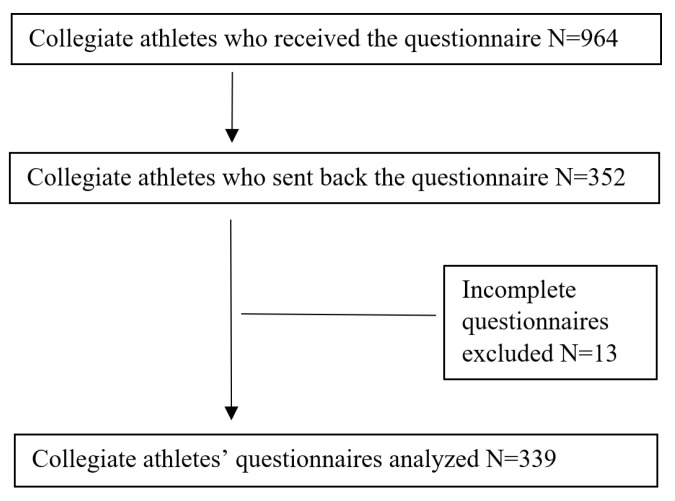
The COVID-19 pandemic has changed our lifestyle, sleep and physical activity habits. This study evaluated the prevalence of poor sleep quality, its disrupters, and the impact of the pandemic in collegiate athletes. We performed a cross-sectional study of collegiate athletes (N = 339, median age: 20 (IQR,19−21) years old, 48.5% female, 47% individual sports) who received a web-based questionnaire in April 2021. This survey included subject characteristics, chronotype, sleep disrupters, the changes due to the pandemic and sleep quality (Pittsburg Sleep Quality Index [PSQI]). A multivariate linear regression was performed to assess the relationship between sleep quality, gender, chronotype, sleep disrupters and the changes to training volume or sleep. Results showed a disrupted sleep quality in 63.7%. One in five students had a total sleep time under 6.5 h per night. Poor sleep quality was significantly correlated with nocturnal concerns related to the pandemic, evening chronotype, female gender, third year of study, caffeine consumption and lack of sleep routine (all p < 0.05). To conclude, poor sleep quality is common in collegiate athletes. Sleep disrupters remain prevalent in the lifestyle habits of this population and may have been exacerbated by changes related to the COVID-19 pandemic. Sleep hygiene should become a major aspect of sports education during the return to post-covid normality.
译文:
新冠疫情改变了我们的生活方式、睡眠和体育锻炼习惯。本研究评估了大学生运动员睡眠质量差的流行率、其干扰因素以及疫情对其的影响。我们对大学生运动员(N=339,中位数年龄 20(IQR,19-21)岁,48.5%女性,47%个体运动)进行了一项横断面研究,他们于 2021 年 4 月收到了一份基于网络的问卷。该调查包括了受试者特征、睡眠时型、睡眠干扰因素、因疫情而发生的变化以及睡眠质量(匹兹堡睡眠质量指数[PSQI])。我们进行了多元线性回归分析,以评估睡眠质量与性别、睡眠时型、睡眠干扰因素以及训练量或睡眠变化之间的关系。结果显示,63.7%的学生存在睡眠质量差的情况。五分之一的学生每晚的总睡眠时间不足 6.5 小时。睡眠质量差与与疫情相关的夜间担忧、夜间型时型、女性、第三学年、咖啡因摄入和缺乏睡眠规律显著相关(均 p<0.05)。总之,睡眠质量差在大学生运动员中很常见。睡眠干扰因素在该人群的生活习惯中仍然普遍存在,并且可能因与 COVID-19 疫情相关的变化而加剧。在恢复到后疫情常态时,睡眠卫生应成为体育教育的一个重要方面。