Oluyede Lindsay, Cochran Abigail L, Wolfe Mary, Prunkl Lauren, McDonald Noreen
Department of City and Regional Planning, New East Building, CB# 3140, 223 E Cameron Ave, Chapel Hill, NC 27599-3140, USA.
UNC Center for Health Equity Research, 323 MacNider Hall, 333 South Columbia Street, Chapel Hill, NC 27599-7240, USA.
Transp Res Part A Policy Pract. 2022 May;159:157-168. doi: 10.1016/j.tra.2022.03.010. Epub 2022 Mar 7.
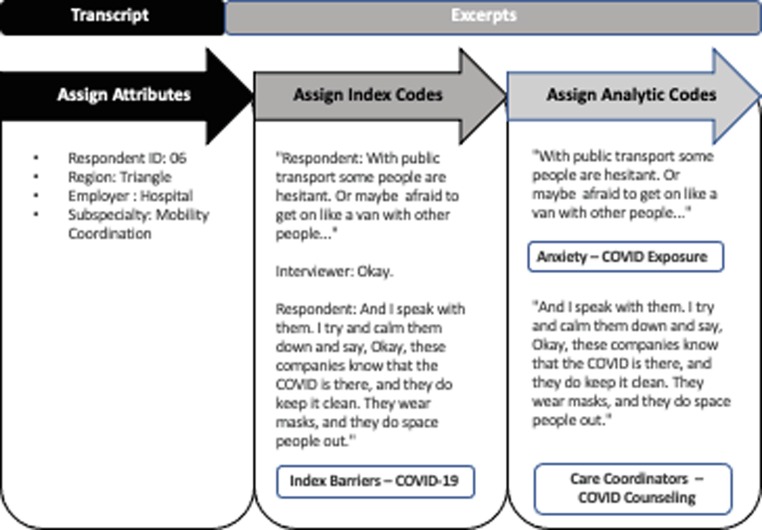
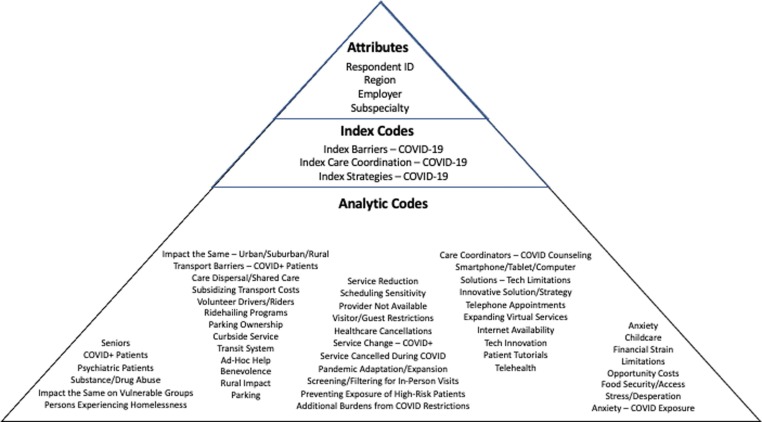
Prior to the COVID-19 pandemic, transportation barriers prevented millions of Americans from accessing needed medical care. Then the pandemic disrupted medical and transportation systems across the globe. This research explored ways the COVID-19 pandemic changed how people experienced transportation barriers to accessing health care. We conducted in-depth interviews with social workers, nurses, and other care coordinators in North Carolina to identify barriers to traveling for medical care during the pandemic and explore innovative solutions employed to address these barriers. Analyzing these interviews using a flexible coding approach, we found that the pandemic exacerbated existing transportation barriers and created new barriers. Yet, simultaneously, temporary policy responses expanded the utilization of telehealth. The interviews identified specific advantages of expanded telehealth, including increasing access to mental health services in rural areas, reducing COVID-19 exposure for high-risk patients, and offering continuity of care for COVID-19 patients with other health conditions. While telehealth cannot address all medical needs, such as emergency or cancer care, it may be well-suited for preliminary screenings and follow-up visits. The findings provide insights on how post-pandemic telehealth policy changes can benefit individuals facing transportation barriers to accessing health care and support more accommodating and convenient health care for patients and their families.
在新冠疫情大流行之前,交通障碍使数百万美国人无法获得所需的医疗护理。随后,这场大流行扰乱了全球的医疗和交通系统。这项研究探讨了新冠疫情大流行如何改变人们在获取医疗保健方面所经历的交通障碍。我们对北卡罗来纳州的社会工作者、护士和其他护理协调员进行了深入访谈,以确定大流行期间就医出行的障碍,并探索为解决这些障碍而采用的创新解决方案。通过采用灵活的编码方法分析这些访谈,我们发现大流行加剧了现有的交通障碍并产生了新的障碍。然而,与此同时,临时政策应对措施扩大了远程医疗的使用。访谈确定了扩大远程医疗的具体优势,包括增加农村地区心理健康服务的可及性、减少高危患者接触新冠病毒的机会,以及为患有其他健康状况的新冠患者提供持续护理。虽然远程医疗无法满足所有医疗需求,如急诊或癌症护理,但它可能非常适合初步筛查和随访就诊。这些研究结果为大流行后远程医疗政策变化如何使面临交通障碍而无法获得医疗保健的个人受益,以及如何为患者及其家人提供更便捷、更方便的医疗保健提供了见解。