Feng Li, Du Fang K
School of Pharmacy, Xi'an Jiaotong University, Xi'an, China.
School of Ecology and Nature Conservation, Beijing Forestry University, Beijing, China.
Front Plant Sci. 2022 Feb 24;13:822217. doi: 10.3389/fpls.2022.822217. eCollection 2022.
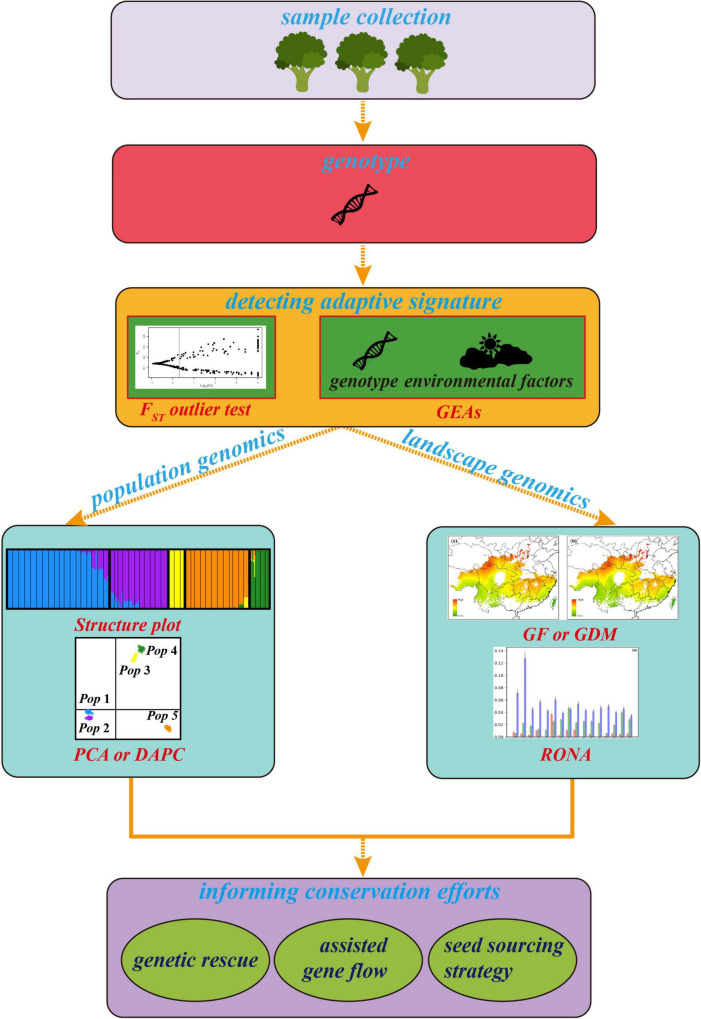
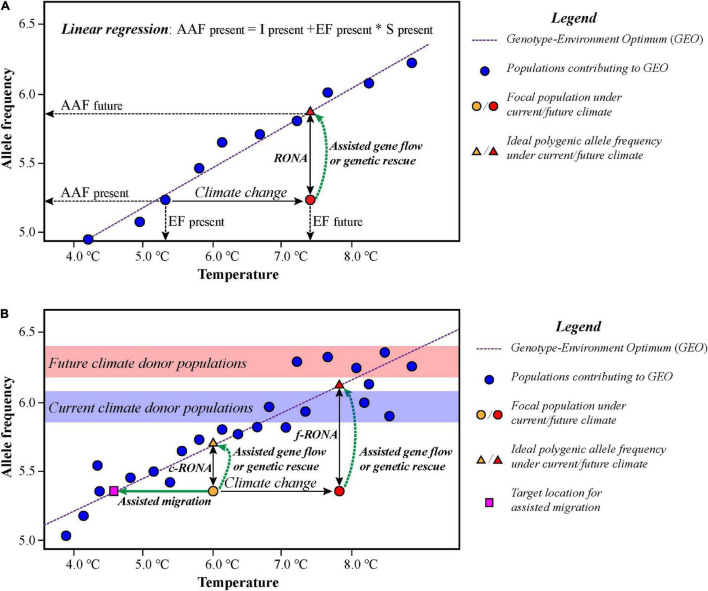
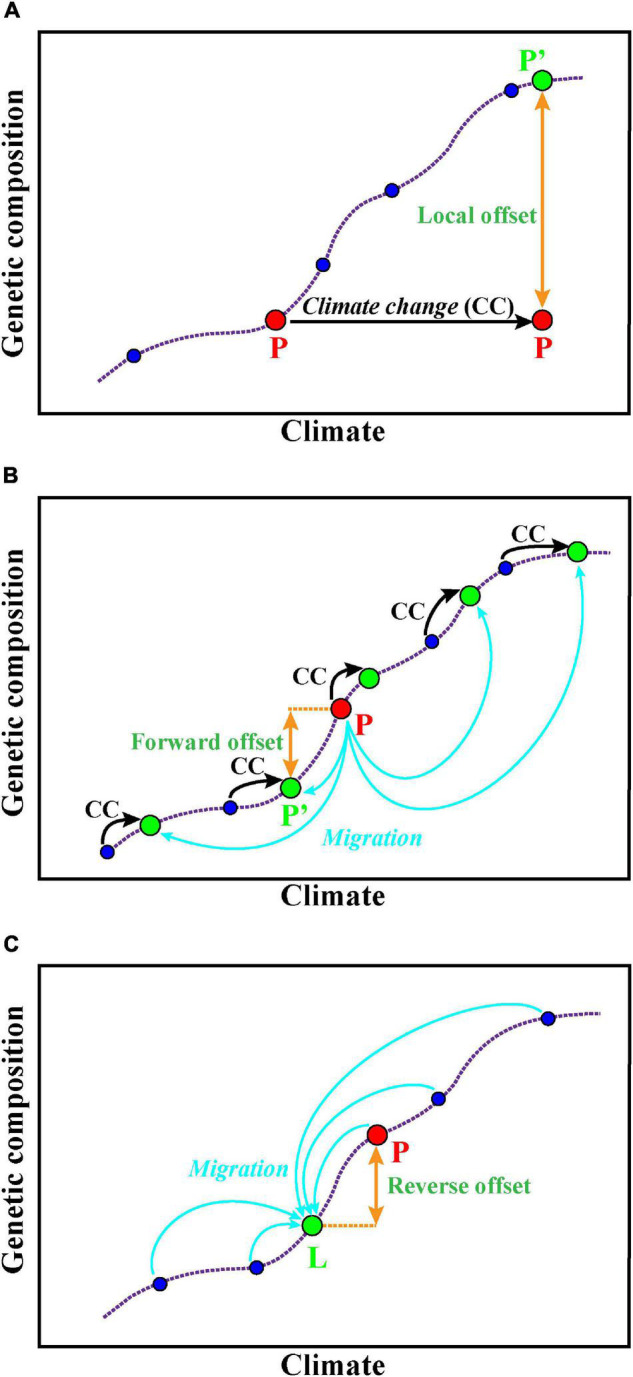
Understanding the genetic basis of how species respond to changing environments is essential to the conservation of species. However, the molecular mechanisms of adaptation remain largely unknown for long-lived tree species which always have large population sizes, long generation time, and extensive gene flow. Recent advances in landscape genomics can reveal the signals of adaptive selection linking genetic variations and landscape characteristics and therefore have created novel insights into tree conservation strategies. In this review article, we first summarized the methods of landscape genomics used in tree conservation and elucidated the advantages and disadvantages of these methods. We then highlighted the newly developed method "Risk of Non-adaptedness," which can predict the genetic offset or genomic vulnerability of species allele frequency change under multiple scenarios of climate change. Finally, we provided prospects concerning how our introduced approaches of landscape genomics can assist policymaking and improve the existing conservation strategies for tree species under the ongoing global changes.
了解物种如何应对不断变化的环境的遗传基础对于物种保护至关重要。然而,对于寿命长、种群规模大、世代时间长且基因流广泛的树种而言,适应的分子机制在很大程度上仍不为人知。景观基因组学的最新进展能够揭示将遗传变异与景观特征联系起来的适应性选择信号,从而为树木保护策略带来了新的见解。在这篇综述文章中,我们首先总结了用于树木保护的景观基因组学方法,并阐明了这些方法的优缺点。然后,我们重点介绍了新开发的“非适应性风险”方法,该方法可以预测在多种气候变化情景下物种等位基因频率变化的遗传偏移或基因组脆弱性。最后,我们展望了我们所介绍的景观基因组学方法如何能够协助制定政策,并改进在当前全球变化背景下现有的树种保护策略。