Life Sciences Institute, University of Michigan, Ann Arbor, Michigan 48109, United States.
Program in Chemical Biology, University of Michigan, Ann Arbor, Michigan 48109, United States.
J Am Chem Soc. 2022 Mar 30;144(12):5214-5225. doi: 10.1021/jacs.2c00224. Epub 2022 Mar 15.
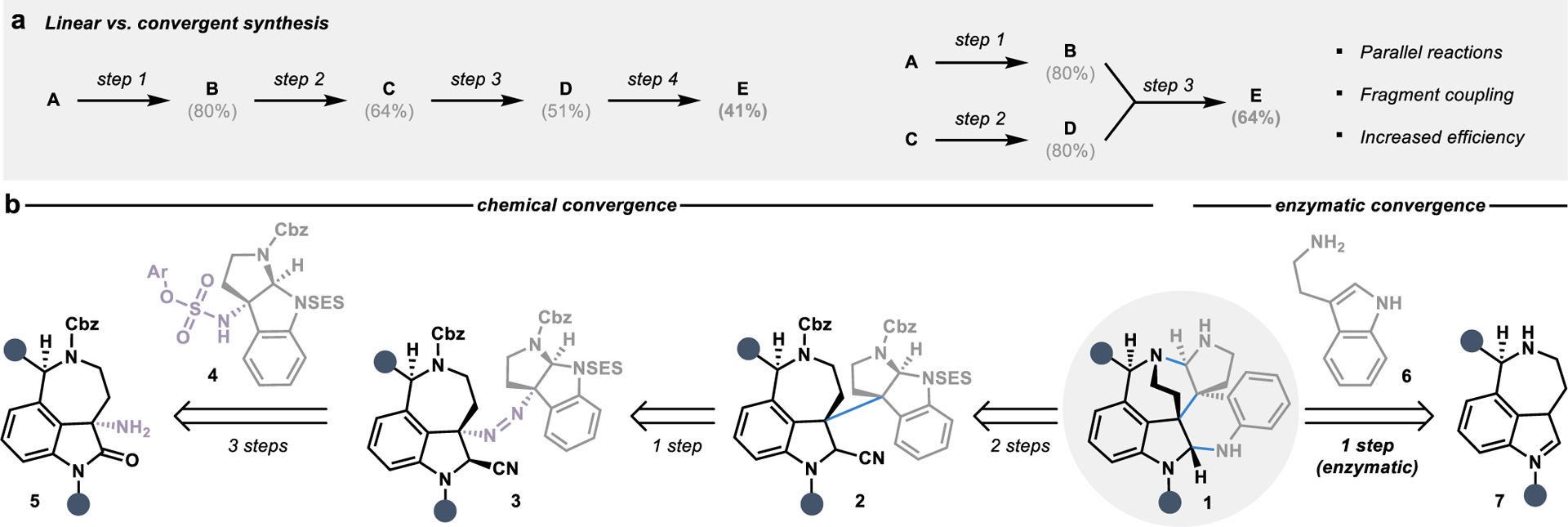
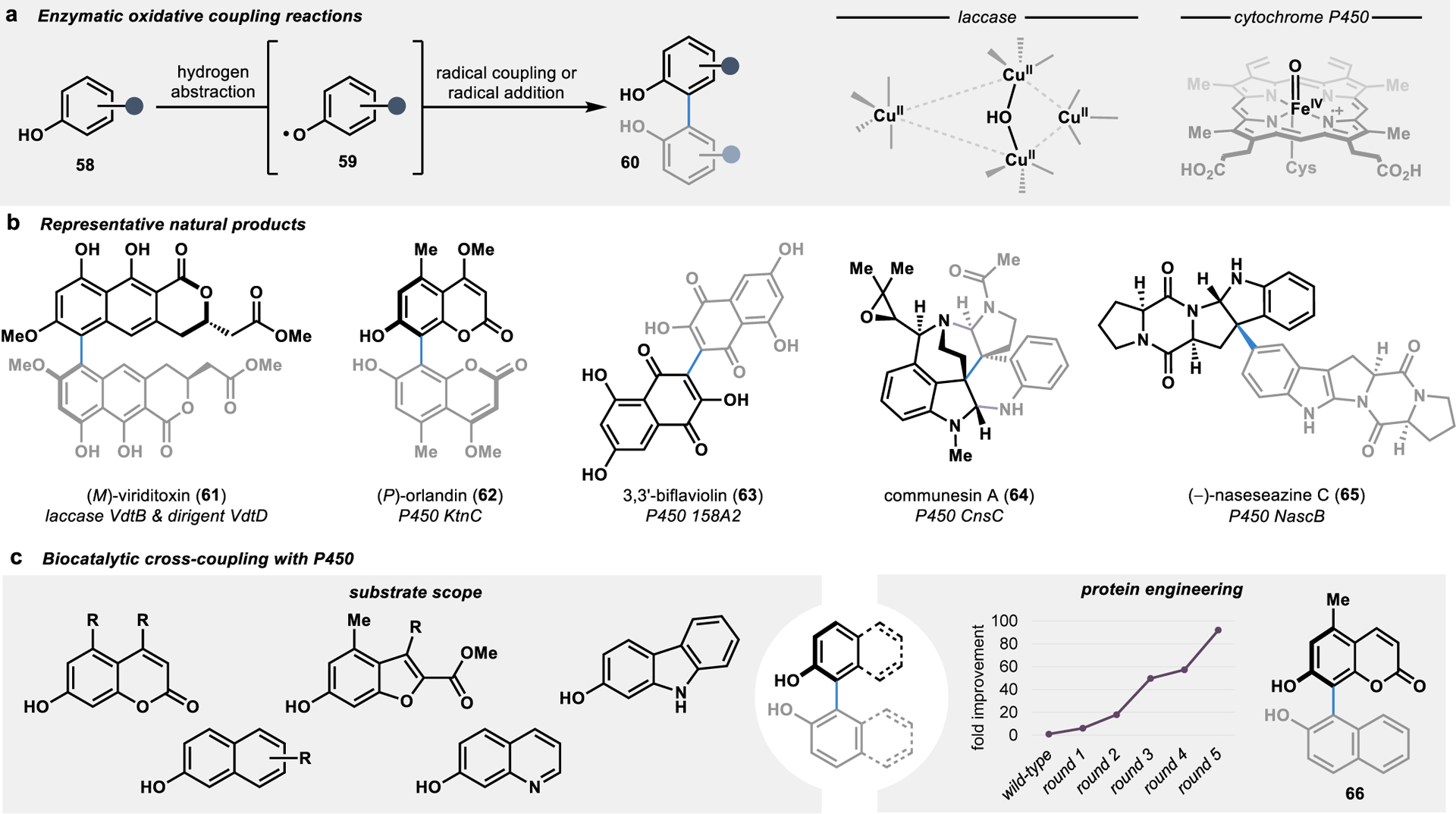
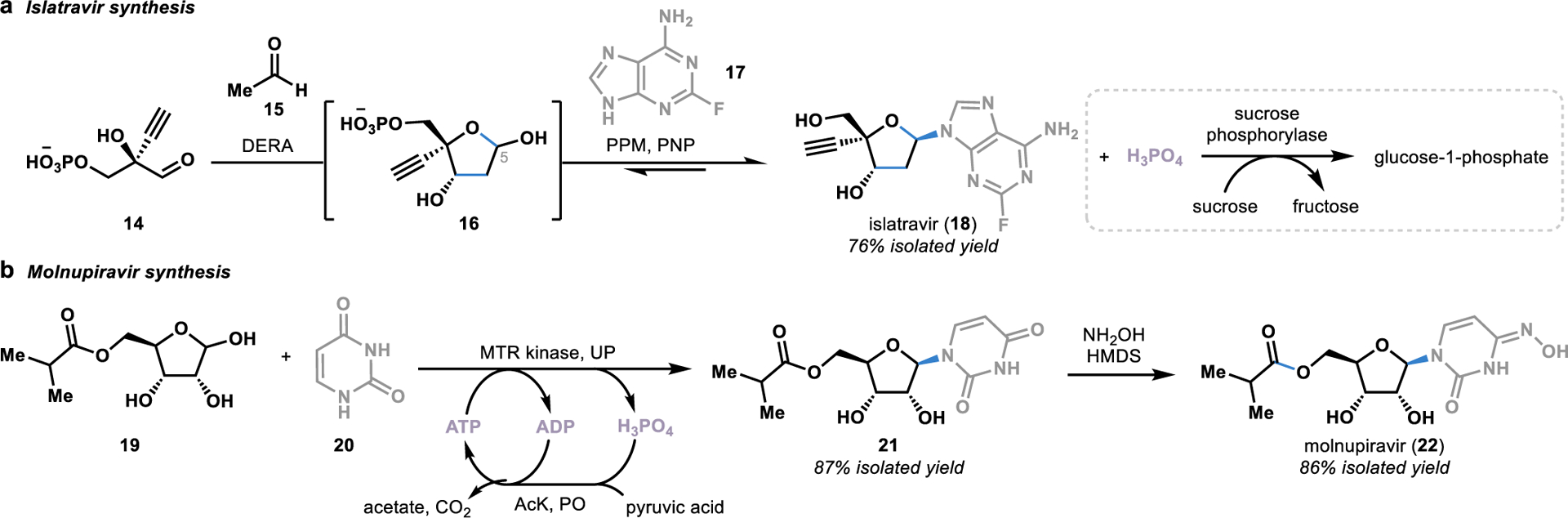
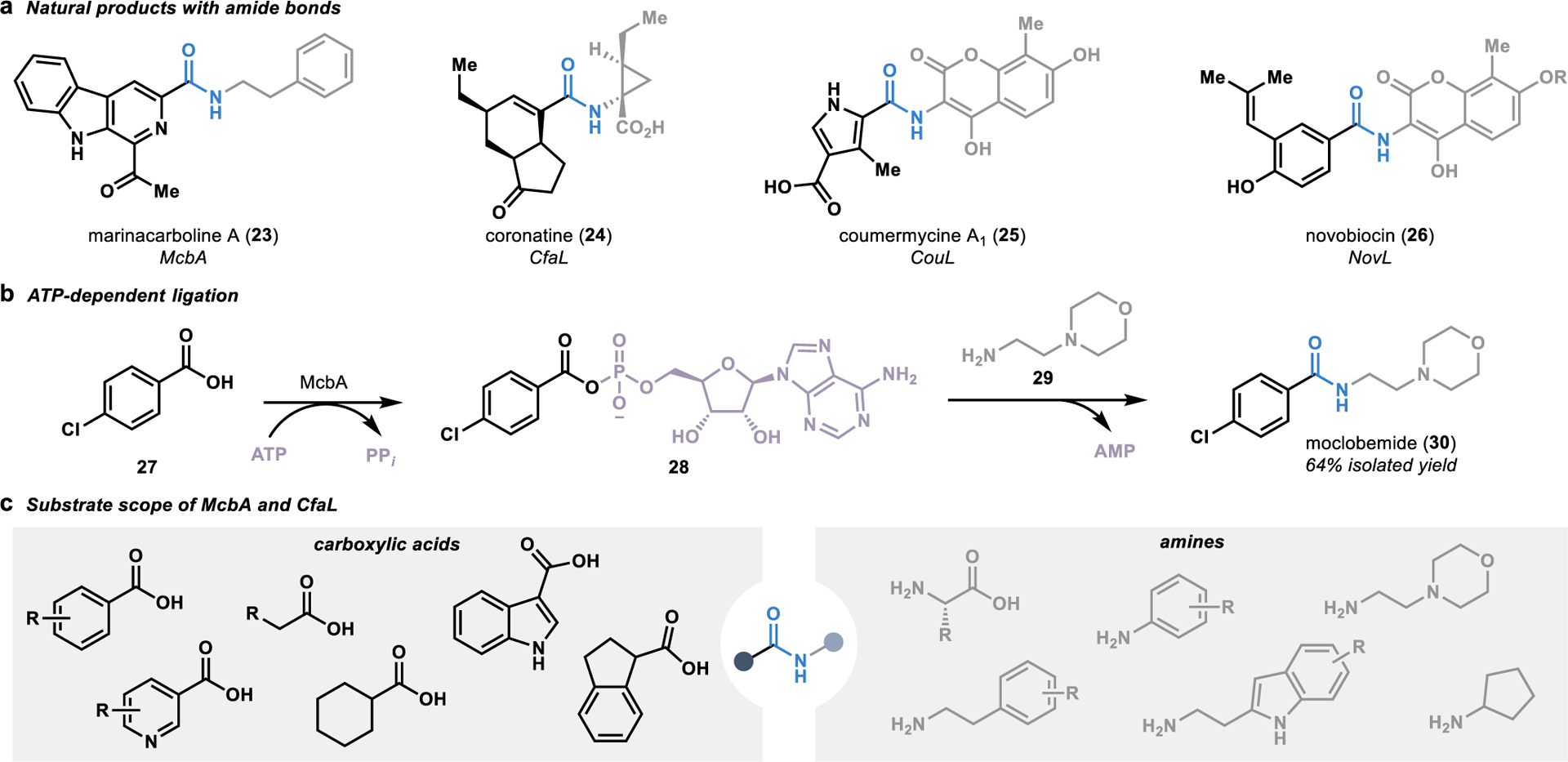
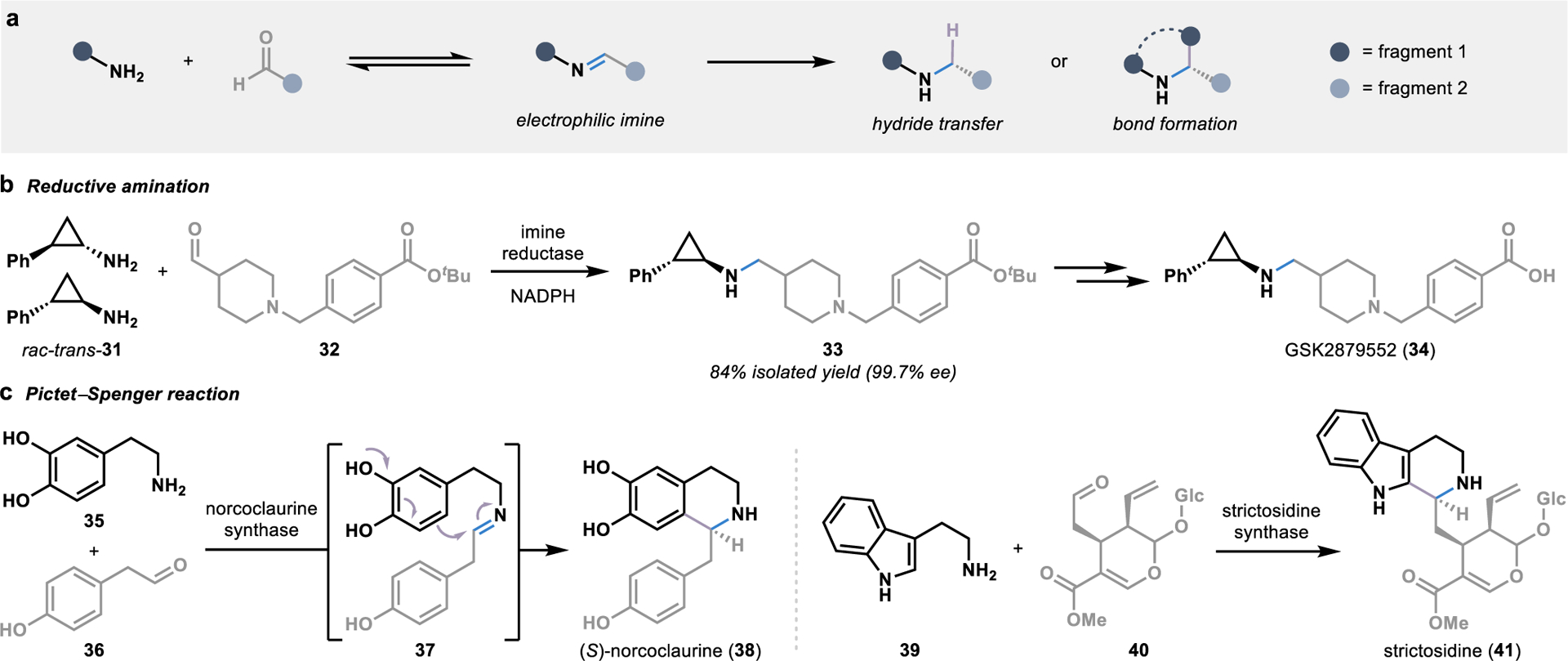
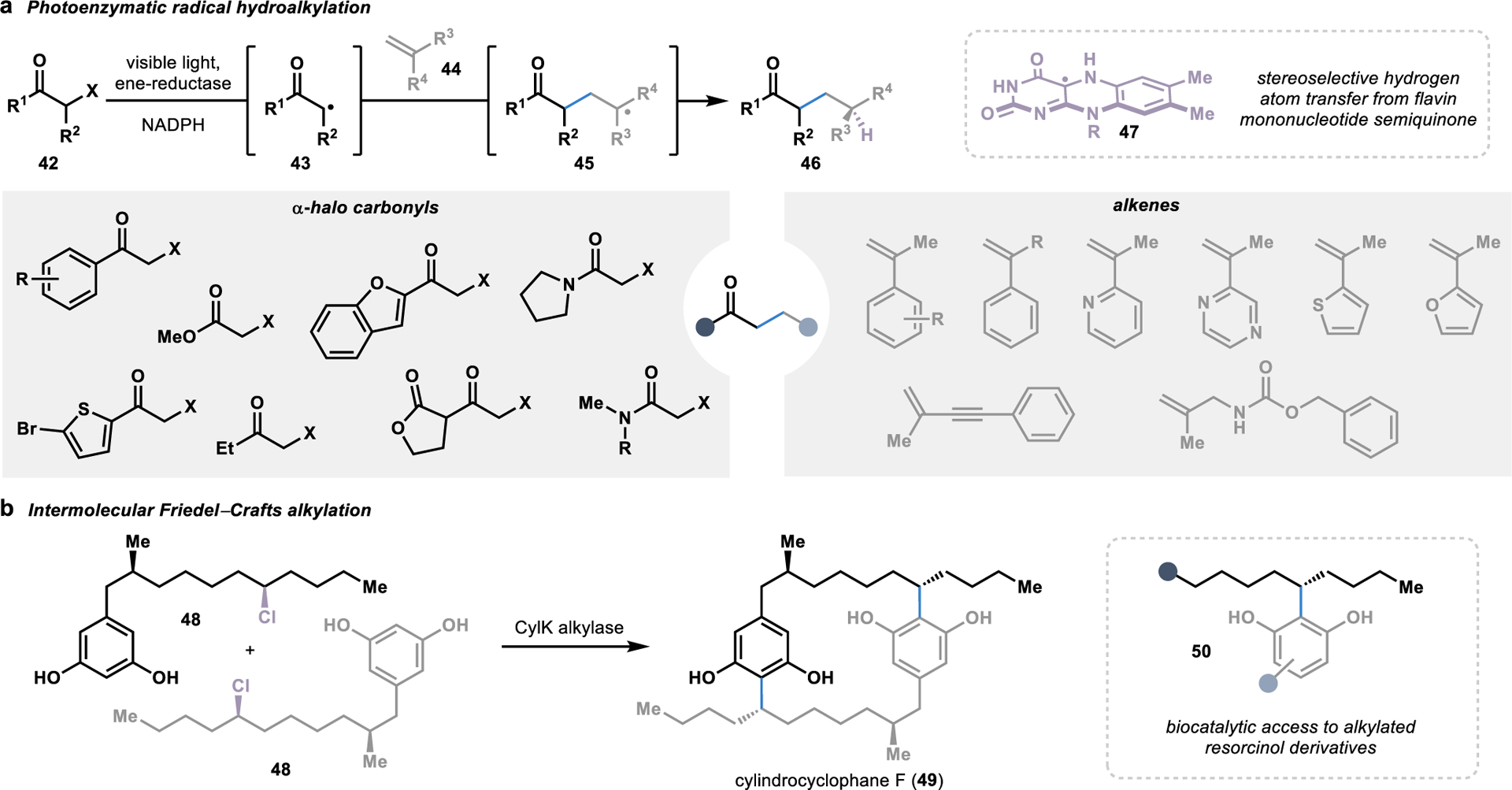
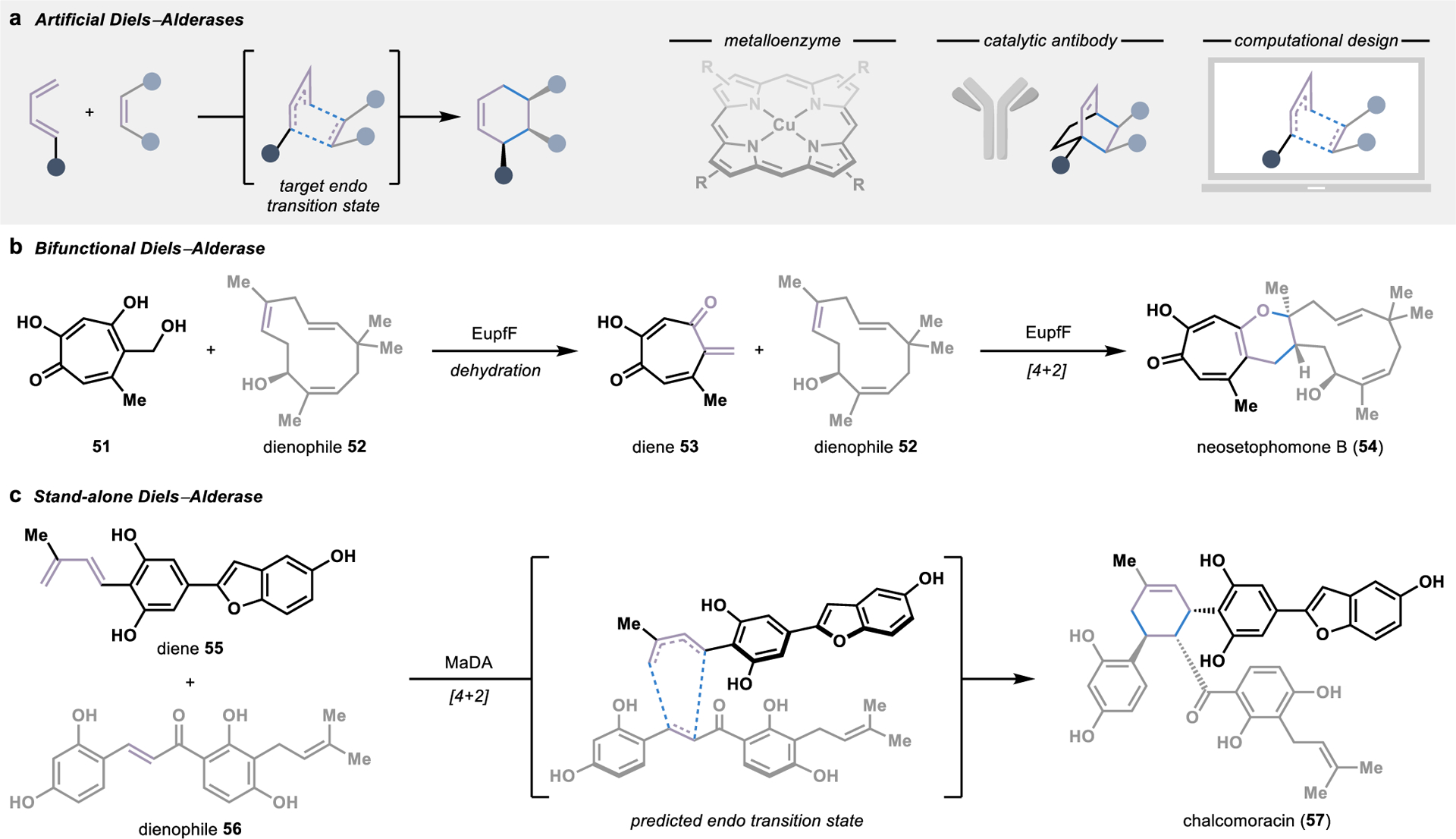
Achieving convergent synthetic strategies has long been a gold standard in constructing complex molecular skeletons, allowing for the rapid generation of complexity in comparatively streamlined synthetic routes. Traditionally, biocatalysis has not played a prominent role in convergent laboratory synthesis, with the application of biocatalysts in convergent strategies primarily limited to the synthesis of chiral fragments. Although the use of enzymes to enable convergent synthetic approaches is relatively new and emerging, combining the efficiency of convergent transformations with the selectivity achievable through biocatalysis creates new opportunities for efficient synthetic strategies. This Perspective provides an overview of recent developments in biocatalytic strategies for convergent transformations and offers insights into the advantages of these methods compared to their small molecule-based counterparts.
实现收敛性的合成策略一直是构建复杂分子骨架的黄金标准,可通过相对简化的合成路线快速产生复杂性。传统上,生物催化在收敛性实验室合成中并没有发挥突出的作用,生物催化剂在收敛策略中的应用主要局限于手性片段的合成。尽管利用酶来实现收敛性合成方法相对较新且正在不断发展,但将收敛性转化的效率与生物催化所实现的选择性相结合,为高效合成策略创造了新的机会。本文概述了用于收敛性转化的生物催化策略的最新进展,并探讨了与基于小分子的对应方法相比,这些方法的优势。