Centre for Innovative Drug Development and Therapeutic Trials for Africa (CDT-Africa), College of Health Sciences, Addis Ababa University, Addis, Ababa; Department of Public Health, Arsi University, College of Health Science, Asella, Ethiopia.
Centre for Innovative Drug Development and Therapeutic Trials for Africa (CDT-Africa), College of Health Sciences, Addis Ababa University, Addis, Ababa, Ethiopia.
Int J Mycobacteriol. 2022 Jan-Mar;11(1):1-9. doi: 10.4103/ijmy.ijmy_235_21.
Digital health technologies are emerging as promising technologies to advance clinical care. This study aimed to assess providers' perceptions and acceptability of digital health interventions (DHIs) in the clinical care and treatment of tuberculosis (TB) and HIV in Addis Ababa, Ethiopia.
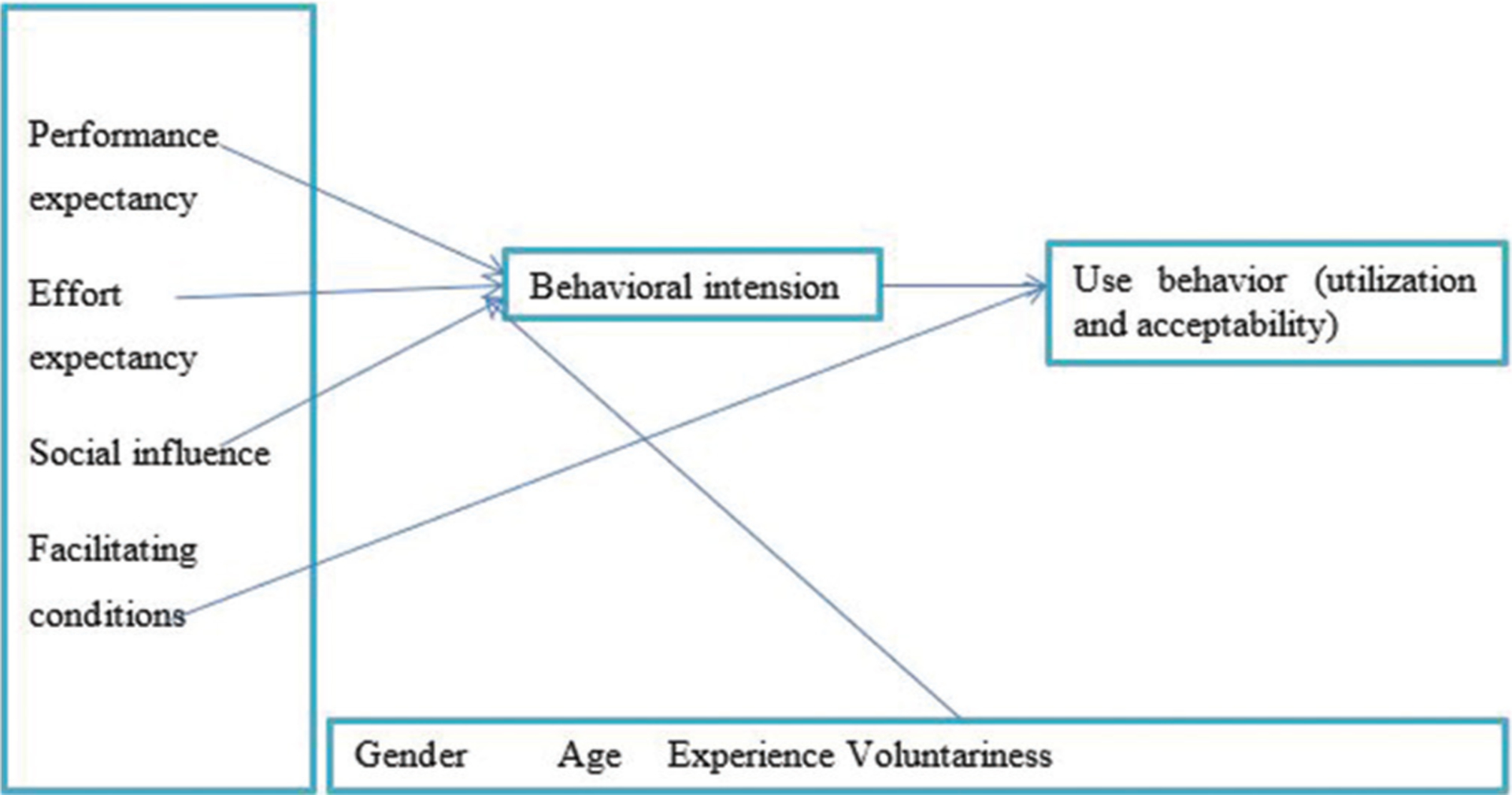
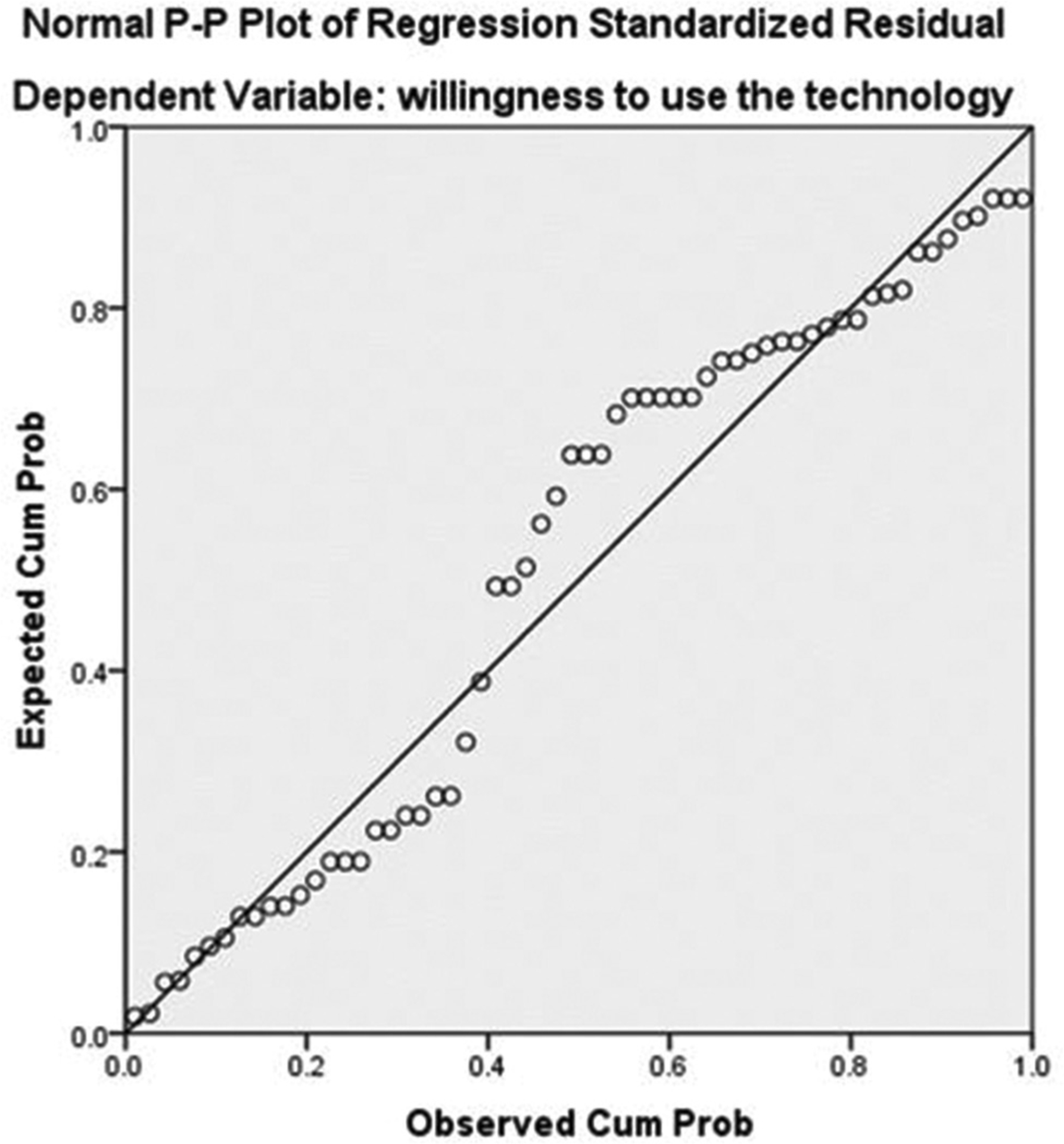
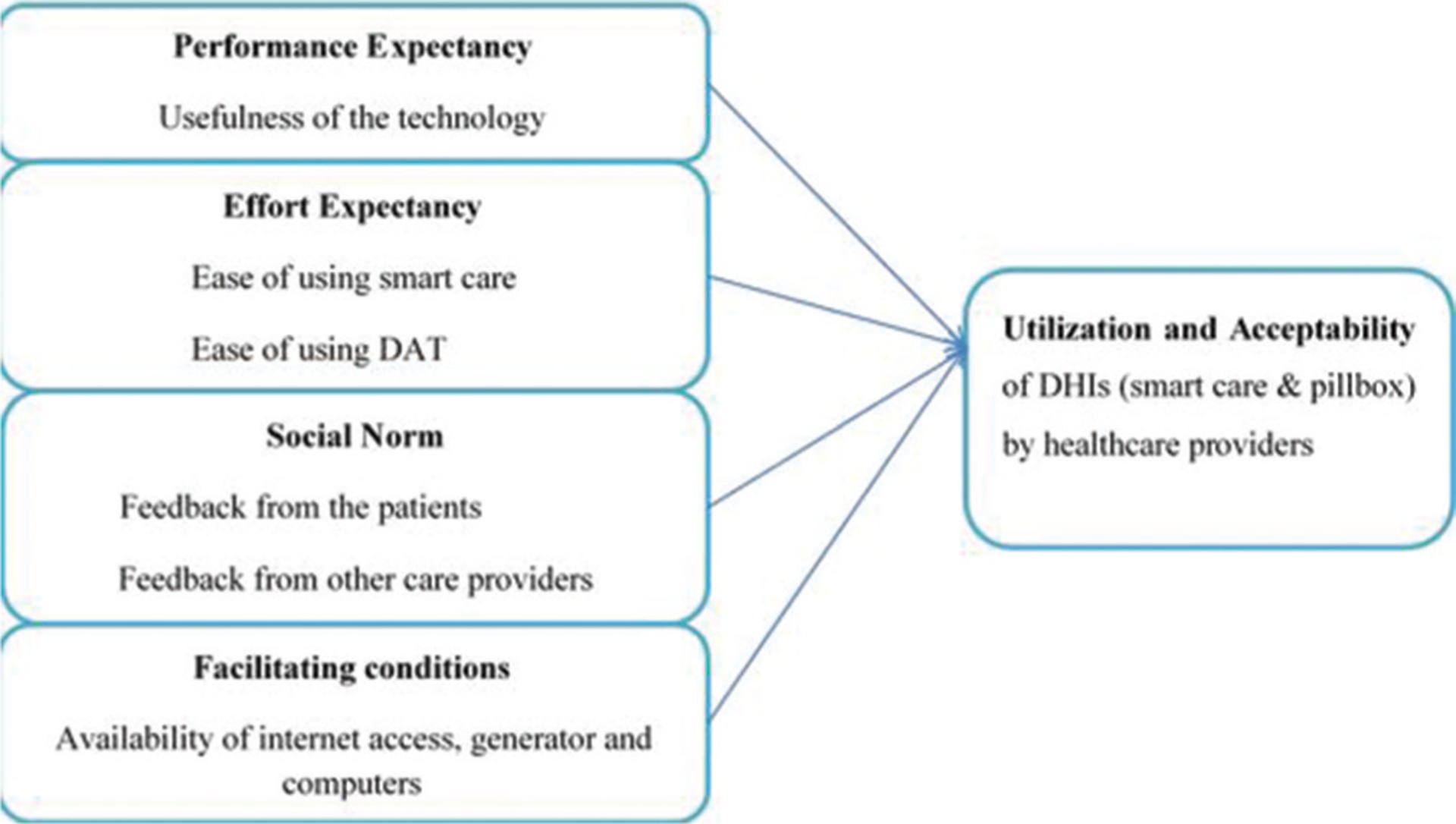
This was a multi-center, facility-based, mixed-method, cross-sectional study that included 14 government health-care facilities. The participants were health-care providers (HCPs) who provide TB and HIV clinical care. Using a tool framed by the unified theory of acceptance and use of technology model, data were collected. A linear regression model was used to assess the relationship between dependent and independent variables.
There were 76 HCPs actively engaged in HIV/TB clinical care services in the selected 14 study sites, of whom 60 met the inclusion criteria and participated in this study. The major factors that influence HCPs' willingness to use different technologies were educational level (β = 0.097, t = 3.784, P = 0.006), age (β = -0.227, t = -1.757, P = 0.027), work experience (β = -0.366, t = -2.855, P = 0.016). The strongest facilitator of their acceptance and the use of the digital adherence technology were perceptions of positive performance expectancy.
Many public healthcare facilities in Addis Ababa have already begun the process of implementing various DHIs and the level of acceptability of these technologies by HCPs was found to be high.
数字健康技术作为推进临床护理的有前途的技术正在出现。本研究旨在评估提供者在埃塞俄比亚亚的斯亚贝巴的结核病(TB)和艾滋病毒的临床护理和治疗中对数字健康干预(DHIs)的看法和可接受性。
这是一项多中心、基于机构的混合方法、横断面研究,包括 14 家政府卫生保健机构。参与者是提供结核病和艾滋病毒临床护理的卫生保健提供者(HCPs)。使用统一的接受和使用技术模型框架工具收集数据。使用线性回归模型评估因变量和自变量之间的关系。
在选定的 14 个研究地点有 76 名积极参与 HIV/TB 临床护理服务的 HCPs,其中 60 名符合纳入标准并参与了这项研究。影响 HCPs 使用不同技术意愿的主要因素是教育水平(β=0.097,t=3.784,P=0.006)、年龄(β=-0.227,t=-1.757,P=0.027)、工作经验(β=-0.366,t=-2.855,P=0.016)。接受和使用数字依从性技术的最大促进因素是对积极绩效预期的看法。
亚的斯亚贝巴的许多公共卫生保健机构已经开始实施各种数字健康技术,并且发现 HCPs 对这些技术的接受程度很高。