Draxler Peter, Moen Aurora, Galek Karolina, Boghos Ani, Ramazanova Dariga, Sandkühler Jürgen
Division of Neurophysiology, Center for Brain Research, Medical University of Vienna, Vienna, Austria.
Center for Medical Statistics, Informatics and Intelligent Systems (CeMSIIS) Section for Medical Statistics, Medical University of Vienna, Vienna, Austria.
Front Pain Res (Lausanne). 2021 Jul 1;2:672711. doi: 10.3389/fpain.2021.672711. eCollection 2021.
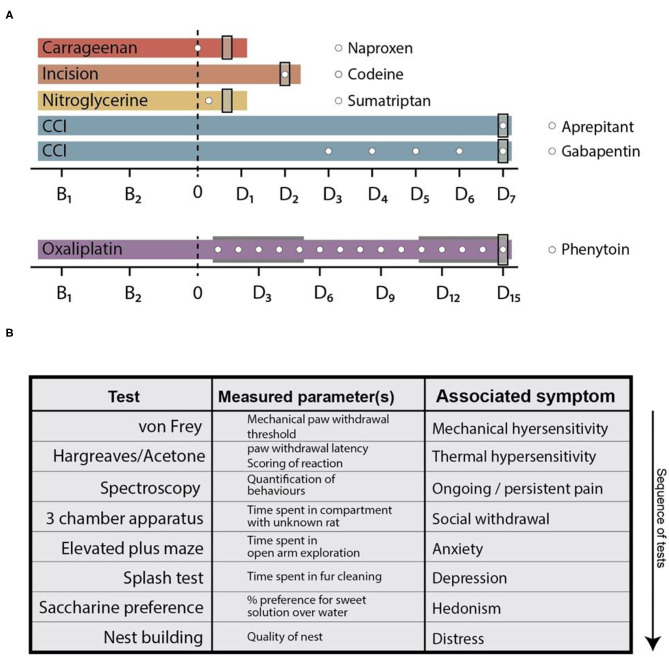
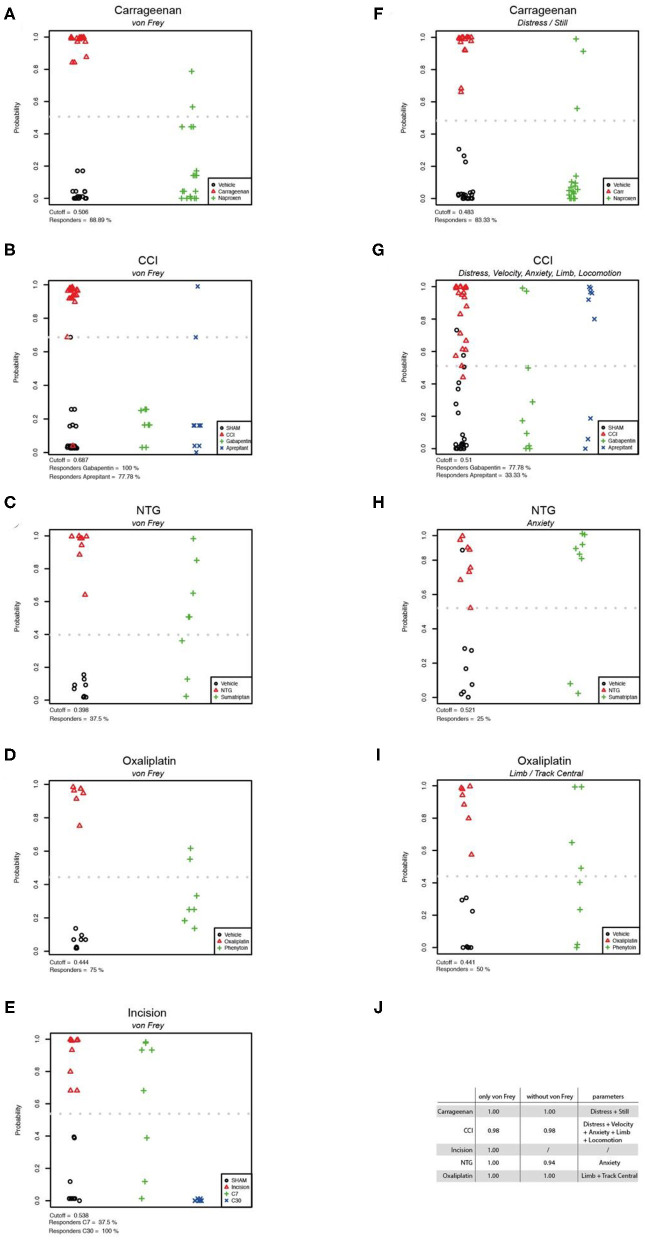
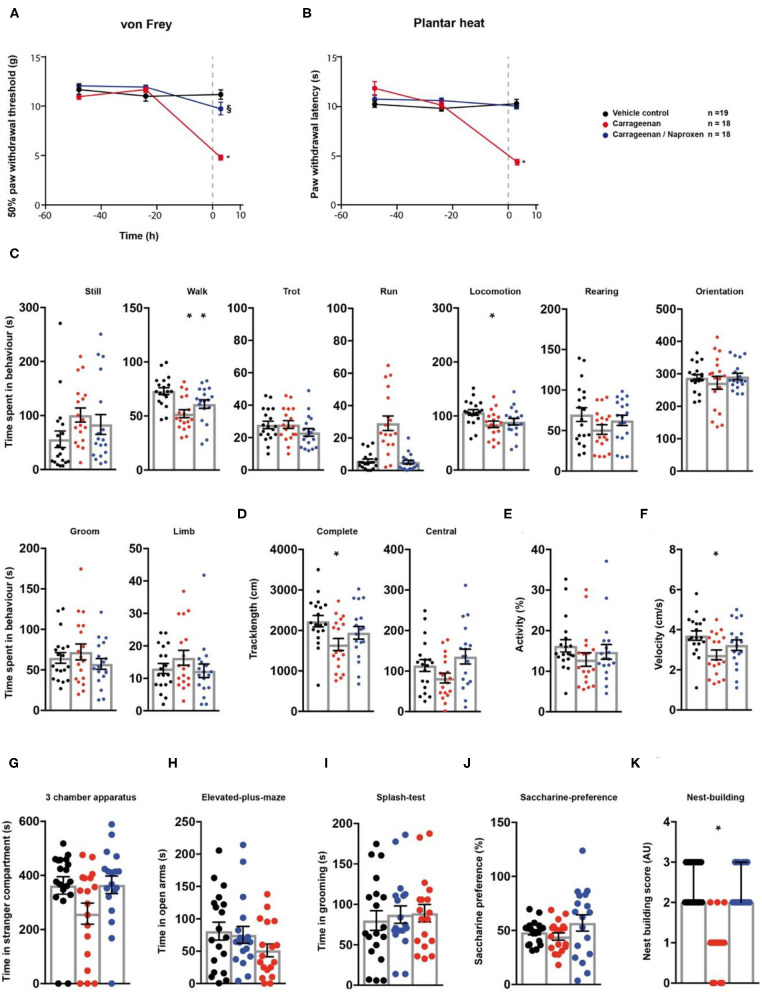
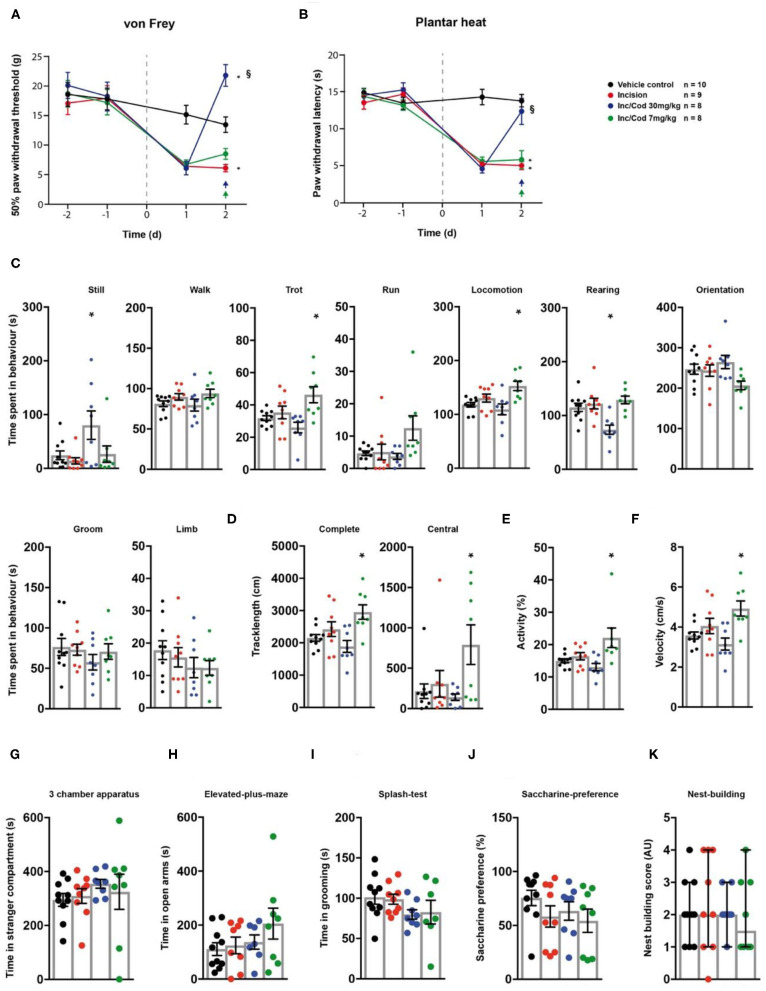
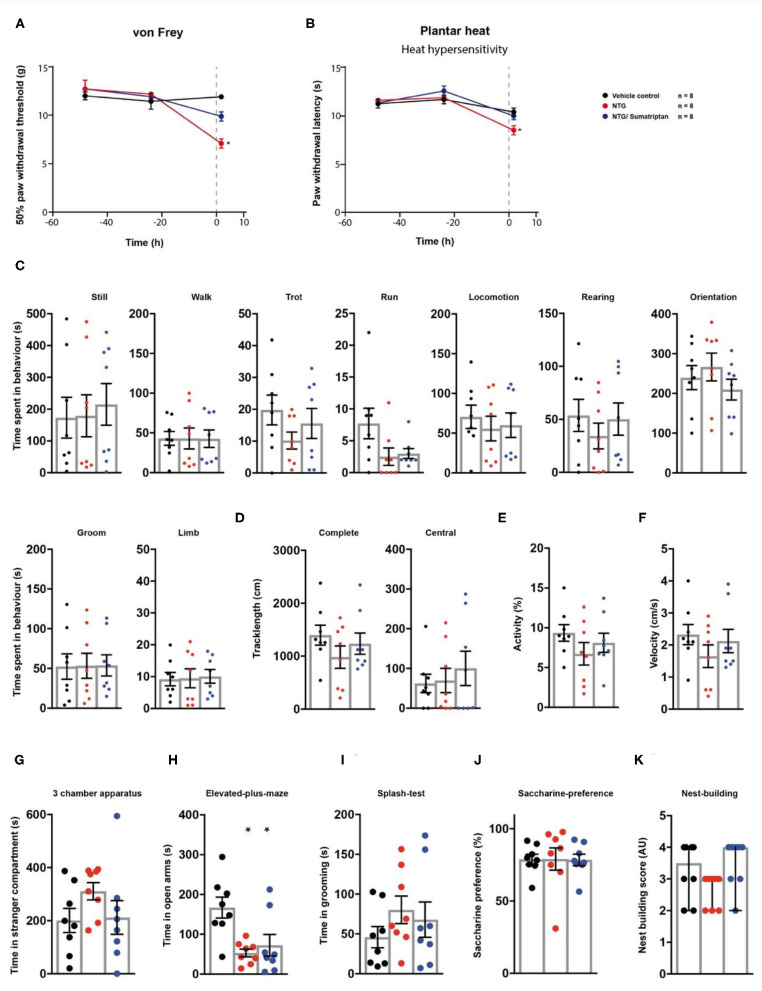
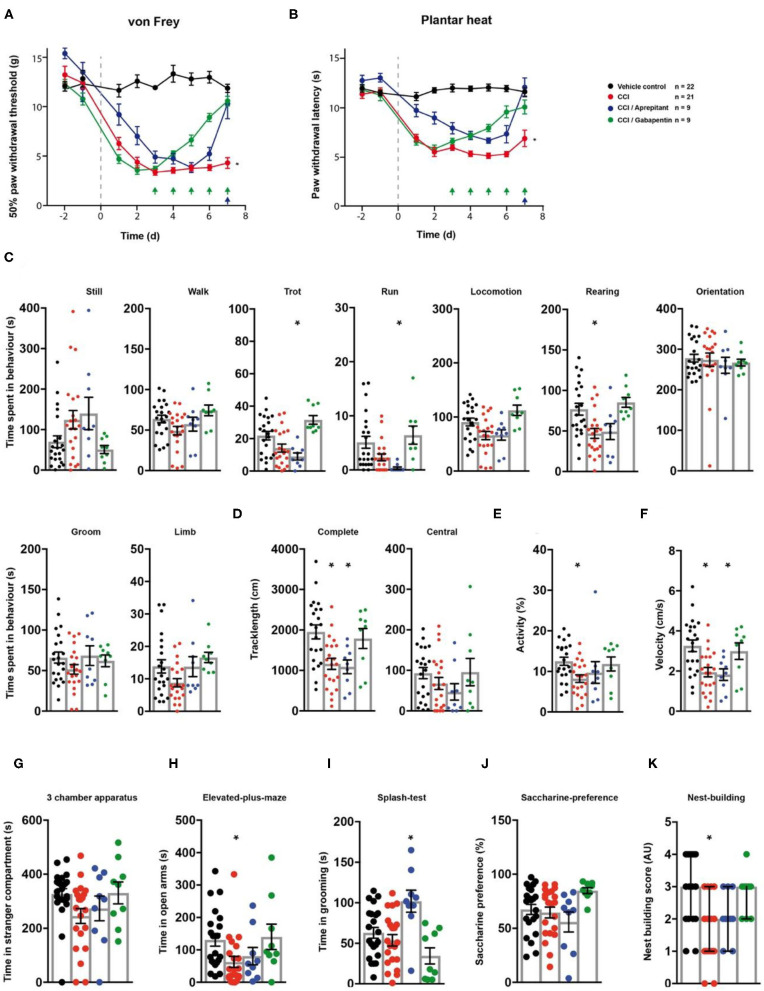
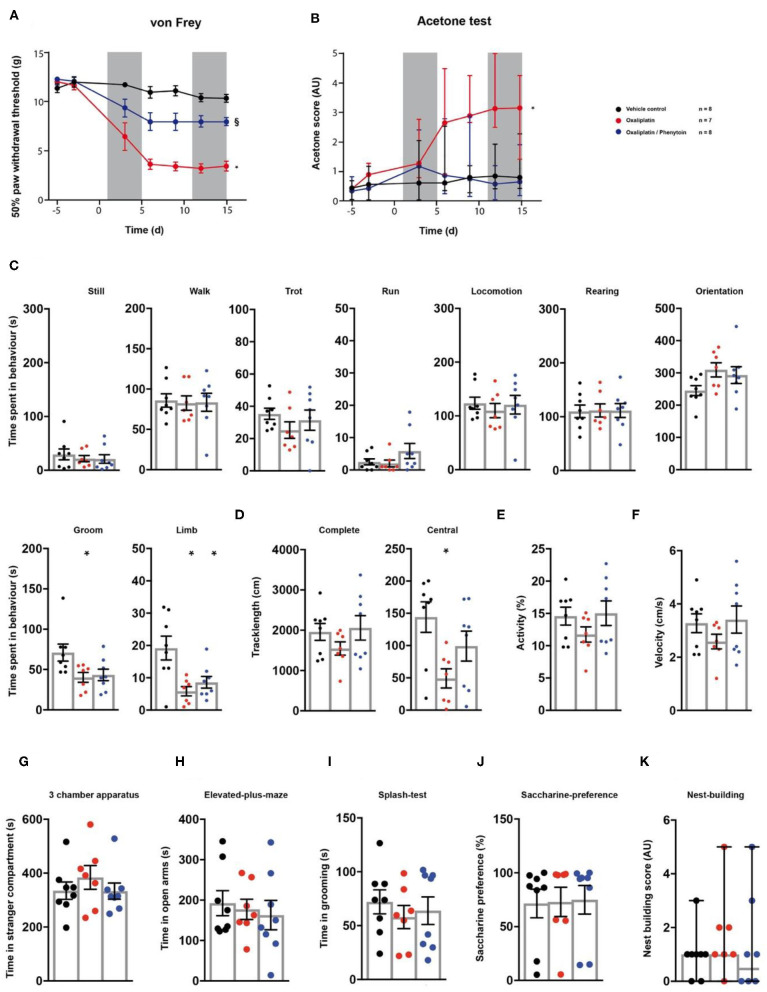
In pain patients affective and motivational reactions as well as impairment of daily life activities dominate the clinical picture. In contrast, many rodent pain models have been established on the basis of mechanical hypersensitivity testing. Up to today most rodent studies on pain still rely on reflexive withdrawal responses only. This discrepancy has likely contributed to the low predictive power of preclinical pain models for novel therapies. Here, we used a behavioural test array for rats to behaviourally evaluate five aetiologically distinct pain models consisting of inflammatory-, postsurgical-, cephalic-, neuropathic- and chemotherapy-induced pain. We assessed paralleling clinical expressions and comorbidities of chronic pain with an array of behavioural tests to assess anxiety, social interaction, distress, depression, and voluntary/spontaneous behaviours. Pharmacological treatment of the distinct pain conditions was performed with pathology-specific and clinically efficacious analgesics as gabapentin, sumatriptan, naproxen, and codeine. We found that rats differed in their manifestation of symptoms depending on the pain model and that pathology-specific analgesics also reduced the associated behavioural parameters. Based on all behavioural test performed, we screened for tests that can discriminate experimental groups on the basis of reflexive as well as non-sensory, affective parameters. Together, we propose a set of non-evoked behaviours with a comparable predictive power to mechanical threshold testing for each pain model.
在疼痛患者中,情感和动机反应以及日常生活活动受损主导着临床表现。相比之下,许多啮齿动物疼痛模型是基于机械性超敏反应测试建立的。直到今天,大多数关于疼痛的啮齿动物研究仍然仅依赖于反射性退缩反应。这种差异可能导致临床前疼痛模型对新疗法的预测能力较低。在此,我们使用大鼠行为测试阵列,对由炎症性、手术后、头部、神经性和化疗诱导性疼痛组成的五种病因不同的疼痛模型进行行为评估。我们通过一系列行为测试评估慢性疼痛的平行临床症状和共病情况,以评估焦虑、社交互动、痛苦、抑郁和自愿/自发行为。使用加巴喷丁、舒马曲坦、萘普生和可待因等针对特定病理且临床有效的镇痛药对不同疼痛状况进行药物治疗。我们发现,大鼠的症状表现因疼痛模型而异,并且针对特定病理的镇痛药也降低了相关的行为参数。基于所进行的所有行为测试,我们筛选出能够基于反射性以及非感觉性、情感性参数区分实验组的测试。我们共同提出了一组非诱发行为,其对每种疼痛模型的预测能力与机械阈值测试相当。