The State Key Laboratory Breeding Base of Basic Science of Stomatology (Hubei-MOST) & Key Laboratory of Oral Biomedicine Ministry of Education, School & Hospital of Stomatology, Wuhan University, Wuhan, China.
Department of Oral and Maxillofacial-Head and Neck Oncology, School & Hospital of Stomatology, Wuhan University, Wuhan, China.
Cancer Sci. 2022 Jul;113(7):2232-2245. doi: 10.1111/cas.15338. Epub 2022 May 29.
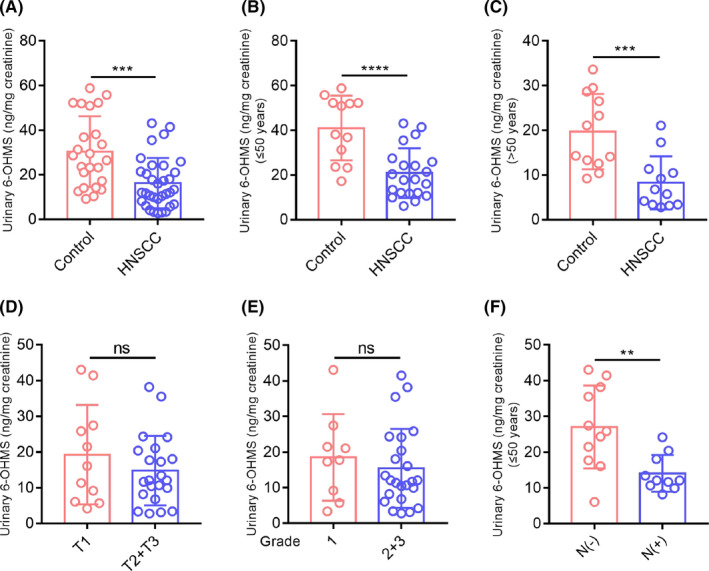
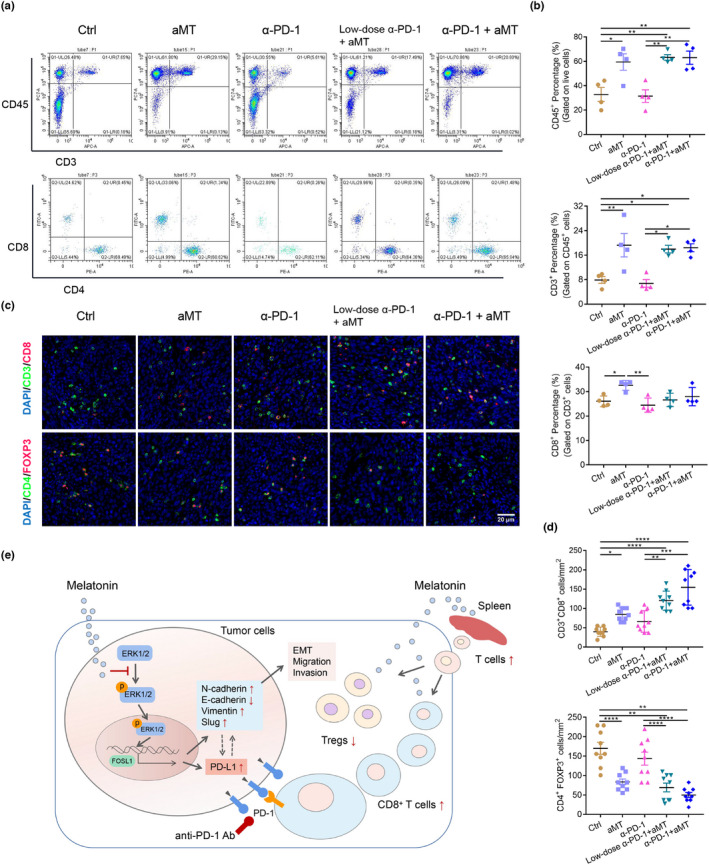
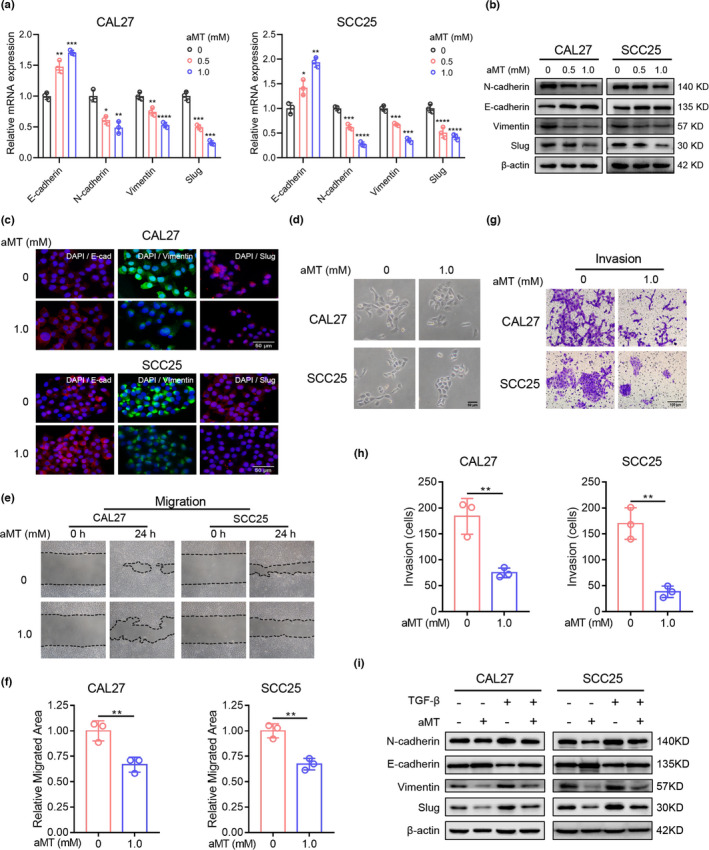
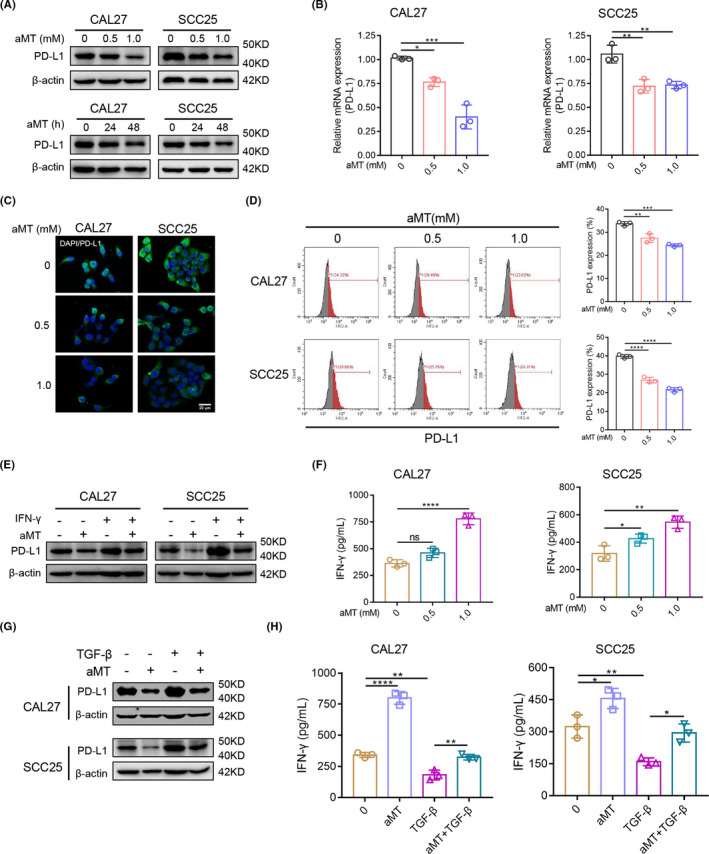
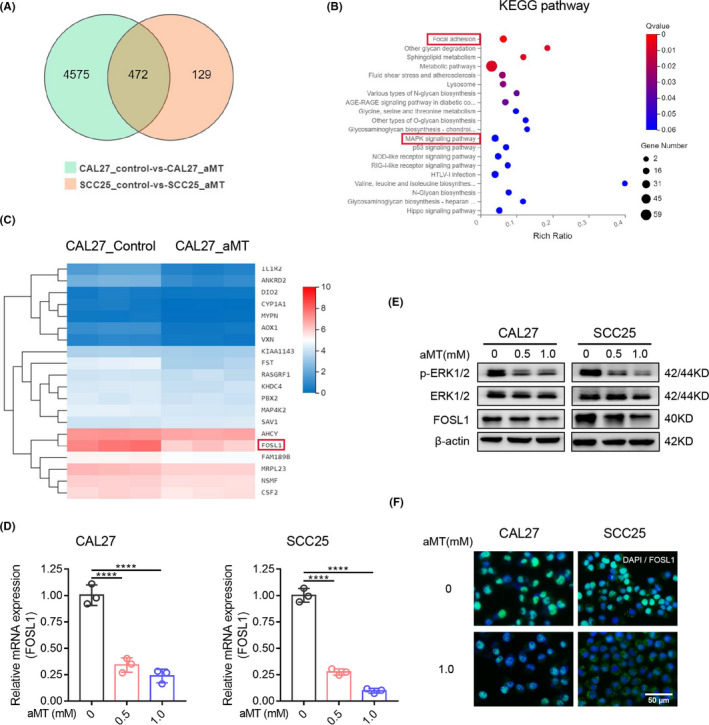
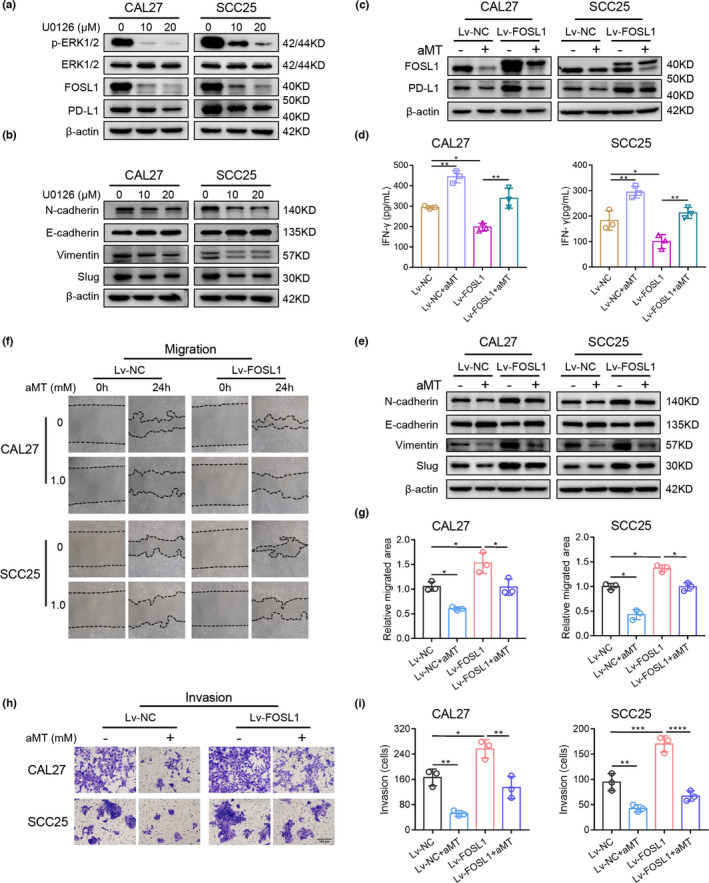
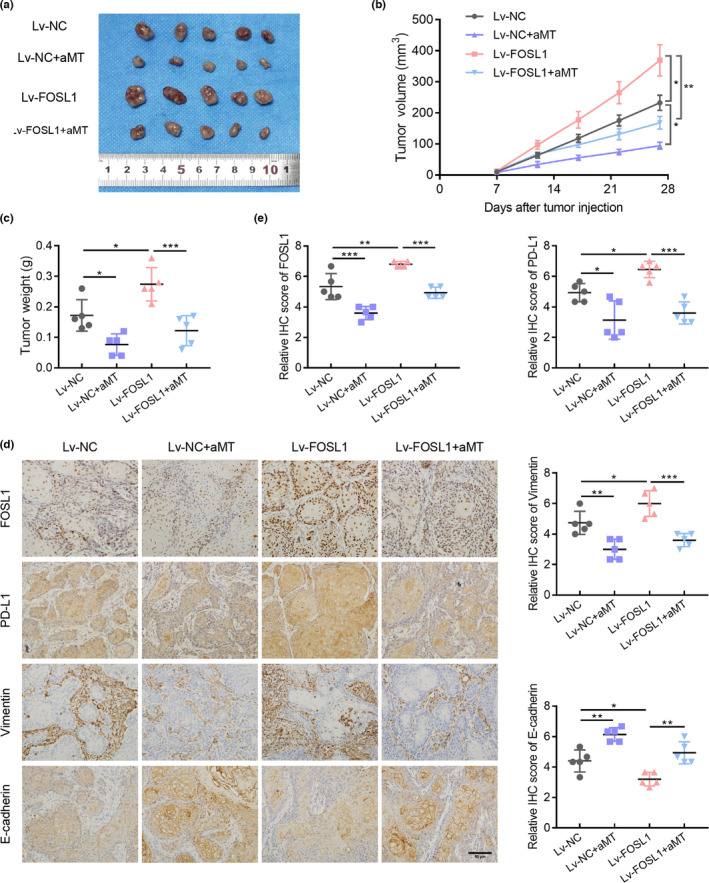
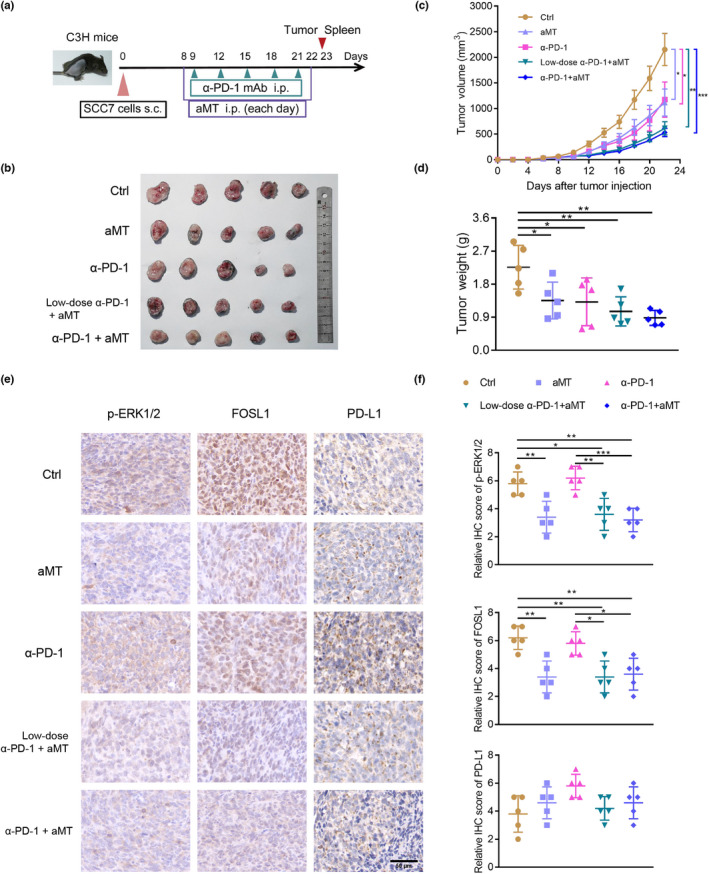
Melatonin is an endogenous hormone with various biological functions and possesses anti-tumor properties in multiple malignancies. Immune evasion is one of the most important hallmarks of head and neck squamous cell carcinoma (HNSCC) and is closely related to tumor progression. However, as an immune modulator under physiological conditions, the roles of melatonin in tumor immunity in HNSCC remains unclear. In this study, we found that the endogenous melatonin levels in patients with HNSCC were lower than those in patients with benign tumors in head and neck. Importantly, lower melatonin levels were related to lymph node metastasis among patients with HNSCC. Moreover, melatonin significantly suppressed programmed death-ligand 1 (PD-L1) expression and inhibited epithelial-mesenchymal transition (EMT) of HNSCC through the ERK1/2/FOSL1 pathway in vitro and in vivo. In SCC7/C3H syngeneic mouse models, anti-programmed death-1 (PD-1) antibody combined with melatonin significantly inhibited tumor growth and modulated anti-tumor immunity by increasing CD8 T cell infiltration and decreasing the regulatory T cell (Treg) proportion in the tumor microenvironment. Taken together, melatonin inhibited EMT and downregulated PD-L1 expression in HNSCC through the ERK1/2/FOSL1 pathway and exerted synergistic effects with anti-PD-1 antibody in vivo, which could provide promising strategies for HNSCC treatment.
褪黑素是一种内源性激素,具有多种生物学功能,在多种恶性肿瘤中具有抗肿瘤特性。免疫逃避是头颈部鳞状细胞癌(HNSCC)的最重要特征之一,与肿瘤进展密切相关。然而,作为生理条件下的免疫调节剂,褪黑素在 HNSCC 肿瘤免疫中的作用尚不清楚。在本研究中,我们发现 HNSCC 患者体内的内源性褪黑素水平低于头颈部良性肿瘤患者。重要的是,HNSCC 患者中较低的褪黑素水平与淋巴结转移有关。此外,褪黑素通过 ERK1/2/FOSL1 通路在体外和体内显著抑制 HNSCC 中程序性死亡配体 1(PD-L1)的表达,并抑制上皮间质转化(EMT)。在 SCC7/C3H 同源小鼠模型中,抗程序性死亡-1(PD-1)抗体与褪黑素联合使用通过增加肿瘤微环境中 CD8 T 细胞浸润和减少调节性 T 细胞(Treg)比例,显著抑制肿瘤生长并调节抗肿瘤免疫。总之,褪黑素通过 ERK1/2/FOSL1 通路抑制 HNSCC 中的 EMT 和下调 PD-L1 表达,并在体内与抗 PD-1 抗体产生协同作用,为 HNSCC 的治疗提供了有前途的策略。