Wu Xuechao, Wan Quan, Wang Jing, Hou Peng, Zhang Qijian, Wang Qing, Lu Xiaojie
Department of Neurosurgery, The Affiliated Wuxi No.2 People's Hospital of Nanjing Medical University, Wuxi, 214002, People's Republic of China.
Department of Neurosurgery, The Affiliated Wuxi Clinical College of Nantong University, Wuxi, 214002, People's Republic of China.
Onco Targets Ther. 2022 Mar 9;15:219-235. doi: 10.2147/OTT.S349078. eCollection 2022.
The lncRNA MIR155 host gene (MIR155HG) plays a role in the progression of several malignant cancers. However, the specific mechanisms of MIR155HG in glioma progression have not been clearly established. The purpose of this study was to investigate the function of MIR155HG in glioma at the transcriptome level and relationship with immune infiltration.
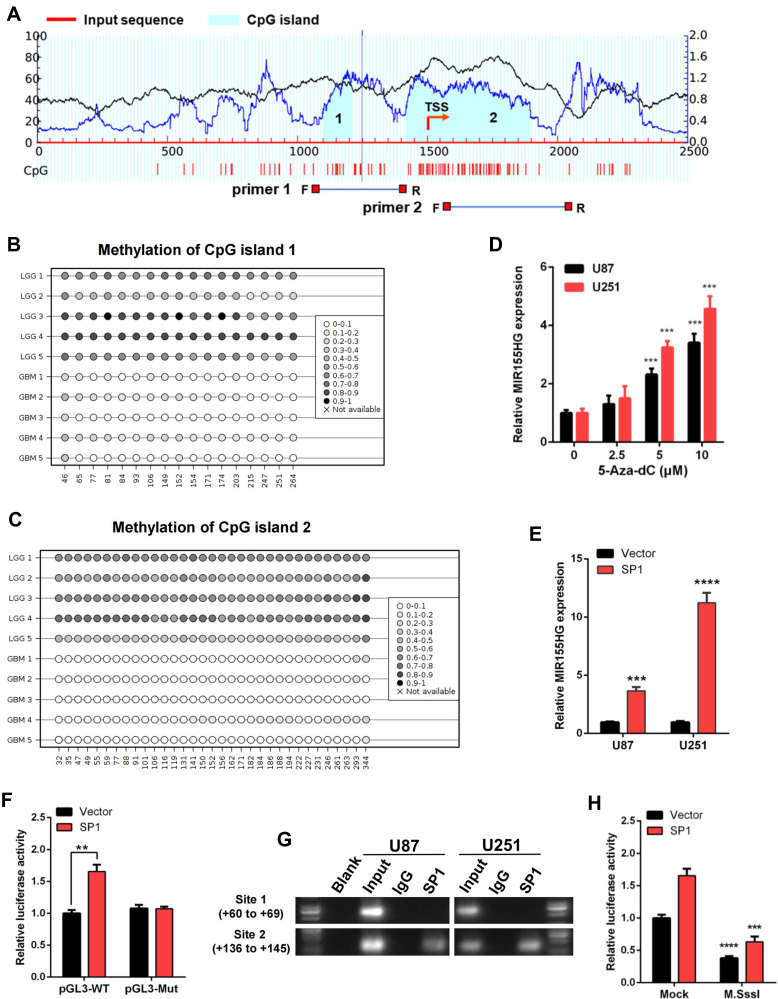
Totally, 697 RNA-seq and 594 DNA methylation data were retrieved from The Cancer Genome Atlas (TCGA) dataset while 325 RNA-seq data were retrieved from the Chinese Glioma Genome Atlas (CGGA) dataset. The DNA methylation levels of MIR155HG CpG islands were assessed through bisulfite amplicon sequencing (BSAS). The regulatory mechanism of SP1 on MIR155HG was examined by chromatin immunoprecipitation (ChIP) and luciferase reporter assays. R language was used as the main tool for statistical analysis and graphical work.
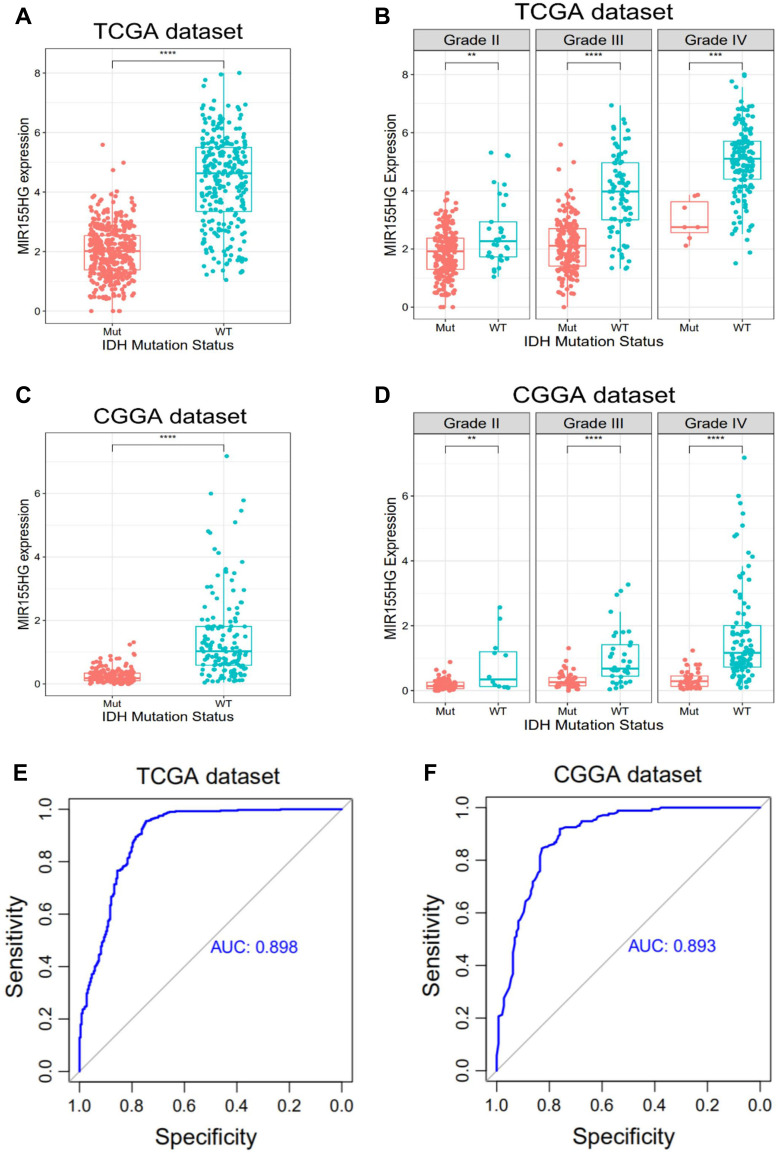
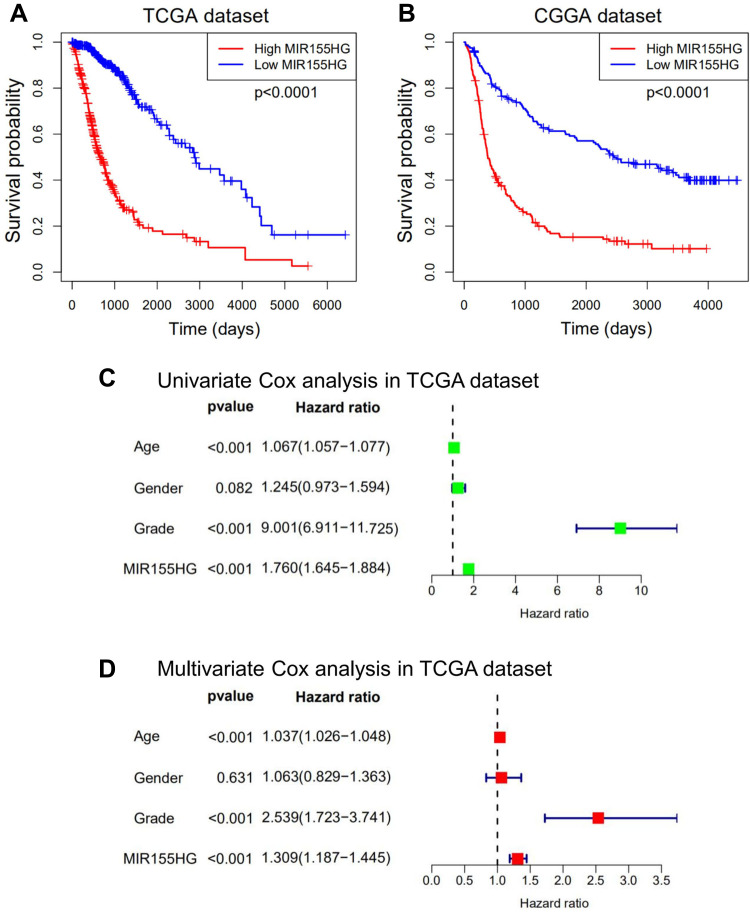
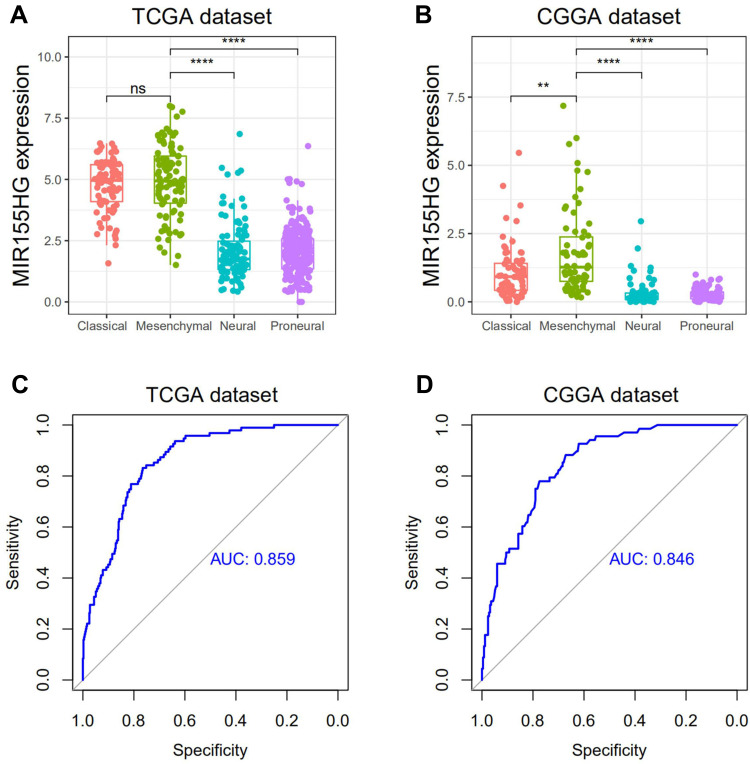
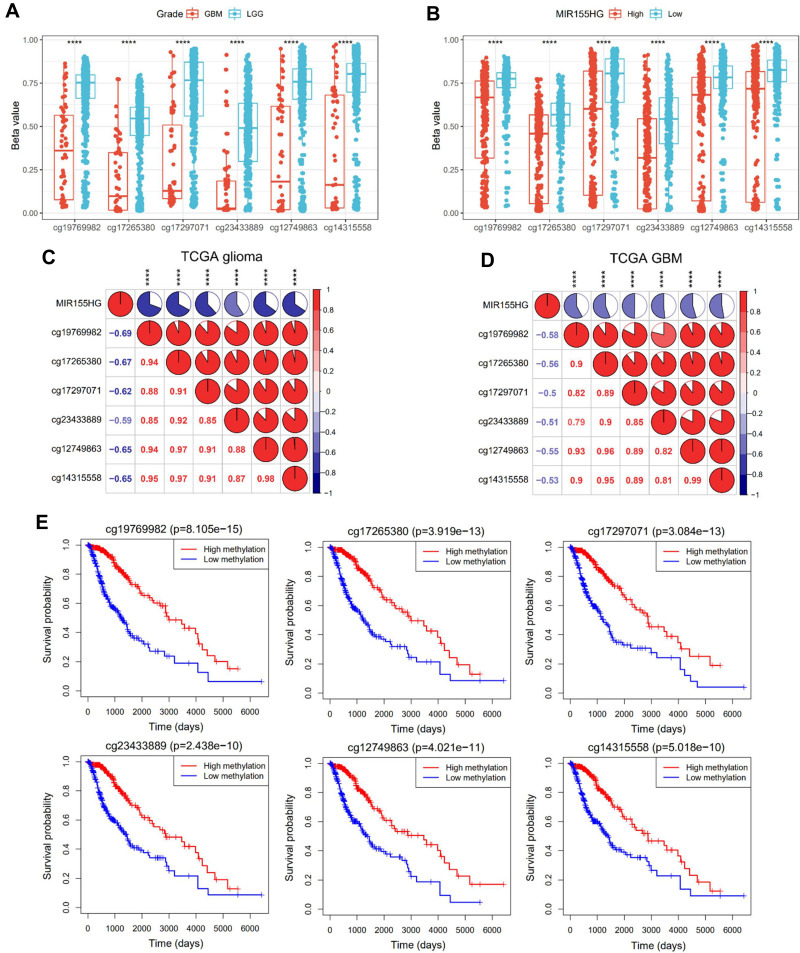
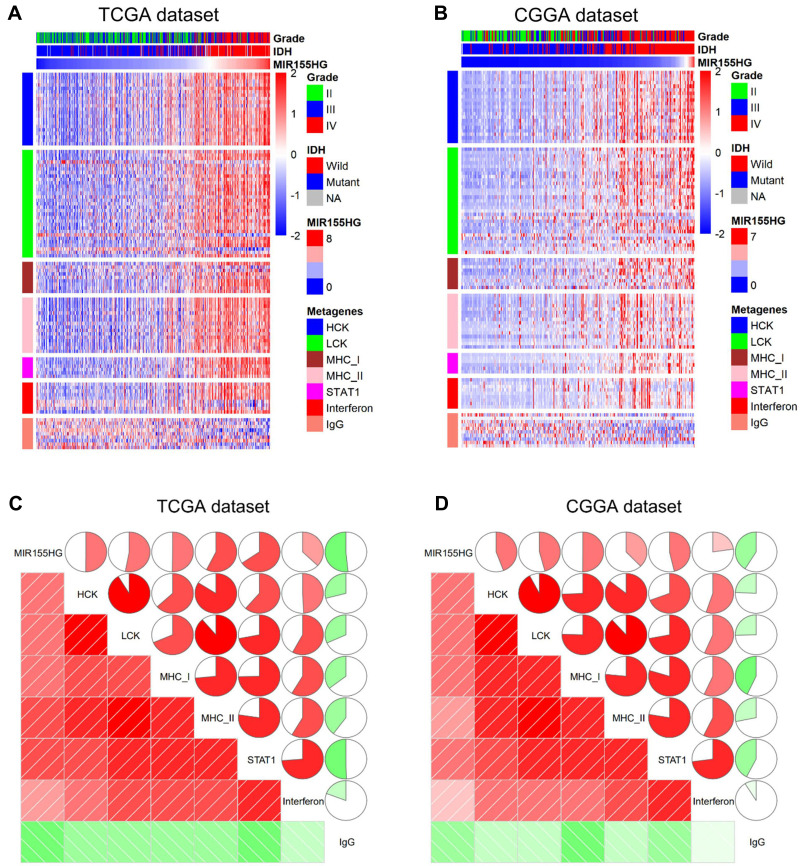
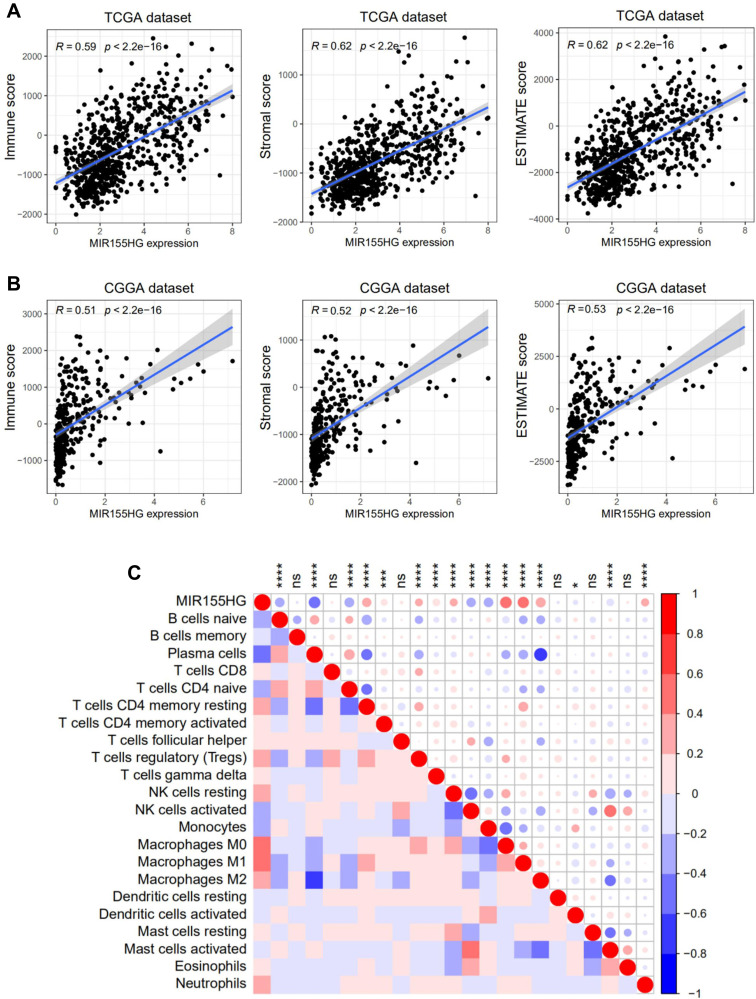
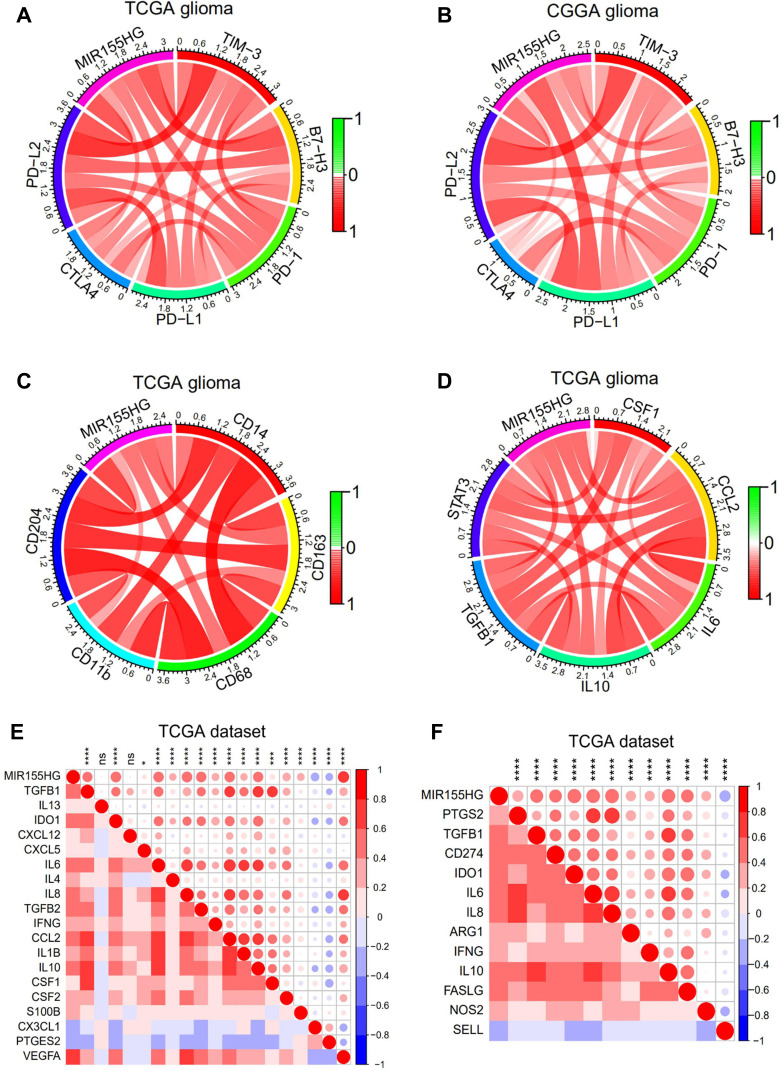
MIR155HG was predominantly expressed in the isocitrate dehydrogenase (IDH) wild-type as well as mesenchymal subtype gliomas. Promoter methylation levels of MIR155HG in glioblastoma (GBM) were remarkably decreased compared with those in lower-grade glioma (LGG). In addition, there were negative correlations between promoter methylation levels and MIR155HG expressions but positive correlations with patients' overall survival. In vitro studies further revealed that MIR155HG expression was regulated by DNA promoter methylation and transcription factor (SP1) binding to the promoter. Moreover, there was a close association between MIR155HG expression and immune as well as stromal cell infiltrations, inflammatory activities, and immune checkpoints. Clinically, univariate and multivariate Cox analyses revealed that MIR155HG is an independent prognostic marker for glioma patients.
Our results established that MIR155HG is a potential biomarker for prognosis and an immunotherapeutic target in glioma.
长链非编码RNA MIR155宿主基因(MIR155HG)在多种恶性肿瘤的进展中发挥作用。然而,MIR155HG在胶质瘤进展中的具体机制尚未明确。本研究旨在在转录组水平上研究MIR155HG在胶质瘤中的功能及其与免疫浸润的关系。
从癌症基因组图谱(TCGA)数据集检索到697个RNA测序和594个DNA甲基化数据,同时从中国胶质瘤基因组图谱(CGGA)数据集检索到325个RNA测序数据。通过亚硫酸氢盐扩增子测序(BSAS)评估MIR155HG CpG岛的DNA甲基化水平。通过染色质免疫沉淀(ChIP)和荧光素酶报告基因检测来研究SP1对MIR155HG的调控机制。R语言用作统计分析和图形处理的主要工具。
MIR155HG主要在异柠檬酸脱氢酶(IDH)野生型以及间充质亚型胶质瘤中表达。与低级别胶质瘤(LGG)相比,胶质母细胞瘤(GBM)中MIR155HG的启动子甲基化水平显著降低。此外,启动子甲基化水平与MIR155HG表达呈负相关,但与患者总生存期呈正相关。体外研究进一步表明,MIR155HG的表达受DNA启动子甲基化和转录因子(SP1)与启动子结合的调控。此外,MIR155HG表达与免疫及基质细胞浸润、炎症活动和免疫检查点之间存在密切关联。临床上,单因素和多因素Cox分析显示,MIR155HG是胶质瘤患者的独立预后标志物。
我们的结果表明,MIR155HG是胶质瘤预后的潜在生物标志物和免疫治疗靶点。