Department of Veterinary Physiology and Pharmacology, Texas A&M University, College Station, TX 77843, USA.
Int J Mol Sci. 2023 Mar 8;24(6):5164. doi: 10.3390/ijms24065164.
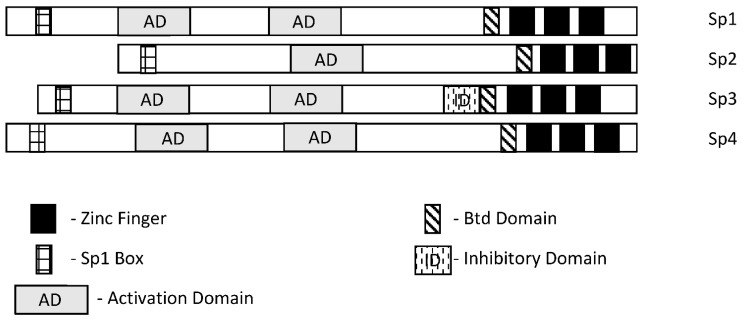
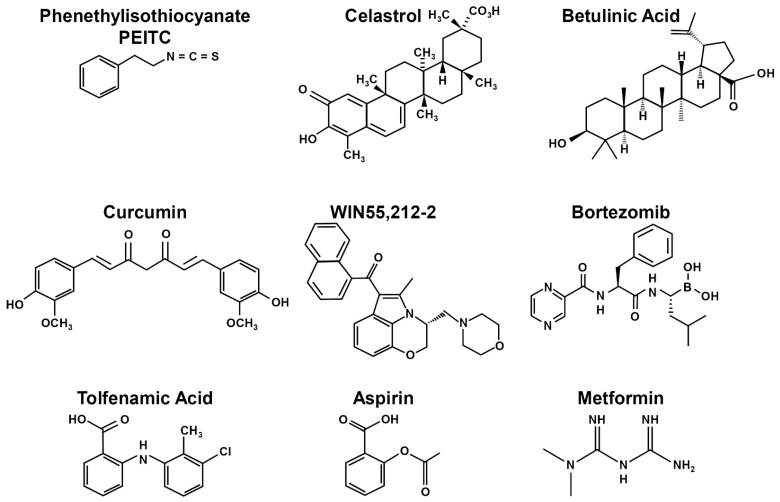
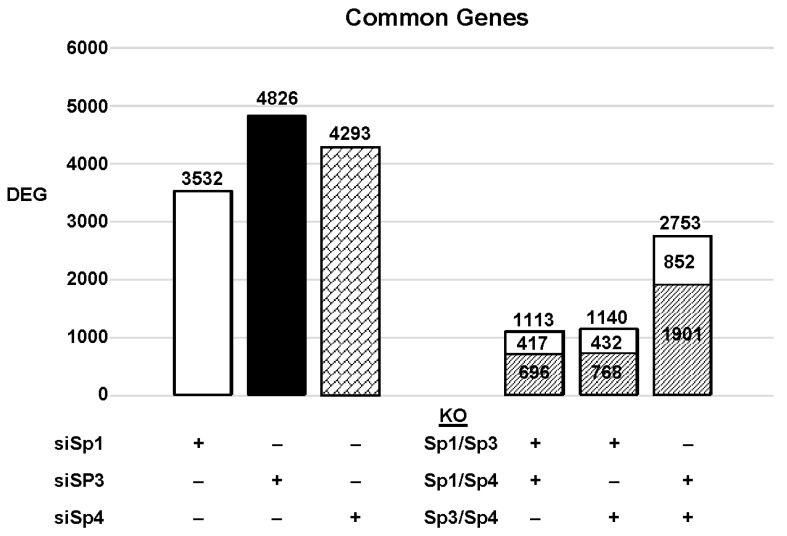
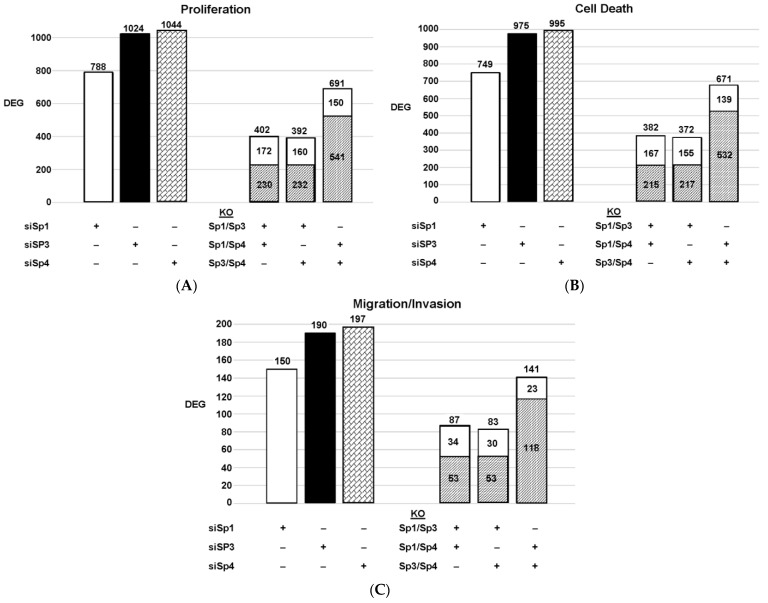
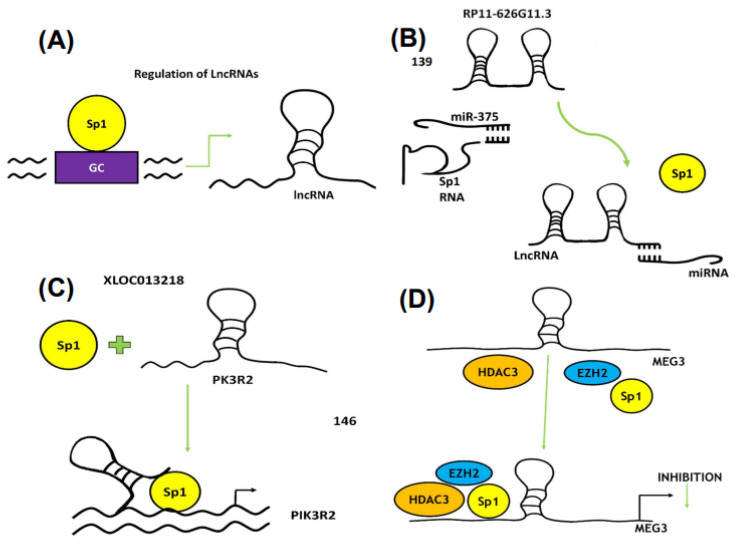
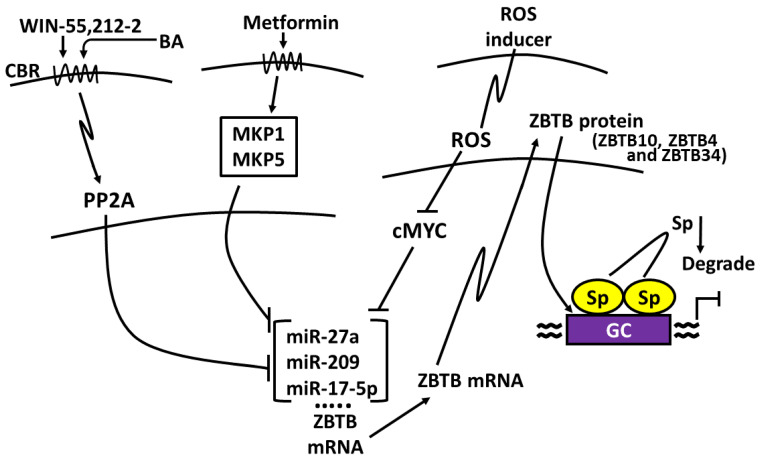
The specificity protein (Sp) transcription factors (TFs) Sp1, Sp2, Sp3 and Sp4 exhibit structural and functional similarities in cancer cells and extensive studies of Sp1 show that it is a negative prognostic factor for patients with multiple tumor types. In this review, the role of Sp1, Sp3 and Sp4 in the development of cancer and their regulation of pro-oncogenic factors and pathways is reviewed. In addition, interactions with non-coding RNAs and the development of agents that target Sp transcription factors are also discussed. Studies on normal cell transformation into cancer cell lines show that this transformation process is accompanied by increased levels of Sp1 in most cell models, and in the transformation of muscle cells into rhabdomyosarcoma, both Sp1 and Sp3, but not Sp4, are increased. The pro-oncogenic functions of Sp1, Sp3 and Sp4 in cancer cell lines were studied in knockdown studies where silencing of each individual Sp TF decreased cancer growth, invasion and induced apoptosis. Silencing of an individual Sp TF was not compensated for by the other two and it was concluded that Sp1, Sp3 and Sp4 are examples of non-oncogene addicted genes. This conclusion was strengthened by the results of Sp TF interactions with non-coding microRNAs and long non-coding RNAs where Sp1 contributed to pro-oncogenic functions of Sp/non-coding RNAs. There are now many examples of anticancer agents and pharmaceuticals that induce downregulation/degradation of Sp1, Sp3 and Sp4, yet clinical applications of drugs specifically targeting Sp TFs are not being used. The application of agents targeting Sp TFs in combination therapies should be considered for their potential to enhance treatment efficacy and decrease toxic side effects.
特异性蛋白 (Sp) 转录因子 (TFs) Sp1、Sp2、Sp3 和 Sp4 在癌细胞中表现出结构和功能上的相似性,对 Sp1 的广泛研究表明,它是多种肿瘤类型患者的预后不良因素。在这篇综述中,讨论了 Sp1、Sp3 和 Sp4 在癌症发展中的作用及其对原癌基因因子和途径的调节。此外,还讨论了与非编码 RNA 的相互作用以及靶向 Sp 转录因子的药物的开发。对正常细胞向癌细胞系的转化研究表明,在大多数细胞模型中,这种转化过程伴随着 Sp1 水平的升高,而在肌肉细胞向横纹肌肉瘤的转化中,Sp1 和 Sp3 都升高了,但 Sp4 没有升高。在敲低研究中研究了 Sp1、Sp3 和 Sp4 在癌细胞系中的致癌功能,其中沉默每个单独的 Sp TF 都会降低癌细胞的生长、侵袭并诱导细胞凋亡。沉默一个单独的 Sp TF 并不能被另外两个 Sp TF 代偿,因此得出结论 Sp1、Sp3 和 Sp4 是非癌基因成瘾基因的例子。这一结论得到了 Sp TF 与非编码 microRNAs 和长非编码 RNA 相互作用的结果的加强,其中 Sp1 促进了 Sp/非编码 RNA 的致癌功能。现在有许多抗癌药物和药物可以诱导 Sp1、Sp3 和 Sp4 的下调/降解,但尚未将专门针对 Sp TF 的药物应用于临床。应考虑将靶向 Sp TF 的药物联合治疗应用于其增强治疗效果和降低毒副作用的潜力。