Li Wen, Shan Boquan, Cheng Xiang, He Hui, Qin Jianbing, Zhao Heyan, Tian Meiling, Zhang Xinhua, Jin Guohua
Department of Human Anatomy, Institute of Neurobiology, Medical School of Nantong University, Nantong, Jiangsu, China; Co-Innovation Center of Neuroregeneration, Nantong University, Nantong, Jiangsu, China; Key Laboratory of Neuroregeneration of Jiangsu Province and Ministry of Education, Nantong University, Nantong, Jiangsu, China.
Department of Human Anatomy, Institute of Neurobiology, Medical School of Nantong University, Nantong, Jiangsu, China; Co-Innovation Center of Neuroregeneration, Nantong University, Nantong, Jiangsu, China; Key Laboratory of Neuroregeneration of Jiangsu Province and Ministry of Education, Nantong University, Nantong, Jiangsu, China.
J Biol Chem. 2022 Apr;298(4):101828. doi: 10.1016/j.jbc.2022.101828. Epub 2022 Mar 17.
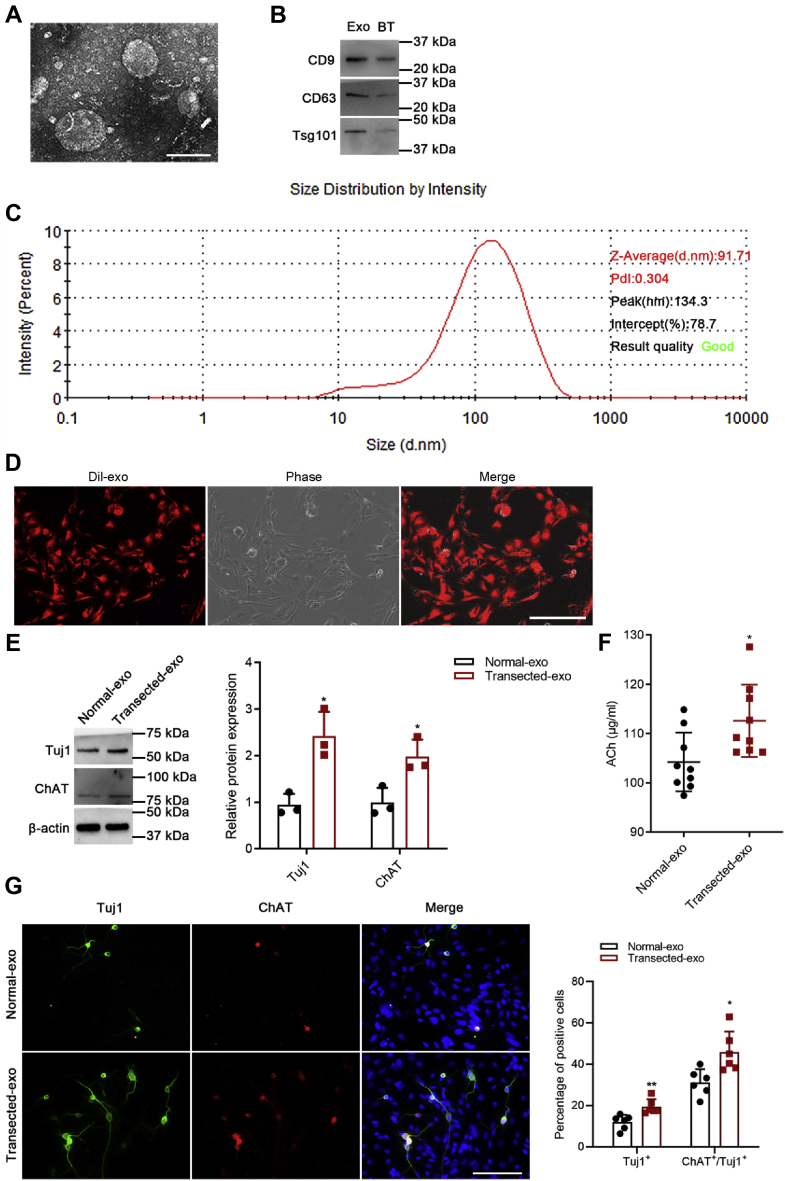
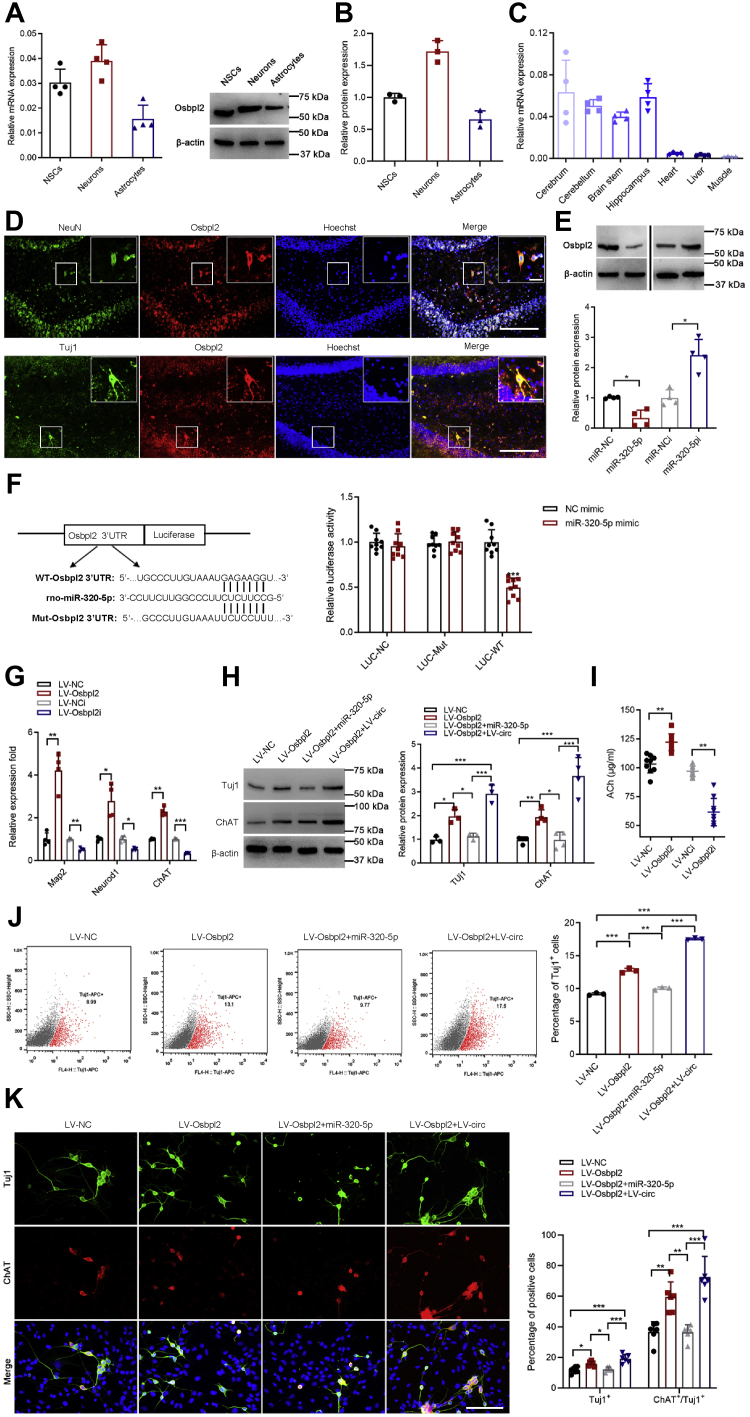
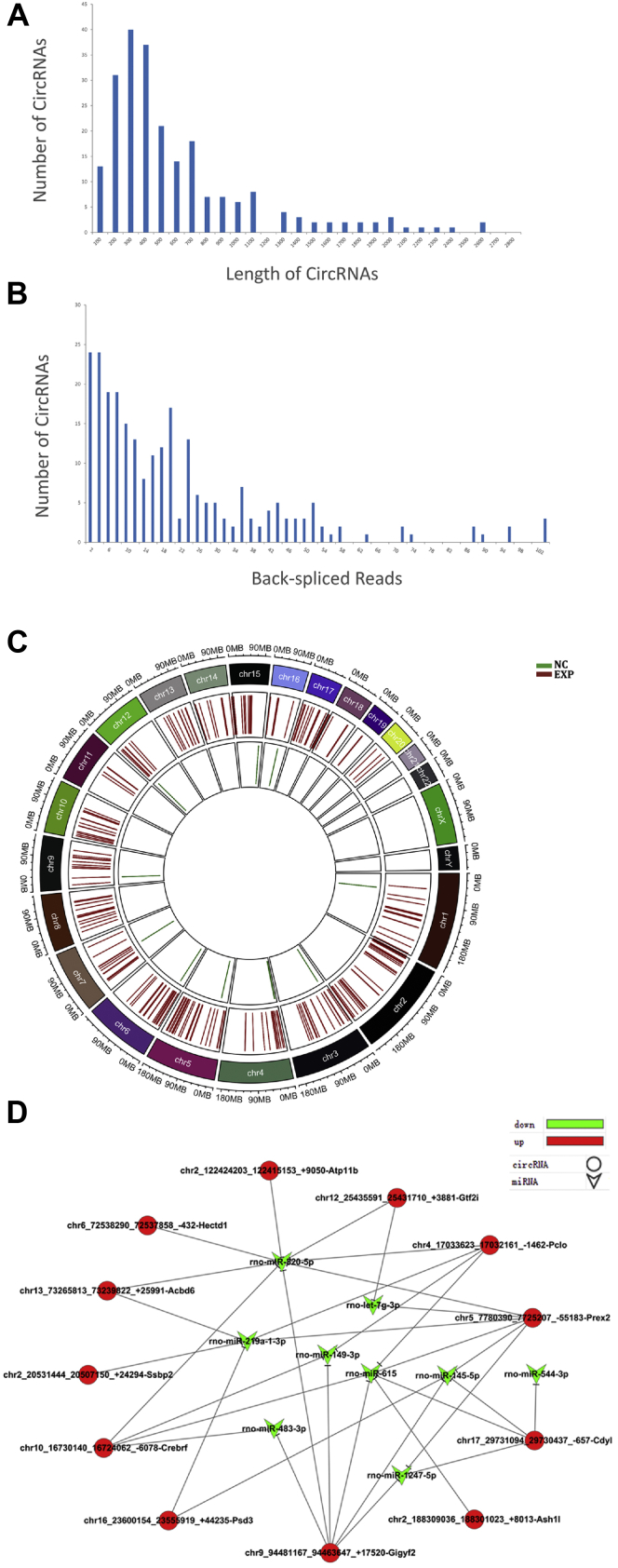
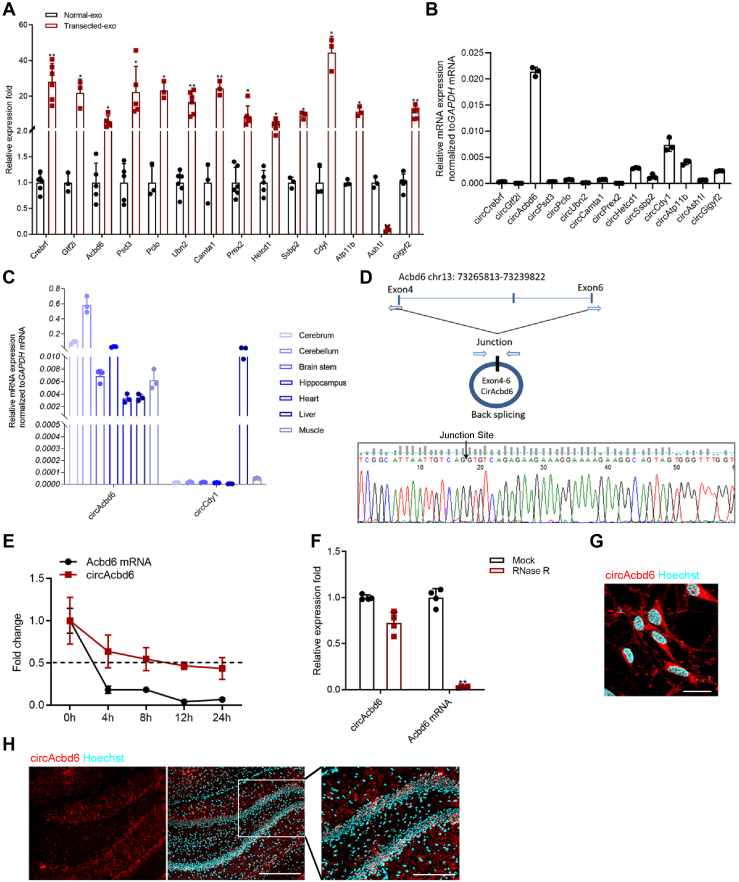
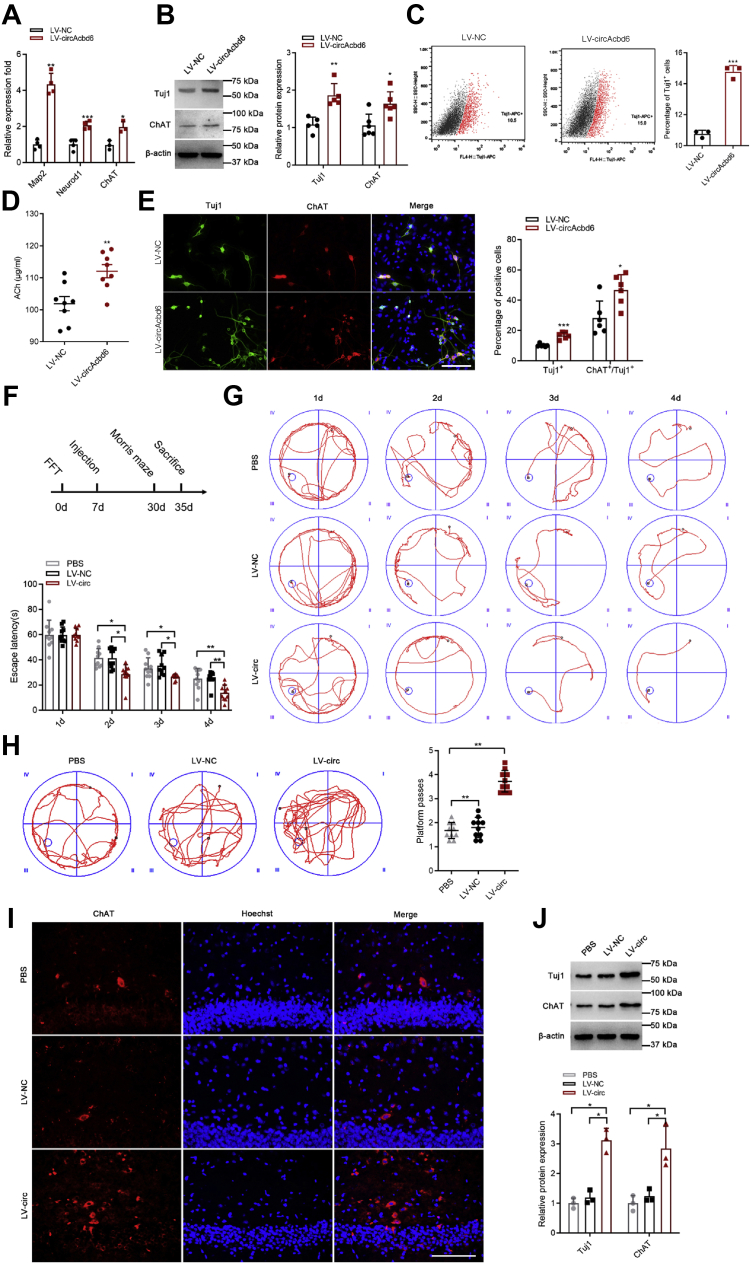
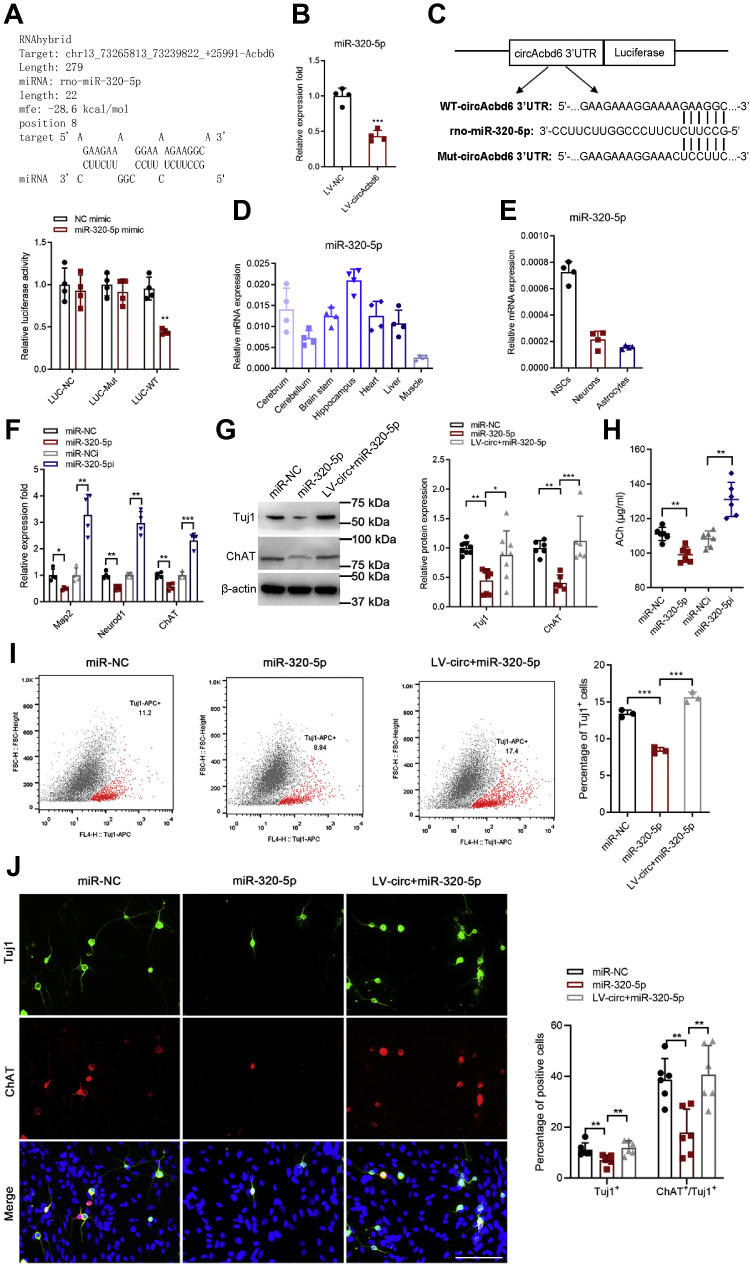
Neural stem cells (NSCs) persist in the dentate gyrus of the hippocampus into adulthood and are essential for both neurogenesis and neural circuit integration. Exosomes have also been shown to play vital roles in regulating biological processes of receptor cells as a medium for cell-to-cell communication signaling molecules. The precise molecular mechanisms of exosome-mediated signaling, however, remain largely unknown. Here, we found that exosomes produced by denervated hippocampi following fimbria-fornix transection could promote the differentiation of hippocampal neural precursor cells into cholinergic neurons in coculture with NSCs. Furthermore, we found that 14 circular RNAs (circRNAs) were upregulated in hippocampal exosomes after fimbria-fornix transection using high-throughput RNA-Seq technology. We further characterized the function and mechanism by which the upregulated circRNA Acbd6 (acyl-CoA-binding domain-containing 6) promoted the differentiation of NSCs into cholinergic neurons using RT-quantitative PCR, Western blot, ELISA, flow cytometry, immunohistochemistry, and immunofluorescence assay. By luciferase reporter assay, we demonstrated that circAcbd6 functioned as an endogenous miR-320-5p sponge to inhibit miR-320-5p activity, resulting in increased oxysterol-binding protein-related protein 2 expression with subsequent facilitation of NSC differentiation. Taken together, our results suggest that circAcbd6 promotes differentiation of NSCs into cholinergic neurons via miR-320-5p/oxysterol-binding protein-related protein 2 axis, which contribute important insights to our understanding of how circRNAs regulate neurogenesis.
神经干细胞(NSCs)在成年后持续存在于海马体的齿状回中,对神经发生和神经回路整合都至关重要。外泌体也已被证明作为细胞间通讯信号分子的介质,在调节受体细胞的生物学过程中发挥着重要作用。然而,外泌体介导信号传导的精确分子机制在很大程度上仍不清楚。在这里,我们发现,在穹窿海马伞横断后,去神经支配的海马体产生的外泌体在与神经干细胞共培养时,可以促进海马神经前体细胞分化为胆碱能神经元。此外,我们使用高通量RNA测序技术发现,在穹窿海马伞横断后的海马外泌体中,有14种环状RNA(circRNAs)上调。我们进一步利用逆转录定量PCR、蛋白质免疫印迹法、酶联免疫吸附测定、流式细胞术、免疫组织化学和免疫荧光测定,对上调的环状RNA酰基辅酶A结合结构域包含蛋白6(Acbd6)促进神经干细胞分化为胆碱能神经元的功能和机制进行了表征。通过荧光素酶报告基因检测,我们证明circAcbd6作为内源性miR-320-5p的海绵,抑制miR-320-5p的活性,导致氧化甾醇结合蛋白相关蛋白2表达增加,随后促进神经干细胞的分化。综上所述,我们的结果表明,circAcbd6通过miR-320-5p/氧化甾醇结合蛋白相关蛋白2轴促进神经干细胞分化为胆碱能神经元,这为我们理解环状RNA如何调节神经发生提供了重要见解。