Microbiology Division, Department of Botany, Gauhati University, Guwahati, Assam, India.
Department of Bioengineering and Technology, GUIST, Gauhati University, Guwahati, Assam, India.
PLoS One. 2022 Mar 21;17(3):e0263917. doi: 10.1371/journal.pone.0263917. eCollection 2022.
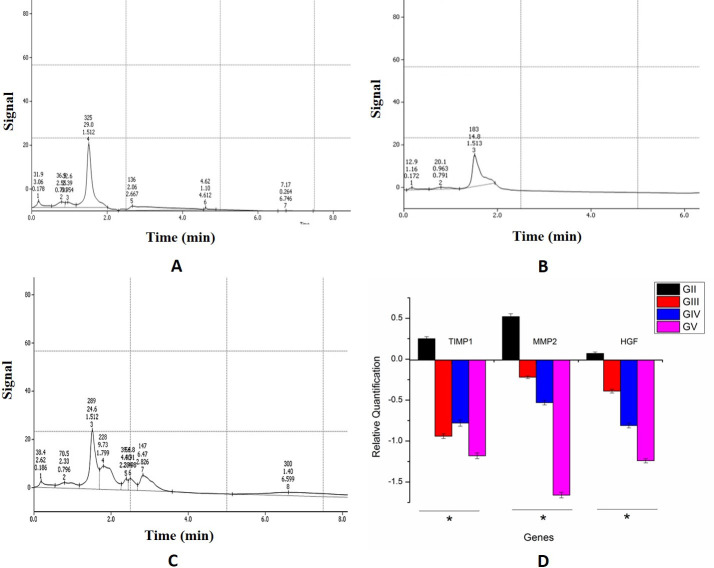
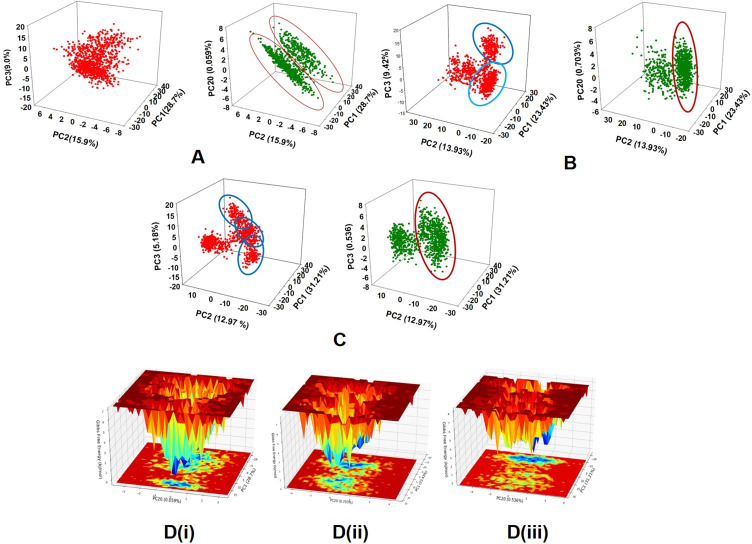
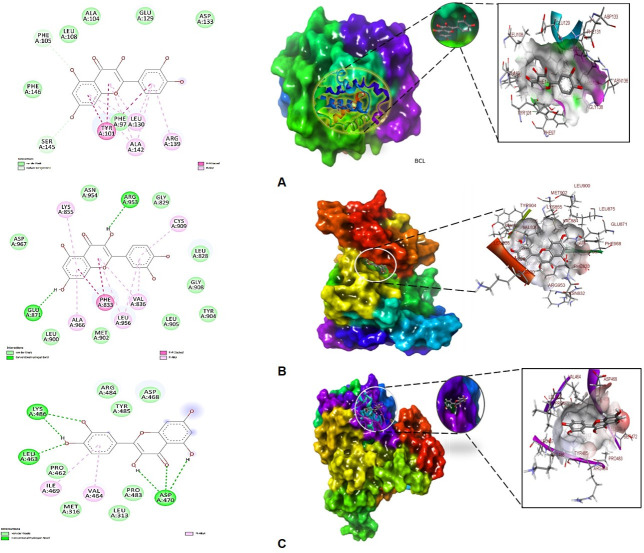
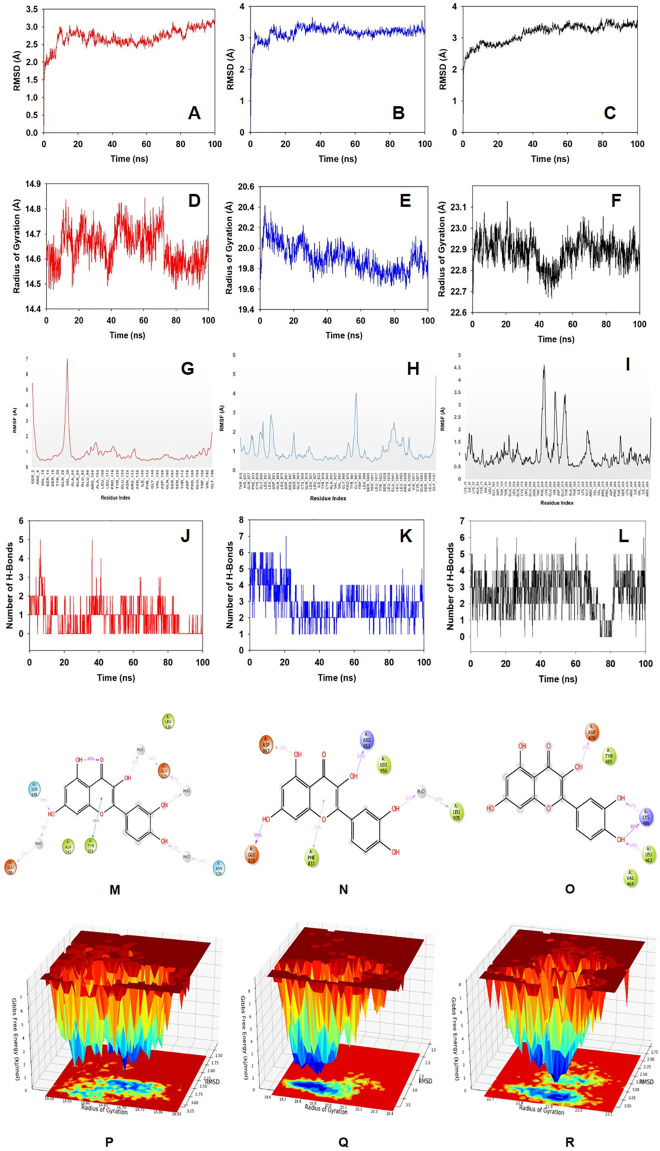
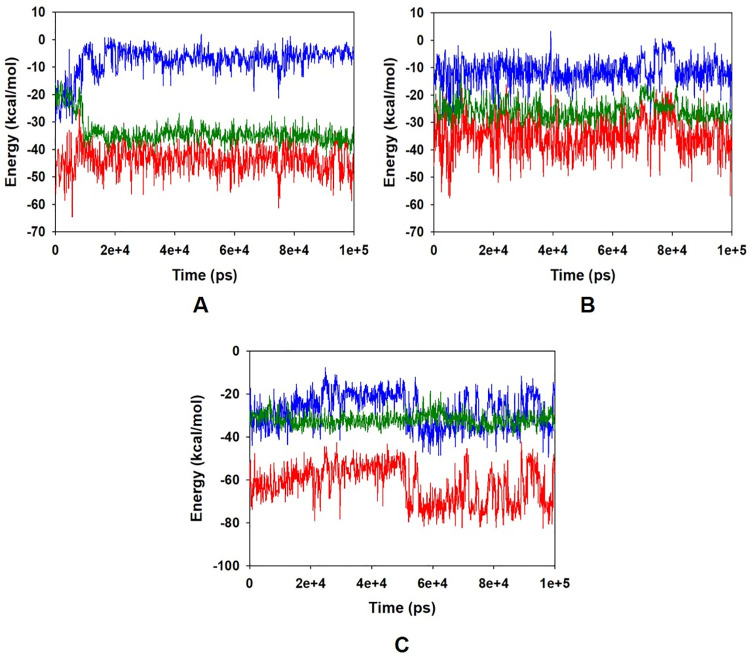
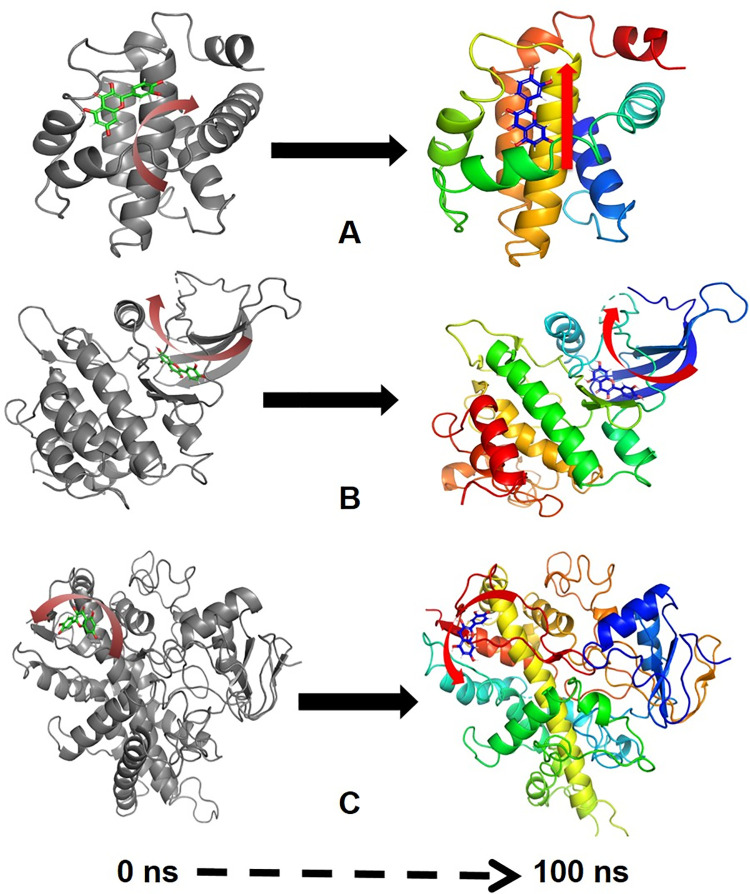
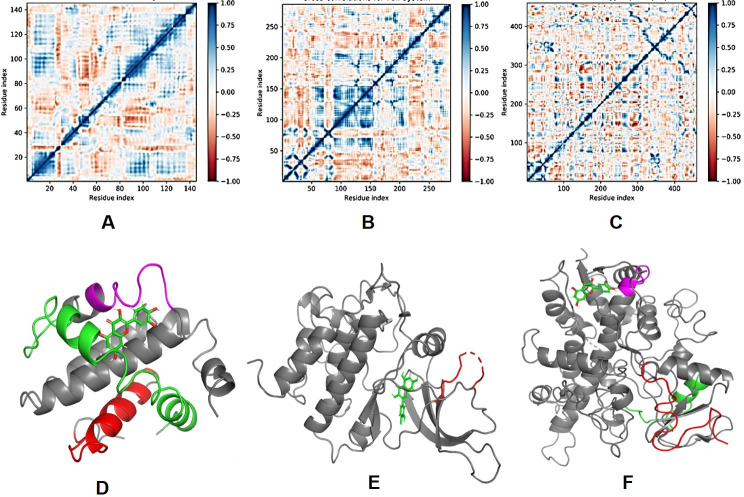
Liver performs number of critical physiological functions in human system. Intoxication of liver leads to accumulation of free radicals that eventually cause damage, fibrosis, cirrhosis and cancer. Carbon tetrachloride (CCl4) belongs to hepatotoxin is converted to a highly reactive free radical by cytochrome P450 enzymes that causes liver damage. Plant extracts derived quercetin has substantial role in hepatoprotection. This study highlights the possible mechanism by which quercetin plays significant role in hepatoprotection. HPLC analysis revealed the abundance of quercetin in the fruit extracts of Gynocardia odorata and Diospyros malabarica, were isolated, purified and subjected to liver function analysis on Wistar rats. Post quercetin treatment improved liver function parameters in the hepatotoxic Wistar rats by augmenting bilirubin content, SGOT and SGPT activity. Gene expression profile of quercetin treated rats revealed down regulation of HGF, TIMP1 and MMP2 expressed during CCl4 induction. In silico molecular mechanism prediction suggested that quercetin has a high affinity for cell signaling pathway proteins BCL-2, JAK2 and Cytochrome P450 Cyp2E1, which all play a significant role in CCl4 induced hepatotoxicity. In silico molecular docking and molecular dynamics simulation have shown that quercetin has a plausible affinity for major signaling proteins in liver. MMGBSA studies have revealed high binding of quercetin (ΔG) -41.48±11.02, -43.53±6.55 and -39.89±5.78 kcal/mol, with BCL-2, JAK2 and Cyp2E1, respectively which led to better stability of the quercetin bound protein complexes. Therefore, quercetin can act as potent inhibitor against CCl4 induced hepatic injury by regulating BCL-2, JAK2 and Cyp2E1.
肝脏在人体系统中执行许多关键的生理功能。肝脏中毒会导致自由基的积累,最终导致损伤、纤维化、肝硬化和癌症。四氯化碳 (CCl4) 属于肝毒素,它被细胞色素 P450 酶转化为高反应性自由基,导致肝脏损伤。从植物提取物中提取的槲皮素在肝保护中具有重要作用。本研究强调了槲皮素在肝保护中发挥重要作用的可能机制。HPLC 分析显示,在香果和马拉巴尔柿的果实提取物中存在丰富的槲皮素,对其进行分离、纯化,并在 Wistar 大鼠上进行肝功能分析。槲皮素治疗后,通过增加胆红素含量、SGOT 和 SGPT 活性,改善了肝毒性 Wistar 大鼠的肝功能参数。槲皮素处理大鼠的基因表达谱显示,在 CCl4 诱导下,HGF、TIMP1 和 MMP2 的表达下调。基于计算机的分子机制预测表明,槲皮素有很高的亲和力,与细胞信号通路蛋白 BCL-2、JAK2 和细胞色素 P450 Cyp2E1 结合,这些蛋白在 CCl4 诱导的肝毒性中都发挥了重要作用。基于计算机的分子对接和分子动力学模拟表明,槲皮素与肝脏中的主要信号蛋白有合理的亲和力。MMGBSA 研究表明,槲皮素与 BCL-2、JAK2 和 Cyp2E1 的结合能力很强,ΔG 值分别为-41.48±11.02、-43.53±6.55 和-39.89±5.78 kcal/mol,这导致了槲皮素结合蛋白复合物的更高稳定性。因此,槲皮素可以通过调节 BCL-2、JAK2 和 Cyp2E1 ,作为 CCl4 诱导肝损伤的有效抑制剂。