Department of General Surgery, the First Affiliated Hospital of Nanchang University, Nanchang, 330000, China.
BMC Cancer. 2022 Mar 21;22(1):298. doi: 10.1186/s12885-022-09398-3.
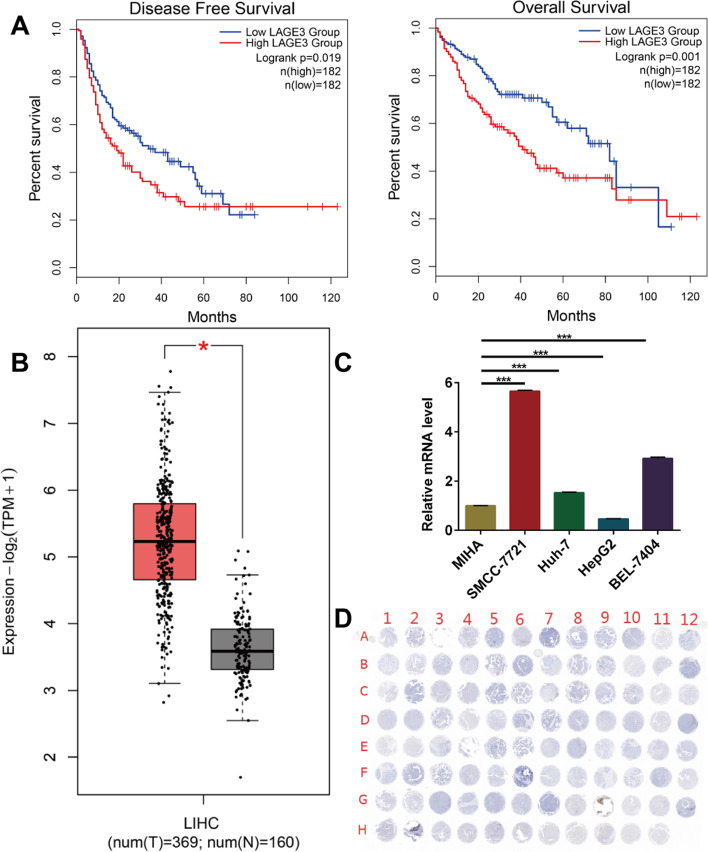
Hepatocellular carcinoma (HCC) is one of the most common clinical malignancies quite susceptible to recurrence and metastasis. Despite several improvements in therapeutic approaches, the prognosis remains poor due to the limited treatment options. A bioinformatics analysis based on TCGA databases revealed that the recombinant human L antigen family member 3 (LAGE3) might function as an effective prognostic and diagnostic biomarker for HCC, as LAGE3, a protein-coding gene, maintains several important biological functions and has a physiological significance in the CTAG family while simultaneously being involved in regulating the occurrence and invasion of numerous types of tumors. However, the LAGE3 gene's functional and regulatory mechanism in the progression of HCC remains unclear.
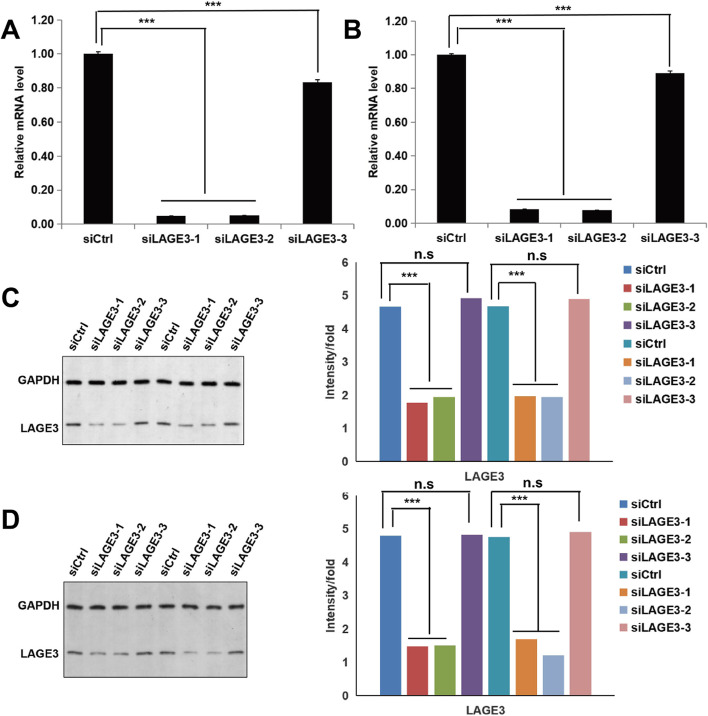
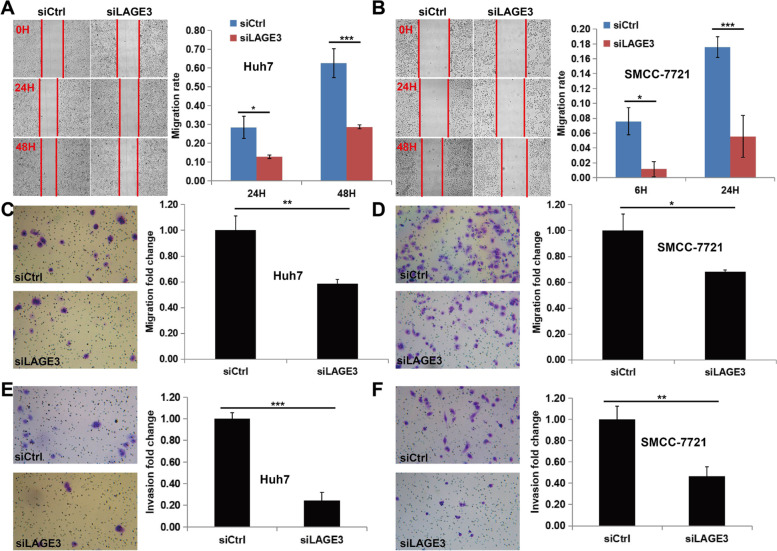
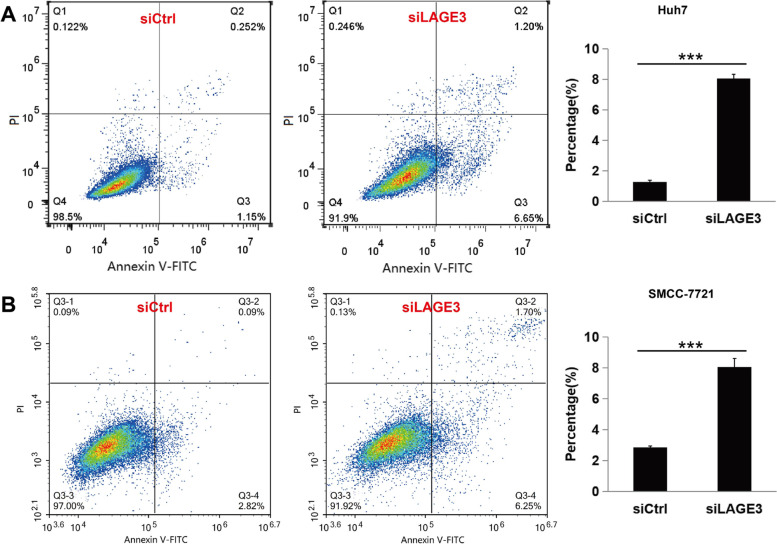
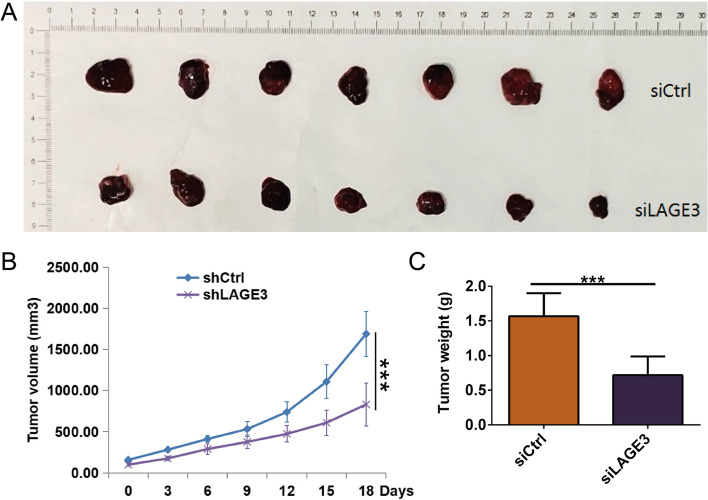
The LAGE3 level was investigated in 79 HCC tissues cases, ten HCC adjacent tissue cases, and six cases of normal liver tissues by IHC, while the LAGE3 level was evaluated in BEL-7404, SMCC-7721, Huh-7, HepG2, and MIHA cell lines by qRT-PCR and Western blot tests. Although the proliferation, migration, invasion, and apoptotic abilities of HCC cells were measured in vitro after silencing assay to probe the role of LAGE3 in HCC cells, the tumor xenograft growth experiment was used to verify the in vivo effect of LAGE3 gene knockdown on the growth of HCC tumors combined with bioinformatics analysis to study the LAGE3 mechanisms regulating HCC proliferation.
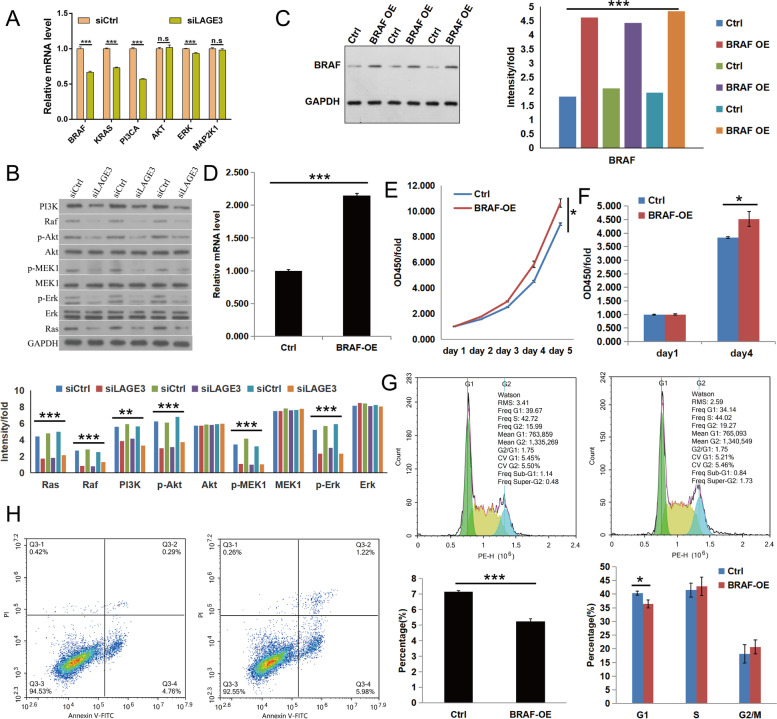
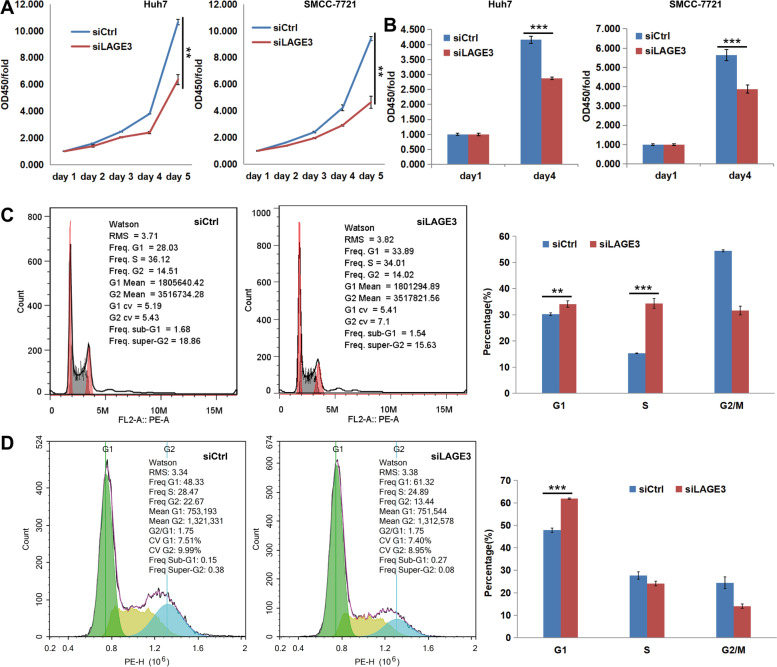
Our results implied that LAGE3 was extensively expressed in HCC cell lines like BEL-7404, SMCC-7721, and Huh-7 cells as well as HCC tissues, but a lower expression was observed in HepG2 cells. Additionally, LAGE3 restrains cellular proliferation, promotes apoptotic pathways in HCC cells, and inhibits the growth of HCC tumors in vivo. Lastly, it was stated that LAGE3 might promote tumor development in HCC via PI3K/AKT/mTOR and Ras/RAF/MAPK pathways.
This study shows that the development of specific LAGE3 target drugs might become new effective treatment modalities for HCC patients.
肝细胞癌(HCC)是最常见的临床恶性肿瘤之一,非常容易复发和转移。尽管治疗方法有了一些改进,但由于治疗选择有限,预后仍然很差。基于 TCGA 数据库的生物信息学分析表明,重组人 L 抗原家族成员 3(LAGE3)可能是 HCC 的一种有效的预后和诊断生物标志物,因为 LAGE3 是一种编码蛋白质的基因,它维持着多种重要的生物学功能,在 CTAG 家族中具有生理意义,同时参与调节多种类型肿瘤的发生和侵袭。然而,LAGE3 基因在 HCC 进展中的功能和调控机制尚不清楚。
通过免疫组化检测 79 例 HCC 组织、10 例 HCC 相邻组织和 6 例正常肝组织中的 LAGE3 水平,通过 qRT-PCR 和 Western blot 检测 BEL-7404、SMCC-7721、Huh-7、HepG2 和 MIHA 细胞系中的 LAGE3 水平。虽然通过沉默实验在体外测量 HCC 细胞的增殖、迁移、侵袭和凋亡能力,以探讨 LAGE3 在 HCC 细胞中的作用,但通过肿瘤异种移植生长实验结合生物信息学分析来验证 LAGE3 基因敲低对 HCC 肿瘤生长的体内影响,以研究 LAGE3 调节 HCC 增殖的机制。
我们的结果表明,LAGE3 在 HCC 细胞系如 BEL-7404、SMCC-7721 和 Huh-7 细胞以及 HCC 组织中广泛表达,但在 HepG2 细胞中表达较低。此外,LAGE3 抑制 HCC 细胞的细胞增殖,促进 HCC 细胞的凋亡途径,并抑制 HCC 肿瘤在体内的生长。最后,据报道,LAGE3 可能通过 PI3K/AKT/mTOR 和 Ras/RAF/MAPK 途径促进 HCC 肿瘤的发展。
本研究表明,开发针对 LAGE3 的特异性靶向药物可能成为 HCC 患者新的有效治疗方法。