ElAbd Rawan, Alabdulkarim Abdulaziz, AlSabah Salman, Hazan Jessica, Alhalabi Becher, Thibaudeau Stephanie
Department of Surgery, Faculty of Medicine, Kuwait University, Kuwait.
Division of Plastic and Reconstructive Surgery, McGill University Health Centre, Montreal, QC, Canada.
Plast Reconstr Surg Glob Open. 2022 Mar 18;10(3):e4115. doi: 10.1097/GOX.0000000000004115. eCollection 2022 Mar.
Functional recovery after peripheral nerve injury is often suboptimal despite the intrinsic permissive growth environment of the peripheral nervous system. The objective of this systematic review is to explore the use of electrical stimulation (ES) for peripheral nerve regeneration.
A systematic literature search was conducted from inception to March 2, 2021 to retrieve articles on ES for peripheral nerve regeneration using the PubMed, Ovid MEDLINE, and Embase databases. Primary outcome measures included objective measures of motor and sensory nerve function.
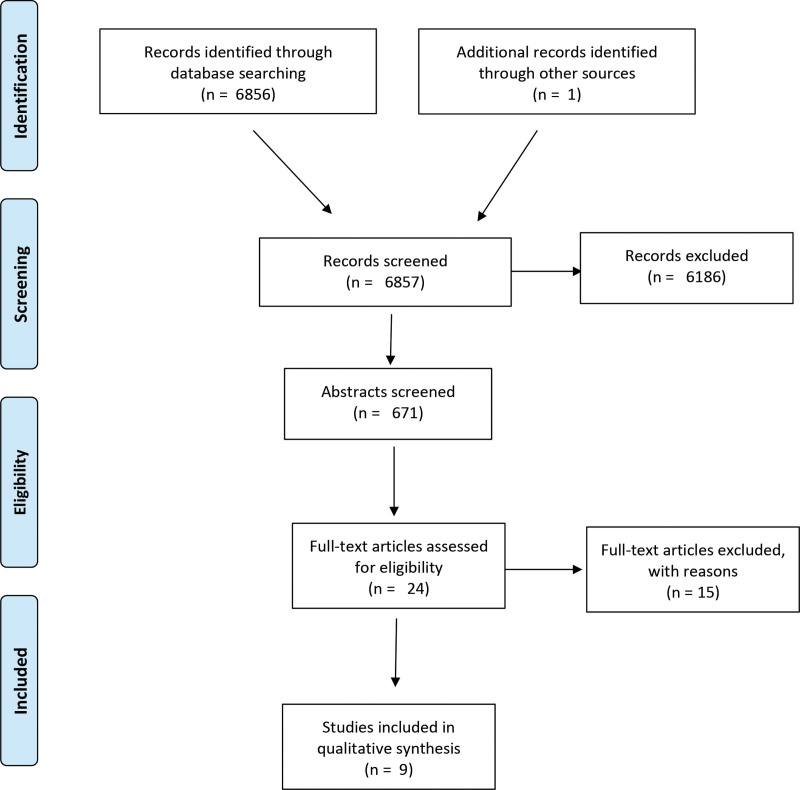
Four randomized control trials, two case reports, and three case series that addressed the aims were identified. The stimulation parameters varied greatly between studies, without an apparent commonality for a given electrical conduit. Outcomes measured included motor (n = 8) and sensory (n = 7) modalities (cold detection, static two-point discrimination, tactile discrimination, and pressure detection), nerve-specific muscle function and bulk, and electromyography (EMG) motor and sensory terminal latency. Different parameters for measurement were utilized and improvement was observed across the studies compared with controls (n = 4) or pre-intervention measurements (n = 5). One randomized control trial reported no benefit of ES and attributed their findings to their stimulation protocol. Complications were documented in three patients only and included wire remnant removal, skin pigmentation, and bone formation.
ES in peripheral nerve regeneration is beneficial in improving and accelerating recovery. A meta-analysis was not performed due to the heterogeneity, but all studies showed positive findings and minor to no complications. These results provide a primer for further development of delivery methods.
尽管周围神经系统具有内在的允许生长环境,但周围神经损伤后的功能恢复往往不尽人意。本系统评价的目的是探讨电刺激(ES)在周围神经再生中的应用。
从数据库建立至2021年3月2日进行系统的文献检索,使用PubMed、Ovid MEDLINE和Embase数据库检索关于ES用于周围神经再生的文章。主要结局指标包括运动和感觉神经功能的客观指标。
确定了四项随机对照试验、两篇病例报告和三个病例系列,这些研究均涉及本研究目的。不同研究之间的刺激参数差异很大,对于给定的电导管没有明显的共性。测量的结局包括运动(n = 8)和感觉(n = 7)模式(冷觉检测、静态两点辨别、触觉辨别和压力检测)、神经特异性肌肉功能和体积,以及肌电图(EMG)运动和感觉终末潜伏期。使用了不同的测量参数,与对照组(n = 4)或干预前测量值(n = 5)相比,各研究均观察到改善。一项随机对照试验报告ES无益处,并将其结果归因于刺激方案。仅在三名患者中记录到并发症,包括导线残余物清除、皮肤色素沉着和骨形成。
ES在周围神经再生中有利于改善和加速恢复。由于异质性未进行荟萃分析,但所有研究均显示出阳性结果,且并发症轻微或无并发症。这些结果为进一步开发递送方法提供了基础。