Institute of Epigenetics and Stem Cells, Helmholtz Zentrum München, Feodor-Lynen-Strasse 21, 81377 München, Germany; Institute of Functional Epigenetics, Helmholtz Zentrum München, Ingolstädter Landstraße 1, 85764 Neuherberg, Germany; Institute of Computational Biology, Helmholtz Zentrum München, Ingolstädter Landstraße 1, 85764 Neuherberg, Germany.
Sidra Medicine, P.O. Box 26999, Doha, Qatar.
Cell Rep. 2022 Mar 22;38(12):110547. doi: 10.1016/j.celrep.2022.110547.
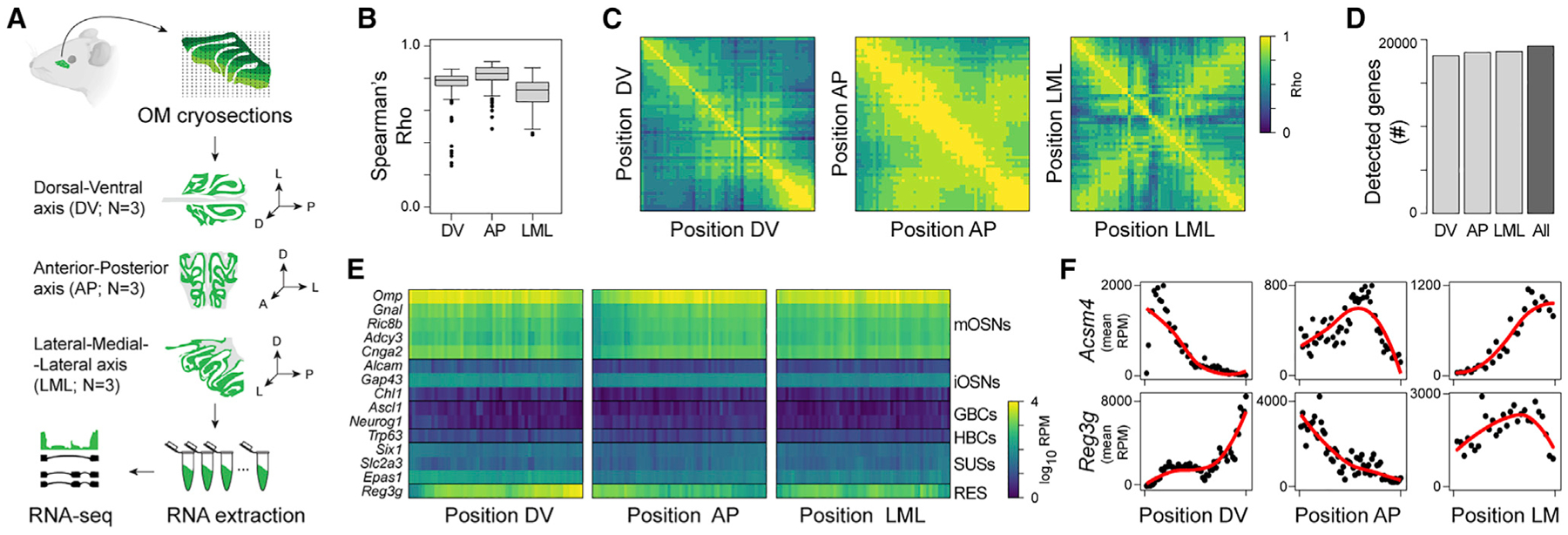
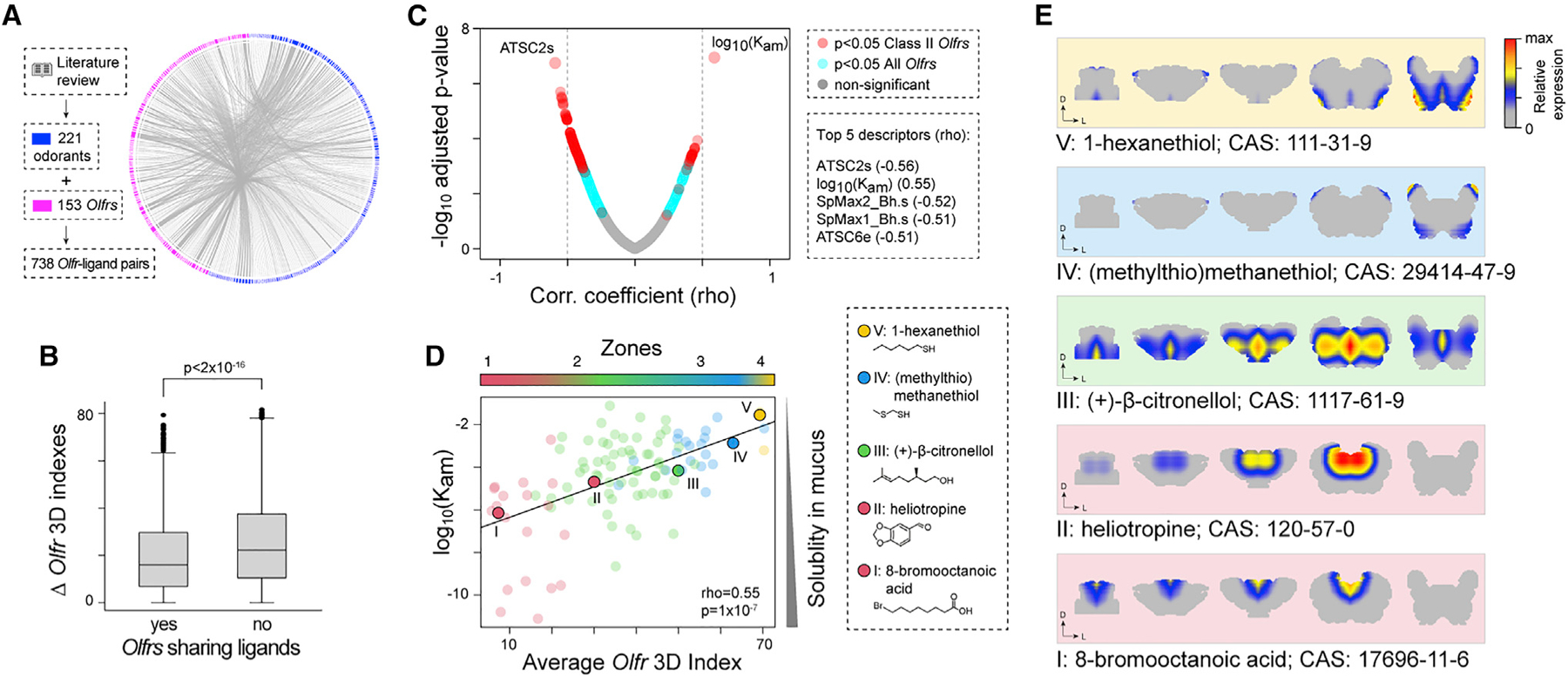
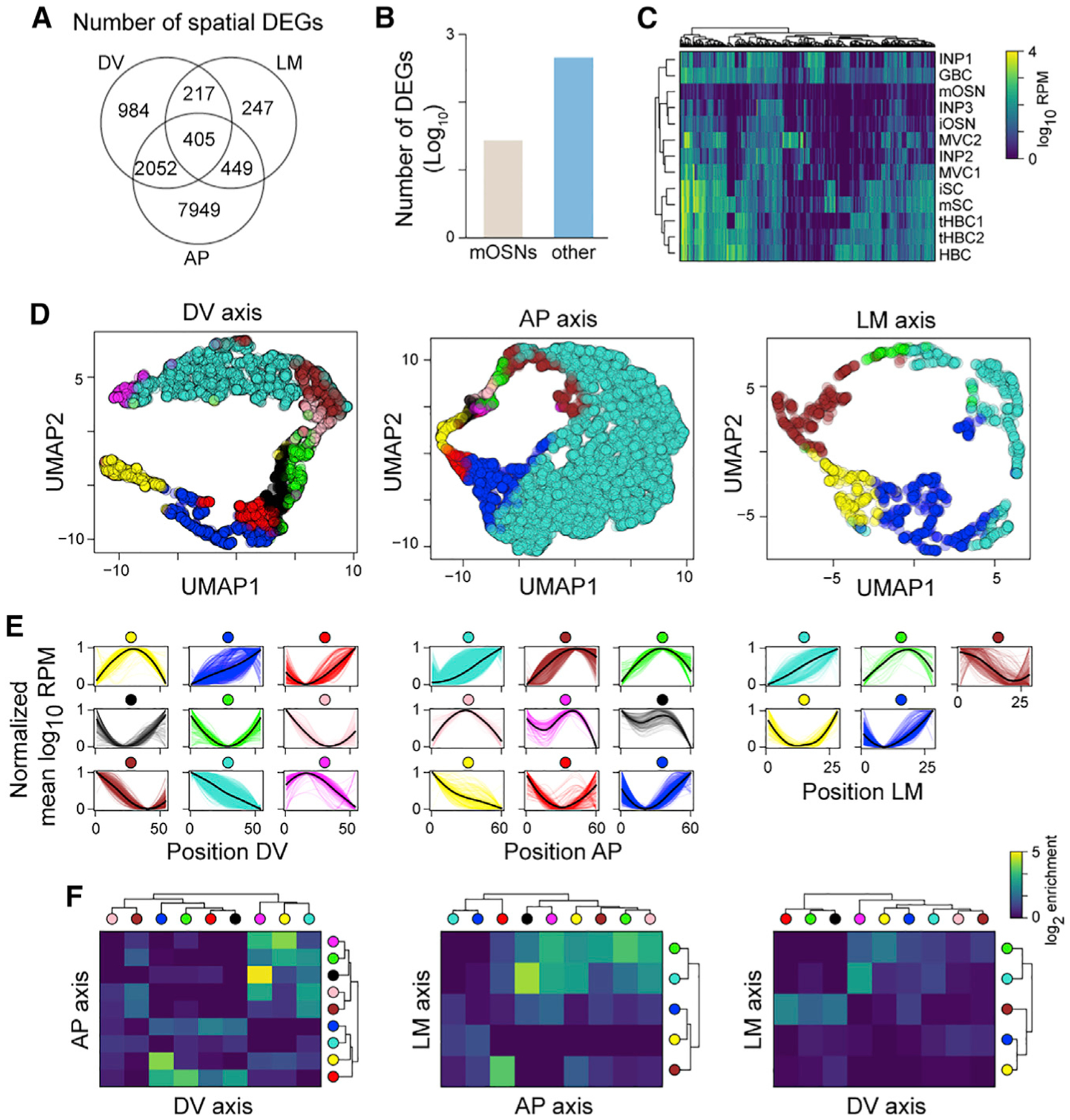
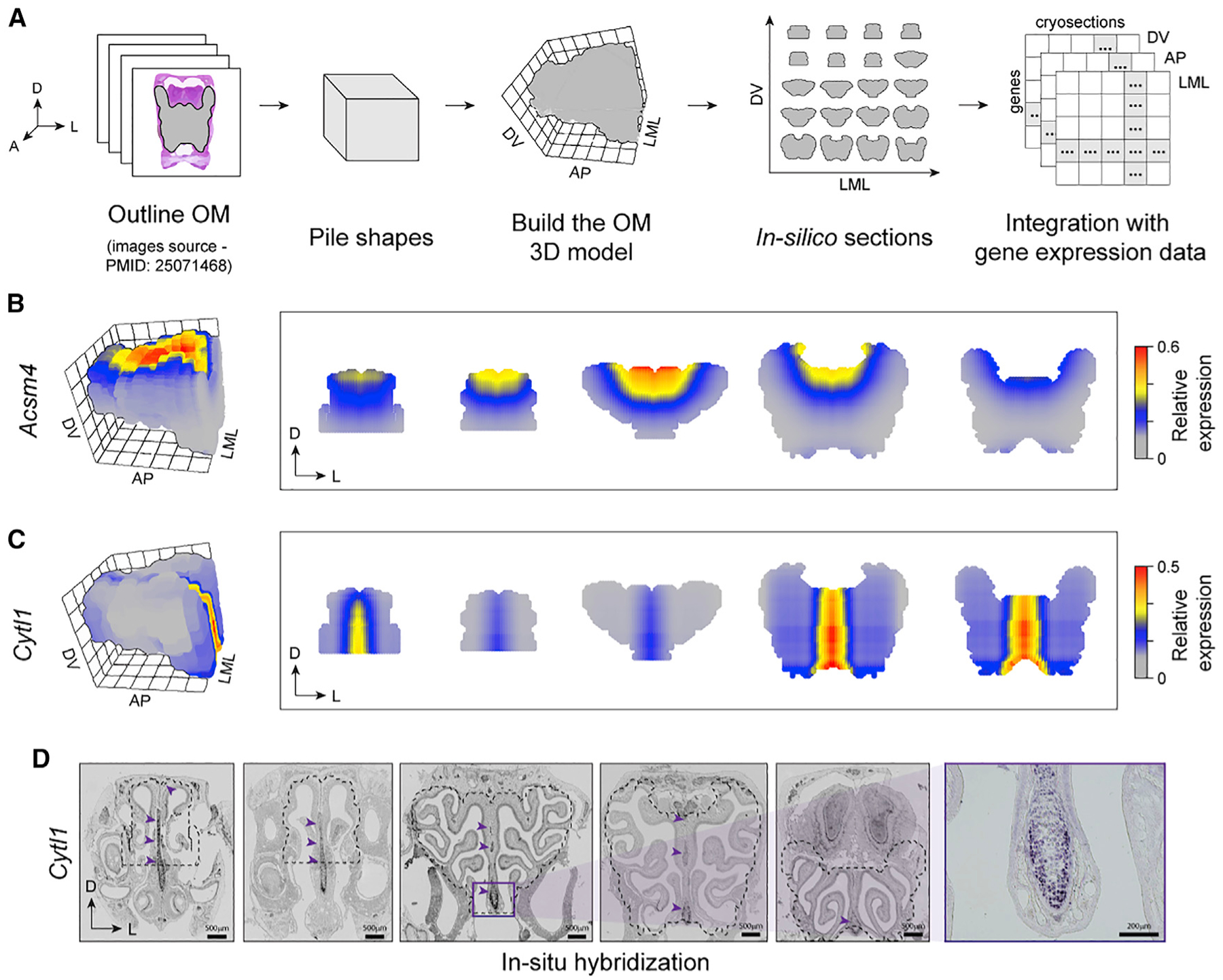
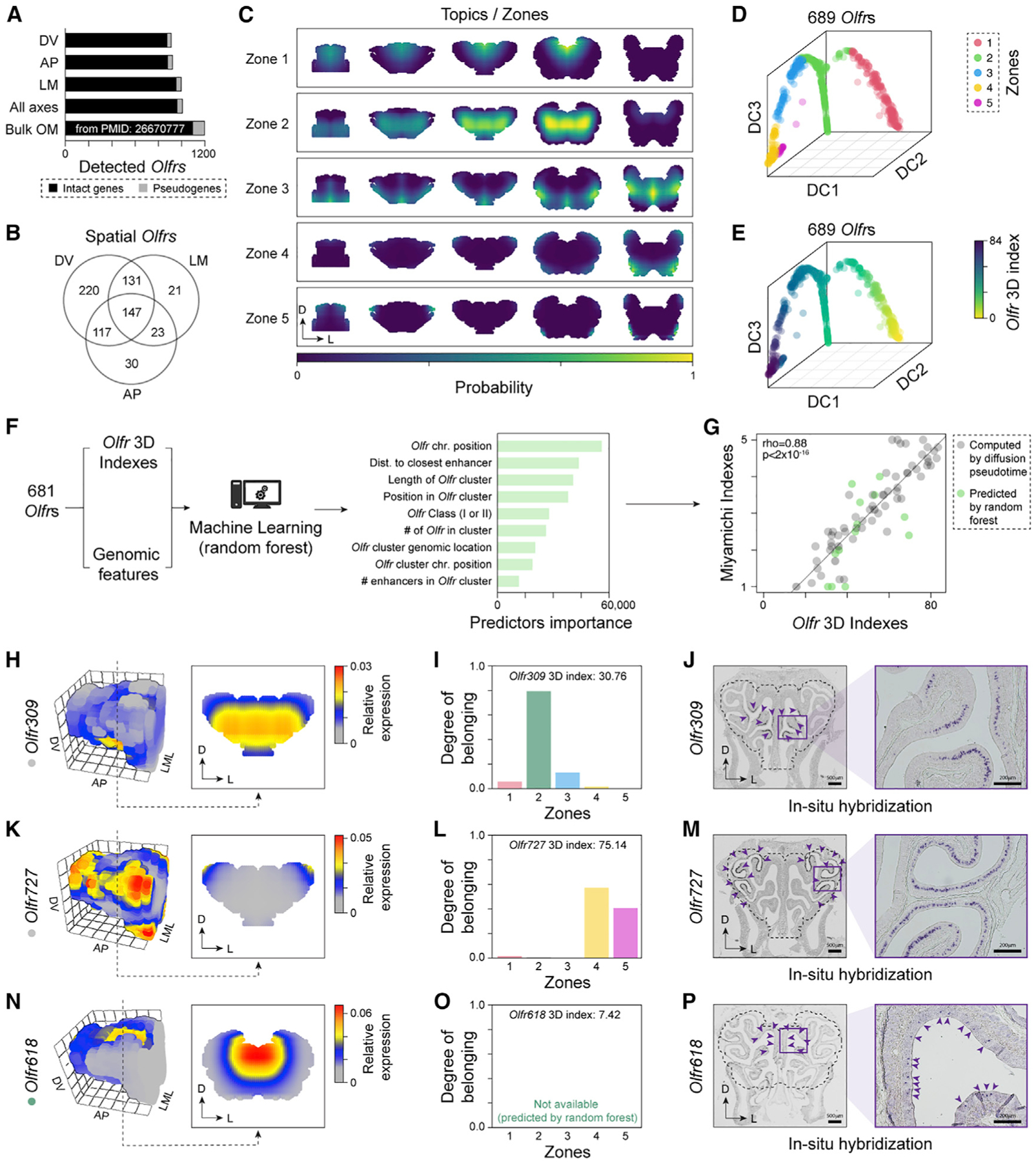
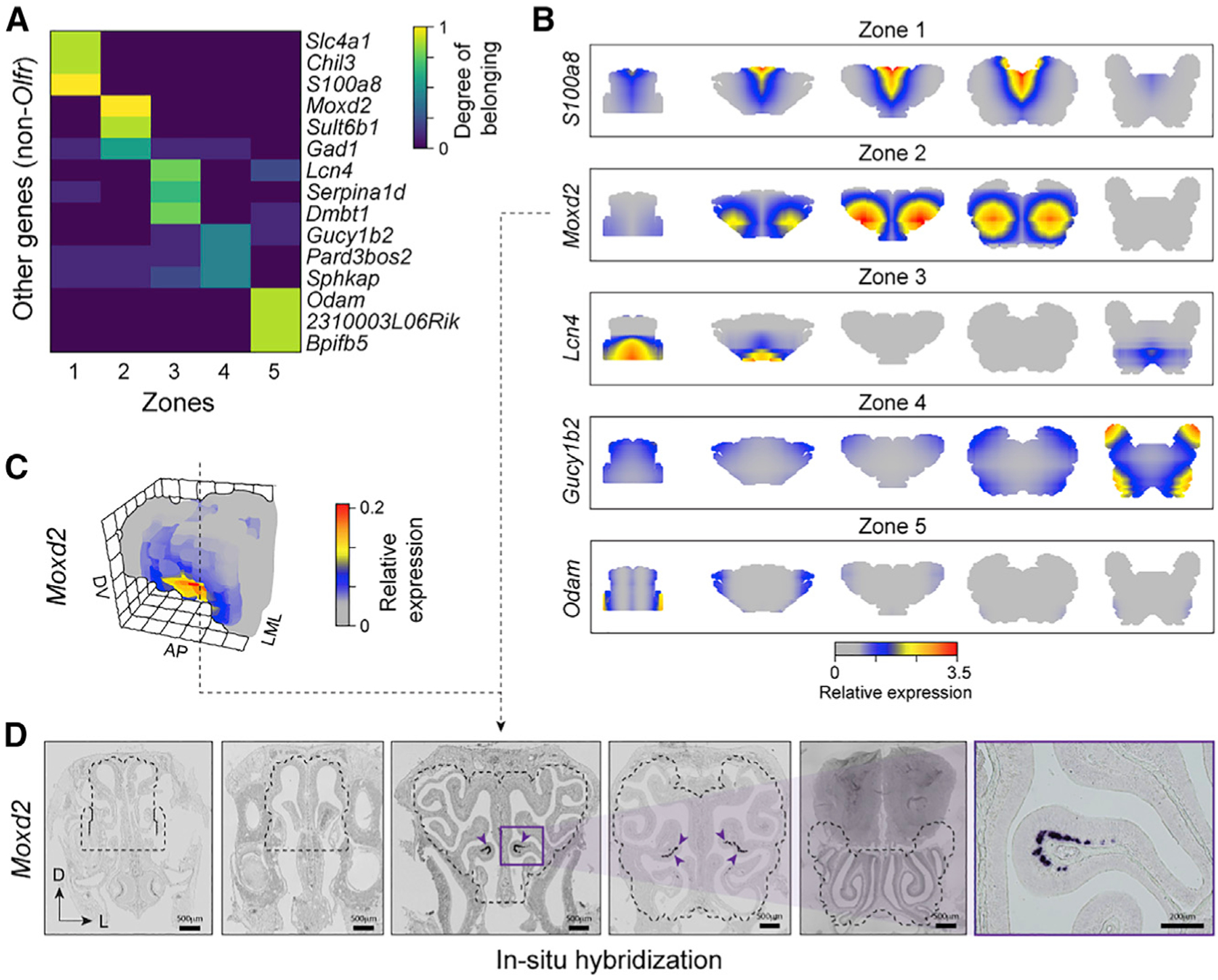
The sense of smell helps us navigate the environment, but its molecular architecture and underlying logic remain understudied. The spatial location of odorant receptor genes (Olfrs) in the nose is thought to be independent of the structural diversity of the odorants they detect. Using spatial transcriptomics, we create a genome-wide 3D atlas of the mouse olfactory mucosa (OM). Topographic maps of genes differentially expressed in space reveal that both Olfrs and non-Olfrs are distributed in a continuous and overlapping fashion over at least five broad zones in the OM. The spatial locations of Olfrs correlate with the mucus solubility of the odorants they recognize, providing direct evidence for the chromatographic theory of olfaction. This resource resolves the molecular architecture of the mouse OM and will inform future studies on mechanisms underlying Olfr gene choice, axonal pathfinding, patterning of the nervous system, and basic logic for the peripheral representation of smell.
嗅觉帮助我们感知周围环境,但嗅觉的分子结构及其背后的逻辑仍未得到充分研究。人们认为,在鼻子中,气味受体基因 (Olfrs) 的空间位置与它们所检测到的气味的结构多样性无关。我们使用空间转录组学技术,构建了小鼠嗅觉黏膜 (OM) 的全基因组三维图谱。差异表达基因的地形图谱显示,Olfrs 和非 Olfrs 至少在 OM 的五个广泛区域中以连续且重叠的方式分布。Olfrs 的空间位置与它们识别的气味的黏液溶解度相关,为嗅觉的色谱理论提供了直接证据。该资源解析了小鼠 OM 的分子结构,并将为 Olfr 基因选择、轴突寻路、神经系统模式形成以及嗅觉的外周表示的基本逻辑背后的机制研究提供信息。