Department of Emergency Medicine Second Affiliated Hospital Zhejiang University School of Medicine Hangzhou China.
Key Laboratory of The Diagnosis and Treatment of Severe Trauma and Burn of Zhejiang Province Hangzhou China.
J Am Heart Assoc. 2022 Apr 5;11(7):e024205. doi: 10.1161/JAHA.121.024205. Epub 2022 Mar 24.
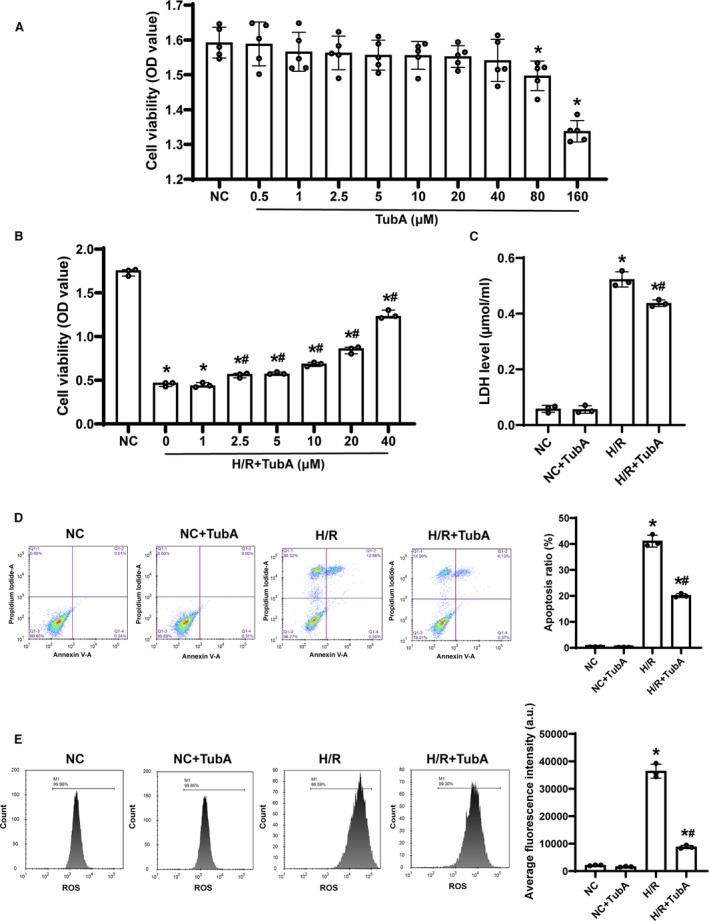
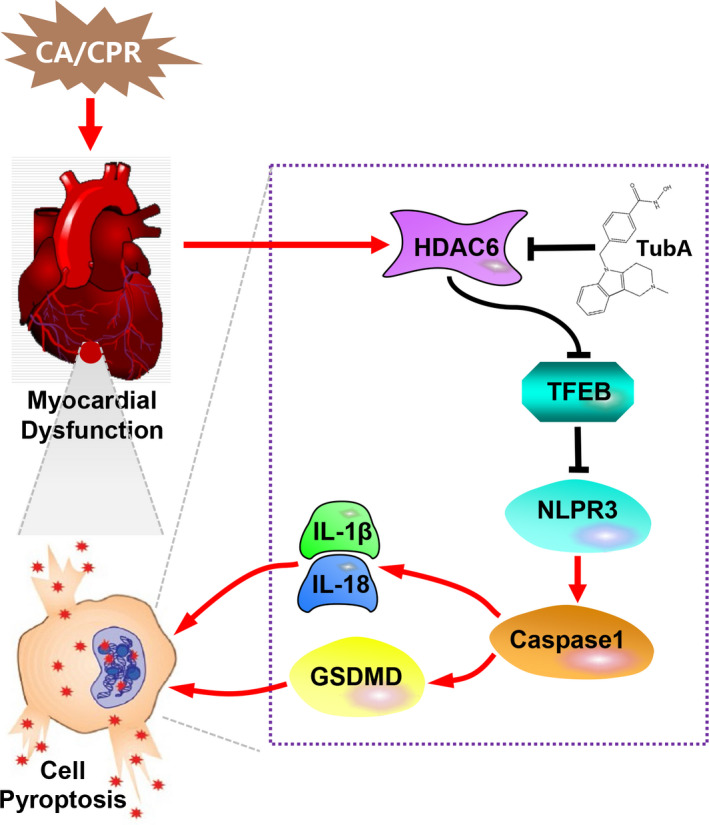
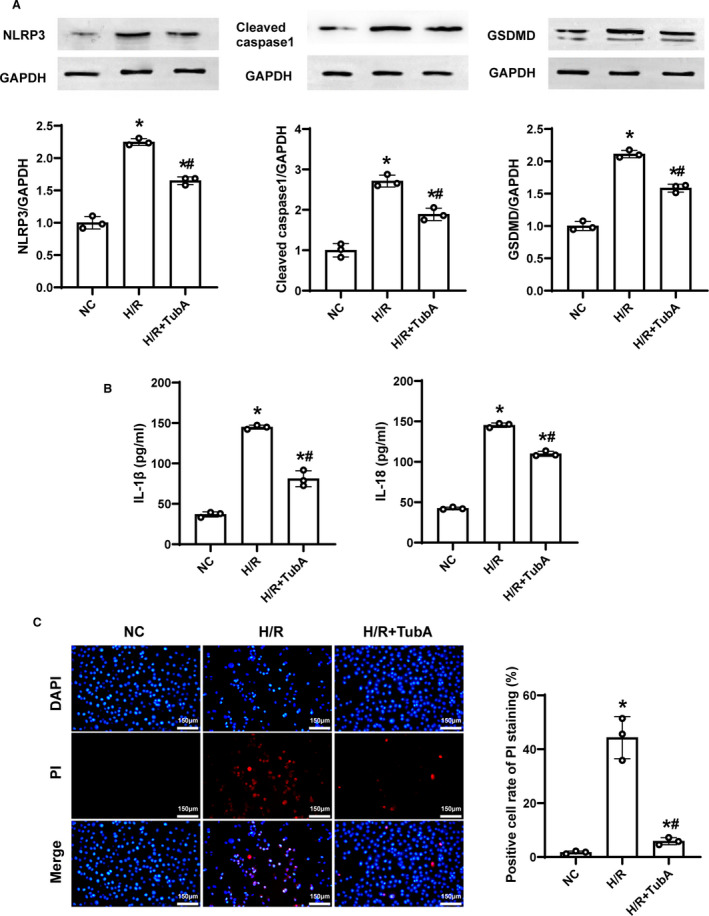
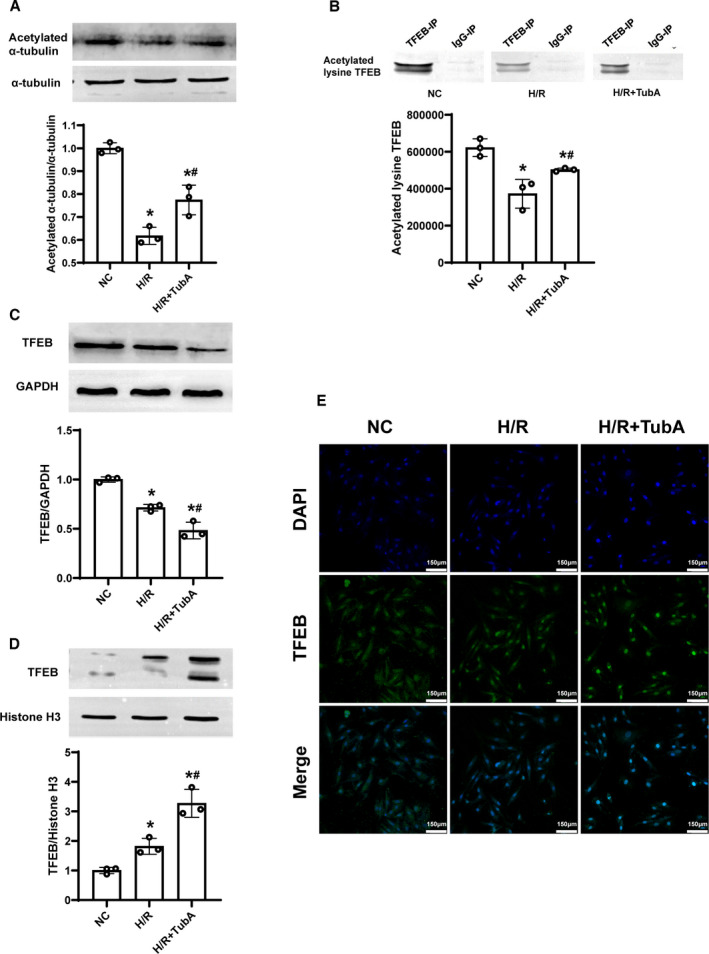
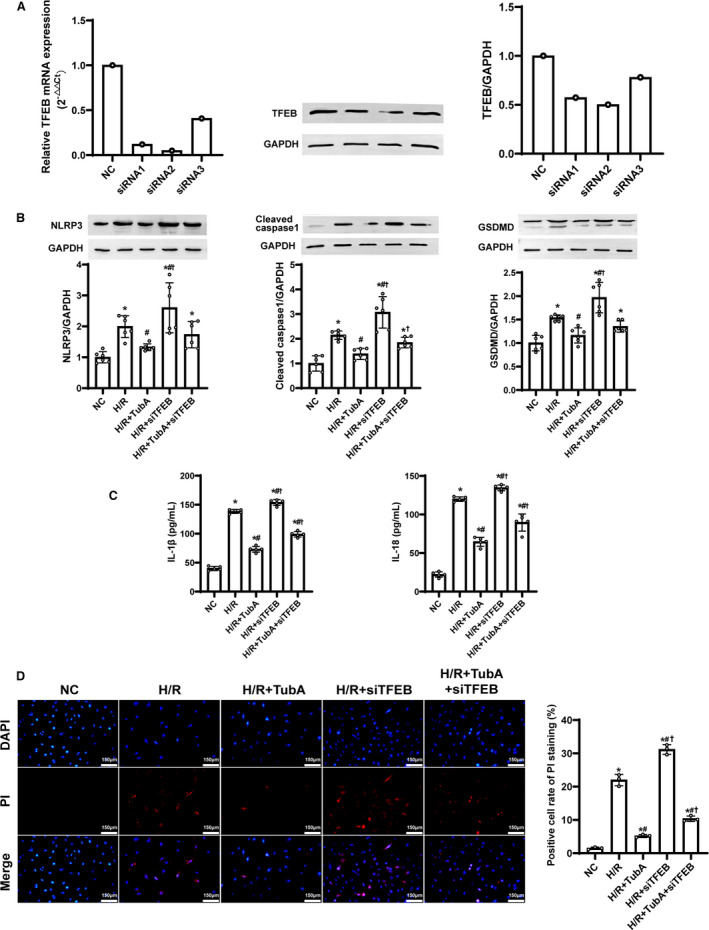
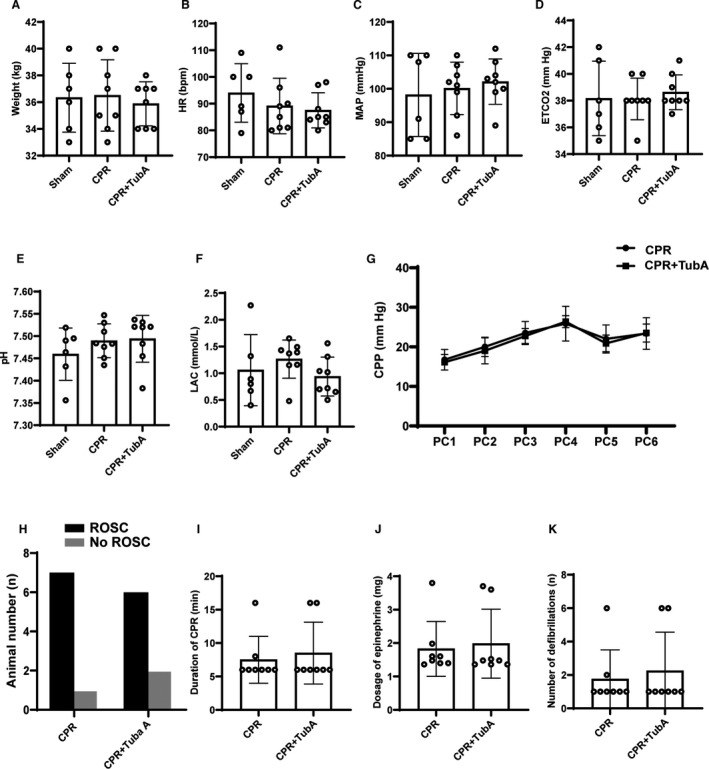
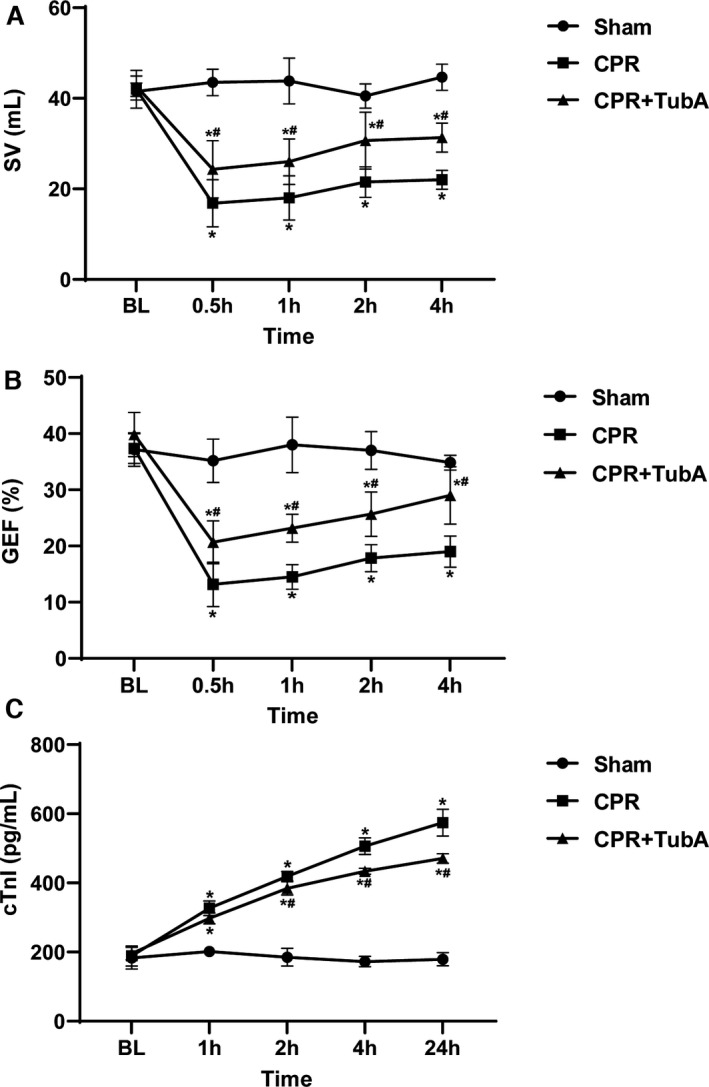
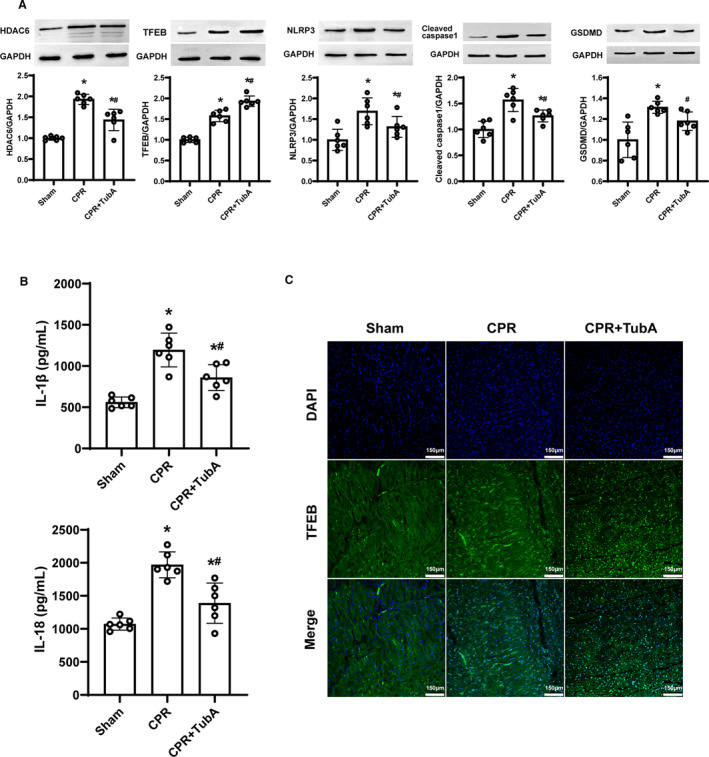
Background Myocardial dysfunction is the leading cause of early death following successful cardiopulmonary resuscitation (CPR) in people with cardiac arrest (CA), which is potentially driven by cell pyroptosis mediated by NOD-like receptor pyrin domain 3 (NLRP3) inflammasome. Recently, histone deacetylase 6 (HDAC6) inhibition was shown to exert effective myocardial protection against regional ischemia/reperfusion injury. In this study, we investigated whether tubastatin A, a specific histone deacetylase 6 inhibitor, could improve postresuscitation myocardial dysfunction through the inhibition of NLRP3-mediated cell pyroptosis and its modulation mechanism. Methods and Results Healthy male white domestic swine were used to establish the model of CA/CPR in vivo, and the H9c2 cardiomyocyte hypoxia/reoxygenation model was used to simulate the CA/CPR process in vitro. Consequently, tubastatin A inhibited NLRP3 inflammasome activation, decreased proinflammatory cytokines production and cell pyroptosis, and increased cell survival after hypoxia/reoxygenation in H9c2 cardiomyocytes in vitro. In addition, tubastatin A increased the acetylated levels of transcription factor EB and its translocation to the nucleus, and its protective effect above was partly abrogated by transcription factor EB short interfering RNA after hypoxia/reoxygenation in H9c2 cardiomyocytes. Similarly, tubastatin A promoted cardiac transcription factor EB nuclear translocation, inhibited NLRP3-mediated cell pyroptosis, and mitigated myocardial dysfunction after CA/CPR in swine. Conclusions The inhibition of histone deacetylase 6 activity by tubastatin A limited NLRP3 inflammasome activation and cell pyroptosis probably through the enhancement of transcription factor EB signaling, and therefore improved myocardial dysfunction after CA/CPR.
心肌功能障碍是心肺复苏(CPR)成功后心脏骤停(CA)患者早期死亡的主要原因,其潜在机制可能是 NOD 样受体含pyrin 结构域蛋白 3(NLRP3)炎症小体介导的细胞焦亡。最近,组蛋白去乙酰化酶 6(HDAC6)抑制被证明对局部缺血/再灌注损伤具有有效的心肌保护作用。在这项研究中,我们研究了组蛋白去乙酰化酶 6 抑制剂 tubastatin A 是否可以通过抑制 NLRP3 介导的细胞焦亡来改善复苏后心肌功能障碍及其调节机制。
健康雄性白色家猪用于建立体内 CA/CPR 模型,并使用 H9c2 心肌细胞缺氧/复氧模型模拟 CA/CPR 过程。结果表明,tubastatin A 抑制 NLRP3 炎症小体的激活,减少促炎细胞因子的产生和细胞焦亡,并增加体外 H9c2 心肌细胞缺氧/复氧后的细胞存活率。此外,tubastatin A 增加了转录因子 EB 的乙酰化水平及其向核内的转位,而在 H9c2 心肌细胞缺氧/复氧后,用转录因子 EB 短干扰 RNA 部分阻断其上述保护作用。同样,tubastatin A 促进了心脏转录因子 EB 的核转位,抑制了 NLRP3 介导的细胞焦亡,并减轻了猪 CA/CPR 后的心肌功能障碍。
tubastatin A 通过抑制组蛋白去乙酰化酶 6 活性限制 NLRP3 炎症小体的激活和细胞焦亡,可能是通过增强转录因子 EB 信号通路,从而改善 CA/CPR 后的心肌功能障碍。