Key Laboratory of Marine Genetics and Breeding, Ministry of Education, Ocean University of China, Qingdao 266005, China.
Int J Mol Sci. 2022 Mar 18;23(6):3286. doi: 10.3390/ijms23063286.
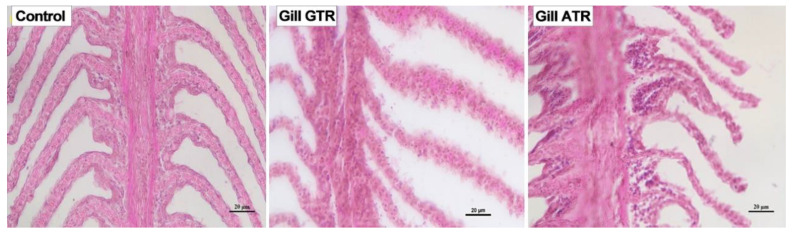
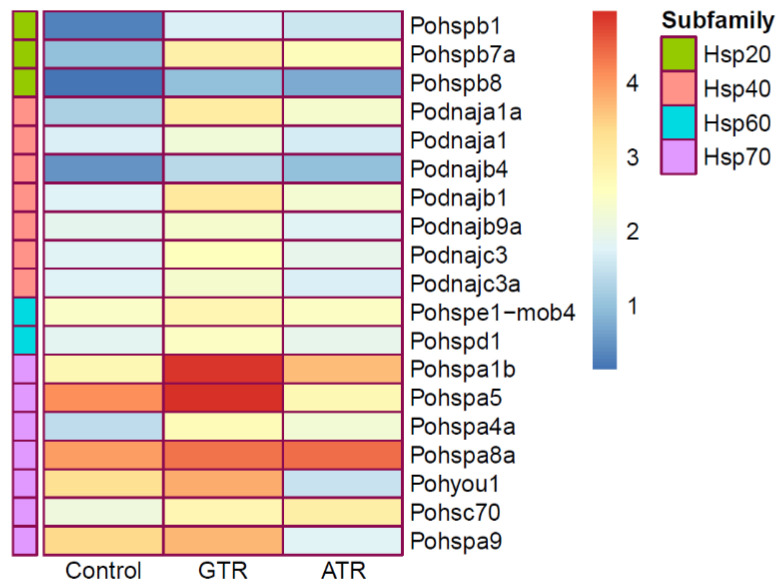
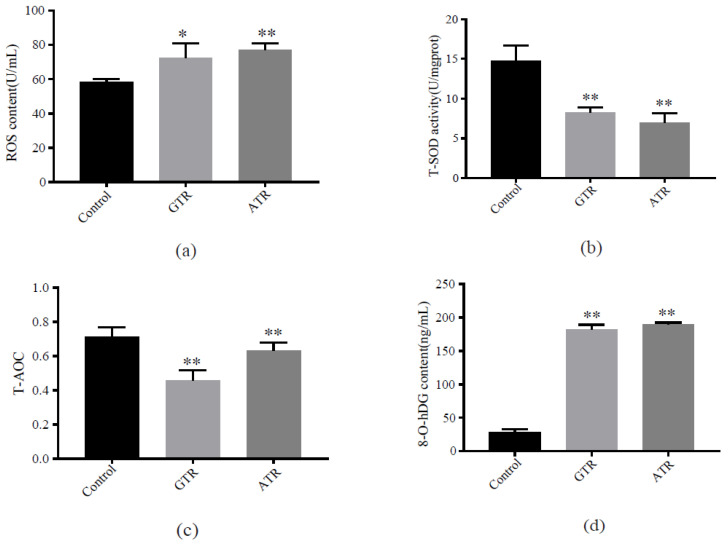
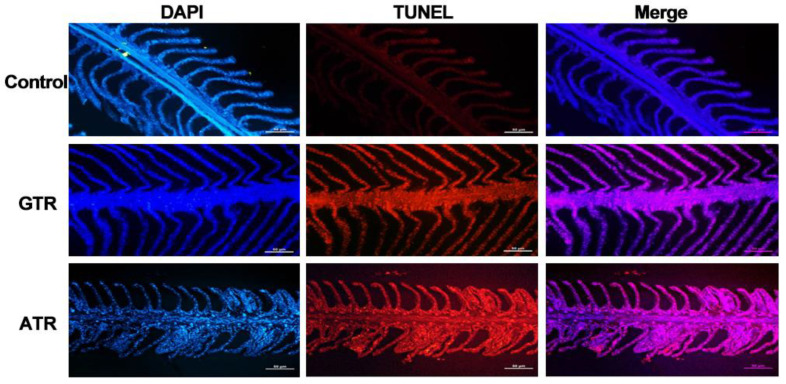
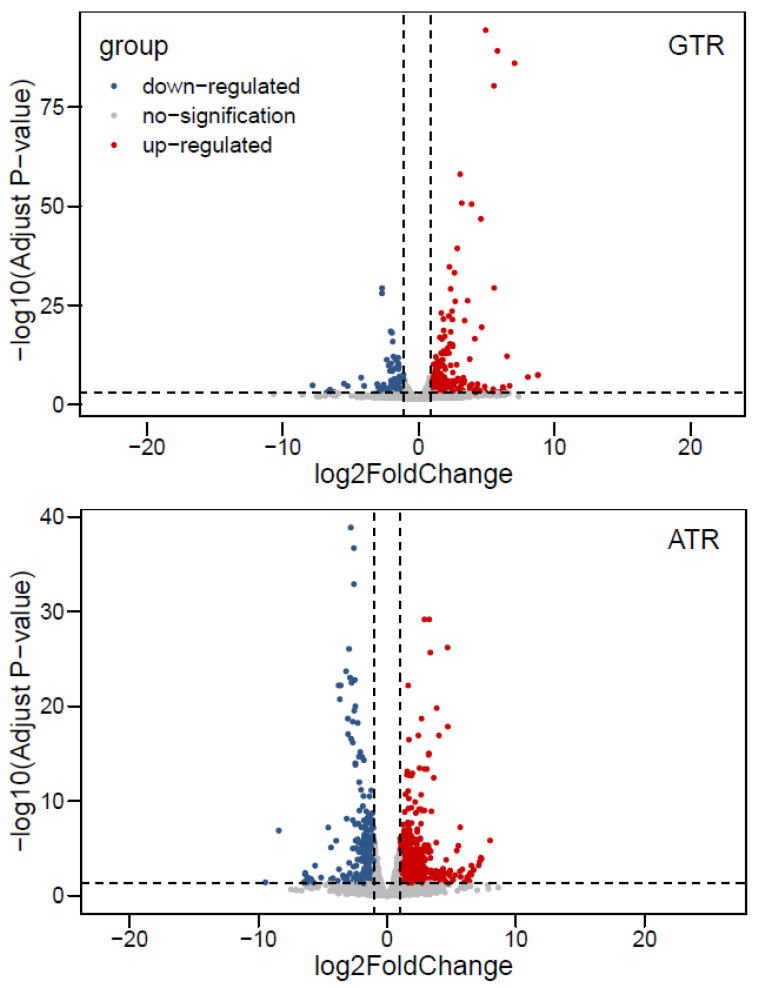
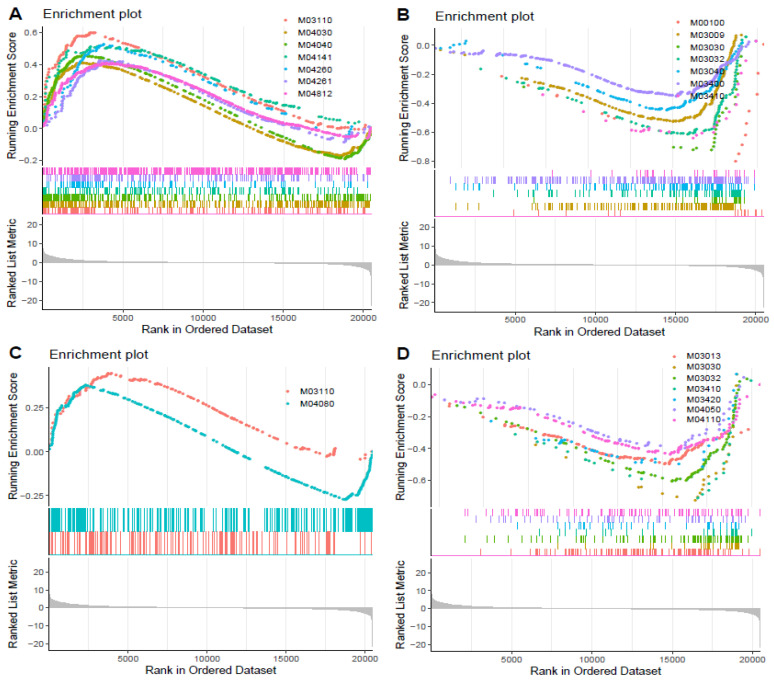
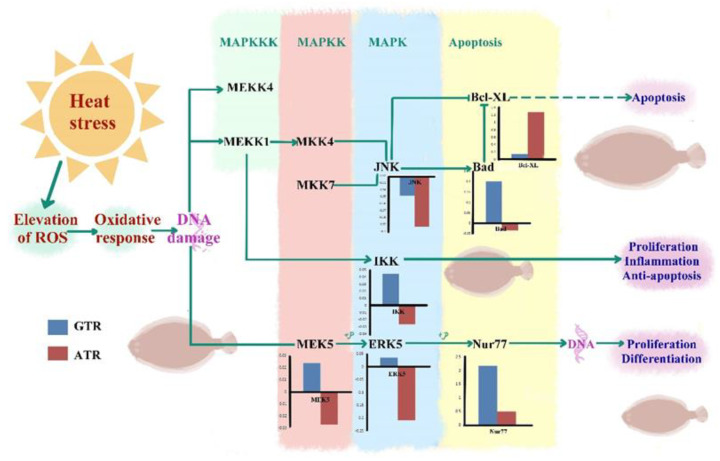
As an economically important flatfish in Asia, Japanese flounder is threatened by continuously rising temperatures due to global warming. To understand the molecular responses of this species to temperature stress, adult Japanese flounder individuals were treated with two kinds of heat stress-a gradual temperature rise (GTR) and an abrupt temperature rise (ATR)-in aquaria under experimental conditions. Changes in histopathology, programmed cell death levels and the oxidative stress status of gills were investigated. Histopathology showed that the damage caused by ATR stress was more serious. TUNEL signals confirmed this result, showing more programmed cell death in the ATR group. In addition, reactive oxygen species (ROS) levels and the 8-O-hDG contents of both the GTR and ATR groups increased significantly, and the total superoxide dismutase (T-SOD) activities and total antioxidant capacity (T-AOC) levels decreased in the two stressed groups, which showed damage to antioxidant systems. Meanwhile, RNA-seq was utilized to illustrate the molecular mechanisms underyling gill damage. Compared to the control group of 18 °C, 507 differentially expressed genes (DEGs) were screened in the GTR group; 341 were up-regulated and 166 were down-regulated, and pathway enrichment analysis indicated that they were involved in regulation and adaptation, including chaperone and folding catalyst pathways, the mitogen-activated protein kinase signaling (MAPK) pathway and DNA replication protein pathways. After ATR stress, 1070 DEGs were identified, 627 were up-regulated and 423 were down-regulated, and most DEGs were involved in chaperone and folding catalyst and DNA-related pathways, such as DNA replication proteins and nucleotide excision repair. The annotation of DEGs showed the great importance of heat shock proteins (HSPs) in protecting Japanese flounder from heat stress injury; 12 genes were found after GTR, while 5 genes were found after ATR. In summary, our study records gill dysfunction after heat stress, with different response patterns observed in the two experimental designs; chaperones were activated to defend heat stress after GTR, while replication was almost abandoned due to the severe damage consequent on ATR stress.
作为亚洲一种具有重要经济价值的比目鱼,由于全球变暖,日本牙鲆正受到持续升温的威胁。为了了解该物种对温度胁迫的分子反应,我们在实验条件下将成年日本牙鲆置于水族箱中,用两种热应激方式(逐渐升温(GTR)和急剧升温(ATR))处理。研究了鳃组织病理学、细胞程序性死亡水平和氧化应激状态的变化。组织病理学显示,ATR 应激引起的损伤更严重。TUNEL 信号证实了这一结果,表明 ATR 组的细胞程序性死亡更多。此外,GTR 和 ATR 两组的活性氧(ROS)水平和 8-O-hDG 含量均显著增加,两组的总超氧化物歧化酶(T-SOD)活性和总抗氧化能力(T-AOC)水平均降低,表明抗氧化系统受到损伤。同时,利用 RNA-seq 阐明了鳃损伤的分子机制。与 18°C 的对照组相比,GTR 组筛选出 507 个差异表达基因(DEGs);341 个上调,166 个下调,通路富集分析表明它们参与了调节和适应,包括伴侣和折叠催化剂途径、丝裂原激活蛋白激酶信号(MAPK)途径和 DNA 复制蛋白途径。ATR 应激后,鉴定出 1070 个 DEGs,627 个上调,423 个下调,大多数 DEGs 参与伴侣和折叠催化剂和 DNA 相关途径,如 DNA 复制蛋白和核苷酸切除修复。DEGs 的注释表明热休克蛋白(HSPs)在保护日本牙鲆免受热应激损伤方面的重要性;GTR 后发现 12 个基因,ATR 后发现 5 个基因。综上所述,我们的研究记录了热应激后鳃功能障碍,两种实验设计观察到不同的反应模式;GTR 后激活伴侣以抵御热应激,而 ATR 应激后由于严重损伤几乎放弃了复制。