Department of Bio-Convergence System, Hoseo University, Asan 31499, Korea.
Research Division of Food Functionality, Korean Food Research Institutes, Wanju 55365, Korea.
Int J Mol Sci. 2022 Mar 20;23(6):3361. doi: 10.3390/ijms23063361.
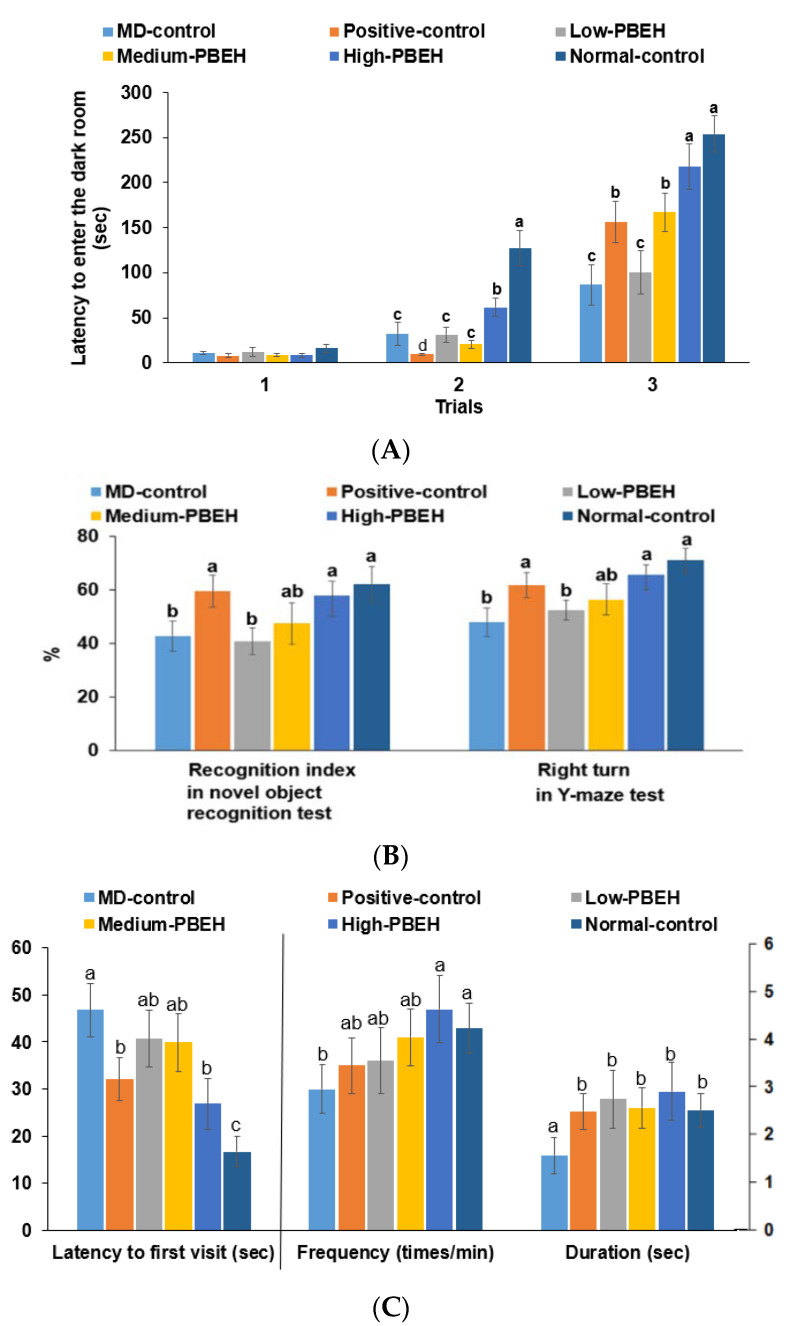
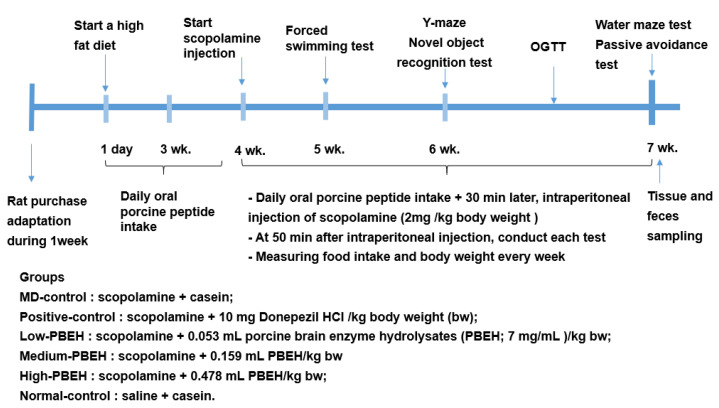
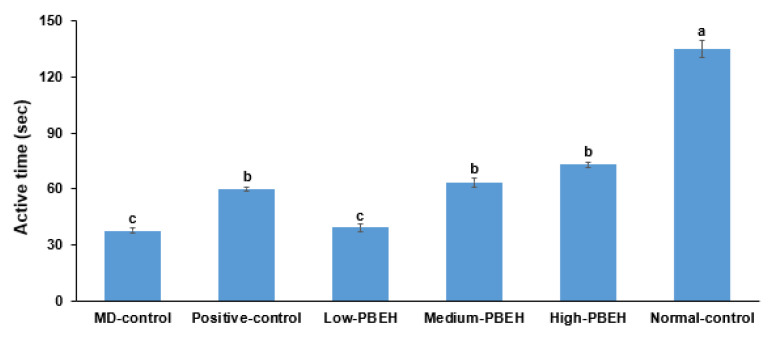
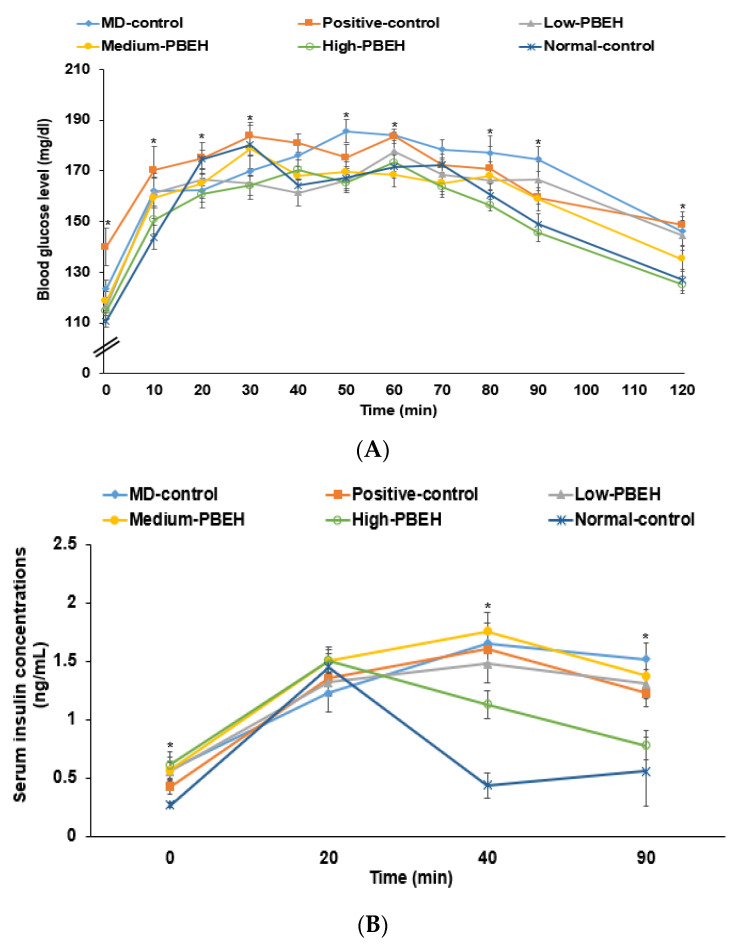
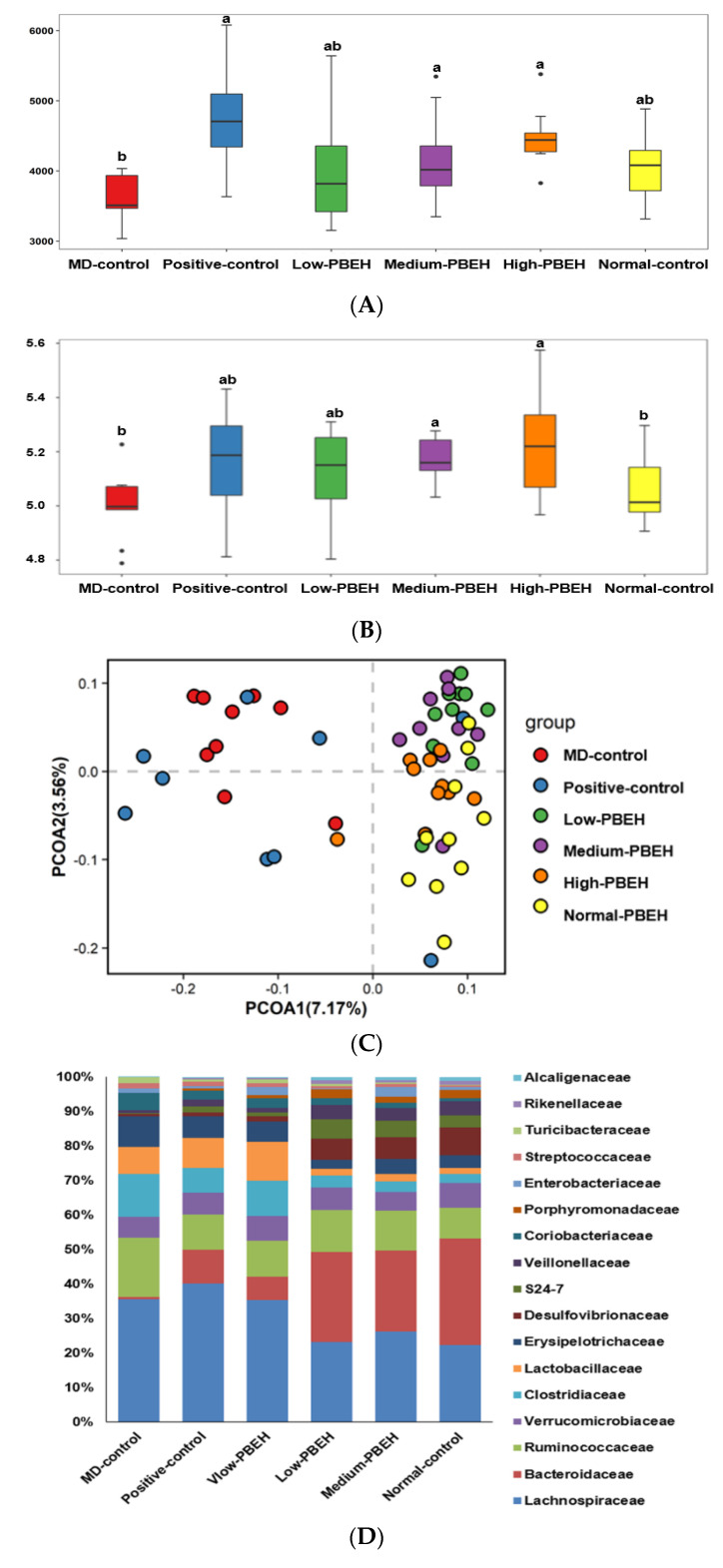
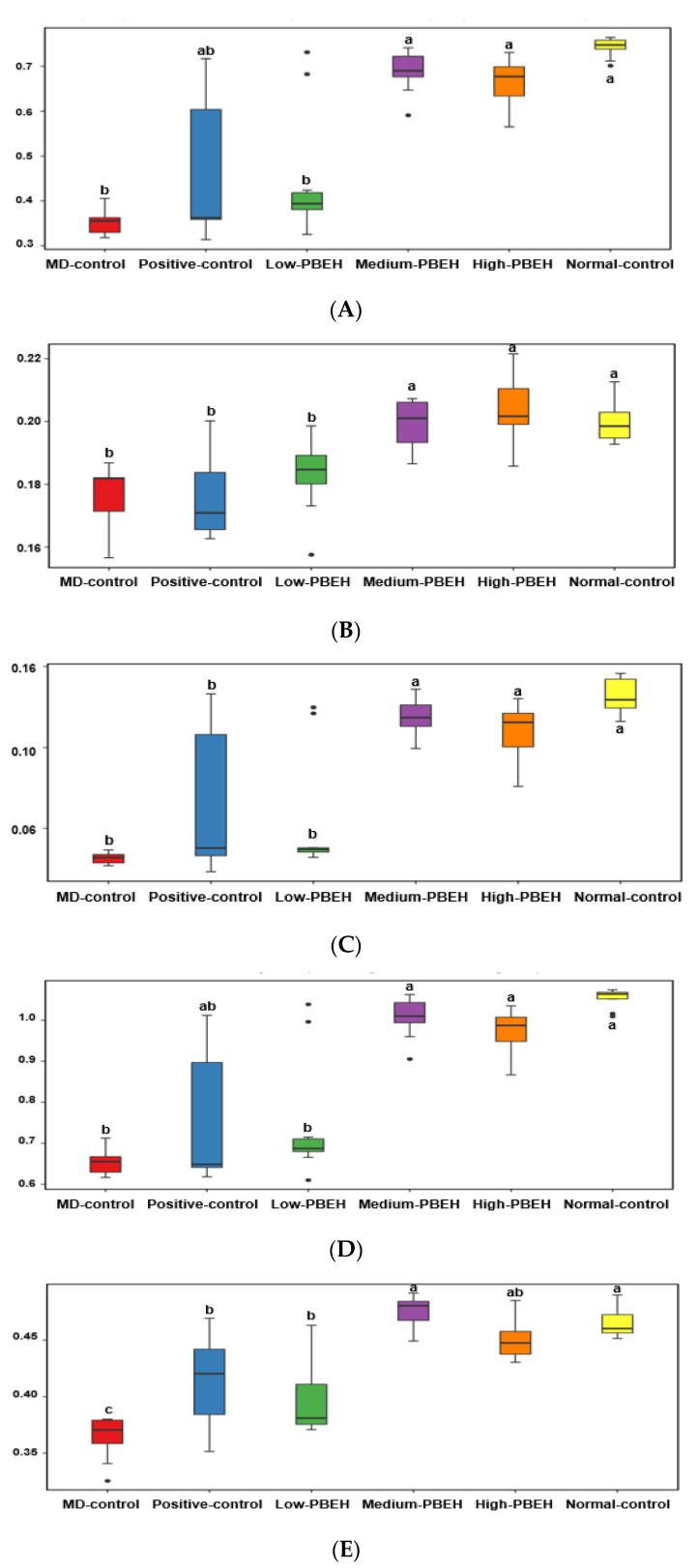
No study has revealed the effect of porcine brain enzyme hydrolysate (PBEH) on memory impairment. We aimed to examine the hypothesis that PBEH intake modulates memory deficits and cognitive behavior in scopolamine (SC)-induced amnesia rats, and its mechanism, including gut microbiota changes, was determined. Sprague-Dawley male rats had intraperitoneal injections of SC (2 mg/kg body weight/day) at 30 min after daily feeding of casein (MD-control), PBEH (7 mg total nitrogen/mL) at 0.053 mL (Low-PBEH), 0.159 mL (Medium-PBEH), 0.478 mL (High-PBEH), or 10 mg donepezil (Positive-control) per kilogram body weight per day through a feeding needle for six weeks. The Normal-control rats had casein feeding without SC injection. PBEH dose-dependently protected against memory deficits determined by passive avoidance test, Y-maze, water-maze, and novel object recognition test in SC-induced rats compared to the MD-control. The High-PBEH group had a similar memory function to the Positive-control group. Systemic insulin resistance determined by HOMA-IR was lower in the PBEH groups than in the Normal-control but not the Positive-control. In parallel with systemic insulin resistance, decreased cholesterol and increased glycogen contents in the hippocampus in the Medium-PBEH and High-PBEH represented reduced brain insulin resistance. PBEH intake prevented the increment of serum TNF-α and IL-1β concentrations in the SC-injected rats. Hippocampal lipid peroxide and TNF-α contents and mRNA TNF-α and IL-1β expression were dose-dependently reduced in PBEH and Positive-control. PBEH decreased the hippocampal acetylcholinesterase activity compared to the MD-control, but not as much as the Positive-control. PBEH intake increased the α-diversity of the gut microbiota compared to the MD-control, and the gut microbiota community was separated from MD-control. In metagenome function analysis, PBEH increased the energy metabolism-related pathways of the gut microbiota, including citric acid cycle, oxidative phosphorylation, glycolysis, and amino acid metabolism, which were lower in the MD-control than the Normal-control. In conclusion, alleviated memory deficit by PBEH was associated potentially with not only reducing acetylcholinesterase activity but also improving brain insulin resistance and neuroinflammation potentially through modulating gut microbiota. PBEH intake (1.5-4.5 mL of 7 mg total nitrogen/mL for human equivalent) can be a potential therapeutic agent for improving memory impairment.
尚无研究揭示猪脑酶解物(PBEH)对记忆障碍的影响。我们旨在检验以下假设,即 PBEH 摄入可调节东莨菪碱(SC)诱导的记忆障碍大鼠的记忆缺陷和认知行为,其机制包括肠道微生物群的变化。雄性 Sprague-Dawley 大鼠在每日喂饲酪蛋白后 30 分钟(MD-对照)、0.053ml(低 PBEH)、0.159ml(中 PBEH)、0.478ml(高 PBEH)或 10mg 多奈哌齐(阳性对照)时腹腔注射 SC(2mg/kg 体重/天))通过喂食管每天每公斤体重一次,持续 6 周。正常对照大鼠给予酪蛋白喂养而不注射 SC。与 MD-对照相比,PBEH 剂量依赖性地保护 SC 诱导的大鼠免受被动回避测试、Y 迷宫、水迷宫和新物体识别测试确定的记忆缺陷。高 PBEH 组的记忆功能与阳性对照组相似。与正常对照组相比,PBEH 组的全身胰岛素抵抗(通过 HOMA-IR 确定)较低,但与阳性对照组相比则不然。与全身胰岛素抵抗平行,中 PBEH 和高 PBEH 组的海马胆固醇含量降低和糖原含量增加代表脑胰岛素抵抗降低。PBEH 摄入可防止 SC 注射大鼠血清 TNF-α和 IL-1β浓度的增加。PBEH 和阳性对照组均降低海马脂质过氧化物和 TNF-α含量以及 TNF-α和 IL-1βmRNA 表达。与 MD-对照相比,PBEH 降低了海马乙酰胆碱酯酶活性,但不如阳性对照组明显。与 MD-对照相比,PBEH 增加了肠道微生物群的 α-多样性,且肠道微生物群群落与 MD-对照分离。在宏基因组功能分析中,PBEH 增加了肠道微生物群的能量代谢相关途径,包括柠檬酸循环、氧化磷酸化、糖酵解和氨基酸代谢,这些途径在 MD-对照中低于正常对照。总之,PBEH 减轻记忆障碍可能不仅与降低乙酰胆碱酯酶活性有关,还可能通过调节肠道微生物群改善脑胰岛素抵抗和神经炎症。PBEH 摄入(相当于人体的 1.5-4.5ml 7mg 总氮/ml)可作为改善记忆障碍的潜在治疗剂。