Ransom Seth C, Brown Nolan J, Pennington Zachary A, Lakomkin Nikita, Mikula Anthony L, Bydon Mohamad, Elder Benjamin D
Department of Neurological Surgery, Mayo Clinic, Rochester, MN 55902, USA.
Department of Neurological Surgery, University of California, Irvine, CA 92093, USA.
J Clin Med. 2022 Mar 13;11(6):1585. doi: 10.3390/jcm11061585.
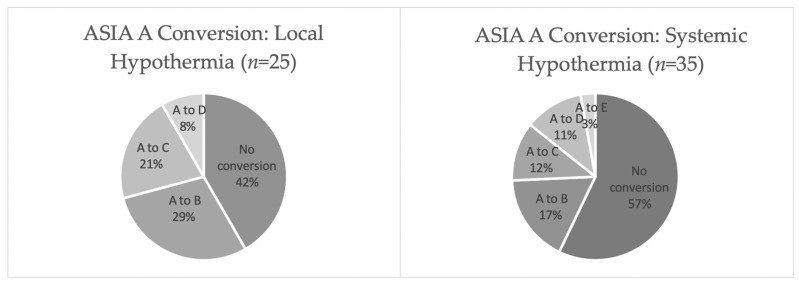
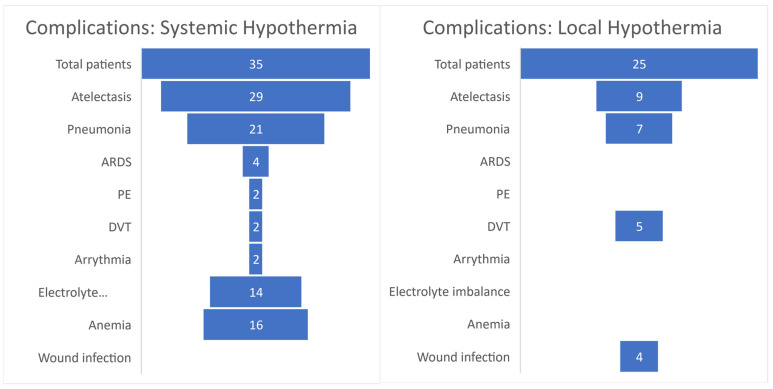
Although hypothermia has shown to protect against ischemic and traumatic neuronal death, its potential role in neurologic recovery following traumatic spinal cord injury (TSCI) remains incompletely understood. Herein, we systematically review the safety and efficacy of hypothermia therapy for TSCI. The English medical literature was reviewed using PRISMA guidelines to identify preclinical and clinical studies examining the safety and efficacy of hypothermia following TSCI. Fifty-seven articles met full-text review criteria, of which twenty-eight were included. The main outcomes of interest were neurological recovery and postoperative complications. Among the 24 preclinical studies, both systemic and local hypothermia significantly improved neurologic recovery. In aggregate, the 4 clinical studies enrolled 60 patients for treatment, with 35 receiving systemic hypothermia and 25 local hypothermia. The most frequent complications were respiratory in nature. No patients suffered neurologic deterioration because of hypothermia treatment. Rates of American Spinal Injury Association (AIS) grade conversion after systemic hypothermia (35.5%) were higher when compared to multiple SCI database control studies (26.1%). However, no statistical conclusions could be drawn regarding the efficacy of hypothermia in humans. These limited clinical trials show promise and suggest therapeutic hypothermia to be safe in TSCI patients, though its effect on neurological recovery remains unclear. The preclinical literature supports the efficacy of hypothermia after TSCI. Further clinical trials are warranted to conclusively determine the effects of hypothermia on neurological recovery as well as the ideal means of administration necessary for achieving efficacy in TSCI.
尽管低温已被证明可预防缺血性和创伤性神经元死亡,但其在创伤性脊髓损伤(TSCI)后神经功能恢复中的潜在作用仍未完全明确。在此,我们系统回顾了低温疗法治疗TSCI的安全性和有效性。使用PRISMA指南对英文医学文献进行回顾,以确定研究TSCI后低温安全性和有效性的临床前和临床研究。57篇文章符合全文审查标准,其中28篇被纳入。主要关注的结果是神经功能恢复和术后并发症。在24项临床前研究中,全身和局部低温均显著改善了神经功能恢复。总体而言,4项临床研究共纳入60例患者进行治疗,其中35例接受全身低温治疗,25例接受局部低温治疗。最常见的并发症是呼吸系统并发症。没有患者因低温治疗而出现神经功能恶化。与多个脊髓损伤数据库对照研究(26.1%)相比,全身低温治疗后美国脊髓损伤协会(AIS)分级转换率(35.5%)更高。然而,关于低温对人类的疗效,无法得出统计学结论。这些有限的临床试验显示出了前景,并表明治疗性低温对TSCI患者是安全的,尽管其对神经功能恢复的影响仍不明确。临床前文献支持TSCI后低温的疗效。有必要进行进一步的临床试验,以最终确定低温对神经功能恢复的影响以及在TSCI中实现疗效所需的理想给药方式。