Department of Pharmacology, College of Pharmacy, Jouf University, Sakaka, Al-Jouf, Saudi Arabia.
Department of Pharmacology, Maharishi Arvind College of Pharmacy, Ambabari Circle, Ambabari, Jaipur, 302023, India.
Chem Biol Interact. 2022 May 1;358:109898. doi: 10.1016/j.cbi.2022.109898. Epub 2022 Mar 21.
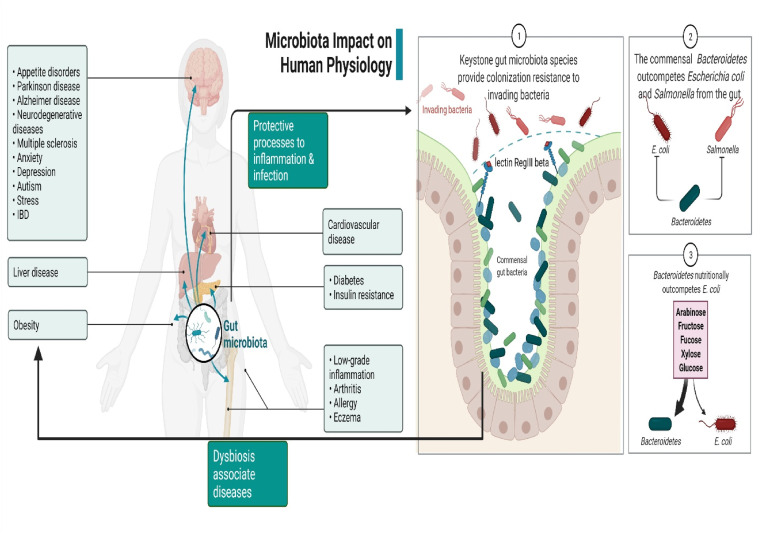
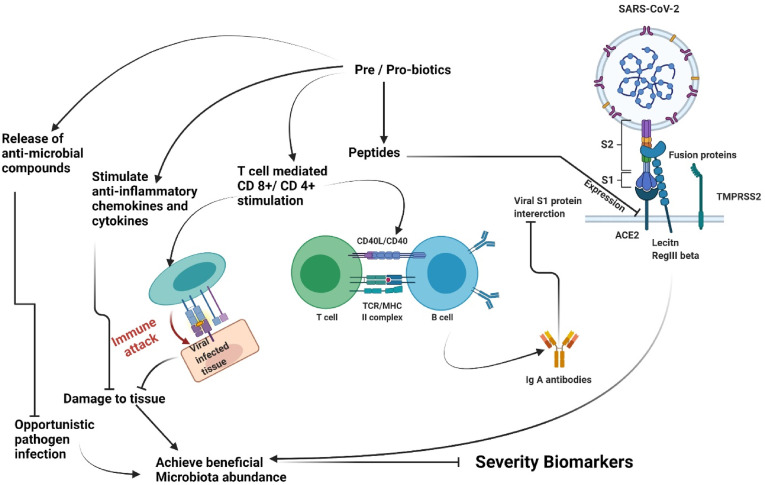
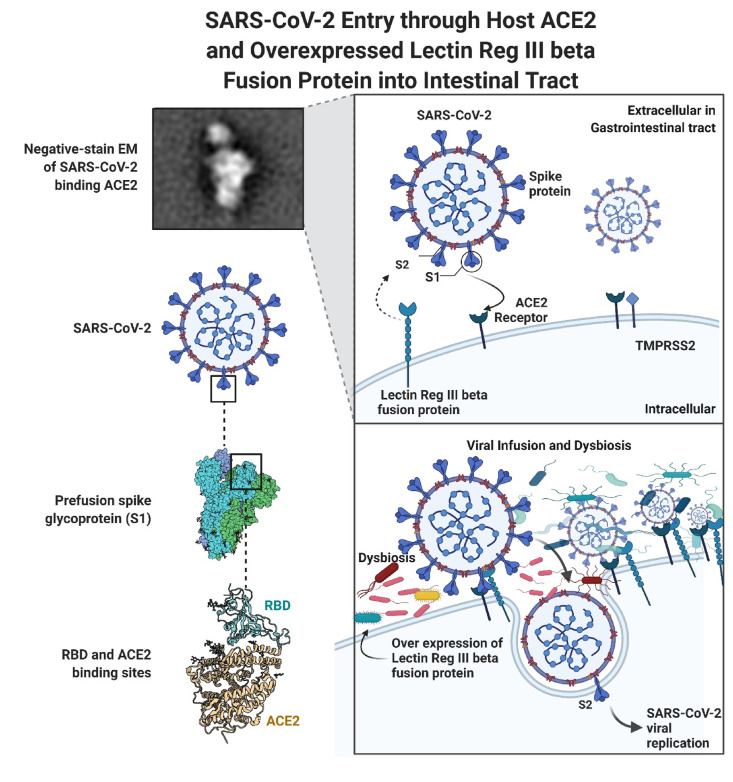
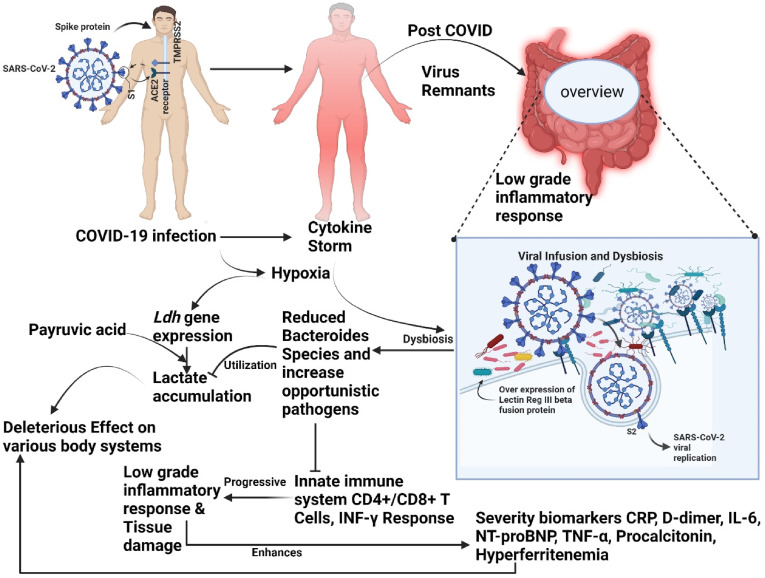
Coronavirus disease (COVID-19), a coronavirus-induced illness attributed to severe acute respiratory syndrome coronavirus 2 (SARS-CoV-2) transmission, is thought to have first emerged on November 17, 2019. According to World Health Organization (WHO). COVID-19 has been linked to 379,223,560 documented occurrences and 5,693,245 fatalities globally as of 1st Feb 2022. Influenza A virus that has also been discovered diarrhea and gastrointestinal discomfort was found in the infected person, highlighting the need of monitoring them for gastro intestinal tract (GIT) symptoms regardless of whether the sickness is respiration related. The majority of the microbiome in the intestines is Firmicutes and Bacteroidetes, while Bacteroidetes, Proteobacteria, and Firmicutes are found in the lungs. Although most people overcome SARS-CoV-2 infections, many people continue to have symptoms months after the original sickness, called Long-COVID or Post COVID. The term "post-COVID-19 symptoms" refers to those that occur with or after COVID-19 and last for more than 12 weeks (long-COVID-19). The possible understanding of biological components such as inflammatory, immunological, metabolic activity biomarkers in peripheral blood is needed to evaluate the study. Therefore, this article aims to review the informative data that supports the idea underlying the disruption mechanisms of the microbiome of the gastrointestinal tract in the acute COVID-19 or post-COVID-mediated elevation of severity biomarkers.
冠状病毒病(COVID-19)是一种由严重急性呼吸系统综合征冠状病毒 2(SARS-CoV-2)传播引起的冠状病毒病,据世界卫生组织(WHO)称,它被认为于 2019 年 11 月 17 日首次出现。截至 2022 年 2 月 1 日,COVID-19 在全球范围内已记录到 379,223,560 例病例和 5,693,245 例死亡。在感染者中也发现了甲型流感病毒,会导致腹泻和胃肠道不适,这强调了无论疾病是否与呼吸系统有关,都需要对其进行胃肠道(GIT)症状监测。肠道中的大部分微生物群是厚壁菌门和拟杆菌门,而肺部则存在拟杆菌门、变形菌门和厚壁菌门。尽管大多数人能够克服 SARS-CoV-2 感染,但许多人在最初感染后数月仍会出现症状,称为长 COVID 或后 COVID。“后 COVID-19 症状”是指那些与 COVID-19 同时发生或在 COVID-19 之后发生并持续超过 12 周(长 COVID-19)的症状。需要了解外周血中炎症、免疫、代谢活性生物标志物等生物学成分,以评估研究。因此,本文旨在综述支持急性 COVID-19 或后 COVID 介导的严重程度生物标志物升高时胃肠道微生物组破坏机制的相关信息。