Institute of Nutritional Medicine, University of Lübeck and University Hospital Schleswig-Holstein, Lübeck, Germany.
Department of Medicine I, University Hospital Schleswig-Holstein, Lübeck, Germany.
PLoS One. 2022 Mar 25;17(3):e0266071. doi: 10.1371/journal.pone.0266071. eCollection 2022.
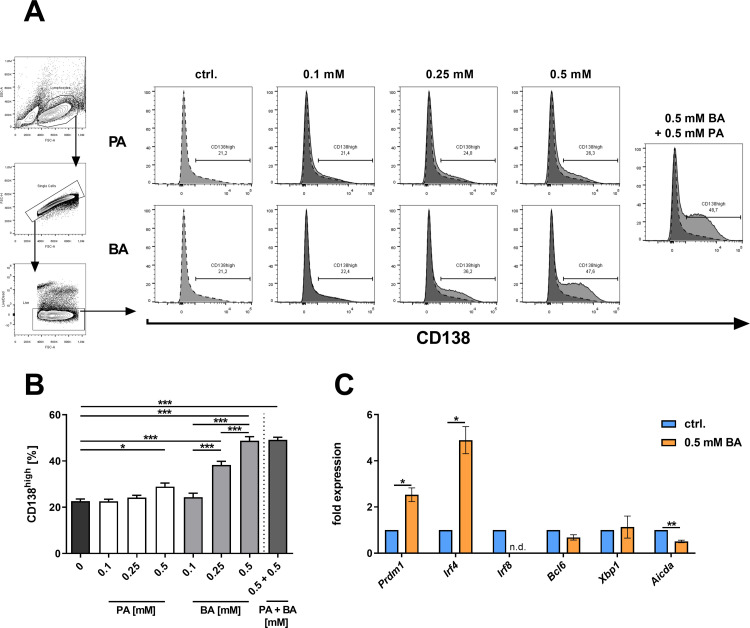
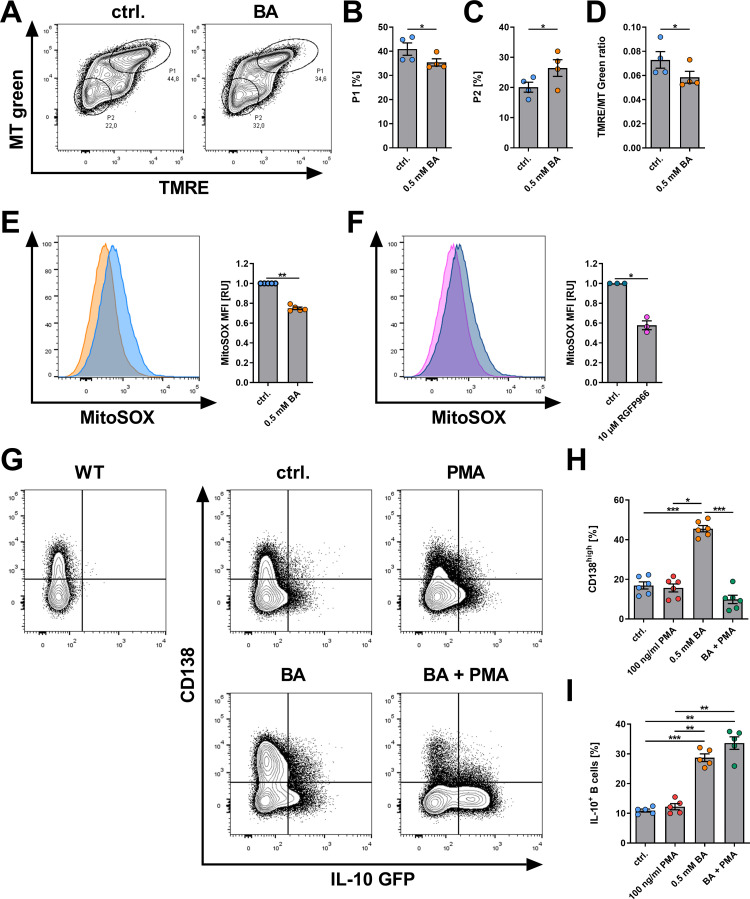
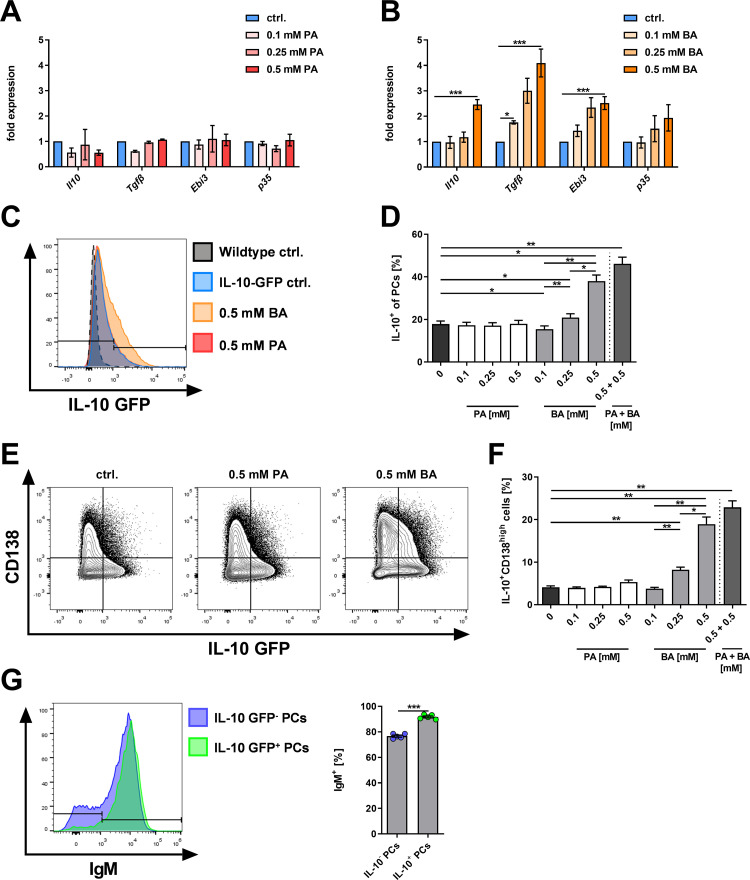
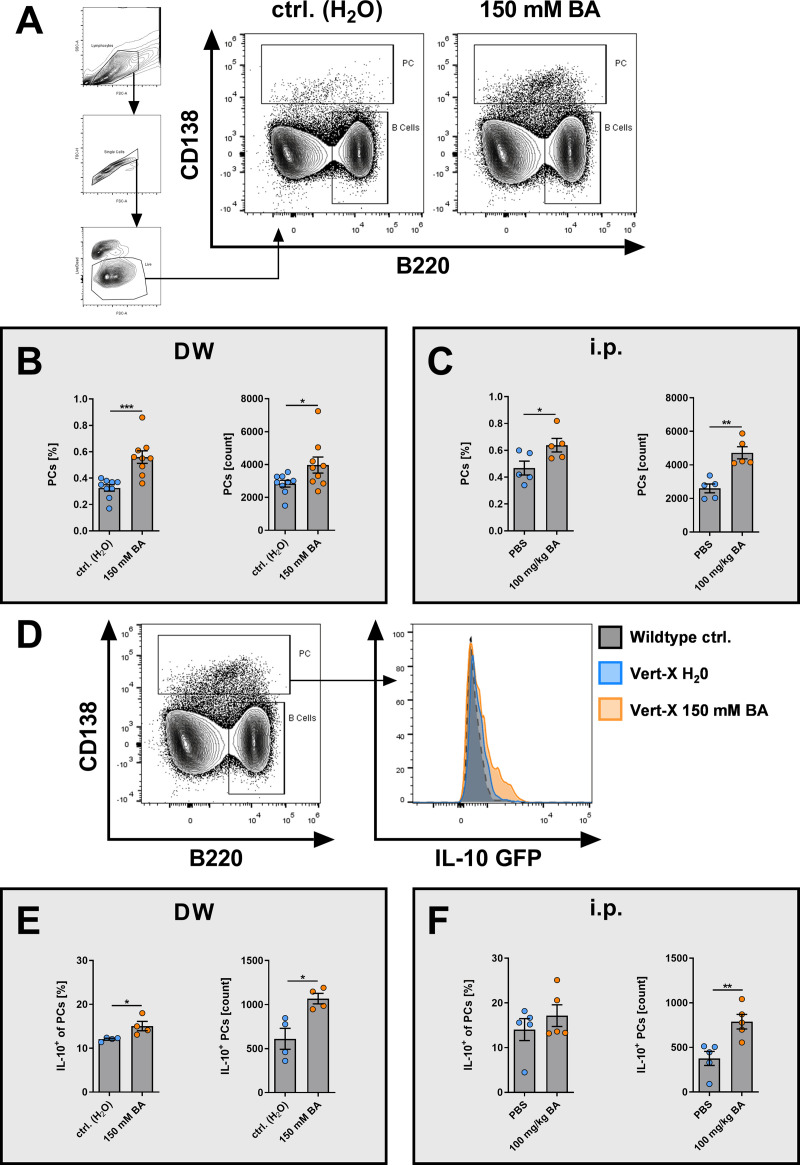
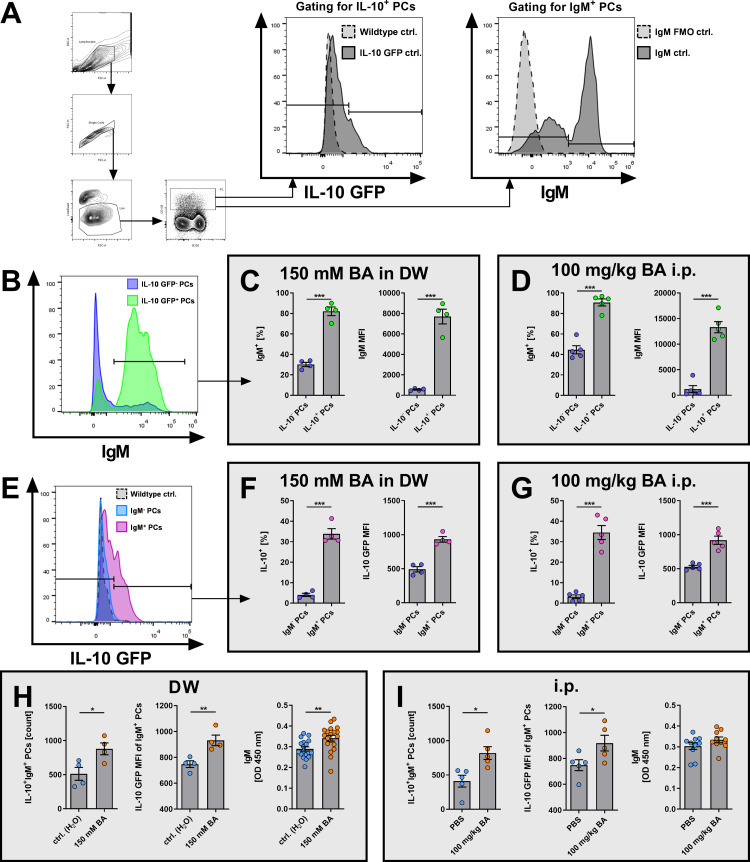
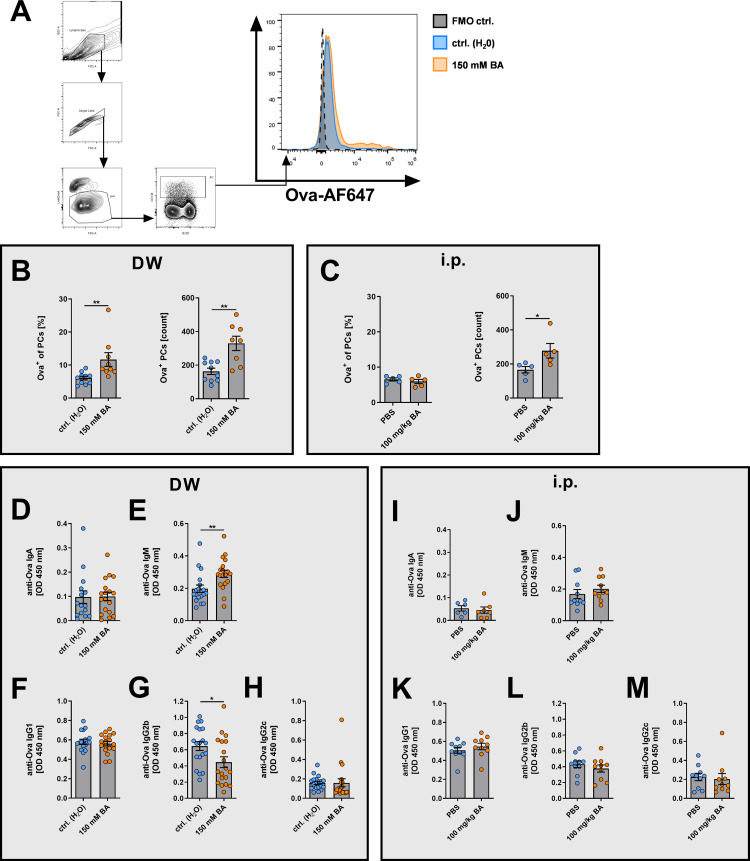
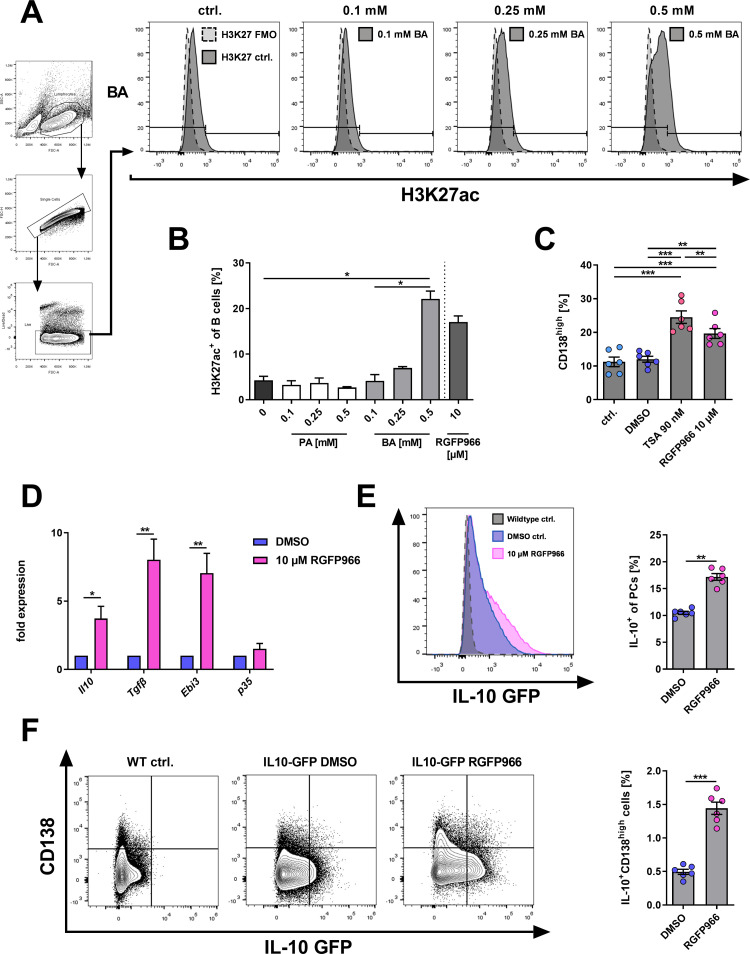
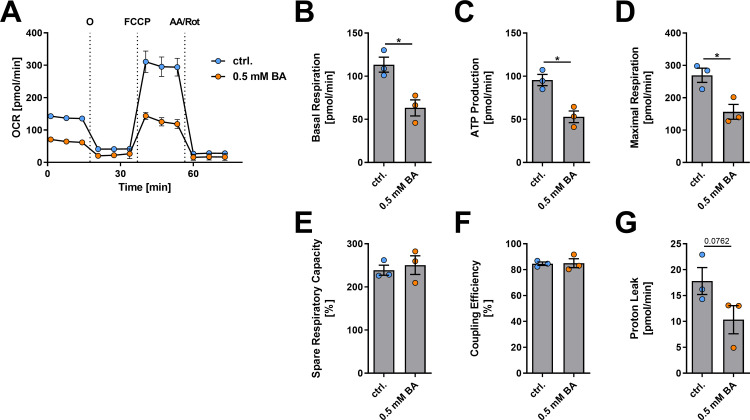
The microbially-derived short-chain fatty acid butyrate is a central inhibitor of inflammatory innate and adaptive immune responses. Emerging evidence suggests that butyrate induces differentiation of IL-10-producing (IL-10+) regulatory B cells. However, the underlying mechanisms of butyrate-driven modulation of B cell differentiation are not fully defined. Given the dominant role of regulatory plasma cells (PCs) as the main source of anti-inflammatory cytokines including IL-10 and the observation that butyrate also induces the differentiation of PCs, we here investigated the effect of the microbial metabolite butyrate on the induction of regulatory IL-10+ PCs and underlying mechanisms. Here we show that butyrate induces the differentiation of IL-10+IgM+ PCs. Ex vivo, butyrate, but hardly propionate, another microbially-derived short-chain fatty acid, induced the differentiation of IL-10+IgM+ CD138high PCs from isolated splenic murine B cells. In vivo, administration of butyrate via drinking water or by daily intraperitoneal injection increased the number of IL-10+IgM+ CD138high PCs in the spleens of Ovalbumin (Ova)/complete Freund's adjuvant-immunized mice. The induction of these regulatory PCs was associated with an increase of anti-Ova IgM, but a reduction of anti-Ova class-switched pathogenic IgG2b serum antibodies. Based on the knowledge that butyrate inhibits histone deacetylases (HDACs) thereby increasing histone acetylation, we identified here that HDAC3 inhibition was sufficient to induce PC differentiation and IL-10+ expression. Furthermore, reduced mitochondrial superoxide levels following butyrate treatment and HDAC3 inhibition were necessary for PC differentiation, but not IL-10 expression. In summary, the microbial metabolite butyrate promotes the differentiation of IgM+ PCs and their expression of IL-10. HDAC3 inhibition may be involved as an underlying pathway for both PC differentiation and IL-10 expression, while reduced mitochondrial superoxide levels are crucial only for PC differentiation. The induction of regulatory IL-10+IgM+ PCs and the inhibition of class switching to antigen-specific pathogenic IgG subclasses might represent important pathways of butyrate to limit inflammation.
微生物衍生的短链脂肪酸丁酸盐是炎症先天和适应性免疫反应的中央抑制剂。新出现的证据表明,丁酸盐诱导产生白细胞介素 10(IL-10)的调节性 B 细胞(Breg)分化。然而,丁酸盐驱动 B 细胞分化调节的潜在机制尚未完全确定。鉴于调节性浆细胞(PC)作为包括白细胞介素 10 在内的抗炎细胞因子的主要来源的主导作用,以及观察到丁酸盐也诱导 PC 的分化,我们在此研究了微生物代谢产物丁酸盐对诱导调节性 IL-10+PC 的影响及其潜在机制。我们在这里表明,丁酸盐诱导 IL-10+IgM+PC 的分化。离体,丁酸盐,但不是另一种微生物衍生的短链脂肪酸丙酸盐,诱导分离的脾源性小鼠 B 细胞中 IL-10+IgM+CD138highPC 的分化。在体内,通过饮用水或每日腹腔注射丁酸盐增加卵清蛋白(OVA)/完全弗氏佐剂免疫小鼠脾脏中 IL-10+IgM+CD138highPC 的数量。这些调节性 PC 的诱导与抗 OVA IgM 的增加有关,但与抗 OVA 类别转换的致病性 IgG2b 血清抗体的减少有关。基于丁酸盐抑制组蛋白去乙酰化酶(HDACs)从而增加组蛋白乙酰化的知识,我们在此确定 HDAC3 抑制足以诱导 PC 分化和 IL-10+表达。此外,丁酸盐处理和 HDAC3 抑制后线粒体超氧化物水平降低对于 PC 分化是必要的,但对于 IL-10 表达则不是。总之,微生物代谢产物丁酸盐促进 IgM+PC 的分化及其 IL-10 的表达。HDAC3 抑制可能作为 PC 分化和 IL-10 表达的潜在途径,而线粒体超氧化物水平的降低对于 PC 分化是必需的,但对于 IL-10 表达则不是。诱导调节性 IL-10+IgM+PC 和抑制针对抗原的致病性 IgG 亚类的类别转换可能是丁酸盐限制炎症的重要途径。