Al Farroukh Mohammad, Kiseleva Irina, Bazhenova Ekaterina, Stepanova Ekaterina, Puchkova Ludmila, Rudenko Larisa
Federal State Budgetary Scientific Institution "Institute of Experimental Medicine", 197376 St. Petersburg, Russian.
Peter the Great St. Petersburg Polytechnic University, Institute of Biomedical Systems and Biotechnology, Graduate School of Biomedical Systems and Technologies, 195251 St. Petersburg, Russia.
Vaccines (Basel). 2022 Mar 3;10(3):395. doi: 10.3390/vaccines10030395.
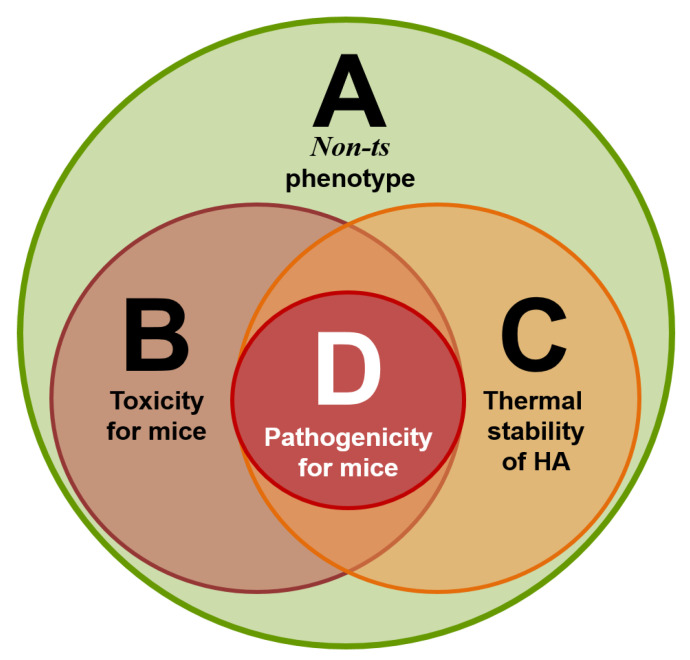
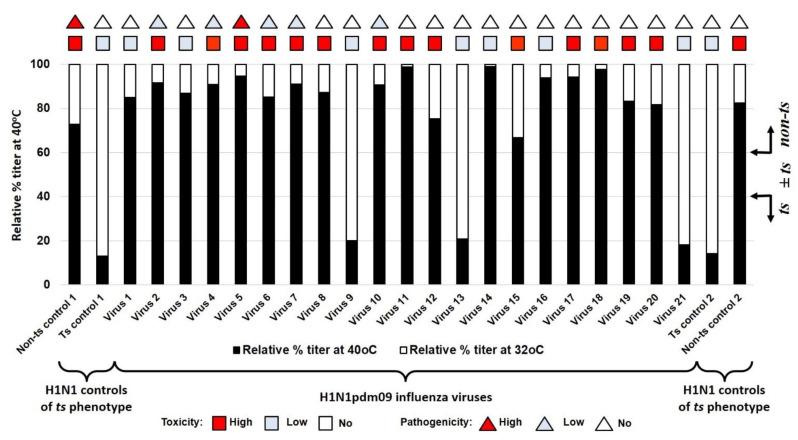
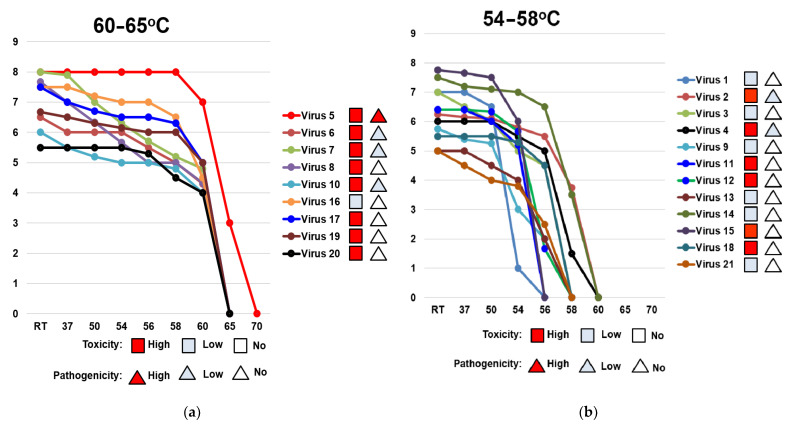
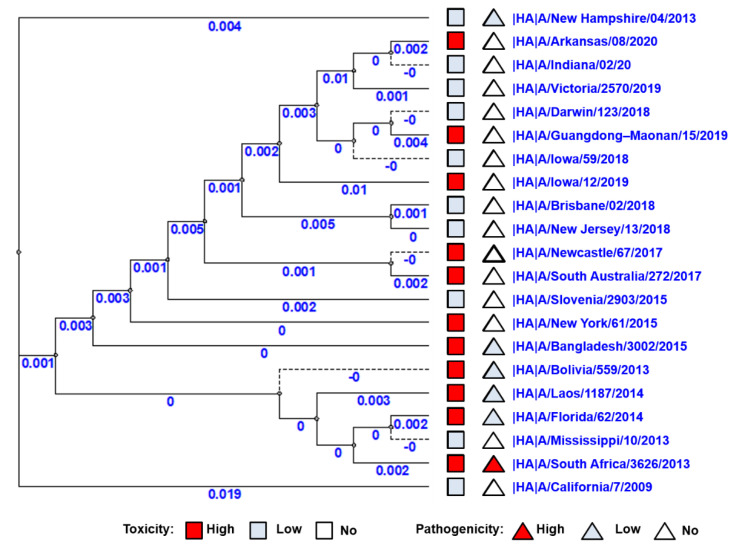
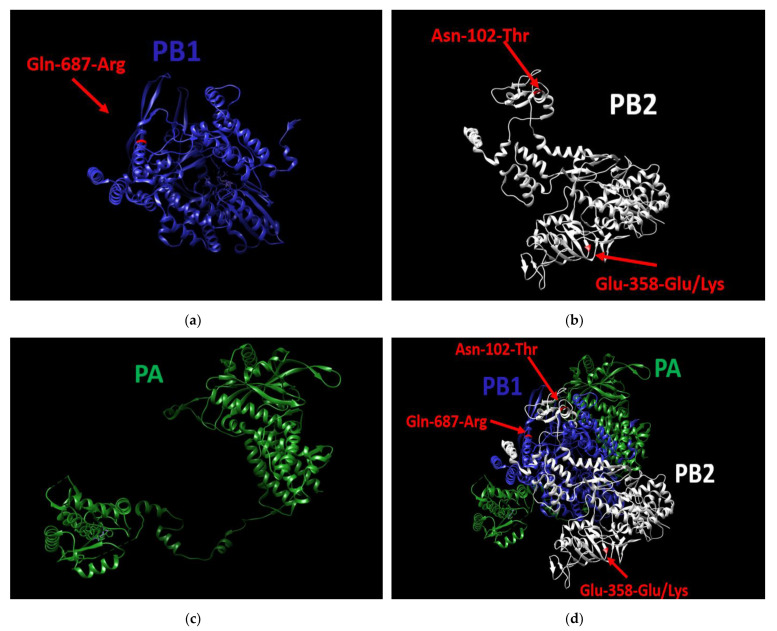
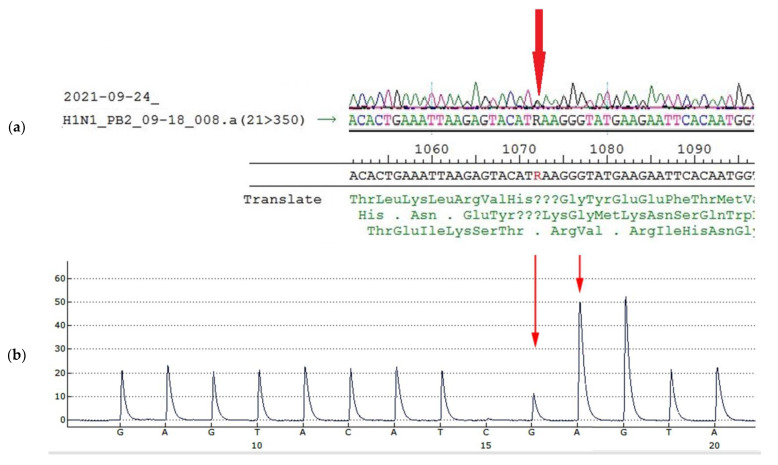
The influenza virus continually evolves because of the high mutation rate, resulting in dramatic changes in its pathogenicity and other biological properties. This study aimed to evaluate the evolution of certain essential properties, understand the connections between them, and find the molecular basis for the manifestation of these properties. To that end, 21 A(H1N1)pdm09 influenza viruses were tested for their pathogenicity and toxicity in a mouse model with a phenotype manifestation and HA thermal stability. The results demonstrated that, for a strain to have high pathogenicity, it must express a toxic effect, have a phenotype, and have a thermally stable HA. The ancestor A/California/07/2009 (H1N1)pdm influenza virus expressed the phenotype, after which the cycling trend of the phenotype was observed in new strains of A(H1N1)pdm09 influenza viruses, indicating that the ratio of the phenotype will increase in the coming years. Of the 21 tested viruses, A/South Africa/3626/2013 had the high pathogenicity in the mouse model. Sequence alignment analysis showed that this virus has three unique mutations in the polymerase complex, two of which are in the PB2 gene and one that is in the PB1 gene. Further study of these mutations might explain the distinguishing pathogenicity.
由于流感病毒的高突变率,其不断进化,导致其致病性和其他生物学特性发生显著变化。本研究旨在评估某些基本特性的演变,了解它们之间的联系,并找到这些特性表现的分子基础。为此,对21株A(H1N1)pdm09流感病毒在具有表型表现和HA热稳定性的小鼠模型中进行了致病性和毒性测试。结果表明,对于一个毒株要具有高致病性,它必须表现出毒性作用,具有表型,并且具有热稳定的HA。祖先毒株A/California/07/2009 (H1N1)pdm流感病毒表现出表型,之后在A(H1N1)pdm09流感病毒的新毒株中观察到表型的循环趋势,表明表型的比例在未来几年将增加。在21株测试病毒中,A/South Africa/3626/2013在小鼠模型中具有高致病性。序列比对分析表明,该病毒在聚合酶复合物中有三个独特的突变,其中两个在PB2基因中,一个在PB1基因中。对这些突变的进一步研究可能解释其独特的致病性。