Prakash T, Janadri Suresh
Department of Pharmacology, Acharya & BM Reddy College of Pharmacy, Bengaluru, India.
Department of Pharmacology, Acharya & BM Reddy College of Pharmacy, Bengaluru, India.
J Ayurveda Integr Med. 2023 Mar-Apr;14(2):100544. doi: 10.1016/j.jaim.2022.100544. Epub 2022 Mar 22.
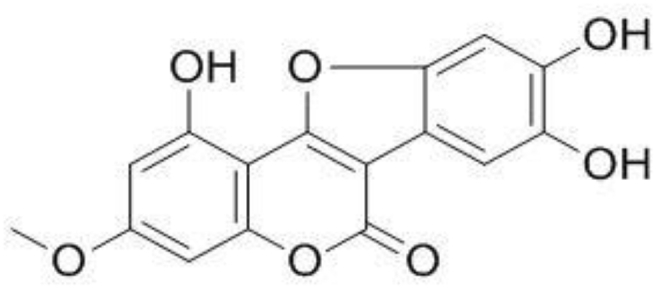
Wedelolactone, main active constituent of Wedelia calendulace and Eclipta alba plants which has been traditionally used to treat various chronic inflammatory conditions. However, its mechanism of action of anti-inflammatory effect on ulcerative colitis is yet to be established.
In the present study, the effect of the wedelolactone on the myeloperoxidase activities and in the production of proinflammatory cytokines involved in the pathogenesis of chronic inflammation was assessed.
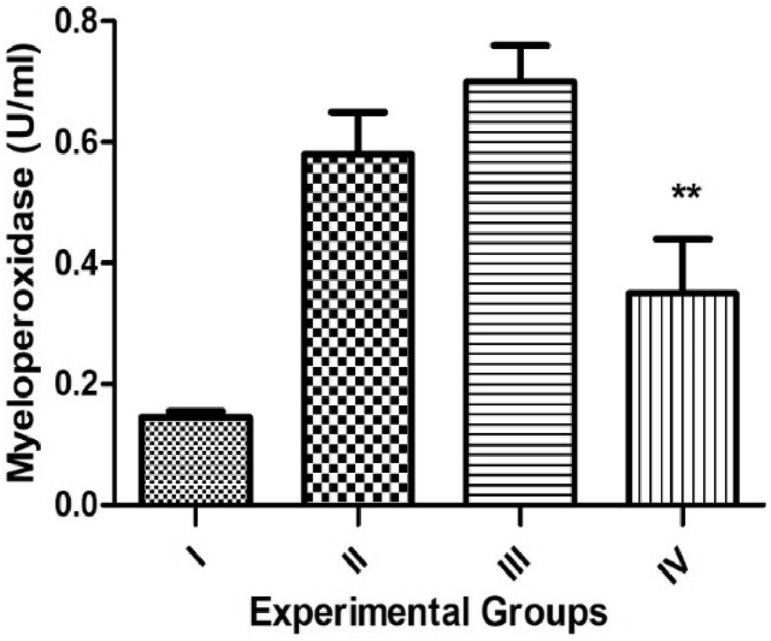
Wistar rats were randomly divided into four groups containing six animals per group. Group I (Vehicle control): tap water and vehicle; Group II (DSS control): tap water containing 5% (w/v) of DSS over 7 days, and vehicle; Group III (treatment group): Wedelolactone 50 mg/kg/day, and tap water containing 5% DSS over 7 days, Group IV (treatment group): Wedelolactone 100 mg/kg/day and tap water containing 5% DSS over 7 days over the experiment.
Study revealed that wedelolactone treatment dramatically decrease the release of IL-1a, IL-1b, IL-2, TNF, INFγ, STAT3 and CCL-5 in colons treated with DSS. In summary, these results suggest that the inhibition of IL-6/STAT3 signaling is a potential mechanism by which wedelolactone is used in the treatment of ulcerative colitis.
Oral administration of Wedelolactone (100 mg/kg) significantly attenuated pathological colonic damage and inhibited inflammatory infiltration, myeloperoxidase activities. In summary, Wedelolactone showed anti-inflammatory effect by down regulation of the IL-6/STAT3 inflammatory signaling pathway. These findings provide new insights into the pharmacological actions of wedelolactone as a potential therapeutic agent for colitis.
蟛蜞菊内酯是蟛蜞菊和旱莲草植物的主要活性成分,传统上用于治疗各种慢性炎症性疾病。然而,其对溃疡性结肠炎抗炎作用的机制尚未明确。
在本研究中,评估了蟛蜞菊内酯对慢性炎症发病机制中髓过氧化物酶活性和促炎细胞因子产生的影响。
将Wistar大鼠随机分为四组,每组6只动物。第一组(载体对照组):自来水和载体;第二组(DSS对照组):7天内饮用含5%(w/v)DSS的自来水,并给予载体;第三组(治疗组):蟛蜞菊内酯50mg/kg/天,7天内饮用含5% DSS的自来水;第四组(治疗组):蟛蜞菊内酯100mg/kg/天,7天内饮用含5% DSS的自来水,整个实验期间如此。
研究表明,蟛蜞菊内酯处理显著降低了用DSS处理的结肠中IL-1α、IL-1β、IL-2、TNF、INFγ、STAT3和CCL-5的释放。总之,这些结果表明抑制IL-6/STAT3信号传导是蟛蜞菊内酯用于治疗溃疡性结肠炎的潜在机制。
口服蟛蜞菊内酯(100mg/kg)可显著减轻结肠病理损伤,抑制炎症浸润和髓过氧化物酶活性。总之,蟛蜞菊内酯通过下调IL-6/STAT3炎症信号通路显示出抗炎作用。这些发现为蟛蜞菊内酯作为结肠炎潜在治疗药物的药理作用提供了新的见解。