Department of breast surgery, the First Affiliated Hospital of Xi'an Jiaotong University, Xi'an, China.
Department of medical oncology, the First Affiliated Hospital of Xi'an Jiaotong University, Xi'an, China.
Int J Biol Sci. 2022 Feb 28;18(5):2032-2046. doi: 10.7150/ijbs.68960. eCollection 2022.
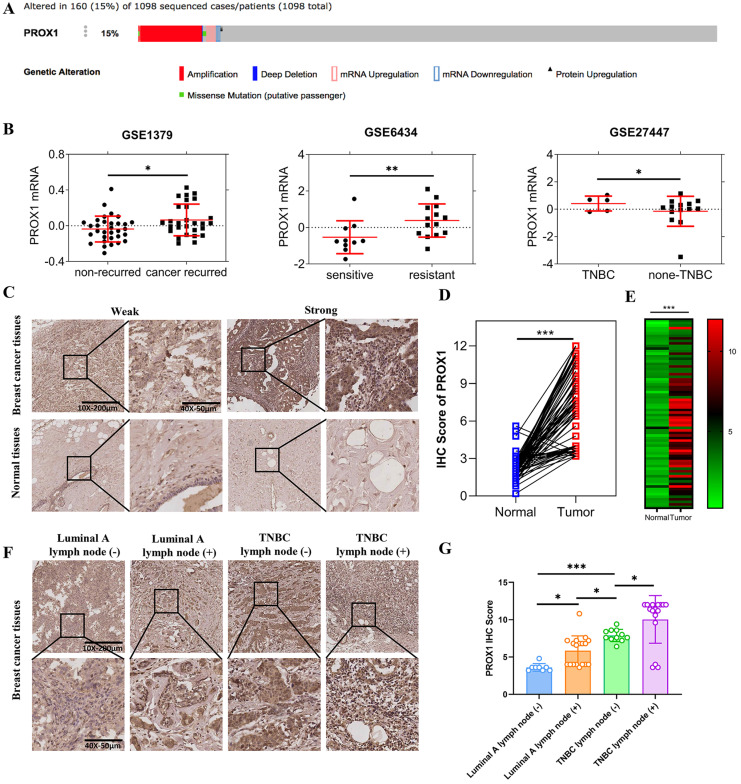
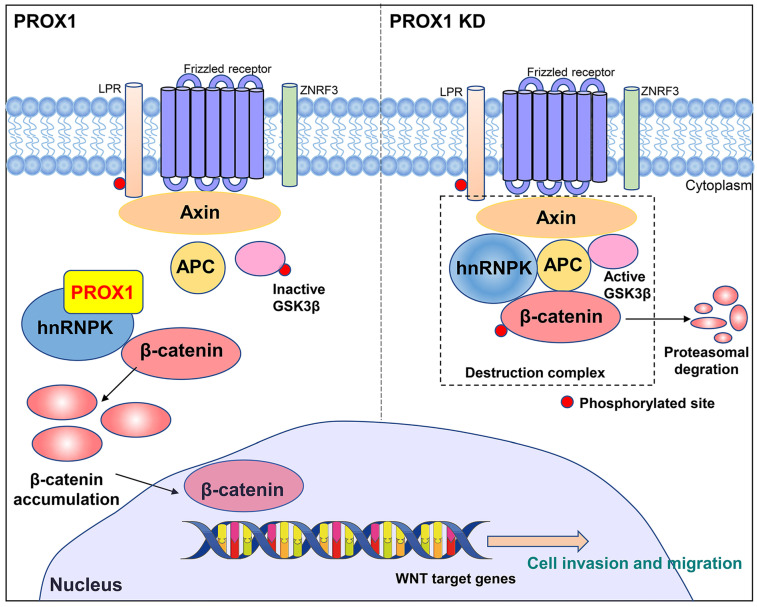
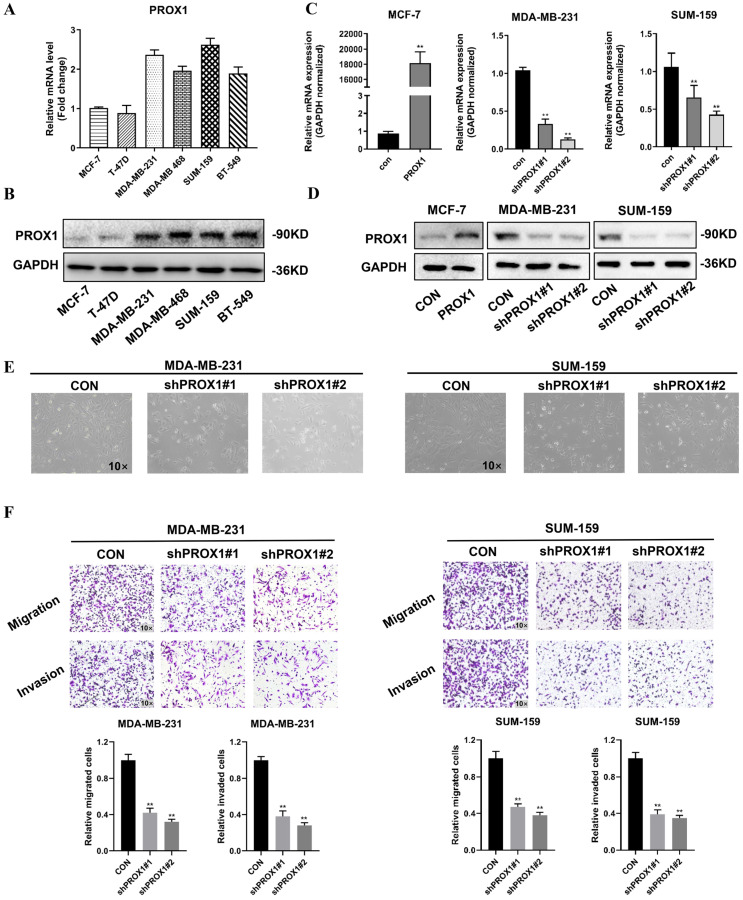
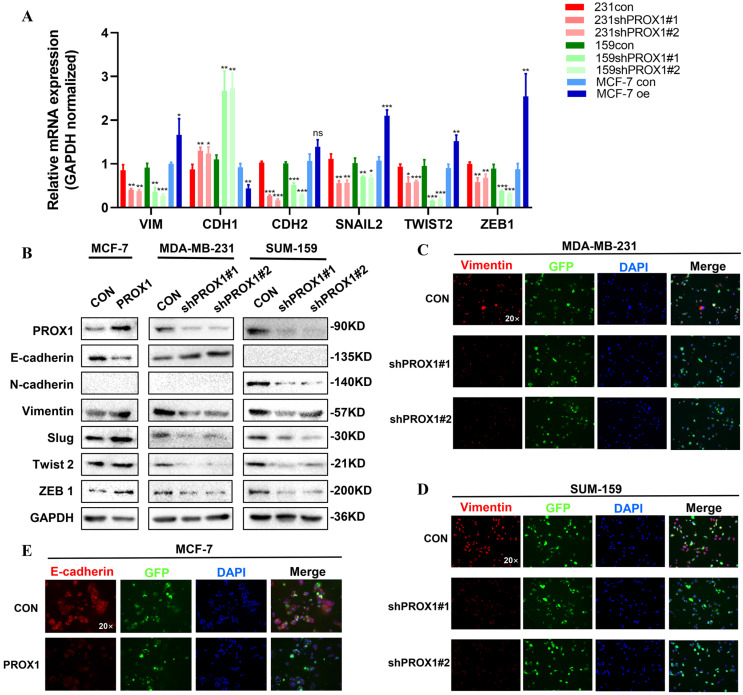
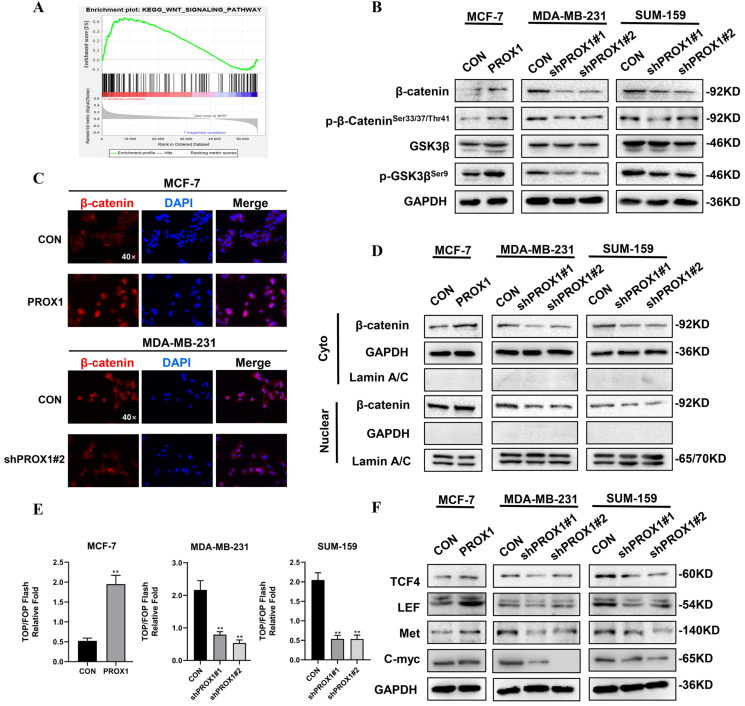
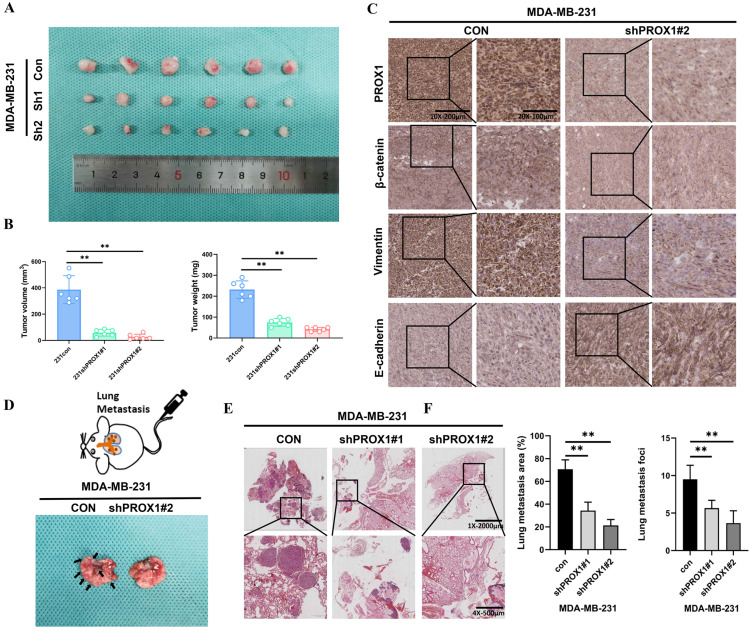
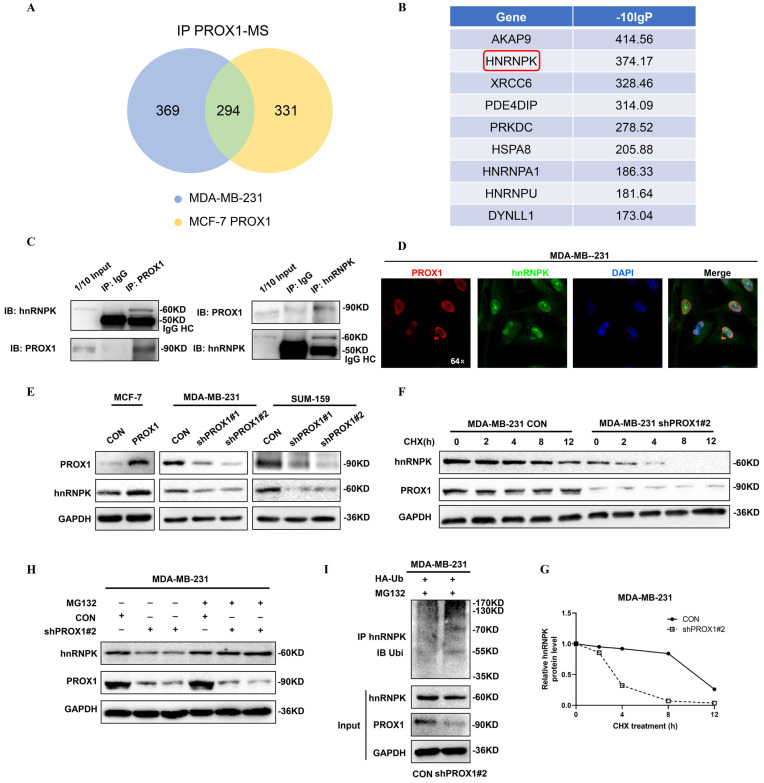
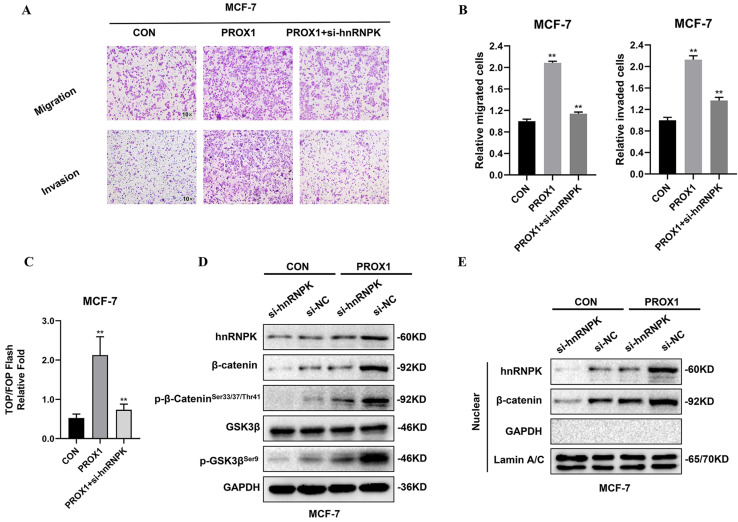
The progressive, multifactorial and multistep dynamic process of metastasis is the primary cause of breast cancer (BC) lethality. PROX1 (Prospero-related homeobox 1), as a type of transcription factor that plays a key role in the formation of lymphatic vessels in animal embryonic development, has been proven to promote or suppress cancer in a variety of malignant tumors. However, molecular mechanisms behind PROX1 induced breast cancer metastases remain elusive. Changes of PROX1 expression and clinical significance of PROX1 in BC were evaluated by BC tissue, as well as public database. The functional role of PROX1 in metastases BC was analyzed by transwell assay , and by lung metastases model of nude mice via lentivirus mediated knockdown assays. Mechanism studies were performed by public database screening, western blot and PCR assay, immunoprecipitation, immunofluorescence staining and luciferase promoter assays. In this study, we found that PROX1 was upregulated in breast cancer tissues; increased PROX1 expression in breast cancer was associated with tumor size, lymph node metastasis, ER and PR status. Meanwhile, PROX1 can promote breast cancer invasion and metastasis and . Furthermore, PROX1 can interact with hnRNPK to activate WNT/β-catenin signaling in breast cancer cells. Moreover, the interaction of PROX1 and hnRNPK inhibits the ubiquitination of hnRNPK, and subsequently activates WNT pathway to promote the invasion and metastasis of breast cancer. In conclusion, our findings indicated PROX1 contributes to breast cancer EMT and metastasis and serves as a candidate diagnostic biomarker and promising therapeutic target for breast cancer.
转移是乳腺癌致死的主要原因,它是一个渐进的、多因素的、多步骤的动态过程。PROX1(Prospero 相关同源盒 1)作为一种在动物胚胎发育中形成淋巴管的关键转录因子,已被证明在多种恶性肿瘤中促进或抑制癌症。然而,PROX1 诱导乳腺癌转移的分子机制仍不清楚。通过乳腺癌组织和公共数据库评估 PROX1 表达的变化及其在乳腺癌中的临床意义。通过转染实验分析 PROX1 在转移性乳腺癌中的功能作用,通过慢病毒介导的敲低实验分析裸鼠肺转移模型中的作用。通过公共数据库筛选、Western blot 和 PCR 检测、免疫沉淀、免疫荧光染色和荧光素酶启动子检测等方法进行机制研究。在这项研究中,我们发现 PROX1 在乳腺癌组织中上调;乳腺癌中 PROX1 的表达增加与肿瘤大小、淋巴结转移、ER 和 PR 状态有关。同时,PROX1 可以促进乳腺癌的侵袭和转移。此外,PROX1 可以与 hnRNPK 相互作用,在乳腺癌细胞中激活 WNT/β-catenin 信号通路。此外,PROX1 和 hnRNPK 的相互作用抑制了 hnRNPK 的泛素化,从而激活 WNT 通路,促进乳腺癌的侵袭和转移。总之,我们的研究结果表明,PROX1 促进了乳腺癌 EMT 和转移,可作为乳腺癌的候选诊断生物标志物和有前途的治疗靶点。