The First School of Clinical Medicine of Zhejiang Chinese Medical University, Hangzhou, Zhejiang 310053, China.
Department of Radiology, The First Affiliated Hospital of Zhejiang Chinese Medical University (Zhejiang Provincial Hospital of Traditional Chinese Medicine), Hangzhou, Zhejiang 310003, China.
Oxid Med Cell Longev. 2022 Mar 18;2022:6244757. doi: 10.1155/2022/6244757. eCollection 2022.
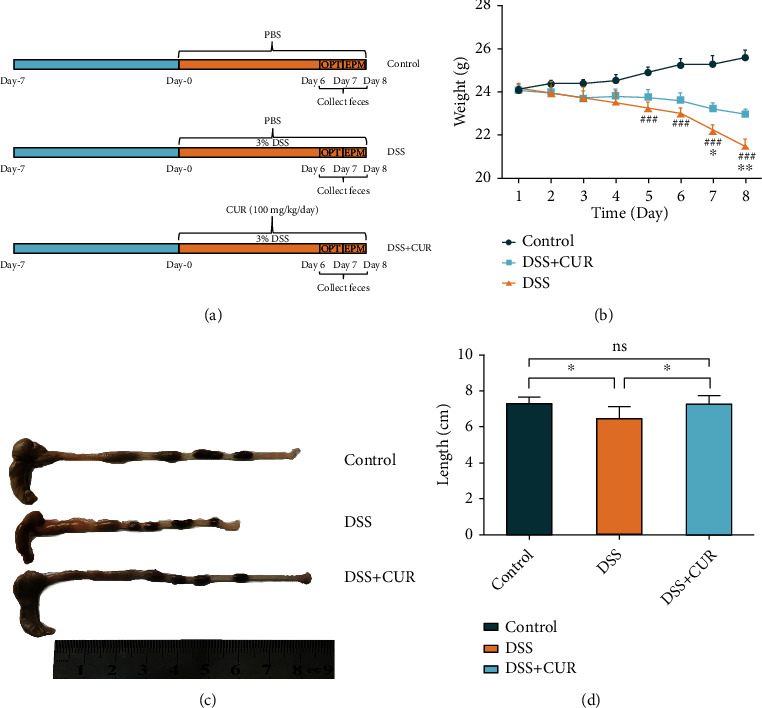
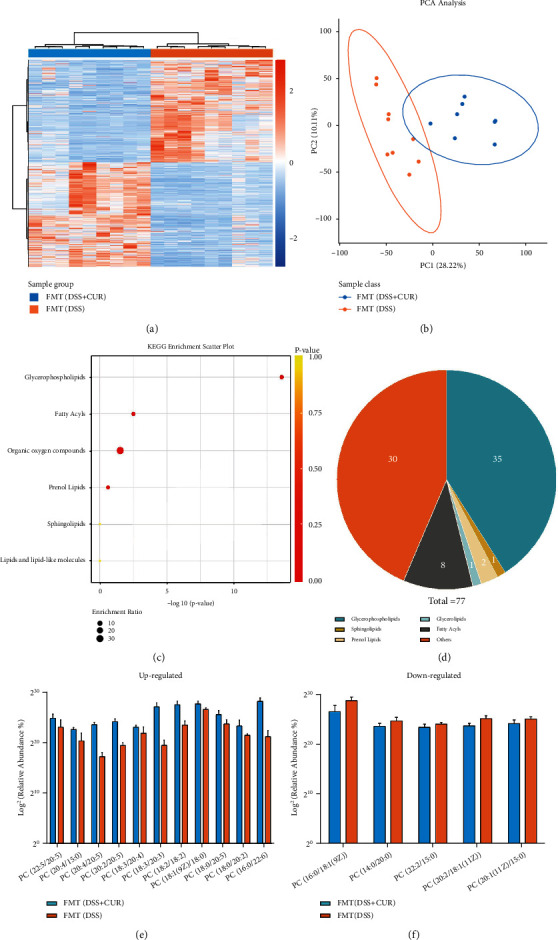
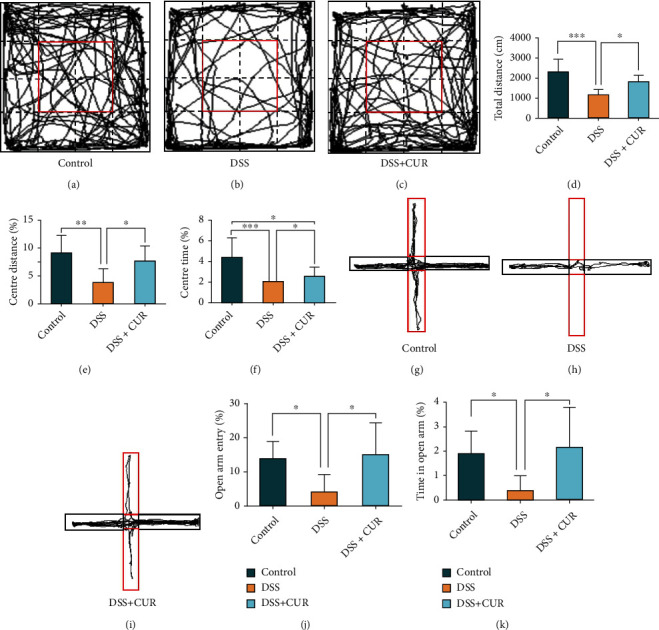
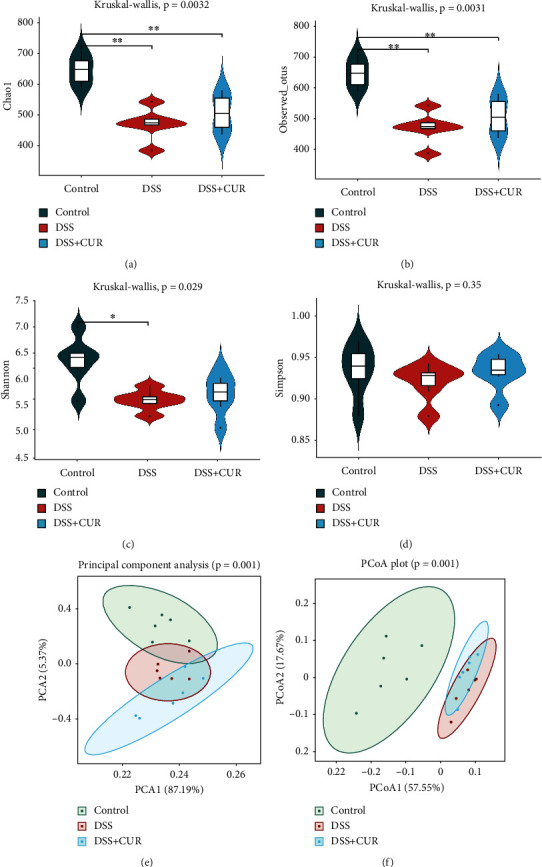
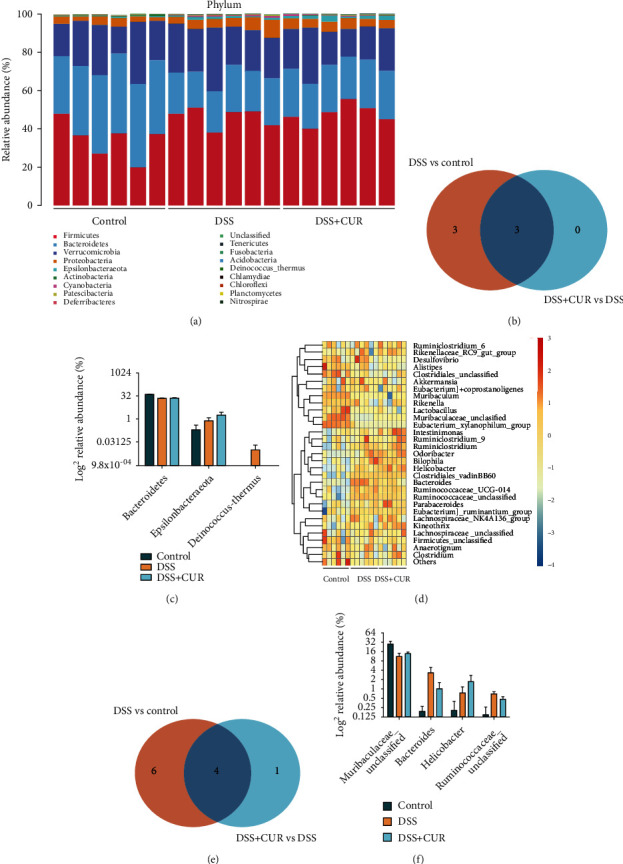
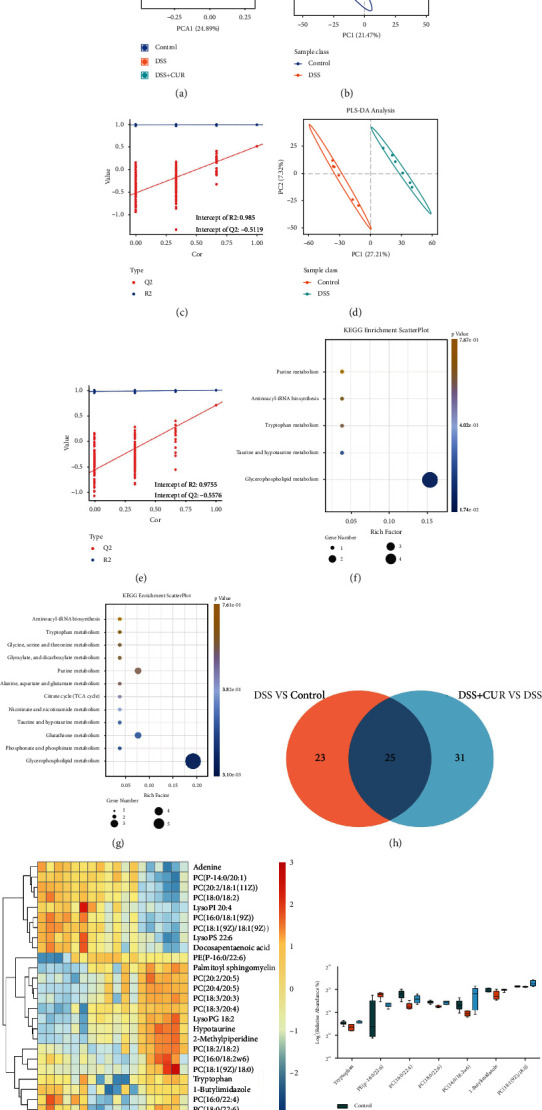
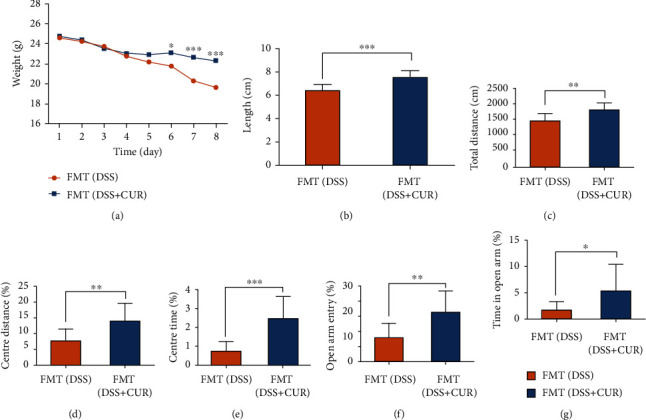
The anxiety and depression caused by inflammatory bowel diseases (IBD) are known to greatly affect the mental health of patients. The mechanism of psychiatric disorders caused by IBD is not fully understood. Previous research has suggested that the gut microbiome plays a key role in IBD. Curcumin is a yellow polyphenol extracted from the rhizome of the ginger plant, which has been shown to have effects against both depression and anxiety. Research has indicated that curcumin affects the gut microbiome and exerts antianxiety and neuroprotective effects through the microbiota-gut-brain axis (MGB). However, whether curcumin can alleviate the psychiatric disorders caused by IBD and how curcumin affects the MGB axis through the gut microbiota have not been fully understood. Therefore, this study was aimed at determining the metabolic parameters and microbiological environment in the peripheral and central nervous system to determine the effects of curcumin against anxiety induced by dextran sulfate sodium salt (DSS) in mice. To elaborate on the link between the gut microbiota and how curcumin alleviates anxiety-like behaviors, we performed a fecal microbiota transplantation (FMT) experiment. The results suggested that curcumin can effectively relieve anxiety-like behaviors caused by DSS in mice. Further, curcumin treatment can alleviate disturbances in the gut microbiota and systemic disorders of lipid metabolism caused by DSS. Finally, through FMT, we verified that curcumin increased phosphatidylcholine in the prefrontal cortex of the mice and alleviated DSS-induced anxiety-like behaviors by modulating specific gut microbiota. We also revealed that may be a key part of the gut microbiota for curcumin to alleviate DSS-induced anxiety-like behaviors through the MGB axis.
炎症性肠病(IBD)引起的焦虑和抑郁已知会极大地影响患者的心理健康。IBD 引起的精神障碍的机制尚未完全阐明。先前的研究表明,肠道微生物群在 IBD 中起着关键作用。姜黄素是从姜科植物根茎中提取的一种黄色多酚,已被证明具有抗抑郁和抗焦虑作用。研究表明,姜黄素通过微生物群-肠-脑轴(MGB)影响肠道微生物群并发挥抗焦虑和神经保护作用。然而,姜黄素是否可以减轻 IBD 引起的精神障碍,以及姜黄素如何通过肠道微生物群影响 MGB 轴,尚未得到充分了解。因此,本研究旨在确定外周和中枢神经系统的代谢参数和微生物环境,以确定姜黄素对葡聚糖硫酸钠(DSS)诱导的小鼠焦虑的影响。为了详细说明肠道微生物群与姜黄素如何缓解焦虑样行为之间的联系,我们进行了粪便微生物群移植(FMT)实验。结果表明,姜黄素可有效缓解 DSS 诱导的小鼠焦虑样行为。此外,姜黄素治疗可减轻 DSS 引起的肠道微生物群紊乱和脂代谢系统紊乱。最后,通过 FMT,我们验证了姜黄素通过调节特定的肠道微生物群增加了小鼠前额叶皮层中的磷脂酰胆碱,并缓解了 DSS 诱导的焦虑样行为。我们还揭示了 可能是姜黄素通过 MGB 轴缓解 DSS 诱导的焦虑样行为的肠道微生物群的关键部分。