Dias André H, Schleyer Paul, Vendelbo Mikkel H, Hjorthaug Karin, Gormsen Lars C, Munk Ole L
Department of Nuclear Medicine and PET Centre, Aarhus University Hospital, Palle Juul-Jensens Boulevard 165, 8200, Aarhus N, Denmark.
Siemens Medical Solutions USA, Inc., Malvern, PA, USA.
EJNMMI Res. 2022 Mar 28;12(1):16. doi: 10.1186/s13550-022-00887-x.
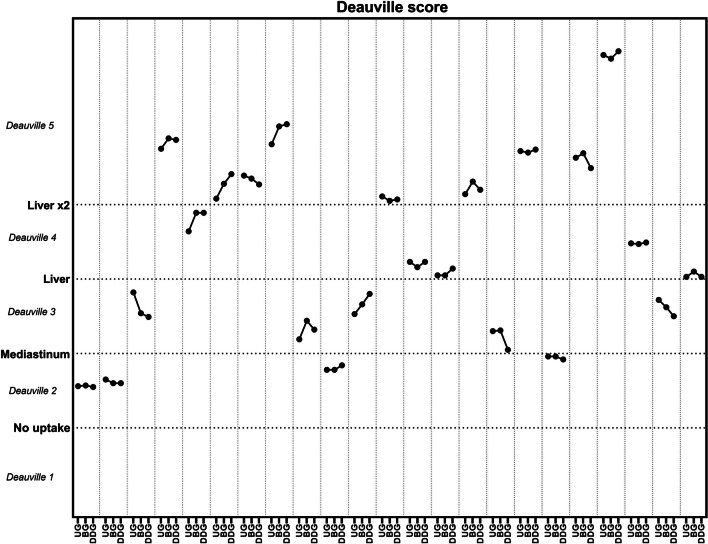
This study examines the clinical feasibility and impact of implementing a fully automated whole-body PET protocol with data-driven respiratory gating in patients with a broad range of oncological and non-oncological pathologies 592 FDG PET/CT patients were prospectively included. 200 patients with lesions in the torso were selected for further analysis, and ungated (UG), belt gated (BG) and data-driven gating (DDG) images were reconstructed. All images were reconstructed using the same data and without prolonged acquisition time for gated images. Images were quantitatively analysed for lesion uptake and metabolic volume, complemented by a qualitative analysis of visual lesion detection. In addition, the impact of gating on treatment response evaluation was evaluated in 23 patients with malignant lymphoma.
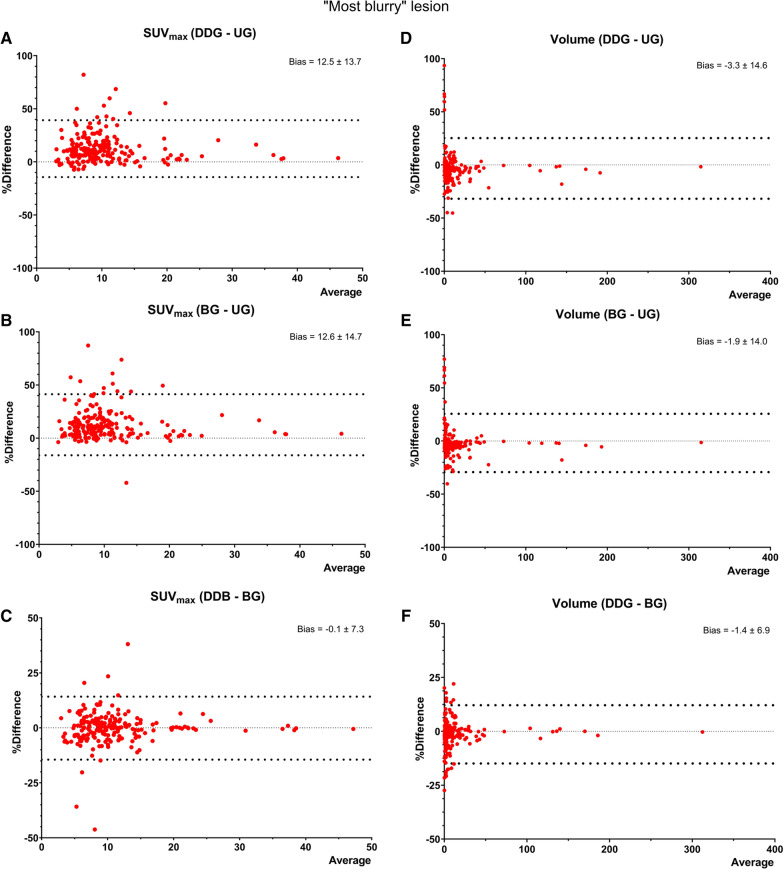
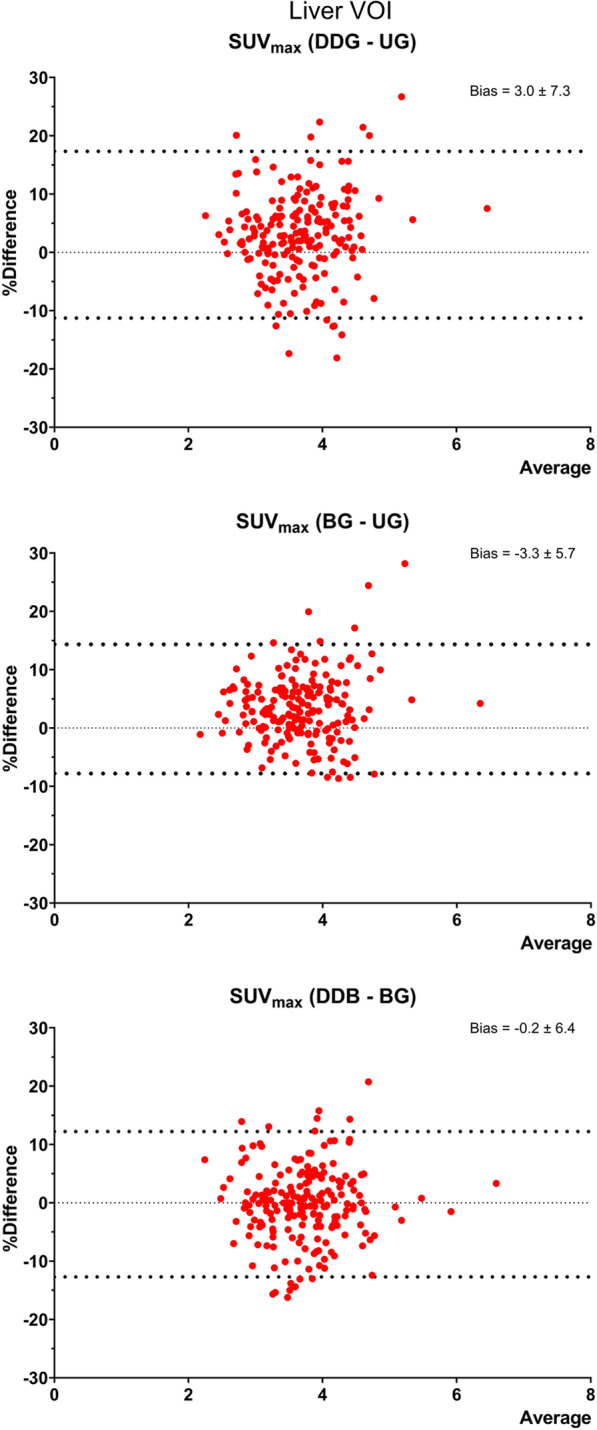
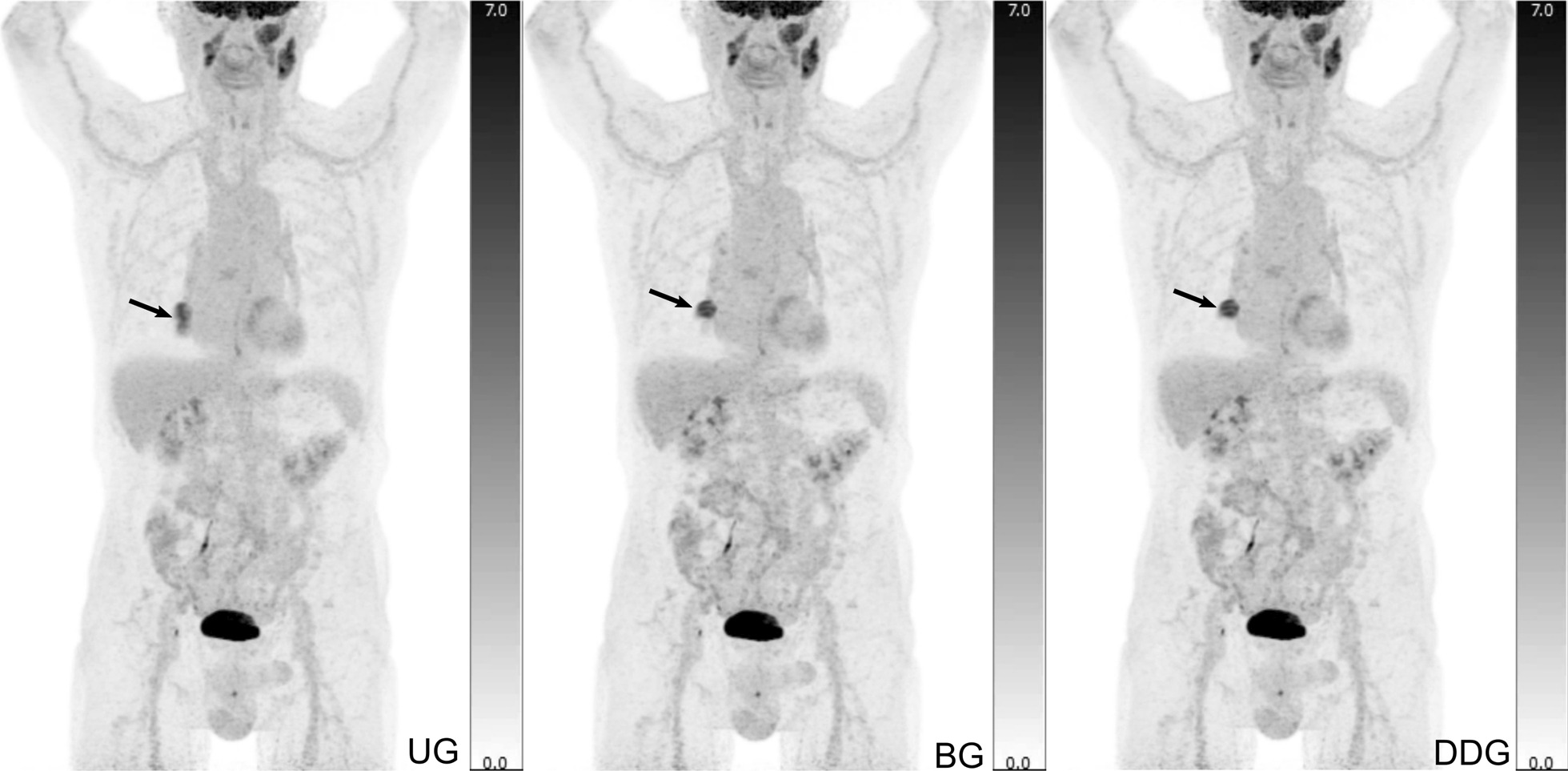
Placement of the belt needed for BG was associated with problems in 27% of the BG scans, whereas no issues were reported using DDG imaging. For lesion quantification, DDG and BG images had significantly greater SUV values and smaller volumes than UG. The physicians reported notable image blurring in 44% of the UG images that was problematic for clinical evaluation in 4.5% of cases.
Respiratory motion compensation using DDG is readily integrated into clinical routine and produce images with more accurate and significantly greater SUV values and smaller metabolic volumes. In our broad cohort of patients, the physicians overwhelmingly preferred gated over ungated images, with a slight preference for DDG images. However, even in patients with malignant disease in the torso, no additional diagnostic information was obtained by the gated images that could not be derived from the ungated images.
本研究探讨了在广泛的肿瘤和非肿瘤疾病患者中实施具有数据驱动呼吸门控的全自动全身PET协议的临床可行性和影响。前瞻性纳入了592例FDG PET/CT患者。选择200例躯干有病变的患者进行进一步分析,并重建了非门控(UG)、带门控(BG)和数据驱动门控(DDG)图像。所有图像均使用相同的数据重建,且门控图像的采集时间未延长。对图像进行病变摄取和代谢体积的定量分析,并辅以视觉病变检测的定性分析。此外,在23例恶性淋巴瘤患者中评估了门控对治疗反应评估的影响。
BG所需的腰带放置在27%的BG扫描中出现问题,而使用DDG成像未报告任何问题。对于病变定量,DDG和BG图像的SUV值明显更高,体积比UG更小。医生报告在44%的UG图像中存在明显的图像模糊,其中4.5%的病例对临床评估有问题。
使用DDG进行呼吸运动补偿很容易融入临床常规,并产生具有更准确、显著更高的SUV值和更小代谢体积的图像。在我们的广泛患者队列中,医生绝大多数更喜欢门控图像而非非门控图像,对DDG图像略有偏好。然而,即使在躯干患有恶性疾病的患者中,门控图像也没有获得无法从未门控图像中得出的额外诊断信息。