• 文献检索
  • 文档翻译
  • 深度研究
  • 学术资讯
  • Suppr Zotero 插件Zotero 插件
  • 邀请有礼
  • 套餐&价格
  • 历史记录
应用&插件
Suppr Zotero 插件Zotero 插件浏览器插件Mac 客户端Windows 客户端微信小程序
定价
高级版会员购买积分包购买API积分包
服务
文献检索文档翻译深度研究API 文档MCP 服务
关于我们
关于 Suppr公司介绍联系我们用户协议隐私条款
关注我们

Suppr 超能文献

核心技术专利:CN118964589B侵权必究
粤ICP备2023148730 号-1Suppr @ 2026

文献检索

告别复杂PubMed语法,用中文像聊天一样搜索,搜遍4000万医学文献。AI智能推荐,让科研检索更轻松。

立即免费搜索

文件翻译

保留排版,准确专业,支持PDF/Word/PPT等文件格式,支持 12+语言互译。

免费翻译文档

深度研究

AI帮你快速写综述,25分钟生成高质量综述,智能提取关键信息,辅助科研写作。

立即免费体验

制备具有先进过滤性能的空气过滤器,用于去除病毒气溶胶并控制 COVID-19 的传播。

Fabrication of air filters with advanced filtration performance for removal of viral aerosols and control the spread of COVID-19.

机构信息

Organic Polymer Chemistry Research Laboratory, Department of Chemistry, Isfahan University of Technology, Isfahan 84156-83111, Islamic Republic of Iran.

Organic Polymer Chemistry Research Laboratory, Department of Chemistry, Isfahan University of Technology, Isfahan 84156-83111, Islamic Republic of Iran.

出版信息

Adv Colloid Interface Sci. 2022 May;303:102653. doi: 10.1016/j.cis.2022.102653. Epub 2022 Mar 22.

DOI:10.1016/j.cis.2022.102653
PMID:35349924
原文链接:https://pmc.ncbi.nlm.nih.gov/articles/PMC8937611/
Abstract

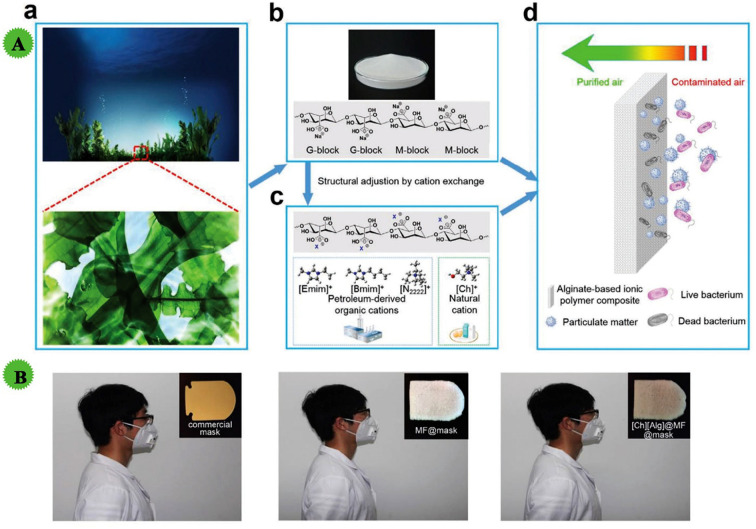
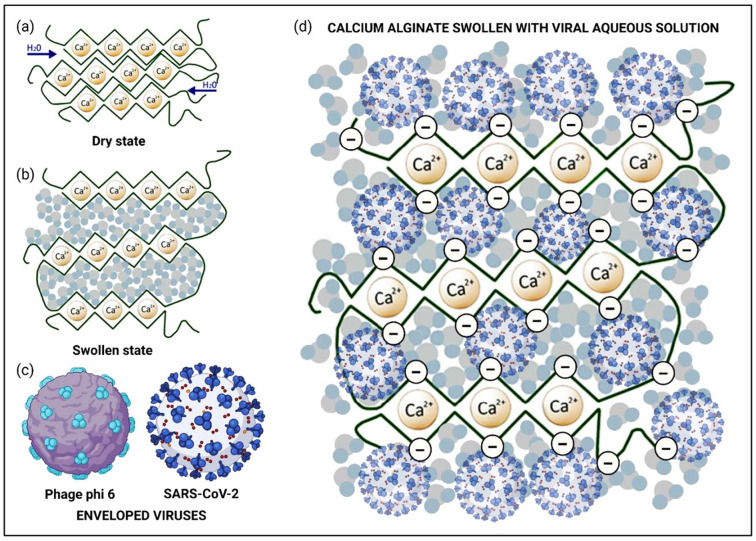
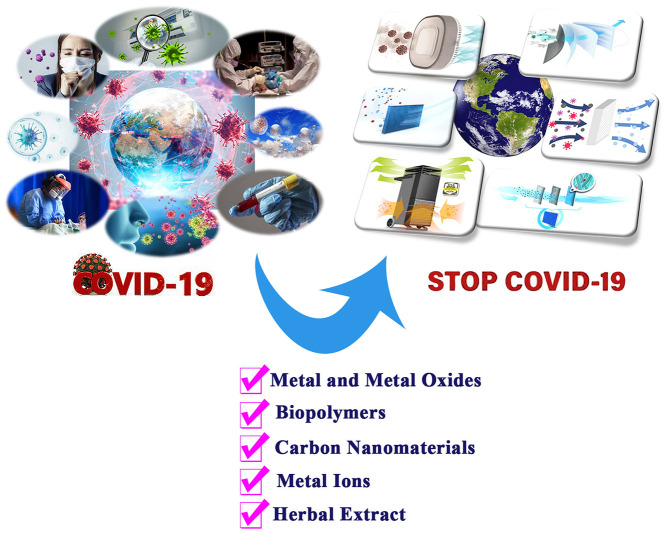
COVID-19 is caused via the SARS-CoV-2 virus, a lipid-based enveloped virus with spike-like projections. At present, the global epidemic of COVID-19 continues and waves of SARS-CoV-2, the mutant Delta and Omicron variant which are associated with enhanced transmissibility and evasion to vaccine-induced immunity have increased hospitalization and mortality, the biggest challenge we face is whether we will be able to overcome this virus? On the other side, warm seasons and heat have increased the need for proper ventilation systems to trap contaminants containing the virus. Besides, heat and sweating accelerate the growth of microorganisms. For example, medical staff that is in the front line use masks for a long time, and their facial sweat causes microbes to grow on the mask. Nowadays, efficient air filters with anti-viral and antimicrobial properties have received a lot of attention, and are used to make ventilation systems or medical masks. A wide range of materials plays an important role in the production of efficient air filters. For example, metals, metal oxides, or antimicrobial metal species that have anti-viral and antimicrobial properties, including Ag, ZnO, TiO, CuO, and Cu played a role in this regard. Carbon nanomaterials such as carbon nanotubes, graphene, or derivatives have also shown their role well. In addition, natural materials such as biopolymers such as alginate, and herbal extracts are employed to prepare effective air filters. In this review, we summarized the utilization of diverse materials in the preparation of efficient air filters to apply in the preparation of medical masks and ventilation systems. In the first part, the employing metal and metal oxides is examined, and the second part summarizes the application of carbon materials for the fabrication of air filters. After examination of the performance of natural materials, challenges and progress visions are discussed.

摘要

新型冠状病毒(SARS-CoV-2)引发的 COVID-19 疫情仍在全球蔓延,其变异株德尔塔(Delta)和奥密克戎(Omicron)具有更强的传播能力和逃避疫苗诱导免疫的能力,导致住院和死亡率上升,这是我们面临的最大挑战,我们能否战胜这种病毒?另一方面,温暖季节和热量增加了对适当通风系统的需求,以捕获含有病毒的污染物。此外,高温和出汗会加速微生物的生长。例如,处于一线的医护人员长时间佩戴口罩,他们面部的汗水会导致口罩上的微生物生长。如今,具有抗病毒和抗菌性能的高效空气过滤器受到了广泛关注,并被用于制造通风系统或医用口罩。广泛的材料在高效空气过滤器的生产中起着重要作用。例如,具有抗病毒和抗菌性能的金属、金属氧化物或抗菌金属物质,包括 Ag、ZnO、TiO、CuO 和 Cu,在这方面发挥了作用。碳纳米材料,如碳纳米管、石墨烯或其衍生物,也表现出了良好的作用。此外,天然材料,如海藻酸盐等生物聚合物和草药提取物,也被用于制备有效的空气过滤器。在这篇综述中,我们总结了不同材料在高效空气过滤器制备中的应用,以应用于医用口罩和通风系统的制备。第一部分考察了金属和金属氧化物的应用,第二部分总结了碳材料在空气过滤器制备中的应用。在考察了天然材料的性能后,讨论了挑战和进展前景。
https://cdn.ncbi.nlm.nih.gov/pmc/blobs/2008/8937611/9da44feadc97/gr22_lrg.jpg
https://cdn.ncbi.nlm.nih.gov/pmc/blobs/2008/8937611/a0524ef765d1/ga1_lrg.jpg
https://cdn.ncbi.nlm.nih.gov/pmc/blobs/2008/8937611/22a27208d713/gr1_lrg.jpg
https://cdn.ncbi.nlm.nih.gov/pmc/blobs/2008/8937611/76683b4e0992/gr2_lrg.jpg
https://cdn.ncbi.nlm.nih.gov/pmc/blobs/2008/8937611/9be0e05033ce/gr3_lrg.jpg
https://cdn.ncbi.nlm.nih.gov/pmc/blobs/2008/8937611/6ad03ab14bf2/gr4_lrg.jpg
https://cdn.ncbi.nlm.nih.gov/pmc/blobs/2008/8937611/624c7da4bbdc/gr5_lrg.jpg
https://cdn.ncbi.nlm.nih.gov/pmc/blobs/2008/8937611/1ec2ccc4e89a/gr6_lrg.jpg
https://cdn.ncbi.nlm.nih.gov/pmc/blobs/2008/8937611/5a140c9e9fc2/gr7_lrg.jpg
https://cdn.ncbi.nlm.nih.gov/pmc/blobs/2008/8937611/4bf393f4cd8e/gr8_lrg.jpg
https://cdn.ncbi.nlm.nih.gov/pmc/blobs/2008/8937611/a1007bef372c/gr9_lrg.jpg
https://cdn.ncbi.nlm.nih.gov/pmc/blobs/2008/8937611/a14da2fbc186/gr10_lrg.jpg
https://cdn.ncbi.nlm.nih.gov/pmc/blobs/2008/8937611/639b99248932/gr11_lrg.jpg
https://cdn.ncbi.nlm.nih.gov/pmc/blobs/2008/8937611/52251a3eeeb0/gr12_lrg.jpg
https://cdn.ncbi.nlm.nih.gov/pmc/blobs/2008/8937611/d7cd414f5c8a/gr13_lrg.jpg
https://cdn.ncbi.nlm.nih.gov/pmc/blobs/2008/8937611/842725a39139/gr14_lrg.jpg
https://cdn.ncbi.nlm.nih.gov/pmc/blobs/2008/8937611/091b414f2fa6/gr15_lrg.jpg
https://cdn.ncbi.nlm.nih.gov/pmc/blobs/2008/8937611/c15d1b1dc494/gr16_lrg.jpg
https://cdn.ncbi.nlm.nih.gov/pmc/blobs/2008/8937611/294fcc0ff3d6/gr17_lrg.jpg
https://cdn.ncbi.nlm.nih.gov/pmc/blobs/2008/8937611/1d7f68294e1c/gr18_lrg.jpg
https://cdn.ncbi.nlm.nih.gov/pmc/blobs/2008/8937611/f489869cf962/gr19_lrg.jpg
https://cdn.ncbi.nlm.nih.gov/pmc/blobs/2008/8937611/815d9352c1c7/gr20_lrg.jpg
https://cdn.ncbi.nlm.nih.gov/pmc/blobs/2008/8937611/e542ce49e7a9/gr21_lrg.jpg
https://cdn.ncbi.nlm.nih.gov/pmc/blobs/2008/8937611/9da44feadc97/gr22_lrg.jpg
https://cdn.ncbi.nlm.nih.gov/pmc/blobs/2008/8937611/a0524ef765d1/ga1_lrg.jpg
https://cdn.ncbi.nlm.nih.gov/pmc/blobs/2008/8937611/22a27208d713/gr1_lrg.jpg
https://cdn.ncbi.nlm.nih.gov/pmc/blobs/2008/8937611/76683b4e0992/gr2_lrg.jpg
https://cdn.ncbi.nlm.nih.gov/pmc/blobs/2008/8937611/9be0e05033ce/gr3_lrg.jpg
https://cdn.ncbi.nlm.nih.gov/pmc/blobs/2008/8937611/6ad03ab14bf2/gr4_lrg.jpg
https://cdn.ncbi.nlm.nih.gov/pmc/blobs/2008/8937611/624c7da4bbdc/gr5_lrg.jpg
https://cdn.ncbi.nlm.nih.gov/pmc/blobs/2008/8937611/1ec2ccc4e89a/gr6_lrg.jpg
https://cdn.ncbi.nlm.nih.gov/pmc/blobs/2008/8937611/5a140c9e9fc2/gr7_lrg.jpg
https://cdn.ncbi.nlm.nih.gov/pmc/blobs/2008/8937611/4bf393f4cd8e/gr8_lrg.jpg
https://cdn.ncbi.nlm.nih.gov/pmc/blobs/2008/8937611/a1007bef372c/gr9_lrg.jpg
https://cdn.ncbi.nlm.nih.gov/pmc/blobs/2008/8937611/a14da2fbc186/gr10_lrg.jpg
https://cdn.ncbi.nlm.nih.gov/pmc/blobs/2008/8937611/639b99248932/gr11_lrg.jpg
https://cdn.ncbi.nlm.nih.gov/pmc/blobs/2008/8937611/52251a3eeeb0/gr12_lrg.jpg
https://cdn.ncbi.nlm.nih.gov/pmc/blobs/2008/8937611/d7cd414f5c8a/gr13_lrg.jpg
https://cdn.ncbi.nlm.nih.gov/pmc/blobs/2008/8937611/842725a39139/gr14_lrg.jpg
https://cdn.ncbi.nlm.nih.gov/pmc/blobs/2008/8937611/091b414f2fa6/gr15_lrg.jpg
https://cdn.ncbi.nlm.nih.gov/pmc/blobs/2008/8937611/c15d1b1dc494/gr16_lrg.jpg
https://cdn.ncbi.nlm.nih.gov/pmc/blobs/2008/8937611/294fcc0ff3d6/gr17_lrg.jpg
https://cdn.ncbi.nlm.nih.gov/pmc/blobs/2008/8937611/1d7f68294e1c/gr18_lrg.jpg
https://cdn.ncbi.nlm.nih.gov/pmc/blobs/2008/8937611/f489869cf962/gr19_lrg.jpg
https://cdn.ncbi.nlm.nih.gov/pmc/blobs/2008/8937611/815d9352c1c7/gr20_lrg.jpg
https://cdn.ncbi.nlm.nih.gov/pmc/blobs/2008/8937611/e542ce49e7a9/gr21_lrg.jpg
https://cdn.ncbi.nlm.nih.gov/pmc/blobs/2008/8937611/9da44feadc97/gr22_lrg.jpg

相似文献

1
Fabrication of air filters with advanced filtration performance for removal of viral aerosols and control the spread of COVID-19.制备具有先进过滤性能的空气过滤器,用于去除病毒气溶胶并控制 COVID-19 的传播。
Adv Colloid Interface Sci. 2022 May;303:102653. doi: 10.1016/j.cis.2022.102653. Epub 2022 Mar 22.
2
Air filtration and SARS-CoV-2.空气过滤与严重急性呼吸综合征冠状病毒 2 型。
Epidemiol Health. 2020;42:e2020049. doi: 10.4178/epih.e2020049. Epub 2020 Jul 4.
3
SARS-CoV-2 airborne transmission: a review of risk factors and possible preventative measures using air purifiers.严重急性呼吸综合征冠状病毒2型的空气传播:使用空气净化器对风险因素及可能的预防措施的综述
Environ Sci Process Impacts. 2022 Dec 14;24(12):2191-2216. doi: 10.1039/d2em00333c.
4
The SARS-CoV-2 viral load in COVID-19 patients is lower on face mask filters than on nasopharyngeal swabs.在 COVID-19 患者中,SARS-CoV-2 病毒载量在口罩过滤器上低于鼻咽拭子。
Sci Rep. 2021 Jun 29;11(1):13476. doi: 10.1038/s41598-021-92665-3.
5
Efficacy of Portable Air Cleaners and Masking for Reducing Indoor Exposure to Simulated Exhaled SARS-CoV-2 Aerosols - United States, 2021.便携式空气净化器和口罩对减少室内模拟呼出 SARS-CoV-2 气溶胶暴露的效果 - 美国,2021 年。
MMWR Morb Mortal Wkly Rep. 2021 Jul 9;70(27):972-976. doi: 10.15585/mmwr.mm7027e1.
6
Effectiveness of Face Masks in Preventing Airborne Transmission of SARS-CoV-2.口罩预防 SARS-CoV-2 空气传播的有效性。
mSphere. 2020 Oct 21;5(5):e00637-20. doi: 10.1128/mSphere.00637-20.
7
Nano-treatment of HEPA filters in COVID-19 isolation rooms in an academic medical center in Saudi Arabia.沙特阿拉伯一学术医学中心 COVID-19 隔离病房中 HEPA 过滤器的纳米处理。
J Infect Public Health. 2022 Sep;15(9):937-941. doi: 10.1016/j.jiph.2022.07.004. Epub 2022 Jul 19.
8
Can 10× cheaper, lower-efficiency particulate air filters and box fans complement High-Efficiency Particulate Air (HEPA) purifiers to help control the COVID-19 pandemic?更便宜、低效率的 10 倍颗粒物空气过滤器和箱式风扇能否与高效空气(HEPA)净化器配合使用,帮助控制 COVID-19 大流行?
Sci Total Environ. 2022 Sep 10;838(Pt 1):155884. doi: 10.1016/j.scitotenv.2022.155884. Epub 2022 May 14.
9
[Aerosols and SARS-CoV-2: Statement of the "Expert Group Aerosols" on the development, infectivity, spread and reduction of airborne, virus-containing particles in the air].[气溶胶与严重急性呼吸综合征冠状病毒2:“气溶胶专家组”关于空气中含病毒颗粒的产生、传染性、传播及减少的声明]
Gesundheitswesen. 2021 Mar;83(3):231-234. doi: 10.1055/a-1363-0972. Epub 2021 Mar 12.
10
Masks for COVID-19.医用口罩预防 COVID-19。
Adv Sci (Weinh). 2022 Jan;9(3):e2102189. doi: 10.1002/advs.202102189. Epub 2021 Nov 26.

引用本文的文献

1
Next-Generation Nucleic Acid-Based Diagnostics for Viral Pathogens: Lessons Learned from the SARS-CoV-2 Pandemic.用于病毒病原体的下一代基于核酸的诊断方法:从新冠疫情中吸取的教训
Microorganisms. 2025 Aug 15;13(8):1905. doi: 10.3390/microorganisms13081905.
2
Synthesis and Antiviral Activity of Nanowire Polymers Activated with Ag, Zn, and Cu Nanoclusters.用银、锌和铜纳米团簇激活的纳米线聚合物的合成与抗病毒活性
Pharmaceutics. 2025 Jul 6;17(7):887. doi: 10.3390/pharmaceutics17070887.
3
Lessons Learned From the Pandemic: A Retrospective Analysis of the Impact of COVID-19 in the Routine of a Reference Center for Spine Surgery.

本文引用的文献

1
Development of Electrospun Nanofibrous Filters for Controlling Coronavirus Aerosols.用于控制冠状病毒气溶胶的电纺纳米纤维过滤器的研制
Environ Sci Technol Lett. 2021 May 17;8(7):545-550. doi: 10.1021/acs.estlett.1c00337. eCollection 2021 Jul 13.
2
Nanofiltration filter paper based on multi-walled carbon nanotubes and cellulose filter papers.基于多壁碳纳米管的纳滤滤纸和纤维素滤纸。
RSC Adv. 2021 Jan 4;11(2):1194-1199. doi: 10.1039/d0ra08585e. eCollection 2020 Dec 24.
3
Biocompatible Films of Calcium Alginate Inactivate Enveloped Viruses Such as SARS-CoV-2.
从大流行中吸取的教训:对新冠病毒病在一家脊柱外科参考中心日常工作中的影响的回顾性分析
Cureus. 2025 May 29;17(5):e85032. doi: 10.7759/cureus.85032. eCollection 2025 May.
4
Antiviral Activity of Electrospun Polyamide Ultrathin Fibers Against SARS-CoV-2 Variant.电纺聚酰胺超细纤维对新冠病毒变异株的抗病毒活性
ACS Omega. 2025 Jan 21;10(4):3551-3562. doi: 10.1021/acsomega.4c07962. eCollection 2025 Feb 4.
5
Hospital-borne hazardous air pollutants and air cleaning strategies amid the surge of SARS-CoV-2 new variants.在严重急性呼吸综合征冠状病毒2(SARS-CoV-2)新变种激增的情况下,医院产生的有害空气污染物及空气净化策略。
Heliyon. 2024 Oct 5;10(20):e38874. doi: 10.1016/j.heliyon.2024.e38874. eCollection 2024 Oct 30.
6
Enhanced Air Filtration Efficiency through Electrospun PVC/PVP/MWCNTs Nanofibers: Design, Optimization, and Performance Evaluation.通过静电纺丝法制备的聚氯乙烯/聚乙烯吡咯烷酮/多壁碳纳米管纳米纤维提高空气过滤效率:设计、优化及性能评估
ACS Omega. 2024 Aug 24;9(36):37771-37779. doi: 10.1021/acsomega.4c03628. eCollection 2024 Sep 10.
7
Enhanced and copper concentration dependent virucidal effect against SARS-CoV-2 of electrospun poly(vinylidene difluoride) filter materials.静电纺聚偏氟乙烯过滤材料对SARS-CoV-2的增强型及铜浓度依赖性杀病毒效果
iScience. 2024 Apr 27;27(6):109835. doi: 10.1016/j.isci.2024.109835. eCollection 2024 Jun 21.
8
Preparation of an innovative series of respiratory nano-filters using polystyrene fibrous films containing KCC-1 dendrimer and ZnO nanostructures for environmental assessment of SO, NO and CO.使用含有KCC-1树枝状大分子和ZnO纳米结构的聚苯乙烯纤维膜制备一系列用于SO、NO和CO环境评估的创新性呼吸纳米过滤器。
RSC Adv. 2024 Mar 5;14(11):7303-7313. doi: 10.1039/d4ra00176a. eCollection 2024 Feb 29.
9
The Enhanced Durability of AgCu Nanoparticle Coatings for Antibacterial Nonwoven Air Conditioner Filters.AgCu 纳米颗粒涂层在抗菌无纺空调过滤器中的增强耐久性。
Molecules. 2023 Jul 16;28(14):5446. doi: 10.3390/molecules28145446.
10
Natural Cellulose-Based Multifunctional Nanofibers for the Effective Removal of Particulate Matter and Volatile Organic Compounds.用于有效去除颗粒物和挥发性有机化合物的天然纤维素基多功能纳米纤维
Nanomaterials (Basel). 2023 May 24;13(11):1720. doi: 10.3390/nano13111720.
海藻酸钙生物相容性薄膜可灭活诸如SARS-CoV-2等包膜病毒。
Polymers (Basel). 2022 Apr 6;14(7):1483. doi: 10.3390/polym14071483.
4
Tailoring moisture electroactive Ag/Zn@cotton coupled with electrospun PVDF/PS nanofibers for antimicrobial face masks.定制具有保湿性能的 Ag/Zn@棉与电纺 PVDF/PS 纳米纤维复合,用于抗菌面膜。
J Hazard Mater. 2022 Apr 15;428:128239. doi: 10.1016/j.jhazmat.2022.128239. Epub 2022 Jan 7.
5
Ultrathin Polydopamine-Graphene Oxide Hybrid Coatings on Polymer Filters with Improved Filtration Performance and Functionalities.聚合物滤膜上具有改进过滤性能和多功能的超薄聚多巴胺-氧化石墨烯杂化涂层。
ACS Appl Bio Mater. 2021 Jun 21;4(6):5180-5188. doi: 10.1021/acsabm.1c00367. Epub 2021 May 25.
6
Polyvinyl alcohol/silver electrospun nanofibers: Biocidal filter media capturing virus-size particles.聚乙烯醇/银电纺纳米纤维:捕获病毒大小颗粒的杀菌过滤介质。
J Appl Polym Sci. 2021 Dec 10;138(46):51380. doi: 10.1002/app.51380. Epub 2021 Jul 16.
7
Evaluation of the Bioaerosol Inactivation Ability of Chitosan-Coated Antimicrobial Filters.壳聚糖涂层抗菌过滤器的生物气溶胶灭活能力评估。
Int J Environ Res Public Health. 2021 Jul 5;18(13):7183. doi: 10.3390/ijerph18137183.
8
Investigating the effect of air conditioning on the distribution and transmission of COVID-19 virus particles.研究空调对新冠病毒颗粒分布和传播的影响。
J Clean Prod. 2021 Sep 20;316:128147. doi: 10.1016/j.jclepro.2021.128147. Epub 2021 Jun 29.
9
Antiviral Nanomaterials for Designing Mixed Matrix Membranes.用于设计混合基质膜的抗病毒纳米材料
Membranes (Basel). 2021 Jun 22;11(7):458. doi: 10.3390/membranes11070458.
10
A review on recent trends of antiviral nanoparticles and airborne filters: special insight on COVID-19 virus.抗病毒纳米颗粒与空气过滤器的最新趋势综述:对新冠病毒的特别洞察
Air Qual Atmos Health. 2021;14(11):1811-1824. doi: 10.1007/s11869-021-01055-1. Epub 2021 Jun 17.