Aberdeen Cardiovascular & Diabetes Centre, Institute of Medical Sciences, School of Medicine, Medical Sciences and Nutrition, University of Aberdeen, Aberdeen, UK.
Breakthrough Healthcare, Baltimore, Maryland, USA.
J Thromb Haemost. 2022 Jun;20(6):1496-1506. doi: 10.1111/jth.15718. Epub 2022 Apr 22.
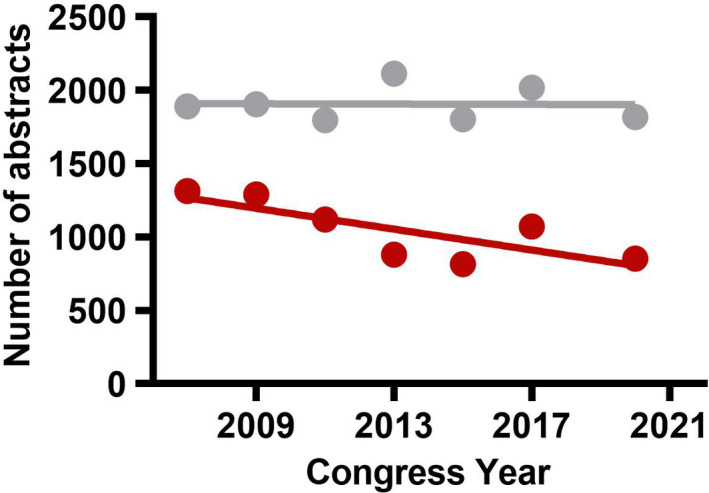
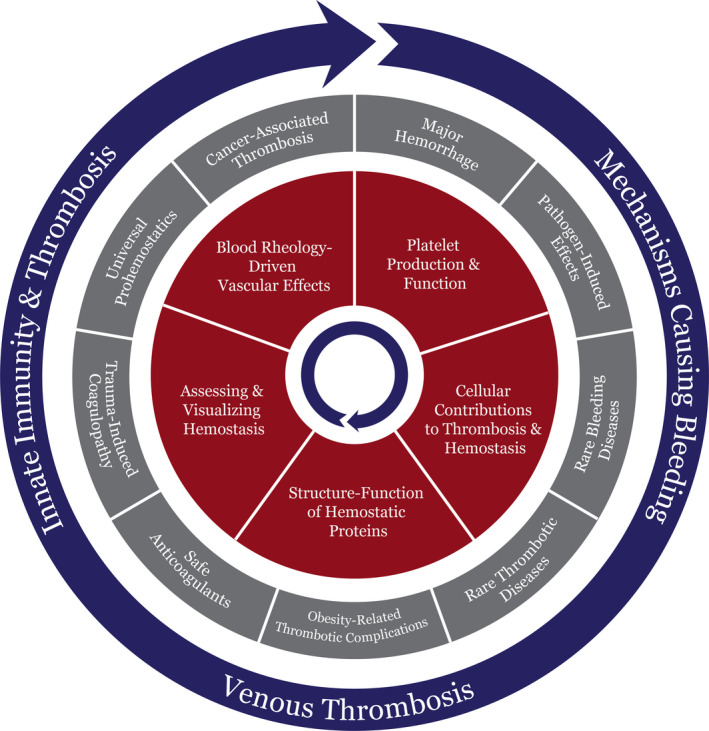
Bleeding and thrombosis are major clinical problems with high morbidity and mortality. Treatment modalities for these diseases have improved in recent years, but there are many clinical questions remaining and a need to advance diagnosis, management, and therapeutic options. Basic research plays a fundamental role in understanding normal and disease processes, yet this sector has observed a steady decline in funding prospects thereby hindering support for studies of mechanisms of disease and therapeutic development opportunities. With the financial constraints faced by basic scientists, the ISTH organized a basic science task force (BSTF), comprising Scientific and Standardization Committee subcommittee chairs and co-chairs, to identify research opportunities for basic science in hemostasis and thrombosis. The goal of the BSTF was to develop a set of recommended priorities to build support in the thrombosis and hemostasis community and to inform ISTH basic science programs and policy making. The BSTF identified three principal opportunity areas that were of significant overarching relevance: mechanisms causing bleeding, innate immunity and thrombosis, and venous thrombosis. Within these, five fundamental research areas were highlighted: blood rheology, platelet biogenesis, cellular contributions to thrombosis and hemostasis, structure-function protein analyses, and visualization of hemostasis. This position paper discusses the importance and relevance of these opportunities and research areas, and the rationale for their inclusion. These findings have implications for the future of fundamental research in thrombosis and hemostasis to make transformative scientific discoveries and tackle key clinical questions. This will permit better understanding, prevention, diagnosis, and treatment of hemostatic and thrombotic conditions.
出血和血栓形成是具有高发病率和死亡率的主要临床问题。近年来,这些疾病的治疗方法有所改进,但仍存在许多临床问题需要解决,需要推进诊断、管理和治疗选择。基础研究在理解正常和疾病过程中起着至关重要的作用,但这一领域的资金前景一直在稳步下降,从而阻碍了对疾病机制研究和治疗开发机会的支持。由于基础科学家面临的资金限制,ISTH 组织了一个基础科学工作组(BSTF),由科学和标准化委员会小组委员会主席和联合主席组成,旨在确定止血和血栓形成基础科学的研究机会。BSTF 的目标是制定一系列建议的优先事项,在血栓形成和止血社区中建立支持,并为 ISTH 基础科学计划和决策提供信息。BSTF 确定了三个主要的机会领域,这些领域具有重要的总体相关性:导致出血的机制、先天免疫与血栓形成、静脉血栓形成。在这些领域中,突出了五个基础研究领域:血液流变学、血小板发生、细胞对血栓形成和止血的贡献、结构功能蛋白分析以及止血的可视化。本立场文件讨论了这些机会和研究领域的重要性和相关性,以及将它们包括在内的理由。这些发现对未来的血栓形成和止血基础研究具有影响,有助于做出变革性的科学发现并解决关键的临床问题。这将使我们更好地理解、预防、诊断和治疗止血和血栓形成的病症。